
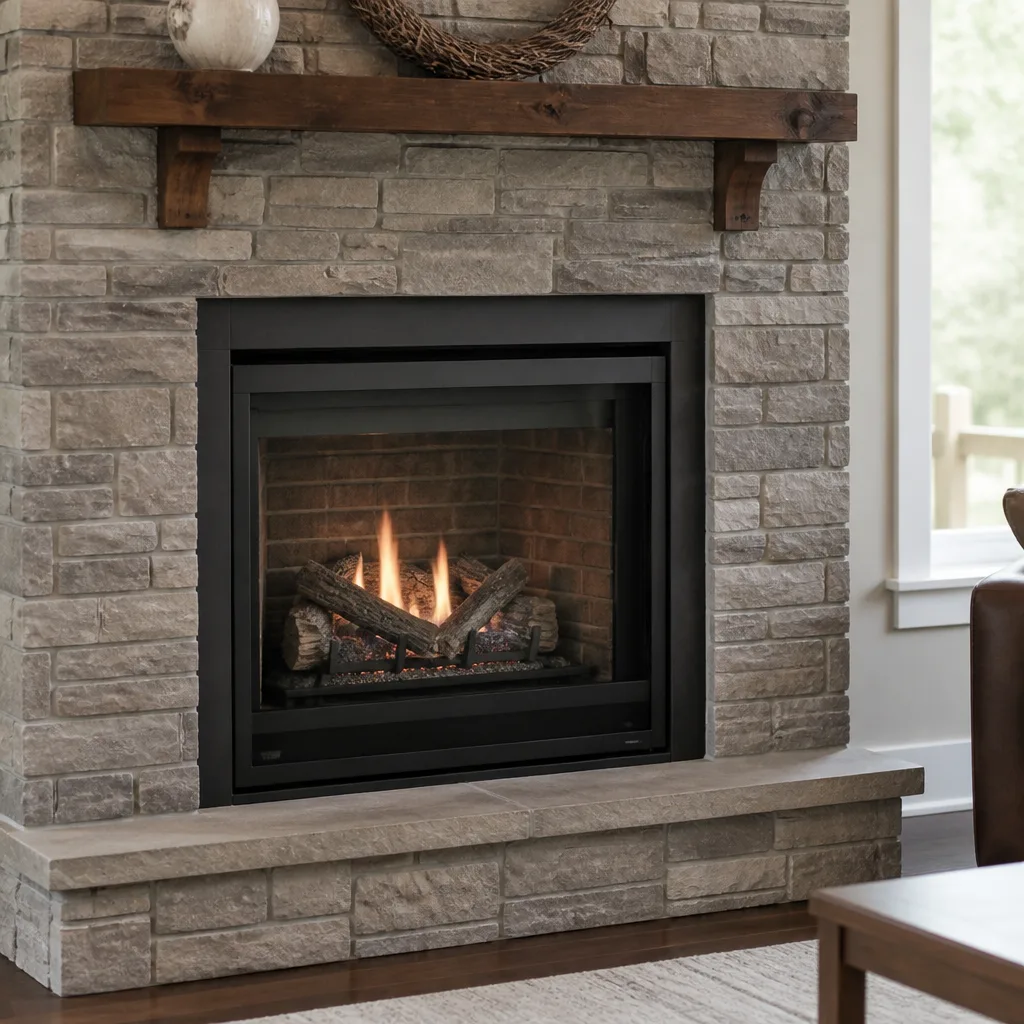
 Gas fireplace service
 Sweep & inspection
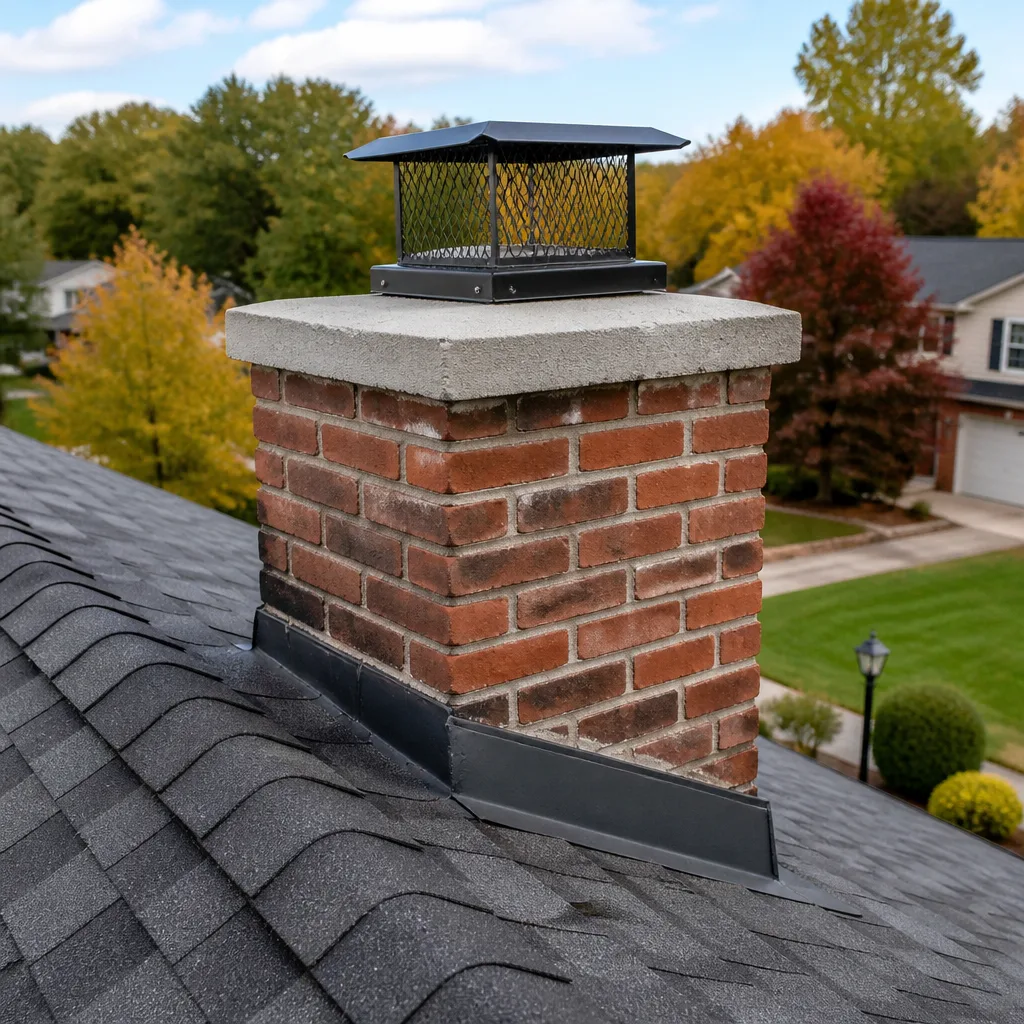
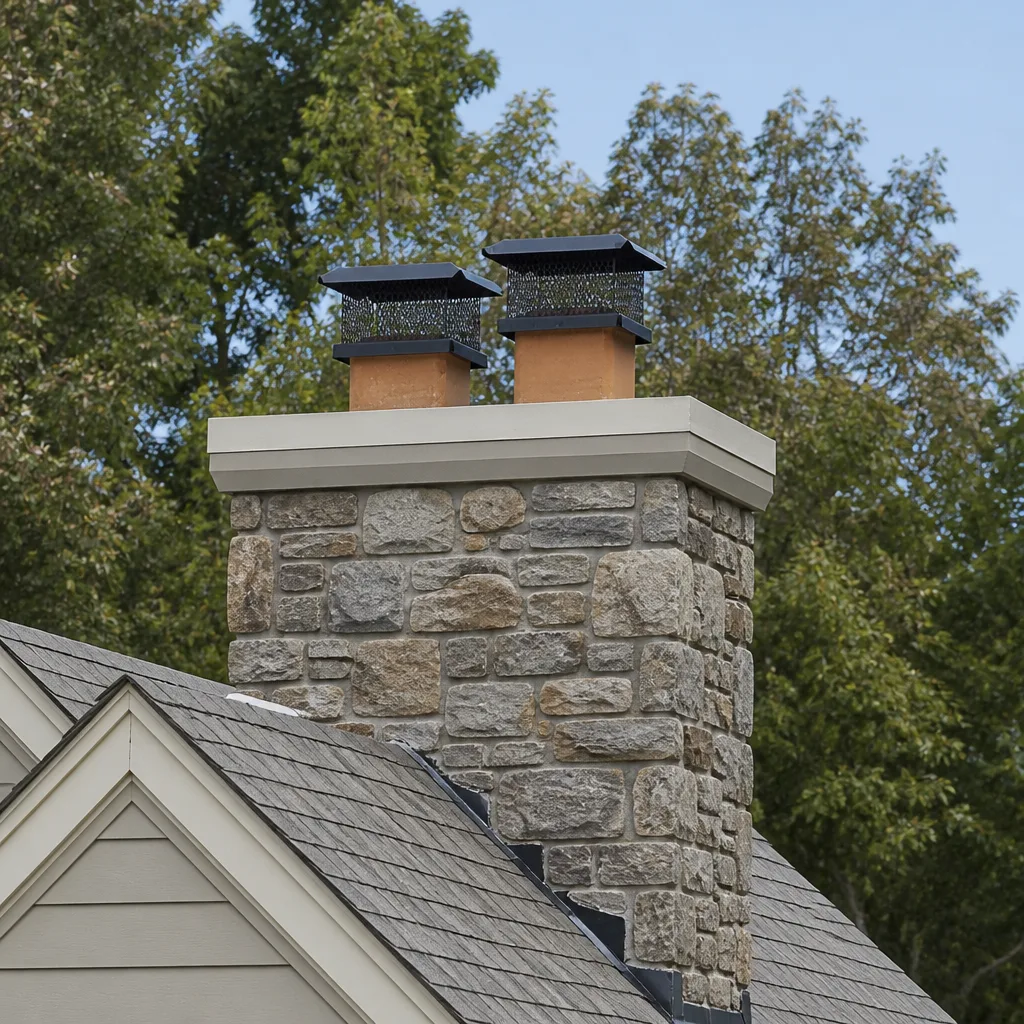 Caps & crowns
 Flue relining
 Masonry repair
Level 1 sweep and inspection to the NFPA 211 annual standard - flue, crown, cap, and flashing checked and photographed
Chimney sweep logs do not sweep chimneys. They loosen some creosote - which then falls where a brush and vacuum still have to collect it.
Why Costa Mesa Homeowners Choose HeatShield Chimney Cleaning
We provide independent HeatShield chimney cleaning and liner restoration service in Costa Mesa. HeatShield is a flue resurfacing system, not a sweep-and-go product, so the work that matters most happens before any coating goes on: a Level 2 inspection, crown repair, and rebuilding of failed tile joints. That prep sequence is what separates a lasting resurfacing job from one that flakes off within a few seasons.
We are not affiliated with, authorized by, or endorsed by HeatShield. We’re an independent service provider, and we say that plainly because you deserve to know who’s doing the work and on what basis. Our technicians have up to 10 years of experience with cast-in-place resurfacing and the clay-tile interfaces it depends on. Costa Mesa’s older fireplaces are a particular fit for this work, and we’ll get into why below.
Call (855) 550-7756. We answer 24/7. Fast dispatch from 7am to 7pm, Sunday through Friday.
Why Trust Costa Mesa Chimney Sweep Co for Your HeatShield Chimney Cleaning?
HeatShield work rewards familiarity. The technicians we connect you with have applied cast-in-place resurfacing across Costa Mesa’s mid-century housing stock and know the flue-sizing limits, the foam-wiper technique, and how a ceramic coating bonds to 60-year-old clay tile versus newer liner material. That’s not something a general sweep picks up on the job.
We use HeatShield’s own Cerfractory sealant and their specified prep and insulation components when resurfacing is warranted. Generic refractory cement is cheaper and doesn’t behave the same under heat cycling. Using the right product protects both the coating and your manufacturer warranty, because most HeatShield warranties hinge on proper application and documented prep.
Warranty-safe service means we document what we find before we touch anything. Photos of the flue interior, the crown condition, the tile joints. If your liner is sound and only needs a cleaning, we tell you that. A resurfacing job is a real investment and it should be justified by evidence you can see, not by a sales pitch.
Every job in Costa Mesa runs through the same checklist: Level 2 inspection, creosote removal, crown repair where needed, then the cast-in-place application. No steps skipped, no shortcuts.
Styles & brands we work with
- Sweep & inspection
- Caps & crowns
- Flue relining
- Masonry repair
- Gas fireplace service
Common HeatShield Chimney Cleaning Problems We Fix in Costa Mesa
HeatShield resurfacing is a durable system, but it fails in predictable ways when the prep was rushed or the surrounding masonry was already compromised. Here’s what we see most often in Costa Mesa chimneys.
- Coating cracking at the crown or top tile joint. This usually traces back to an original mortar joint that wasn’t fully rebuilt before recoating. The joint moves, the coating above it cracks, and water finds the gap. Rebuilding the joint first is the fix; recoating over a failing joint just buys time.
- Gaps and voids where the clay tile was heavily spalled. If the underlying tile surface was crumbling when the coating went on, the coating can’t bond evenly. Voids let heat reach the surrounding masonry, which can fail a Level 2 inspection even though the flue looks coated from above. Proper surface prep is the only prevention.
- Coating delamination in uncapped flues. A missing or damaged cap lets rain straight into the flue. In a coastal climate like Costa Mesa’s, moisture sits against the coating and lifts the sealant over time. Capping the flue is not optional if you want the resurfacing to last.
- Thin coverage from an out-of-spec flue size. HeatShield-style products have a listed application range. When a flue is oversized or undersized and someone attempts the coating anyway, coverage comes out thin and bonding suffers. Checking flue dimensions with a sizing gauge before the job starts avoids this entirely.
- Moisture-driven mortar degradation around the flue. Salty ocean air slowly wears at mortar and metal dampers, and if the crown is cracked, water gets into the masonry from above. The coating isn’t the problem in this case; the crown is. Crown repair before resurfacing is what keeps the system intact.
HeatShield Parts & Our Repair-vs-Replace Approach
HeatShield systems should be serviced with parts that actually fit them: Cerfractory sealant, the thermal-insulation mix and bonding agents specified for older tile liners, and prep tools and foam wipers matched to the flue diameter. We don’t claim to stock OEM parts, and we’re not a HeatShield dealer. We source quality components that fit HeatShield equipment and use them correctly.
Repair-first is how we approach these systems. If the existing clay liner is structurally sound, an honest sweep recommends a standard cleaning and inspection, not a resurfacing job. Replacement only makes sense when the liner has genuinely failed: heavy spalling, cracked tiles through the wall thickness, or a flue that won’t pass a Level 2 inspection. Anything short of that, we repair.
Not sure which path your chimney is on? Call (855) 550-7756 for a free estimate.
Our HeatShield Service Process – Step by Step
- 1
Diagnosis. A Level 2 inspection first, with photos of the flue interior, crown, and tile joints. We measure flue dimensions with a sizing gauge to confirm the flue falls within HeatShield’s application range before recommending anything.
- 2
Repair and prep. Rebuild or repoint the worst tile joints, repair or recoat the crown, and remove creosote. This step is where most HeatShield jobs live or die, so we don’t rush it.
- 3
Installation. The cast-in-place Cerfractory coating goes on with a foam wiper sized to the flue, following HeatShield’s insulation and bonding specs.
- 4
Test and document. We re-inspect the finished flue and hand you photos of the completed work.
- 5
Warranty. Proper documentation of prep and application keeps your HeatShield warranty intact. We walk you through what was done and what to keep on file.
See the difference
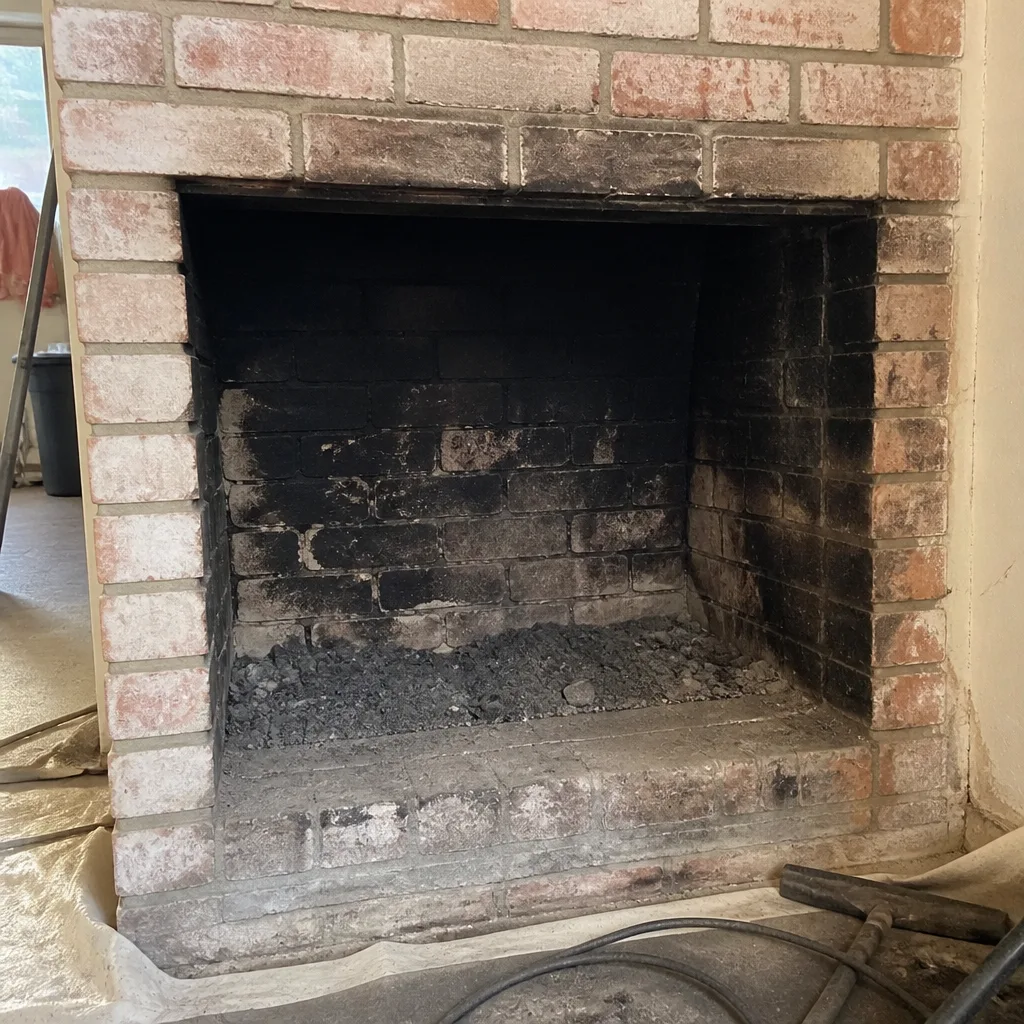 Before
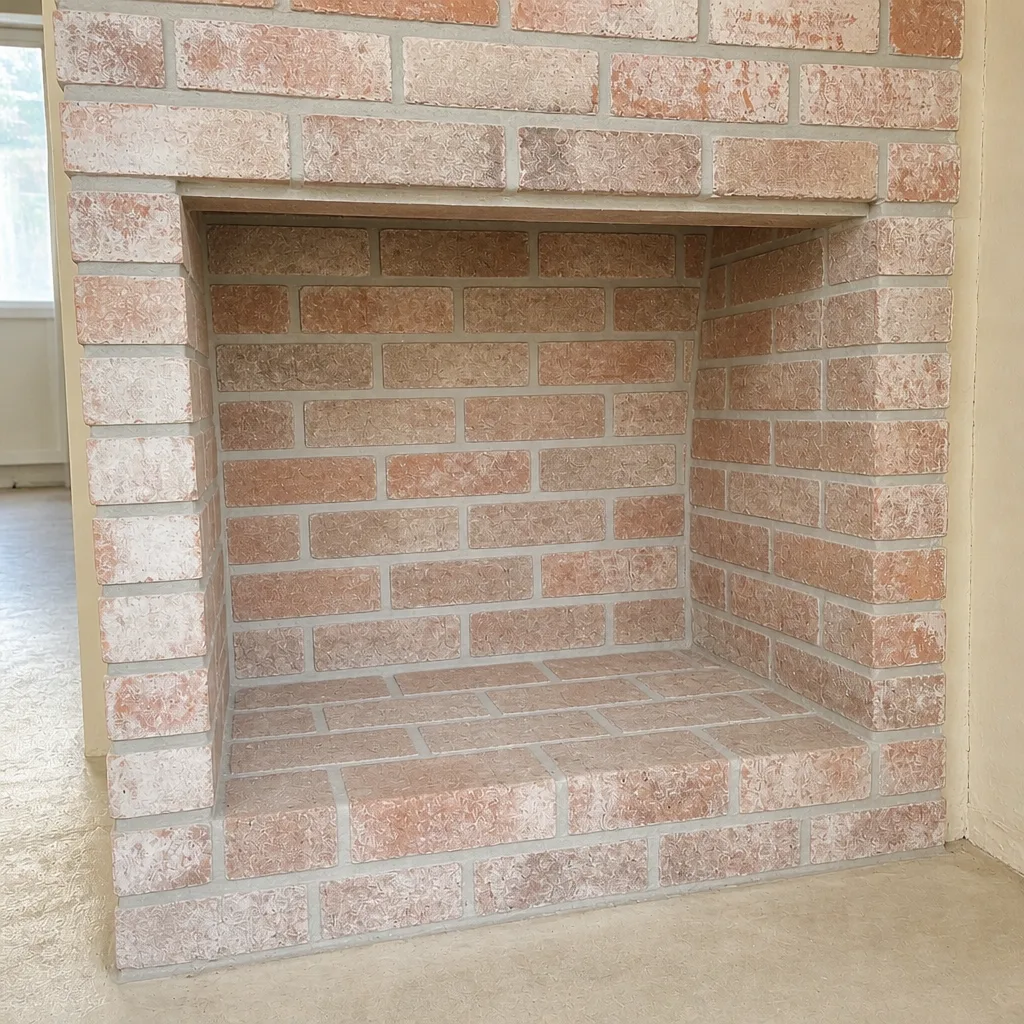 After
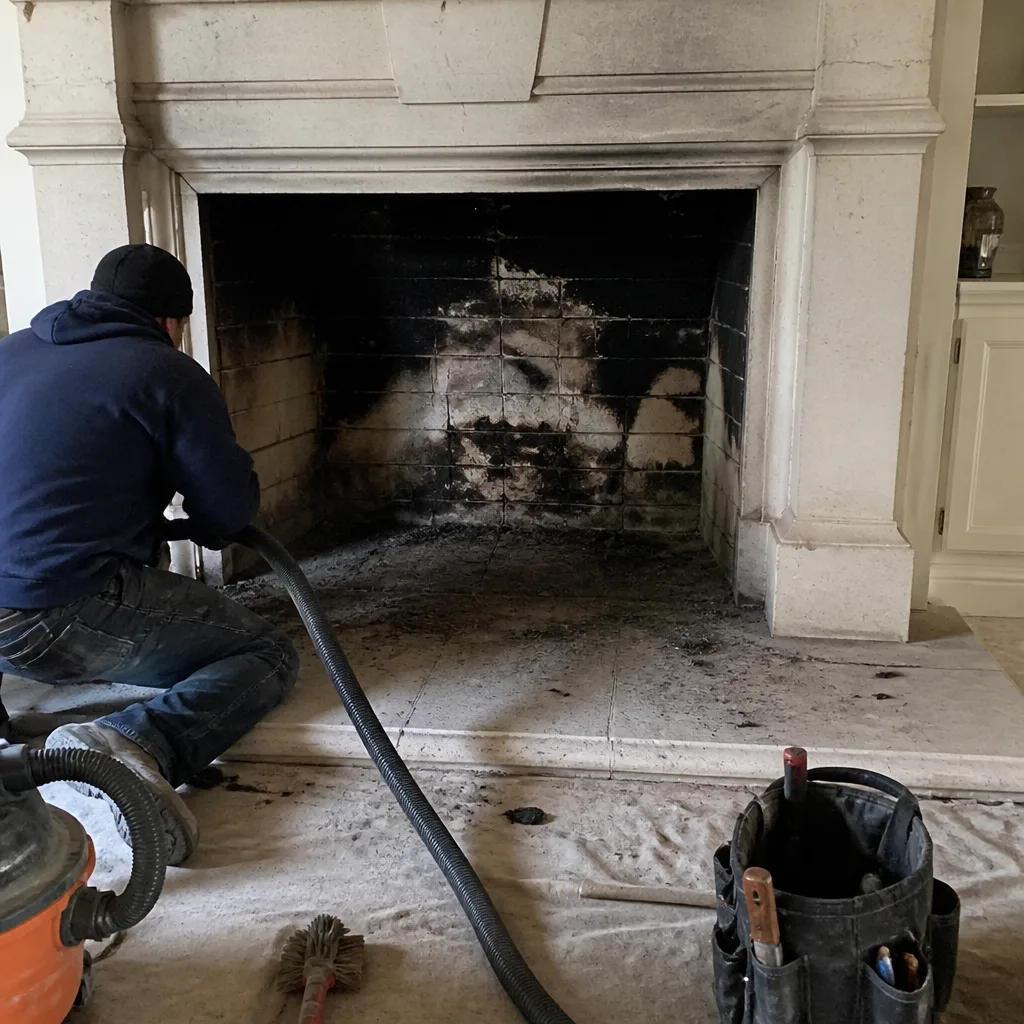 Before
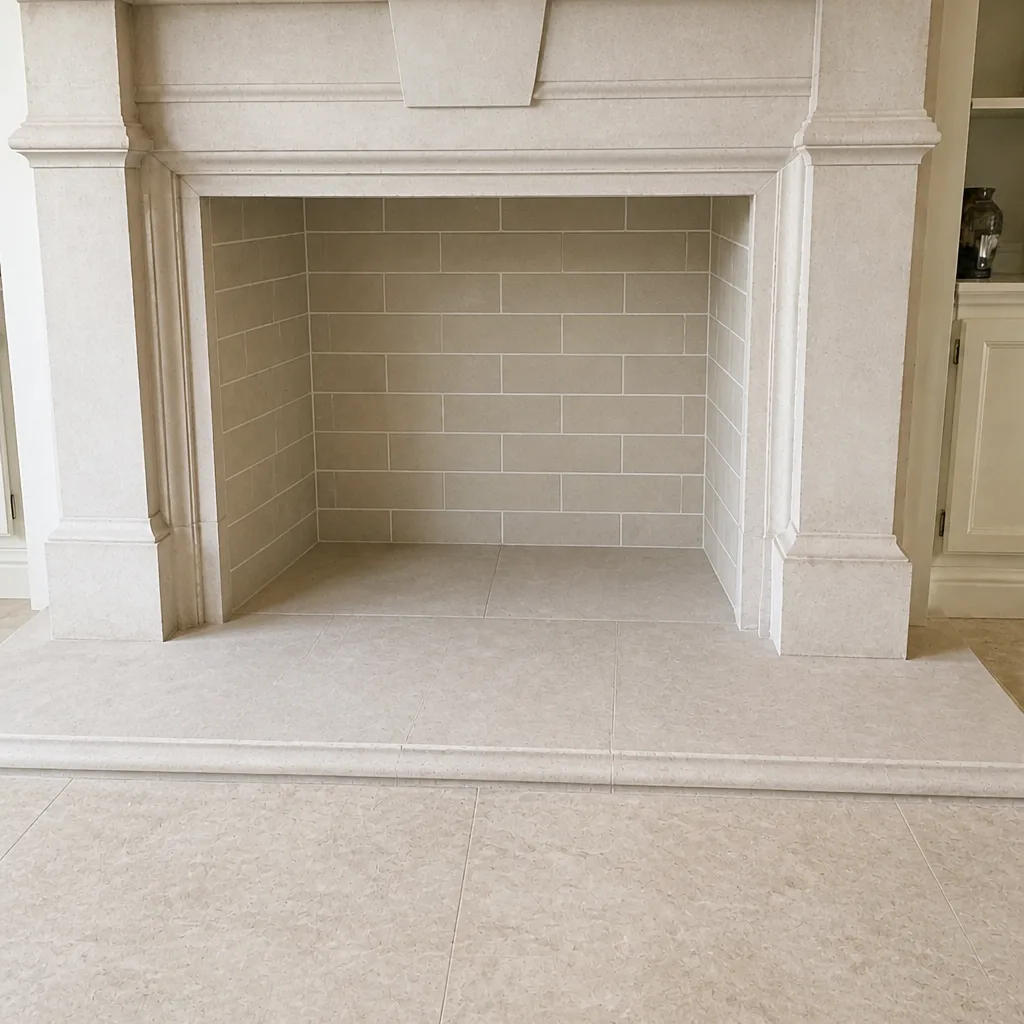 After
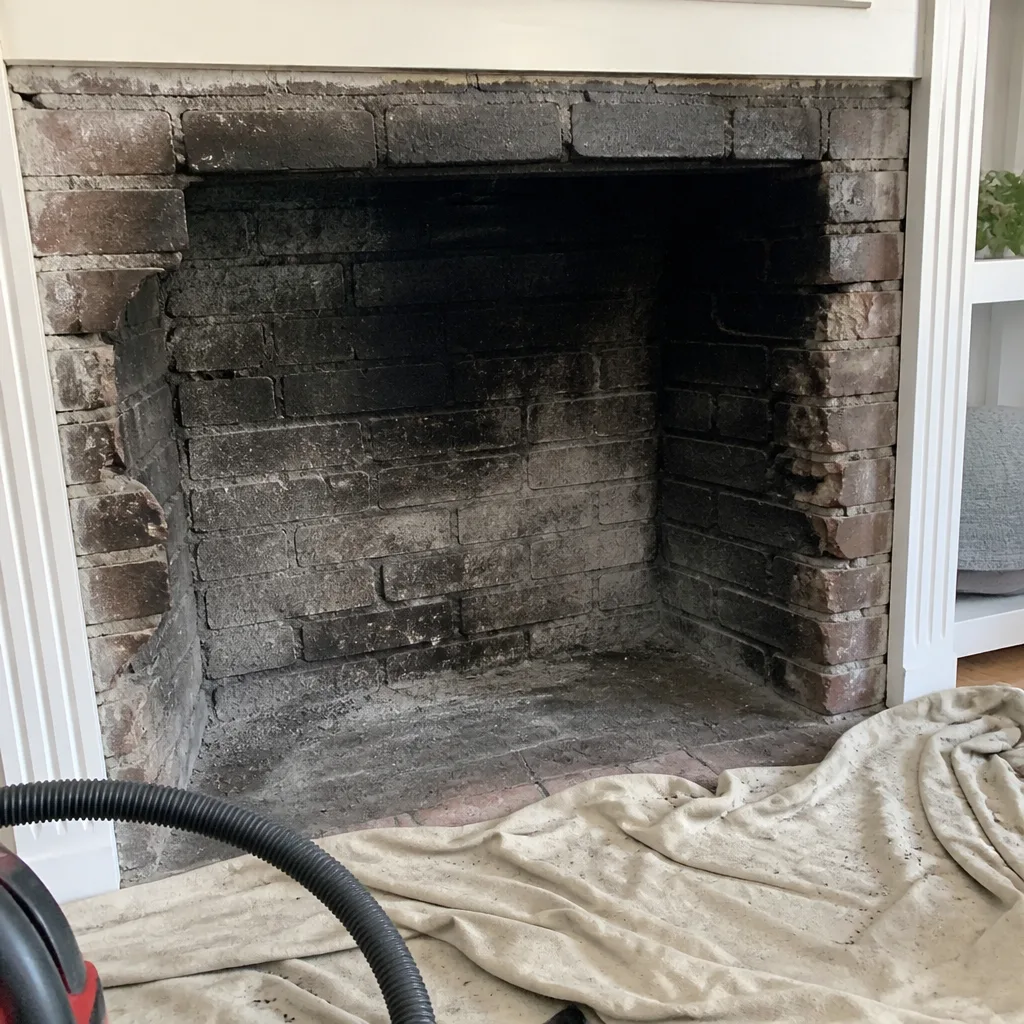 Before
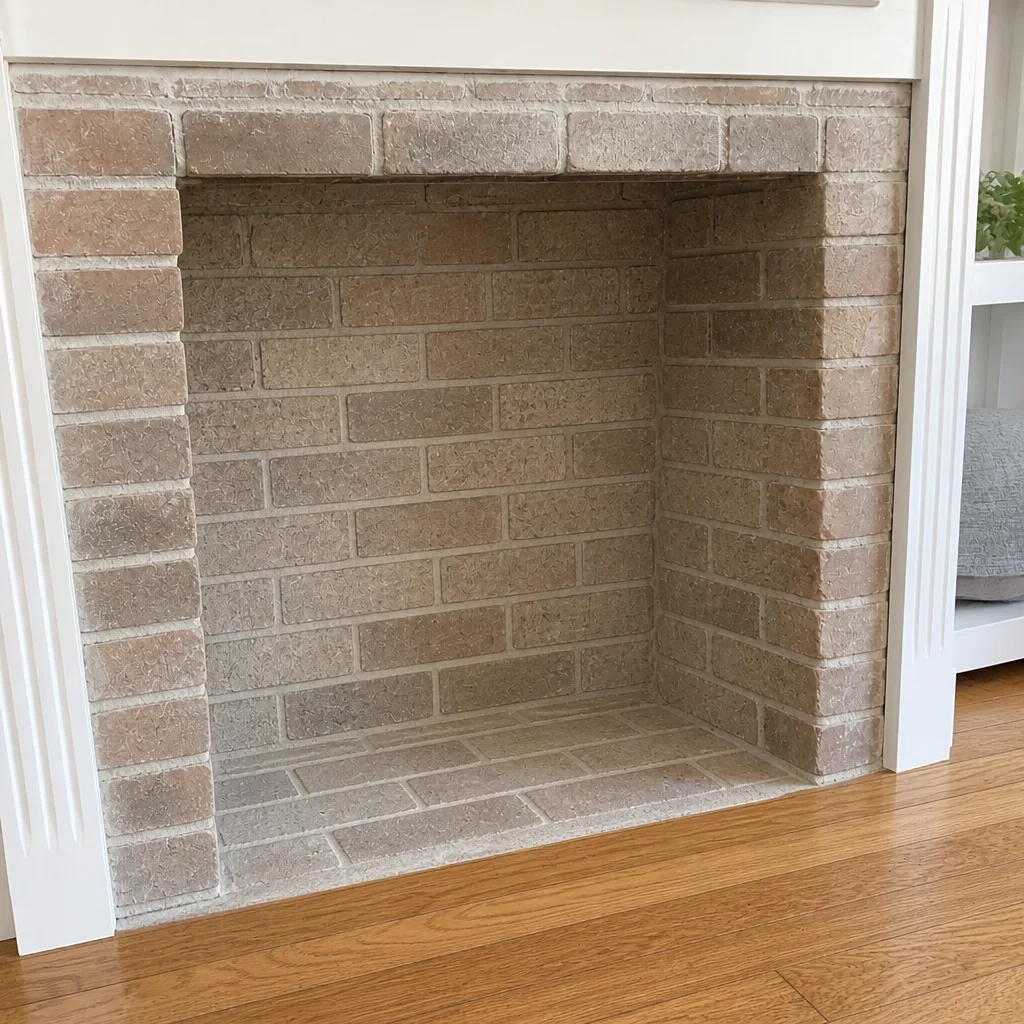 After
HeatShield Products We Service & Install in Costa Mesa
We service and install the full range of HeatShield systems used in residential chimneys: Cerfractory Flue Sealant for cast-in-place resurfacing of clay-tile flues, Air-Seal and insulated flue-resurfacing kits, and the thermal-insulation mix and bonding agents used on older tile liners. We also use HeatShield’s prep tools, foam wipers and flue-sizing gauges as part of the cast-in-place installation process.
Which system fits your Costa Mesa chimney depends on flue dimensions, the condition of the existing clay tile, and whether the crown and joints need repair first. That’s why the inspection comes before the recommendation. We don’t claim to stock HeatShield products; we source what the job requires.
We Also Service These Brands
HeatShield is one part of a broader toolkit. We also work with DuraFlex and Gelco liner and venting systems, and we service every major residential chimney system type. That range matters when your flue situation isn’t a clean fit for HeatShield, or when a repair calls for a different material approach. We’re not single-brand dependent, so the recommendation follows the chimney, not the catalog.
FAQs – HeatShield Chimney Cleaning Service in Costa Mesa
No. We are not affiliated with, authorized by, or endorsed by HeatShield. We’re an independent service provider, and our technicians are experienced with HeatShield resurfacing systems on their own merits. If you want manufacturer authorization specifically, that’s a separate relationship from what we offer. What we bring is hands-on familiarity with these coatings in Costa Mesa’s older chimneys.
Yes. We use components that fit HeatShield systems properly: Cerfractory sealant, specified insulation mixes and bonding agents, and prep tools and wipers matched to flue diameters. We don’t claim to use OEM or genuine HeatShield parts, and we’re not a dealer. We source quality components built for the application and install them to spec.
Most single-flue resurfacing jobs run a full day, more if significant joint rebuilding or crown repair is needed first. The inspection and diagnosis happen on an earlier visit so the prep work can be planned properly. Timing depends on your chimney’s condition, not a fixed schedule.
We cover the Cerfractory Flue Sealant used in cast-in-place resurfacing, Air-Seal and insulated flue-resurfacing kits, and the thermal-insulation mix and bonding agents for older tile liners. Prep tools, foam wipers and flue-sizing gauges are part of the installation process. If your flue has a HeatShield coating already, we service and diagnose it.
Properly documented service shouldn’t void a HeatShield warranty, but improper application will. Most warranty issues trace back to prep shortcuts or out-of-spec application. We photograph the flue interior and document each step so there’s a clear record of what was done. Call (855) 550-7756 for an exact quote – estimates are free.
Yes. A Level 2 inspection is required before any resurfacing, because the coating’s performance depends entirely on what’s underneath. We measure flue dimensions, check for spalling and voids, and inspect the crown and tile joints before recommending the job.
Usually not. The Cerfractory system is designed to resurface existing clay tile. A flue with no liner at all calls for a different approach, often a stainless liner system like DuraFlex. We’ll tell you honestly which one your chimney needs.
Applied correctly and protected by a cap and sound crown, cast-in-place resurfacing holds up well. Without a cap, Costa Mesa’s marine moisture works against it and can shorten the coating’s life considerably. The cap and crown aren’t cosmetic; they’re what keep the coating intact.
Sometimes, but not always, and that’s the honest answer. A smoking fireplace often stems from flue sizing or crown and joint issues that a coating won’t solve alone. The inspection tells us what’s actually causing the smoke before we recommend any coating work.
No. Creosote removal comes first; a coating applied over creosote won’t bond and will fail. Proper prep means a clean flue before any cast-in-place application.
Cost depends on the flue’s condition and how much prep is needed. A standard cleaning and Level 2 inspection sits well below a full cast-in-place resurfacing job, which involves joint repair, crown work, and coating installation. We diagnose before we quote, so the number reflects what your chimney actually needs. Call (855) 550-7756 for an exact quote – estimates are free.
Book Your HeatShield Service in Costa Mesa, CA
If you’re in Costa Mesa and want HeatShield resurfacing done right the first time, call us for a free estimate. We diagnose before we quote, document what we find, and use professional-grade HeatShield components built for the job. Call (855) 550-7756. We answer 24/7. Fast dispatch from 7am to 7pm, Sunday through Friday.
Written by the team at Costa Mesa Chimney Sweep Co.