
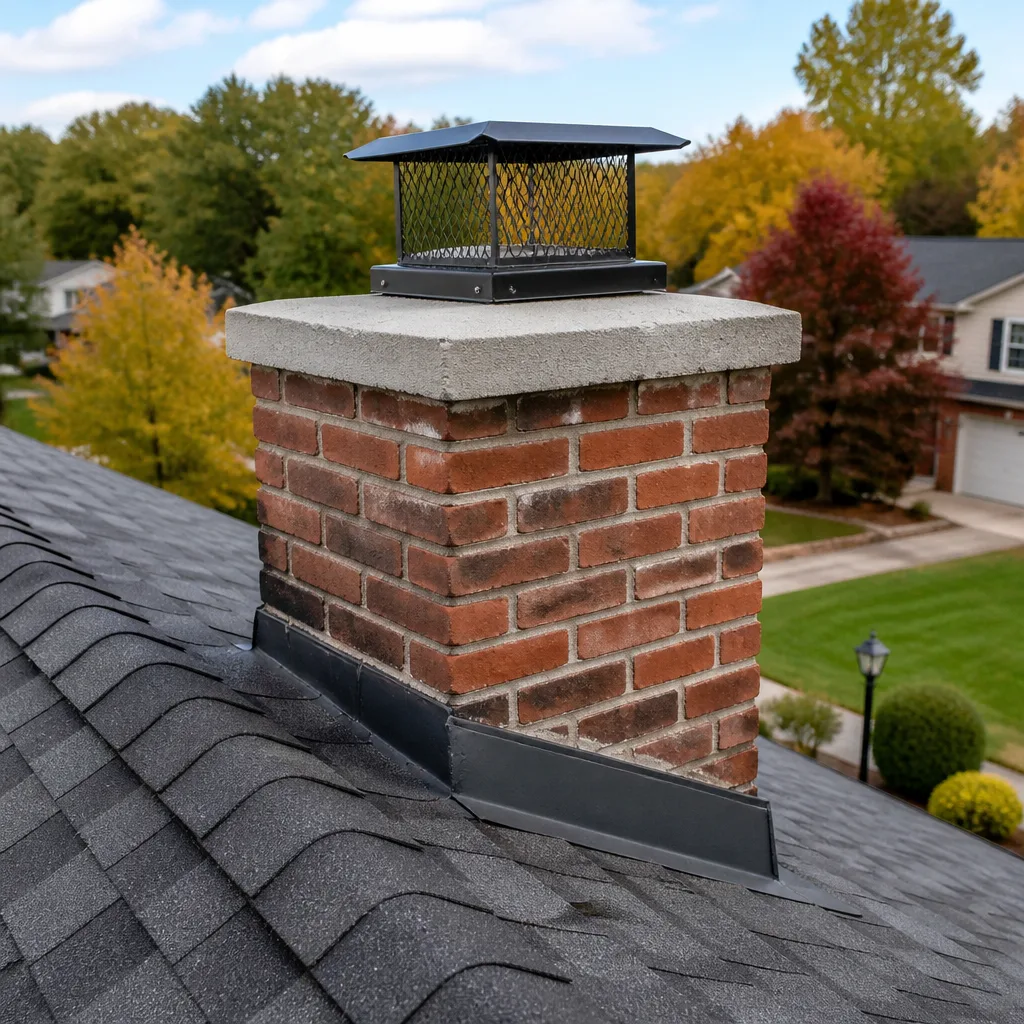
 Sweep & inspection
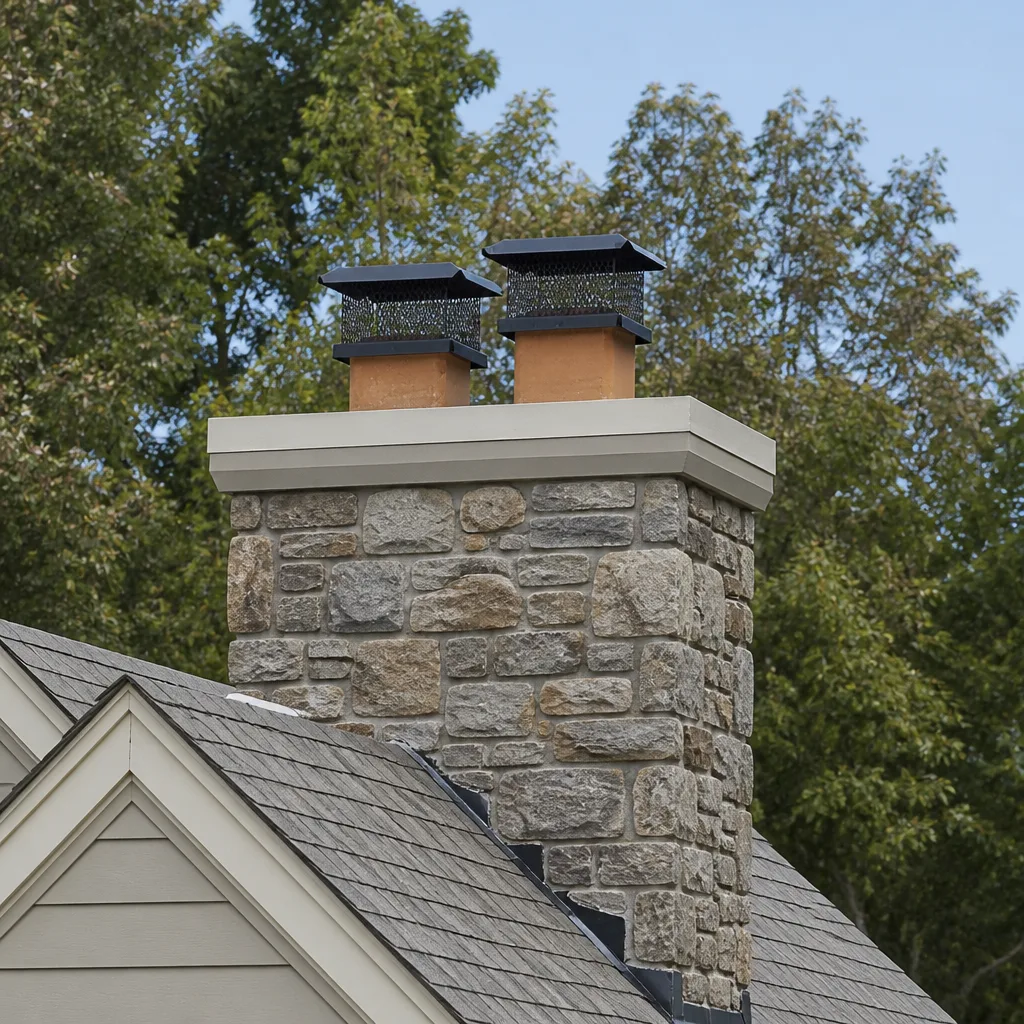 Caps & crowns
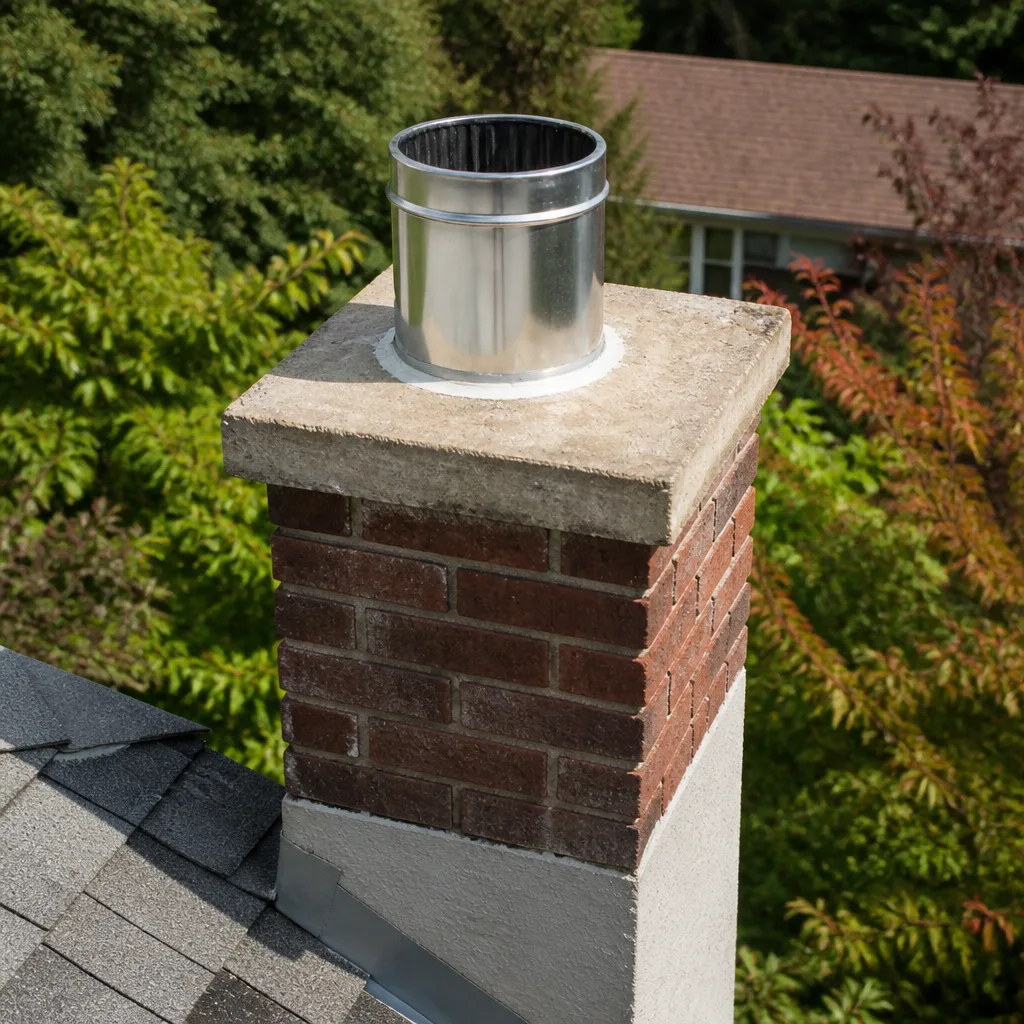 Flue relining
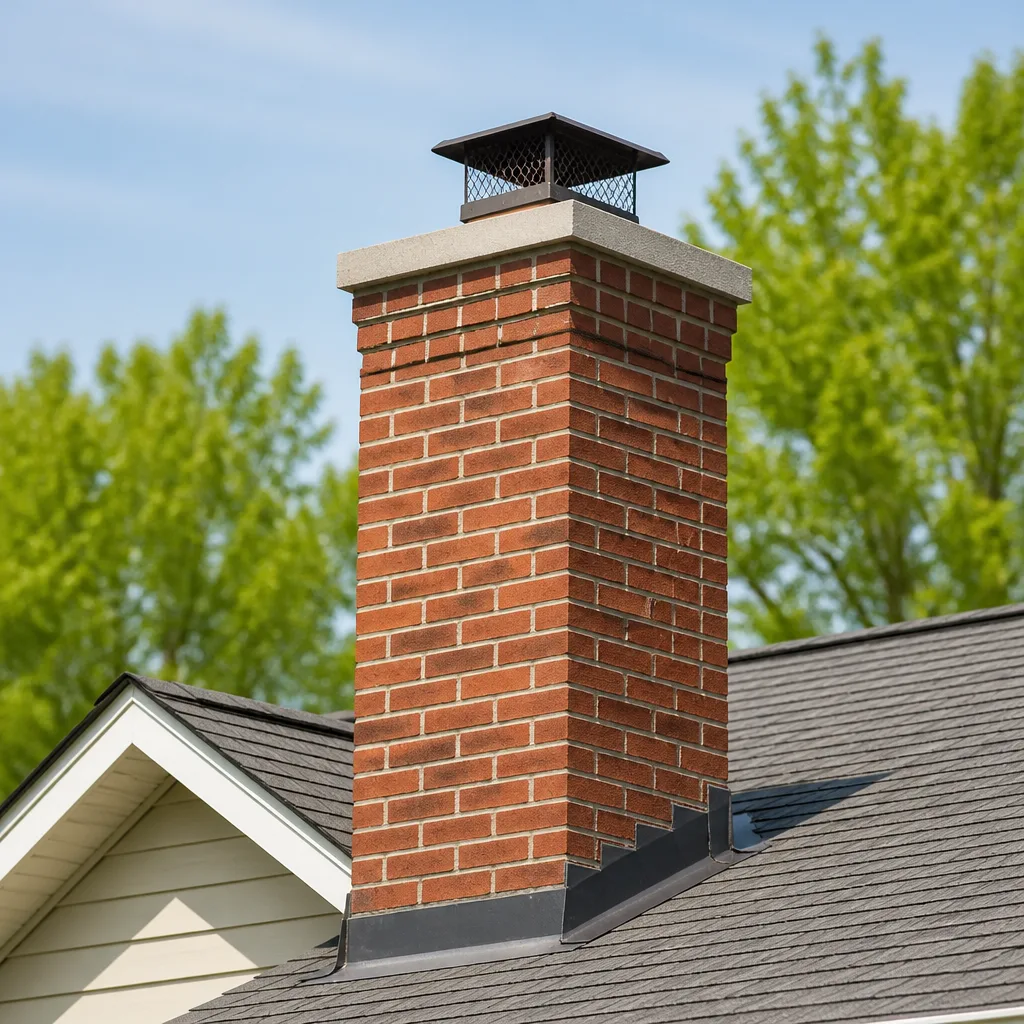 Masonry repair
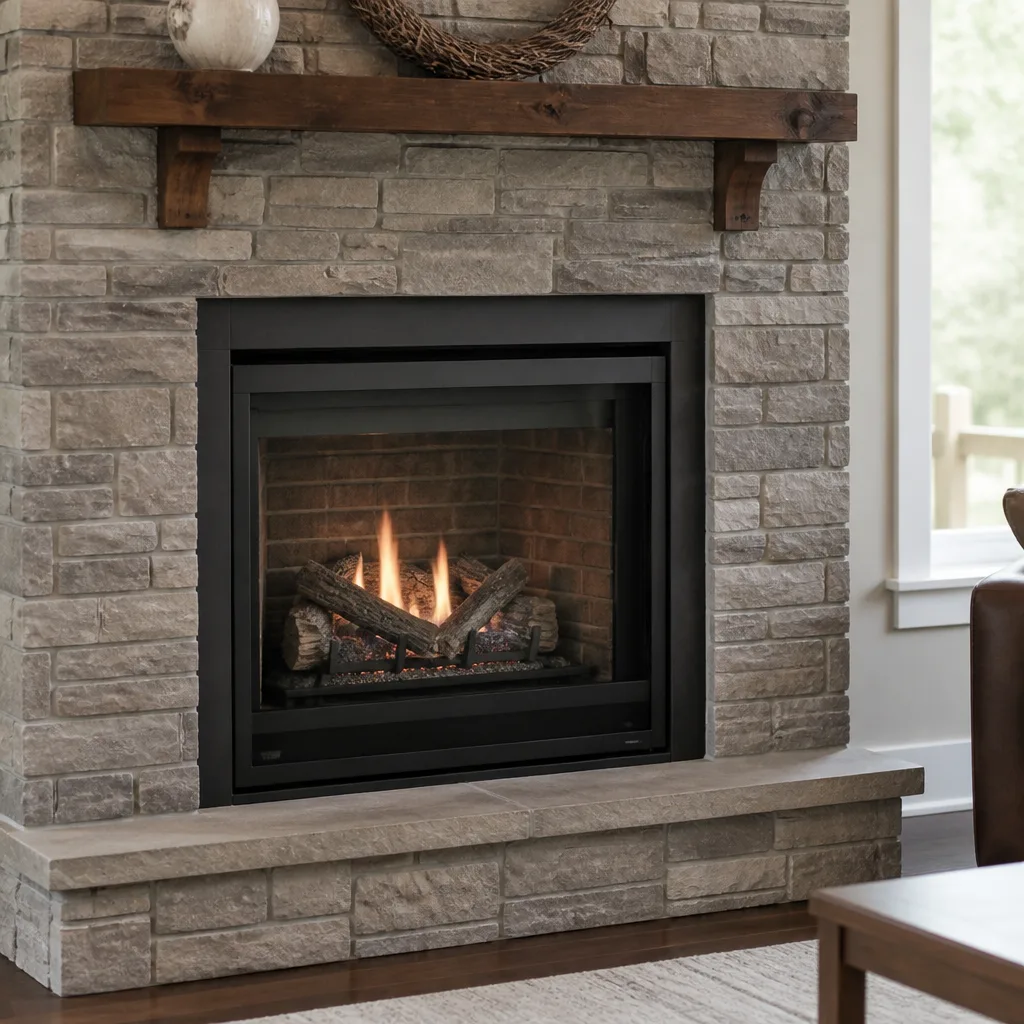 Gas fireplace service
Level 1 sweep and inspection to the NFPA 211 annual standard - flue, crown, cap, and flashing checked and photographed
Chimney sweep logs do not sweep chimneys. They loosen some creosote - which then falls where a brush and vacuum still have to collect it.
Trusted Chimney Inspection for Costa Mesa Homeowners
A chimney inspection in Costa Mesa is a visual and, when needed, camera-based evaluation of your flue, firebox, damper, cap, crown, and connected venting, and it usually takes 45 minutes to 90 minutes depending on the level. It’s the starting point for every safe fire, and it’s the only way to know whether your fireplace is ready for the season or quietly working against you. If you’ve noticed a smoky fire, a smell that lingers after the fire is out, or a stain on the ceiling near the chimney chase, those are reasons to look now rather than later. We answer the phone and book a real technician, not a dispatcher reading a script.
Our technicians have up to 10 years of experience and handle nothing but chimneys. That single-trade focus matters more than it sounds: a chimney is a safety system with a firebox, a flue, joints, a crown, and a cap that all have to work together, and a generalist with a brush on a van rarely sees the whole picture. We diagnose before we quote, and we show you what we find. Call (855) 550-7756. We answer 24/7. Fast dispatch from 7am to 7pm, Sunday through Friday.
This page covers each level of inspection we perform in Costa Mesa, what each one is for, what it costs, and the signs that mean it’s time. If you’re looking for the broader picture of our services in the city, start at Costa Mesa Chimney Sweep Co and work through the pages from there.
What Our Chimney Inspection Service Includes
Not every inspection is the same, and the difference isn’t a formality. The National Fire Protection Association splits chimney inspections into three levels, and each one has a specific job. We don’t upsell levels; we perform the one your situation calls for, explain why, and document what we saw.
Level 1 Inspection
A Level 1 inspection is a visual check of all readily accessible parts of your chimney and venting system: the firebox, damper, flue interior (as far as the eye can see from the opening), cap, crown, flashing, and exterior masonry. It’s the right inspection when your appliance hasn’t changed, you haven’t had a chimney fire or a major event, and you’re keeping up with annual maintenance. In Costa Mesa, where many fireplaces are used more in the mild winter months and then sit untouched the rest of the year, a yearly Level 1 keeps you ahead of the small issues that turn into liner damage and water intrusion. We perform it, photograph what we find, and tell you plainly whether anything needs attention.
Level 2 Inspection
A Level 2 inspection goes beyond the visual with a video camera run down the flue, and it covers attics, crawl spaces, and other accessible areas that a Level 1 doesn’t reach. You need a Level 2 when you’ve changed an appliance, switched fuels, had a chimney fire, experienced a structural event (even a chimney fire you didn’t witness can damage a liner), or are buying or selling a home. It’s also the standard for any chimney that’s had relining or repair work, so we can verify the repair. In Costa Mesa we run the camera, review the footage with you on the spot, and save it to your report so you’re not relying on someone else’s description of what’s inside your chimney.
Level 3 Inspection
A Level 3 inspection is the deep one, performed when a Level 1 or Level 2 has raised a concern that can’t be resolved without opening the system up. That might mean removing a section of chimney chase, opening a wall, or disturbing concealed construction to look at hidden components directly. It’s uncommon, and we only recommend it when the evidence genuinely requires it. When we do, we explain exactly what will be opened, why, and what we’re looking for. If the camera doesn’t justify that level of disruption, we say so and we don’t perform it. A specialist earns trust by knowing when *not* to recommend work.
Camera Inspection
A camera inspection uses a calibrated camera on a flexible rod to see the full interior length of the flue, including joints, offsets, and areas the eye can’t reach from the firebox. It’s the tool that finds hairline cracks in clay tiles, gaps at flue collars, separated liner sections, and the creosote glaze that a brush alone doesn’t fully remove. For Costa Mesa homes with older masonry chimneys, the camera is often the difference between “looks fine” and “there’s a gap behind tile three that just let flue gas into the framing.” We run it, show you the feed, and include still frames in the report before you approve any repair.
Flue Inspection
A flue inspection focuses specifically on the flue itself: its size, its condition, its draft, and whether it’s correctly matched to the appliance it serves. A flue that’s too large for the fireplace, or one that’s partially blocked or glazed with creosote, produces a smoky fire, poor draft, and higher carbon monoxide risk. We check it directly, not by inference from the firebox, and confirm the flue is clear and appropriate for how the chimney is used. In a city with a lot of older homes, mismatched flues are more common than you’d expect, and catching one early saves you money and aggravation.
Real Estate Inspection
A real estate inspection is our Level 2 service framed for a property transaction: thorough, documented, and delivered as a written report a buyer, seller, or agent can actually act on. It covers everything a Level 2 covers, includes dated photos and camera footage, and states clearly what’s in serviceable condition and what needs repair before transfer. It’s not a negotiating tactic in either direction. It’s a factual record, and it protects the buyer and the seller. We deliver the report quickly so a closing timeline isn’t held up by paperwork.
Styles & brands we work with
- Sweep & inspection
- Caps & crowns
- Flue relining
- Masonry repair
- Gas fireplace service
Brands We Service for Chimney Inspection
We work with professional-grade brands, and that shows up in what we recommend and how we install it. Gelco chimney caps and components are built to seal the top of the chimney against rain and animal intrusion; when we inspect a chimney that’s wearing a cheap cap or none at all, the difference is visible in the crown edges and the top of the flue. Olympia Chimney builds liners, caps, and related products we install and inspect, and knowing how those systems are designed helps us spot a bad installation as quickly as a worn one. Famco and Copperfield round out the professional-grade products we work with, so a repair recommendation is based on what will actually hold up in the field, not on what’s on the shelf.
Our inspection work benefits from that brand knowledge in a specific way: when we’re looking inside a flue, we’re not just looking for problems, we’re looking at the system that was installed and whether it was the right system for the appliance. We don’t claim to be an authorized dealer or to stock parts, and we don’t need to. Whether you have a Gelco cap, an Olympia liner, or something else entirely, whether you have a Famco or Copperfield component or a brand we haven’t mentioned, we can help. The inspection tells us what’s there, and our job is to tell you honestly whether it’s safe.
Signs You Need Chimney Inspection Right Now
Some of these are urgent, some are just a nudge to book an inspection before the season. Either way, they’re the signs worth taking seriously.
- Smoke rolls into the room when you light a fire. A fireplace that used to draw well and now doesn’t is a draft problem, and poor draft is often a blocked or damaged flue. It’s also a sign that combustion gases aren’t leaving the house the way they should.
- You smell a strong creosote odor when it’s not burning. Strong, tar-like smells on a warm day mean creosote buildup in the flue. Creosote is the fuel in most chimney fires, and a heavy glaze is worth checking before the next burn.
- A chimney fire of any size has happened. Even a small, contained chimney fire can crack clay tiles or damage a liner in ways you can’t see from the hearth. After any chimney fire, a Level 2 inspection with a camera is the standard, and it’s what we’d do in our own homes.
- White staining or efflorescence on the chimney exterior. White chalky stains usually mean water is getting into the masonry and drying back out. Left alone, that moisture can crack the crown and damage the flue over time.
- You’ve bought the home or changed the fireplace or stove. A change in appliance or fuel, or a new-to-you house, means the existing chimney needs a full Level 2 look before you rely on it. You wouldn’t skip a home inspection for the foundation, so don’t skip the chimney.
Our Chimney Inspection Process – Step by Step
We keep the process consistent so you know exactly what to expect from the moment we arrive.
- 1
We start with a conversation, not a brush. We ask how you use the fireplace, what you’ve noticed, whether there’s been a chimney fire, and when it was last inspected or swept. That context tells us which level of inspection your chimney actually needs. Then we get to work.
- 2
Exterior and accessible-area check first. We look at the cap, crown, flashing, and masonry from the outside, and check the accessible areas inside the chase or attic where the flue passes through. Most serious water and structural issues announce themselves here before they show up elsewhere.
- 3
Camera run of the flue. For a Level 2 inspection (and often as part of a thorough Level 1 follow-up), we run a camera down the flue and review the footage live with you. We point out joints, gaps, cracks, and creosote condition as we see them. You see what we see.
- 4
Documented findings and a written report. We photograph what we find, note the condition of every component, and write it up in a report you can keep. If a repair is needed, the report states the reason and the material we’d use. Nothing gets recommended without a photo or a frame of camera footage behind it.
- 5
Honest recommendation, in plain language. We tell you what’s urgent, what can safely wait, and what you should watch. If a repair isn’t needed yet, we say so. If you’d like us to handle a repair, we’ll propose it as a written estimate before any work begins.
If your inspection leads to a cleaning, the natural next step is our chimney inspection and sweep service. Either way, we do the whole job.
See the difference
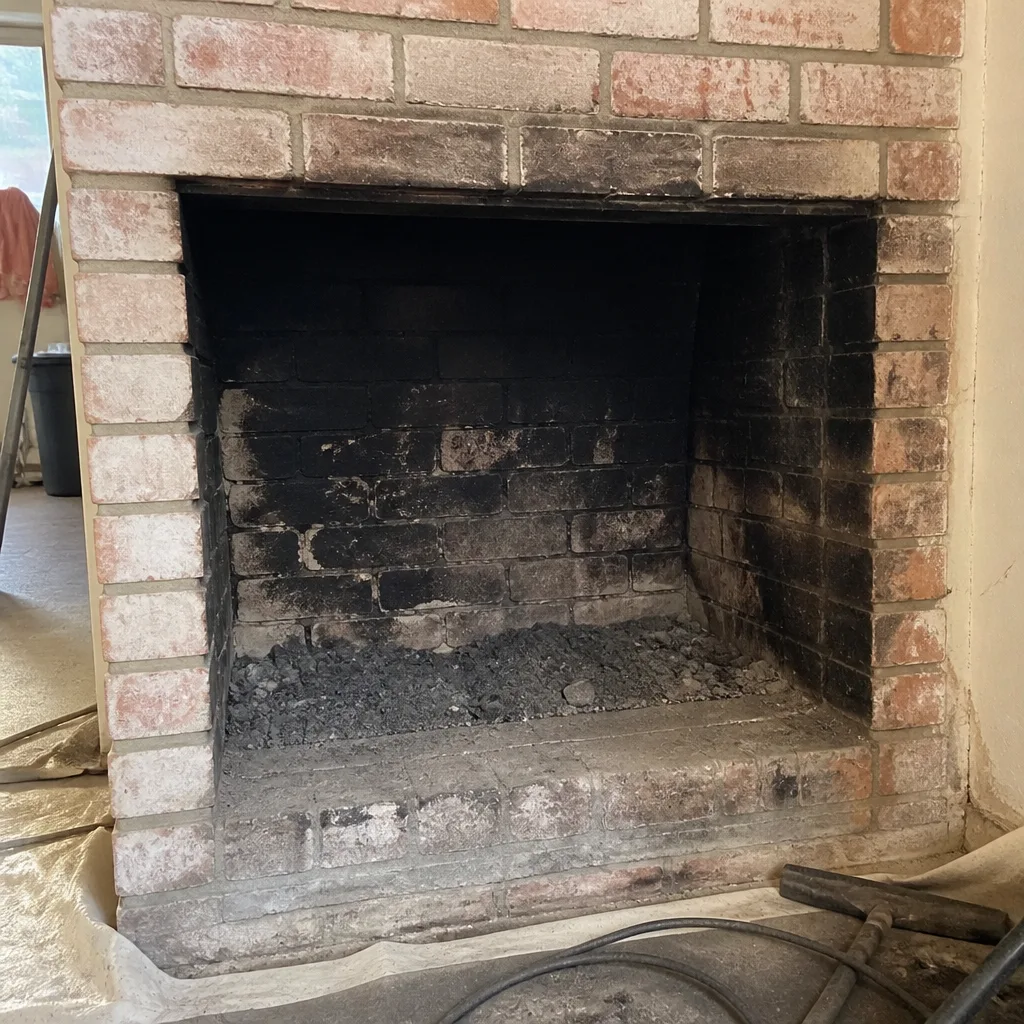 Before
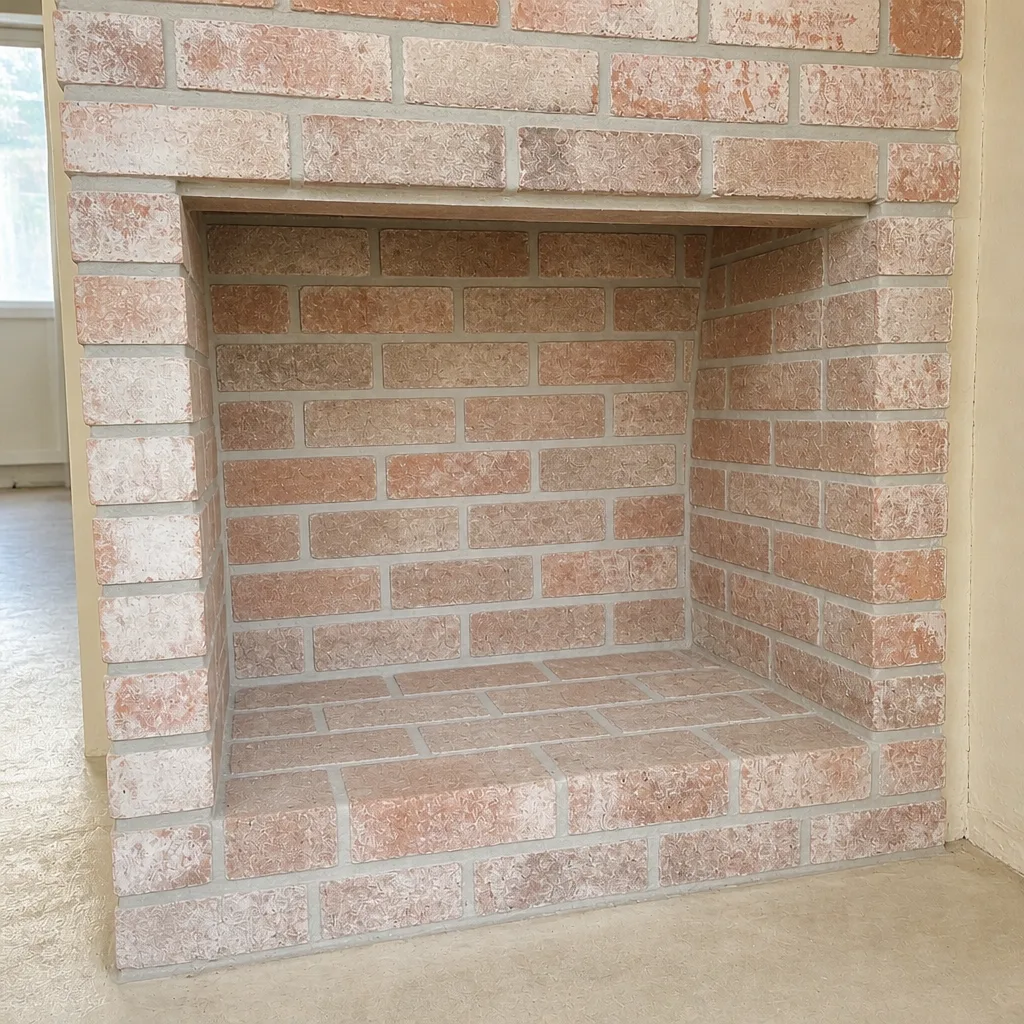 After
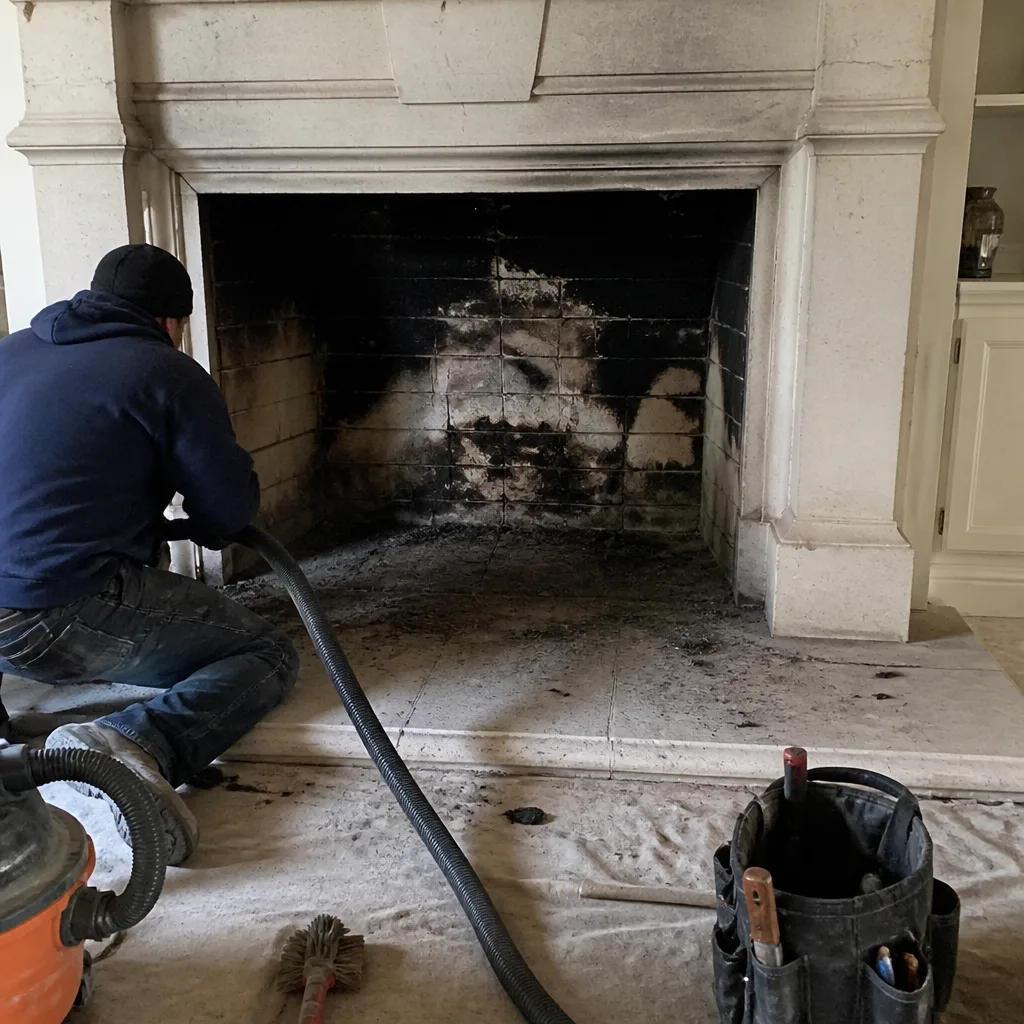 Before
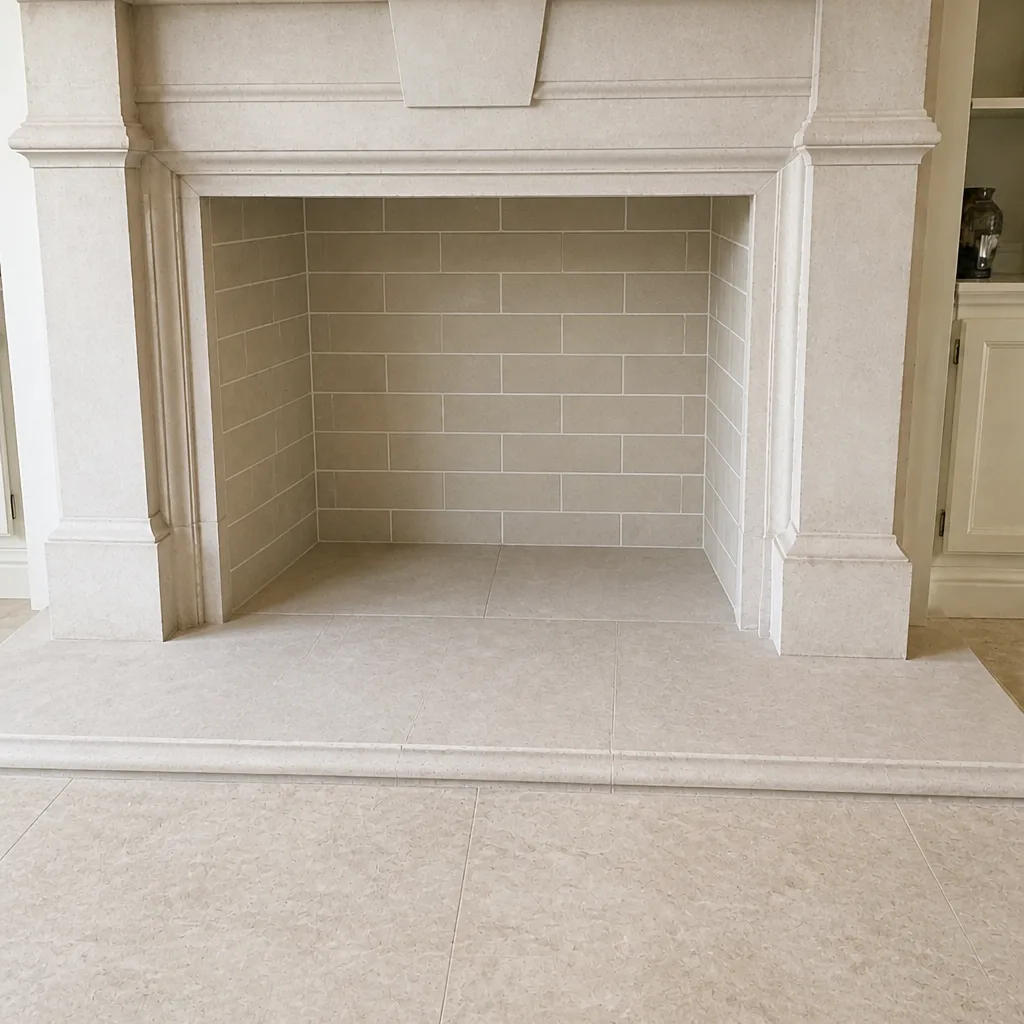 After
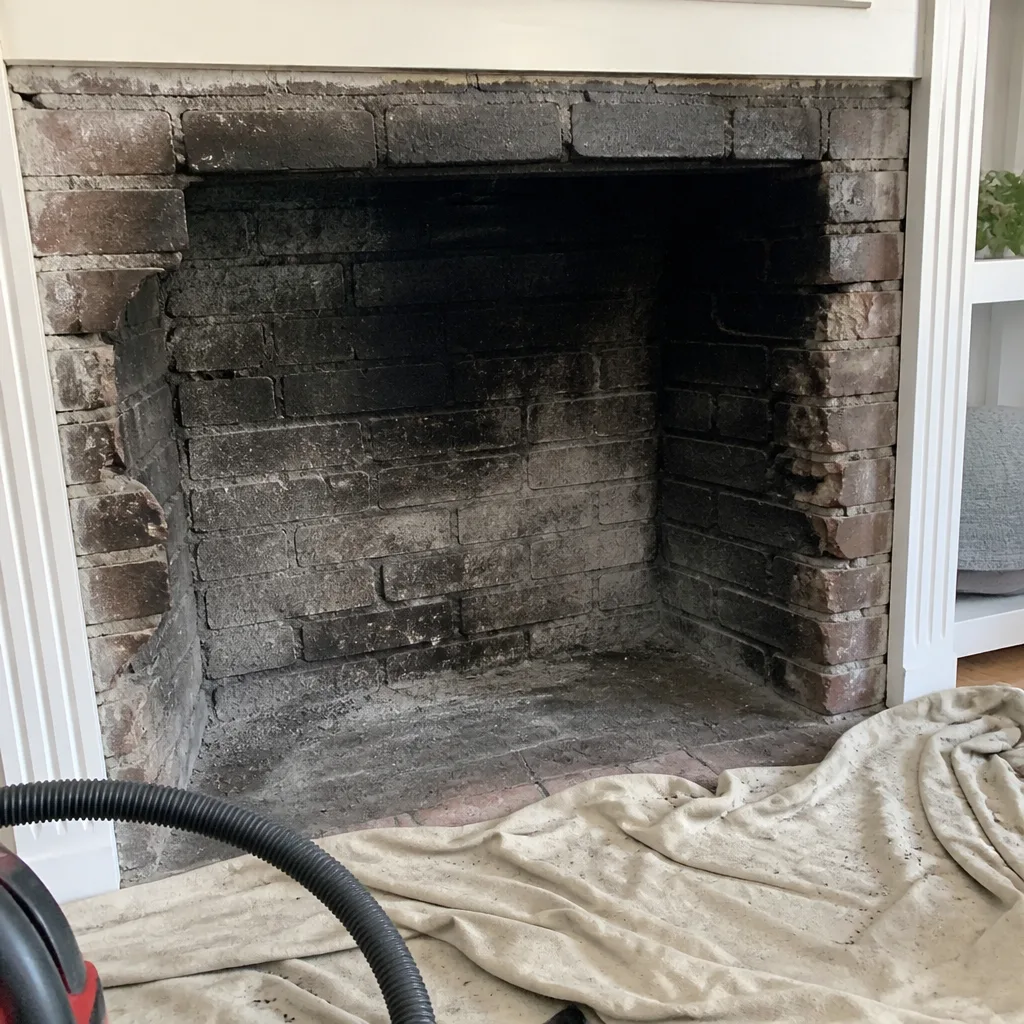 Before
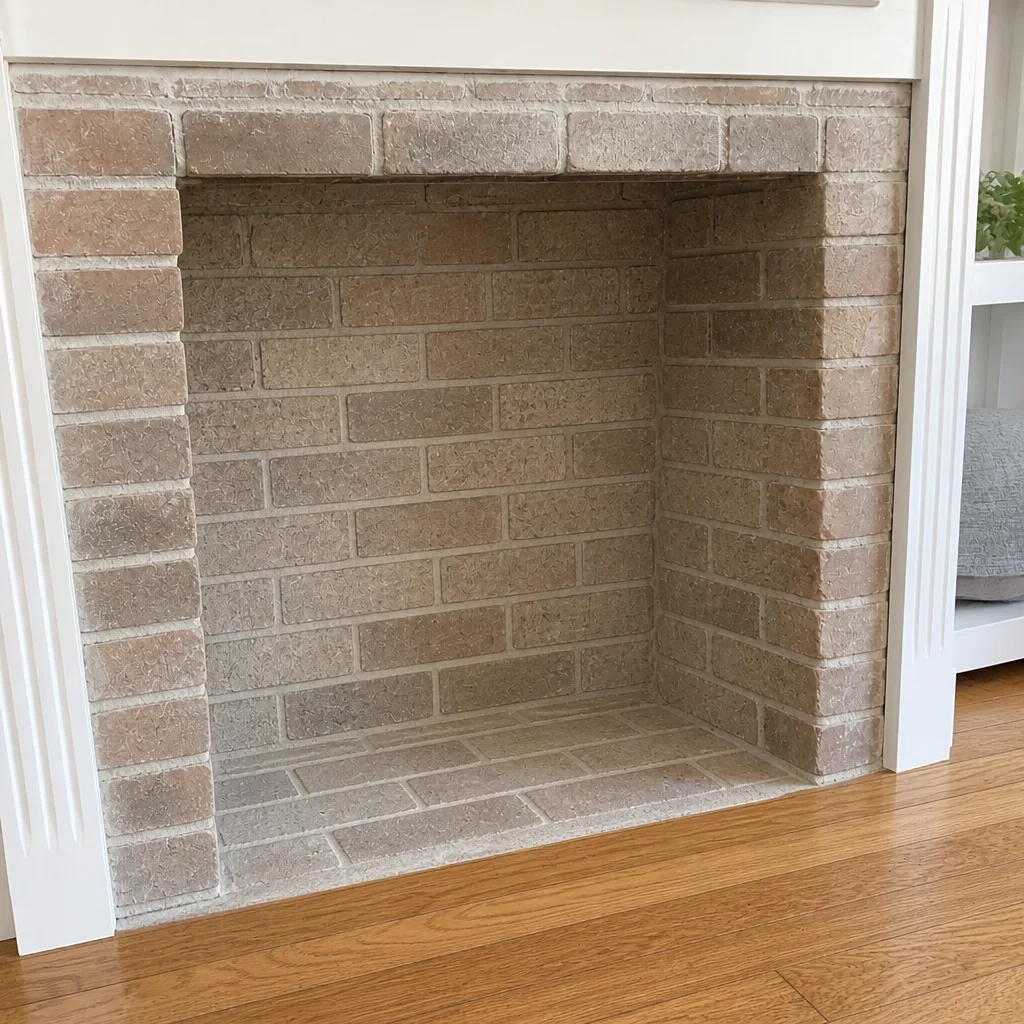 After
How Much Does Chimney Inspection Cost in Costa Mesa?
Chimney inspection in Costa Mesa typically runs $125 to $350, depending on the level and what the inspection uncovers. A basic Level 1 inspection usually falls at the low end, while a Level 2 with camera footage and a written report lands in the middle, and a Level 3 or a real estate report with full documentation sits at the top. Those are typical ranges, not a fixed price; your written estimate sets the final number, and the estimate is free.
| Inspection service | Typical range in Costa Mesa |
|---|---|
| Level 1 visual inspection | $125 – $200 |
| Level 2 with camera footage | $200 – $300 |
| Real estate report (Level 2 documented) | $250 – $350 |
| Level 3 (opening concealed areas) | Quoted per job after Level 1 or 2 findings |
| Flue-only inspection | $100 – $175 |
What moves the price: the level you need, whether the chimney is accessible, whether it’s an older masonry job with tight angles, and whether a report has to be turned around quickly for a closing. What doesn’t move the price: the time of day you call. Scheduling is a free estimate, and the written estimate always states the work and the price before we start.
The way to avoid overpaying is to know what you’re buying and insist on seeing the evidence. An inspection without a camera, on a chimney that’s had a fire or a repair, isn’t a complete inspection. An inspection that recommends thousands of dollars of liner work without showing you footage of the problem is a quote looking for a reason. We diagnose before we quote, and if the evidence isn’t there, we’ll tell you the chimney can wait. Call (855) 550-7756 for an exact quote; estimates are free.
Chimney Inspection Near Costa Mesa – Our Service Area
We serve Costa Mesa and the surrounding cities, including Fountain Valley, Newport Beach, Santa Ana, Huntington Beach, Midway City, Tustin, Westminster, Irvine, Garden Grove, Orange, and North Tustin. Scheduling is straightforward, and we’ll confirm the appointment window when you call. If you’re in a neighboring city and want the same service, our chimney inspection page covers it, and homeowners closer to the water can start with chimney inspection for that service area.
Serving Costa Mesa, CA – Our Local Coverage Area
We serve Costa Mesa and nearby communities. Use the map below to see the area we cover. If you’re nearby, we can almost certainly help.
Frequently Asked Questions – Chimney Inspection in Costa Mesa
A chimney inspection is an evaluation of your chimney’s interior and exterior components to confirm they’re safe and in working order. It covers the flue, firebox, damper, cap, crown, and flashing, and it’s how you find damage or creosote buildup before it becomes a fire or carbon monoxide hazard. We perform all three levels (Level 1, Level 2, and Level 3), plus flue-only and real estate inspections, and we document what we find. Call (855) 550-7756 for a free estimate.
A chimney inspection usually takes 45 minutes to 90 minutes, depending on the level and how accessible the chimney is. A Level 1 is typically on the shorter end; a Level 2 with camera footage and report writing runs closer to the 90-minute mark. A real estate inspection may take longer if a report needs to be turned around for a closing. We’ll give you a realistic time window when we schedule.
A chimney inspection in Costa Mesa typically costs between $125 and $350, with a Level 1 at the low end and a documented Level 2 or real estate report at the high end. The level you need, the chimney’s condition, and the report requirements are the main factors. Estimates are free and the written estimate sets the final price. Call (855) 550-7756 for an exact quote.
Yes, we inspect and work with Gelco caps and Olympia Chimney liner systems, along with Famco and Copperfield components and other professional-grade products. Knowing how these systems are built helps us spot a bad installation as quickly as a worn one. Whether your chimney has a Gelco cap, an Olympia liner, or something else entirely, we can help.
Same-day scheduling is often possible when you call early, and we’ll tell you what’s open. We answer 24/7 for phone calls. Fast dispatch from 7am to 7pm, Sunday through Friday. A call outside dispatch hours is booked into the next opening, Sunday through Friday, 7am to 7pm. We’re closed on Saturday, and technicians don’t go out on Saturdays.
Our inspection findings are documented and dated, and we stand behind the work we recommend and perform. If a repair or installation is done, the warranty terms are given in writing on your estimate so there’s no confusion later. We don’t promise what we can’t put in writing. Ask about the specific warranty on any recommended repair when we review your estimate.
Clear the area around the fireplace hearth, make sure we can reach the firebox and the exterior access point, and avoid lighting a fire for at least 24 hours before the appointment. If you’ve had a chimney fire or know of any appliance changes, tell us when you book so we bring the right tools. Have your previous inspection or sweep report handy if you have one. Call (855) 550-7756 to schedule.
Schedule Your Chimney Inspection Service in Costa Mesa Today
Your chimney is a safety system, and an inspection is the cheapest part of keeping it one. We diagnose before we quote, show you the evidence, and tell you when work can wait. If you’re ready for a straight answer about your chimney, call (855) 550-7756. We answer 24/7. Fast dispatch from 7am to 7pm, Sunday through Friday. No-obligation estimates are free.
Written by the team at Costa Mesa Chimney Sweep Co.