
Last updated November 25, 2026
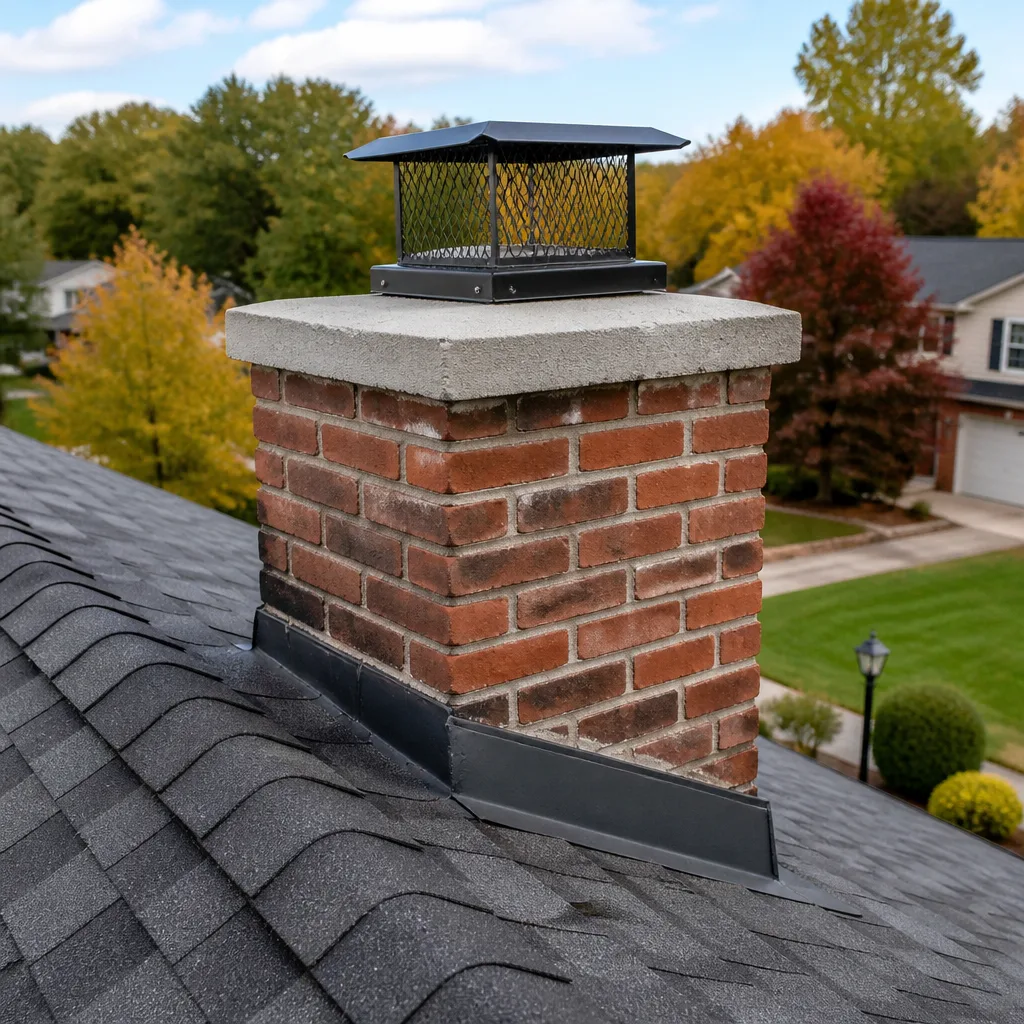 Sweep & inspection
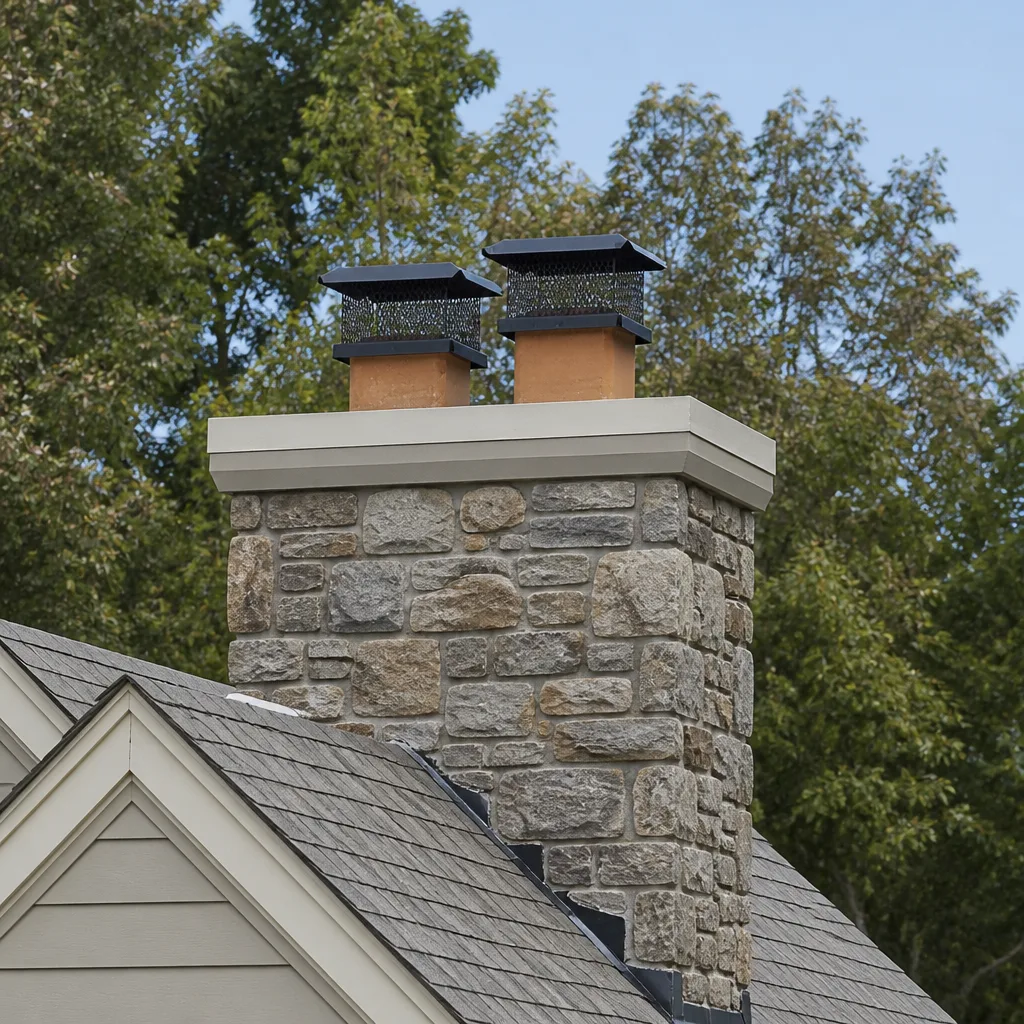 Caps & crowns
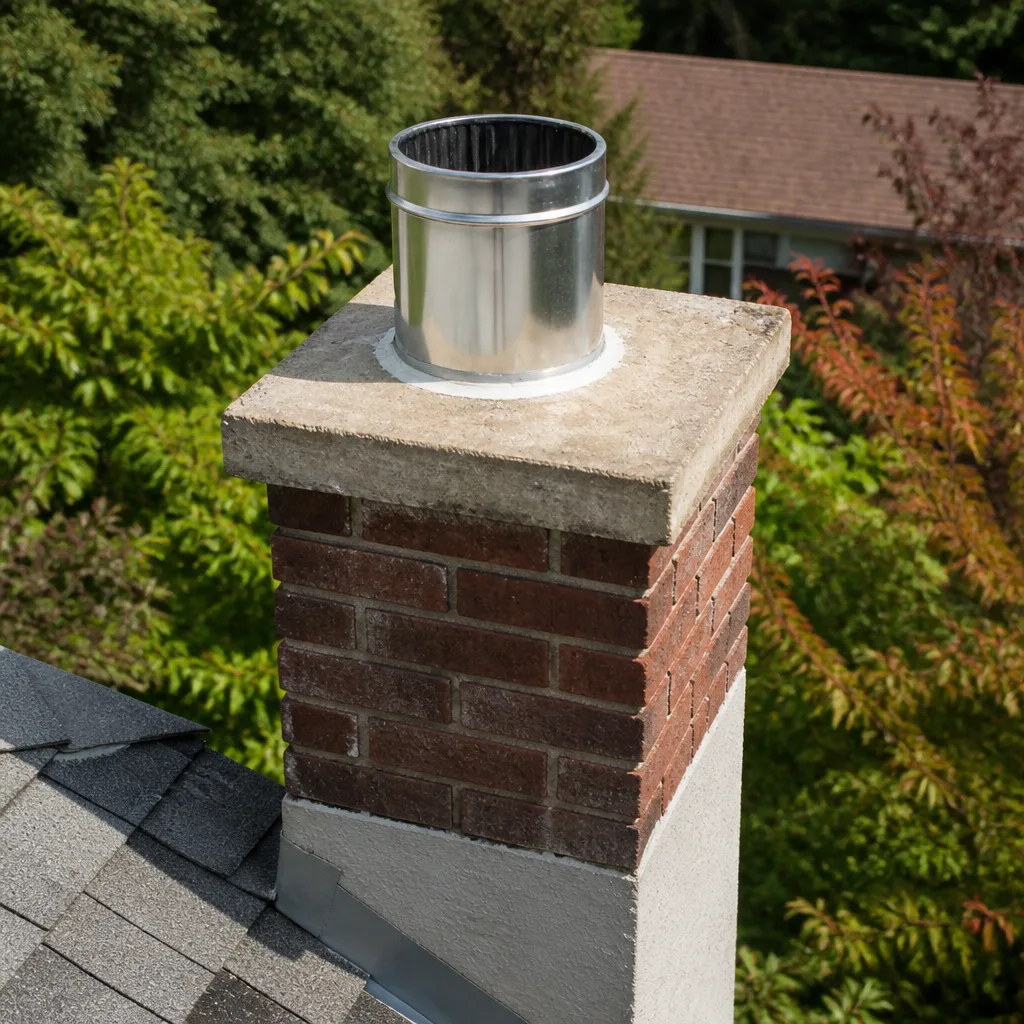 Flue relining
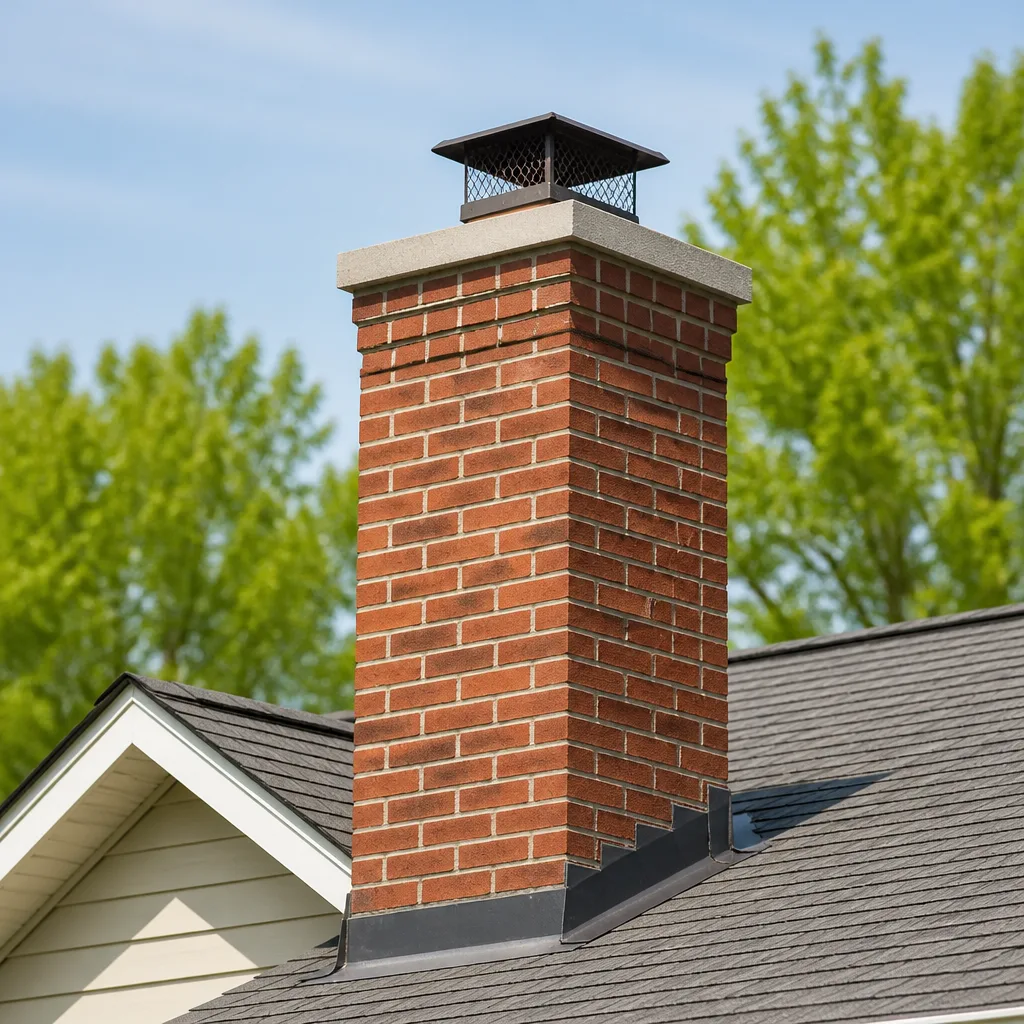 Masonry repair
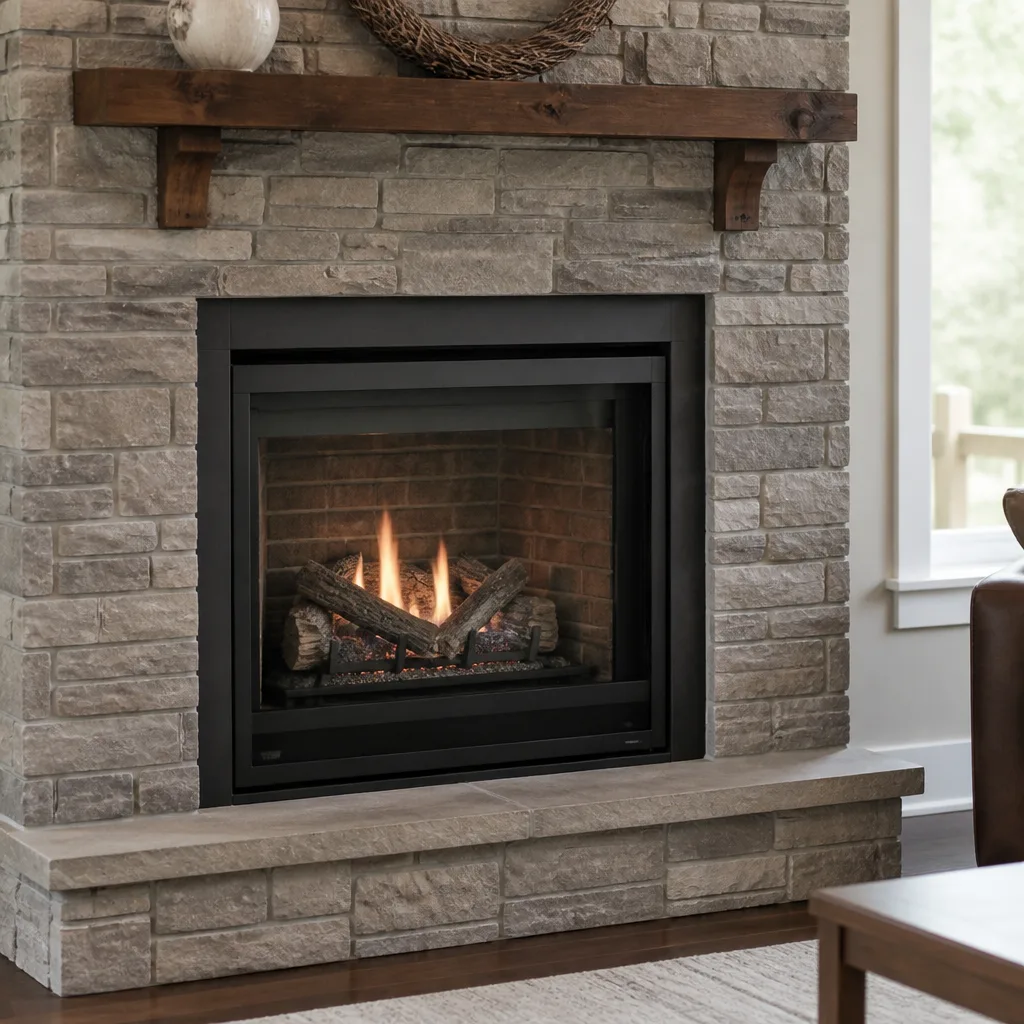 Gas fireplace service
Level 1 sweep and inspection to the NFPA 211 annual standard - flue, crown, cap, and flashing checked and photographed
Chimney sweep logs do not sweep chimneys. They loosen some creosote - which then falls where a brush and vacuum still have to collect it.
DIY vs Professional Chimney Cleaning: The Costa Mesa Homeowner’s Decision Guide
You can sweep your own flue. You cannot see a hairline crack in a terra cotta tile three stories up without a camera, and that crack is where the real risk lives. That’s the part of the DIY debate most articles skip. The cleaning motion itself is learnable; the diagnostic access that has to accompany it is not, and that changes the math for almost every Costa Mesa homeowner. This guide breaks down what you can safely do yourself, what genuinely requires a trained specialist, what the equipment actually costs, and how to use DIY maintenance between professional visits without creating a false sense of safety.
Quick Answer
You can safely brush and vacuum the firebox and smoke shelf yourself, but full flue cleaning plus the camera inspection that has to go with it is a professional job. The cleaning is learnable. The inspection is not. Without a camera view of the liner, you’re cleaning blind, and cleaning blind is how small defects turn into house fires. If you want the honest version: DIY is fine for maintenance between professional sweeps, not as a replacement for them.
Key Takeaways
- Firebox brushing, smoke shelf vacuuming, and a visual cap check are DIY-safe tasks.
- Rotary flue cleaning requires equipment most homeowners don’t own and shouldn’t buy for one job.
- The inspection that must accompany a sweep is the part DIY can’t replicate.
- Gas inserts, factory-built prefab units, and older unlined masonry are the three highest-risk chimney types for DIY work.
- Professional sweeps in Costa Mesa typically run $180 – $350 for a standard cleaning, and that includes the inspection.
- Insurance claims get complicated when a homeowner has been cleaning their own chimney and a liner defect surfaces later.
Styles & brands we work with
- Sweep & inspection
- Caps & crowns
- Flue relining
- Masonry repair
- Gas fireplace service
Table of Contents
- What You Can Safely Do Yourself
- What Genuinely Requires a Professional
- What Proper Equipment Actually Costs vs. a Pro Visit
- The Chimney Types Where DIY Is Highest Risk
- The Liability and Insurance Question
- Using DIY Maintenance Between Professional Visits
- How a Professional Sweep Actually Works
- Creosote, Mild Winters, and the Southern California Burning Pattern
What You Can Safely Do Yourself
The honest answer is that several chimney maintenance tasks are completely within reach for a careful homeowner with basic tools. You don’t need a license to brush soot off the firebox walls or vacuum out the smoke shelf. What you need is a shop vac rated for fine ash, a stiff-bristled brush, drop cloths, and enough patience to work slowly.
These are the tasks we tell Costa Mesa homeowners are reasonable to handle themselves:
- Firebox brushing and vacuuming. Once the firebox is completely cold, brush the soot off the walls and vacuum the floor and corners. This keeps the firebox clean between burns and reduces dust in the room.
- Smoke shelf and smoke chamber vacuuming. The smoke shelf is the flat ledge just above the damper. Ash settles there. A vacuum with a crevice tool handles it.
- Damper operation check. Open and close the damper several times. It should move freely and seal reasonably well when closed. A damper that sticks or won’t close is a professional fix, not a DIY one.
- Exterior cap visual check. From the ground with binoculars, look at the chimney cap. If the mesh is torn, the top is missing, or the cap is visibly tilted or rusted through, it’s time for a professional visit.
- Ash removal. Scooping ash out of the firebox into a metal container with a lid is safe and tidy. Leave a thin bed of ash on the firebox floor; it helps the next fire start.
- Annual photo tracking. Take a photo of your firebox floor, damper, and exterior cap each year from the same angle. Comparing photos year to year is how you spot gradual changes before they become expensive.
None of these tasks require you to go on the roof, work inside the flue, or handle any component under tension. If a task would require any of those three, it belongs in the next section. The chimney sweep we connect Costa Mesa homeowners with handles all of it, but the firebox tasks above are yours if you want them.
What Genuinely Requires a Professional
A full flue cleaning requires a rotary head on a flexible rod, a HEPA vacuum rated for fine creosote dust, drop cloths and floor protection that actually seal off the room, and a camera system that goes up the flue and records what it sees. That’s the equipment side. The training side matters just as much: recognizing a spalled terra cotta tile, spotting a cracked flue joint, judging whether a creosote deposit is stage 2 or stage 3, and knowing which defects are cosmetic versus which are structural.
These are the tasks that need a trained technician:
- Full flue cleaning with rotary equipment. The rotary head is what actually removes glazed creosote. Hand brushing a flue from the firebox up doesn’t reach it, and hand brushing from the roof down requires being on a roof safely.
- Camera inspection of the flue and smoke chamber. This is the crux of the DIY debate. Without a camera, no one can see the liner. Without seeing the liner, no one can tell you whether your chimney is safe to keep using. This is where we see the biggest gap between what homeowners think they can DIY and what they actually can.
- Liner evaluation and repair. HeatShield liner restoration and DuraFlex liner installation both require trained application and knowledge of what the local code accepts. A homeowner can’t perform these and shouldn’t try.
- Cap and crown installation. Getting on a roof, cutting or fitting a cap to the flue, and building a proper crown with a slope and overhang is roof work with real fall risk. Components from Copperfield or Olympia Chimney are sized to fit specific flue configurations, which is another reason this task belongs to a specialist.
- Damper, firebox, and smoke chamber repairs. Anything that involves masonry repair, refractory panel replacement, or damper mechanism work is out of DIY scope. This is where fireplace repair becomes a real service rather than a sweeping add-on.
- Any diagnosis of a problem you already suspect. If you’re calling a sweep because something already seems wrong (smoke rollback, a smell when the fireplace isn’t in use, visible water staining), don’t DIY the cleaning first. The evidence needs to be seen by whoever will diagnose it.
The pattern is clear. Cleaning motion: DIY-learnable. Inspection, repair, and roof work: professional. Most Costa Mesa homeowners we work with end up wanting both, done in the right order.
What Proper Equipment Actually Costs vs. a Pro Visit
Here’s where the DIY cost argument starts to break down. A rotary chimney brush head, a flexible rod set long enough to reach the top of a two-story flue, a HEPA shop vac that won’t spray fine creosote dust back into the room, drop cloths, a respirator, goggles, a chimney camera with a screen, and a ladder rated for roof access all add up. For one cleaning, the equipment line item is larger than the professional service. For an avid DIYer who plans to clean yearly for a decade, the math could eventually work out on the cleaning tools alone, but the camera system still tips it back the other way.
Here’s the rough breakdown for a standard single-flue home in Costa Mesa:
- Professional sweep with camera inspection: typically $180 – $350, depending on flue length and creosote level. Written estimate sets the final price.
- DIY rotary brush kit and rods: a reasonable starting set runs $150 – $400 depending on length and rod quality.
- HEPA-rated shop vac: $150 – $350. A standard shop vac is not a substitute; it will redistribute fine ash through the room.
- Respirator, goggles, gloves: $60 – $150 for a proper fit.
- Chimney inspection camera: $300 – $1,200 depending on quality. This is the piece most homeowners can’t justify buying.
- Roof-rated ladder or roof access: often the biggest single-item cost, and the one with the most safety risk attached.
Total one-time outlay for a genuinely complete DIY setup: somewhere in the $700 – $2,200 range. Add the fact that you’ll need to repeat the whole exercise every year, and the professional sweep looks like the better deal for most people. Add the fact that the professional sweep includes the inspection and the DIY setup doesn’t, and it’s a clear win for hiring it out. If you’re still weighing it, our page on Costa Mesa Chimney Sweep Co lays out what each service involves so you can compare line by line.
One thing worth stating plainly: a professional visit isn’t a cleaning with an inspection tacked on for free. It’s a diagnostic visit that includes a cleaning. The camera work, the photo report, and the written findings are the deliverable. The sweeping is how the inspection gets done properly.
The Chimney Types Where DIY Is Highest Risk
Not all chimneys carry the same risk profile. Three types in particular are places where DIY cleaning is not just less effective, but potentially worse than not cleaning at all, because a partial clean that misses the defect is a more confident False Safe than no clean at all.
Gas inserts and gas fireplaces
Gas appliances don’t produce creosote, so the cleaning risk is low, but the inspection risk is high. A gas insert’s venting, the firebox integrity, and the ceramic logs or media all affect combustion and carbon monoxide venting. If a vent connection has slipped, a homeowner vacuuming around the firebox won’t see it, and a gas fireplace that’s venting improperly is a carbon monoxide problem, not a creosote problem. Any gas insert work should start with a professional inspection.
Factory-built prefabricated chimneys
Prefab units have a specific clearance to combustibles built into their design, and that clearance is what makes them safe. Removing the cap to clean, knocking the top of a liner while brushing, or using the wrong brush on a stainless liner can compromise that clearance without any visible sign from outside. Prefab flues are also typically shorter runs, so the temptation to DIY is higher. That’s exactly the wrong instinct. A rotary brush used at the wrong speed or angle on a prefab liner can scratch or dent the section, and a scratched stainless liner is a hazard the homeowner will never see without a camera.
Older unlined masonry chimneys
This is the highest-risk category. An unlined masonry chimney (or one with a deteriorated clay tile liner) is a chimney where the interior surfaces are all that stand between the fire and the framing of the house. If you sweep it yourself without seeing the liner, you’re trusting a surface you’ve never looked at. Cracks in clay tile happen in the joints, along the tile body, and at the smoke chamber transition. None of them are visible from the firebox looking up. This is the specific scenario where the pro visit isn’t optional.
If any of these three describes your chimney, the answer to “DIY or professional” is already decided. A professional visit that includes a camera view of the liner is the only way to know what you’re actually working with. Our chimney repair page explains what happens when a liner defect is caught at each stage.
The Liability and Insurance Question
This is the part most DIY guides don’t touch, and it’s the reason we think it deserves its own section. If a house fire starts in a chimney the homeowner cleaned themselves, and a later investigation finds a liner defect that was present before the fire, the insurer will ask who was responsible for inspecting that liner. If the answer is “the homeowner,” the claim gets complicated.
Most homeowner policies require reasonable maintenance of the chimney system. “Reasonable” in this context means an inspection by a qualified professional at a reasonable interval. Cleaning without inspecting doesn’t meet that standard, because the whole point of the cleaning is to remove what makes the inspection possible. The insurer’s typical line of questioning runs something like:
- When was the chimney last professionally inspected?
- Who performed the cleaning and inspection prior to the incident?
- Were any defects noted, and were they addressed?
- What documentation exists of the chimney’s condition before the fire?
If the answers are “the homeowner,” “the homeowner,” “we didn’t know about them,” and “none,” the claim conversation gets difficult in a way it wouldn’t be with a professional report on file. This isn’t a scare tactic. It’s the practical reason professionals keep written documentation: the report is what answers those questions, and a homeowner who cleans without inspecting has none.
We say this to Costa Mesa homeowners candidly: this isn’t about us protecting our business, it’s about you protecting your house. If you want to do the firebox yourself, that’s fine. But have a professional view the liner and document it. That report is worth having.
Using DIY Maintenance Between Professional Visits
The productive way to be a DIYer in this context isn’t to replace the professional sweep. It’s to handle the between-visit maintenance so that the professional visit is more effective and less frequent. Here’s what that looks like, on a yearly rhythm:
- After every burn season, do the firebox clean. Cold firebox, brush, HEPA vac, done. Don’t leave ash sitting in a firebox all summer.
- Mid-season, check the damper and the cap. Damper opens and closes smoothly? Cap mesh intact? Do it on the same day so it’s one habit.
- Before winter, do a visual from the firebox. Shine a strong flashlight up the flue with the damper open. You can’t see the liner fully, but you can see whether there’s obvious buildup or anything hanging down. If something looks off, book an inspection.
- Mark the professional sweep on the calendar. Once a year for most wood-burning chimneys. Twice a year if you burn often enough to produce heavy creosote. A pro camera inspection each visit is the accountability piece.
The trap to avoid is thinking “I cleaned the firebox, so the chimney is clean.” The firebox is the bottom of a system you can’t see from the bottom. A clean firebox is not evidence of a clean flue. A clean camera view of the liner is.
For a full breakdown of what belongs in each part of the routine, our chimney sweep service page is a useful reference. Read it before you buy equipment and it will save you money.
How a Professional Sweep Actually Works
A professional chimney sweep in Costa Mesa should follow roughly this sequence. It’s worth understanding because it makes the DIY comparison concrete.
- Pre-visit interview. What do you burn, how often, when was the last sweep, have you noticed any smell, smoke rollback, or moisture issues? This is the diagnostic-first step and it guides everything after.
- Floor and room protection. Drop cloths and floor protection go down before any tool comes out. If a company doesn’t set up before working, ask them to.
- Firebox and smoke chamber cleaning. Soot and ash vacuumed out with HEPA equipment. The smoke shelf and damper area get specific attention because that’s where ash accumulates.
- Rotary flue cleaning. Flexible rods with a rotary head work up the flue from the firebox or down from the roof, depending on the configuration. This is where the equipment and training matter.
- Camera inspection of the flue liner. After cleaning, a camera goes the length of the liner. Defects are recorded and photographed for the report. This is the step DIY cannot replicate.
- Exterior inspection. Cap, crown, flashing, and the mortar joints at the chimney top. Cracks in the crown and gaps in flashing are the primary ways water enters a chimney.
- Photo report and written findings. You get a photo record of the flue and exterior, plus written notes on any defect and what (if anything) it needs.
- Recommendation, not up-sell. “Nothing to fix, see you next year” is a valid and common result. Anything beyond a cleaning should be tied to a photo you can see yourself.
That’s the whole shape of it. Everything in steps 1, 2, 3, 6, and 7 is within the reach of a careful homeowner, done well. Steps 4 and 5 are the ones that require equipment and training, and step 5 in particular is the crux. If you’ve done the DIY parts and it’s time for a professional inspection, call (855) 550-7756. We answer 24/7. Fast dispatch from 7am to 7pm, Sunday through Friday.
Creosote, Mild Winters, and the Southern California Burning Pattern
Costa Mesa doesn’t have a hard freeze season, so the burning pattern here is different from what you’d see in colder parts of the country. Fireplaces get used less consistently, in shorter bursts, often on cool evenings from late fall into early spring. That pattern has a specific effect on creosote.
Creosote forms differently based on how hot the fire burns. Hot, efficient fires produce less creosote; cool, smoldering fires produce more. A Costa Mesa homeowner burning a few logs on a cool evening is often running a cooler fire than someone who’s running their fireplace through a hard winter, and cooler fires deposit more glazed creosote per cord. The mild winter doesn’t mean less maintenance. In some ways it means more, because the deposition pattern is unhealthier per burn.
Two other local realities shape the maintenance rhythm here:
- Cap and crown matter more than the average homeowner expects. In a mild, sometimes wet winter, water intrusion through a cracked crown or a missing cap is the leading cause of chimney damage we see in Costa Mesa. The cap is a component most crews skip or undervalue; it’s the one we pay attention to on every visit. A properly fitted cap from Olympia Chimney or Copperfield is a small cost that prevents a much larger repair.
- Older Costa Mesa housing stock often has unlined or clay-tile-lined chimneys. Neighborhoods with mid-century homes are more likely to have masonry chimneys built to a standard that predates the current liner expectations. If you’re in one of these homes and don’t know the liner condition, a camera inspection is the place to start, not a DIY cleaning.
A pro sweep on a Costa Mesa chimney typically runs $180 – $350 for a standard cleaning plus inspection. If the visit reveals a liner issue, HeatShield restoration or DuraFlex liner installation is a real repair tier that a general handyman service won’t carry. Our fireplace repair service covers the firebox side of that equation. All of it is handled as one system, not a series of disconnected service calls.
Common Mistakes to Avoid
- Cleaning the flue and calling it inspection. A clean flue isn’t a safe flue, and a safe flue isn’t necessarily a clean one. They’re two different findings, and only the inspection tells you about the liner.
- Using a regular shop vac for ash. Standard shop vacs pass fine creosote dust into the air of the room. A HEPA-rated vac is the only version that keeps it contained.
- Doing the DIY clean right before the pro arrives. If you’ve booked an inspection, don’t clean first. The inspector needs to see the actual condition, and cleaning can hide evidence of a developing problem.
- Removing the cap to “look inside” without a plan to reinstall it correctly. Caps are sized to specific flue configurations. A cap reinstalled slightly off or without proper fastening can blow off in a Santa Ana wind event, leaving the flue open.
- Assuming a gas insert needs no maintenance because there’s no creosote. Gas inserts produce no creosote, but they can produce carbon monoxide if venting or firebox integrity fails. That’s an inspection question, not a cleaning one.
- Skipping the annual camera inspection because nothing seems wrong. Most liner defects we find don’t announce themselves. They’re found on a scheduled inspection, and that’s the entire reason to keep the schedule.
- Using the cheapest coupon-mailer sweep in Costa Mesa. A $59 sweep is a $59 sweep. It usually doesn’t include camera work, a written report, or the trade knowledge to recognize a defect when it’s there. You get what you pay for, and the report is the thing you’re actually paying for.
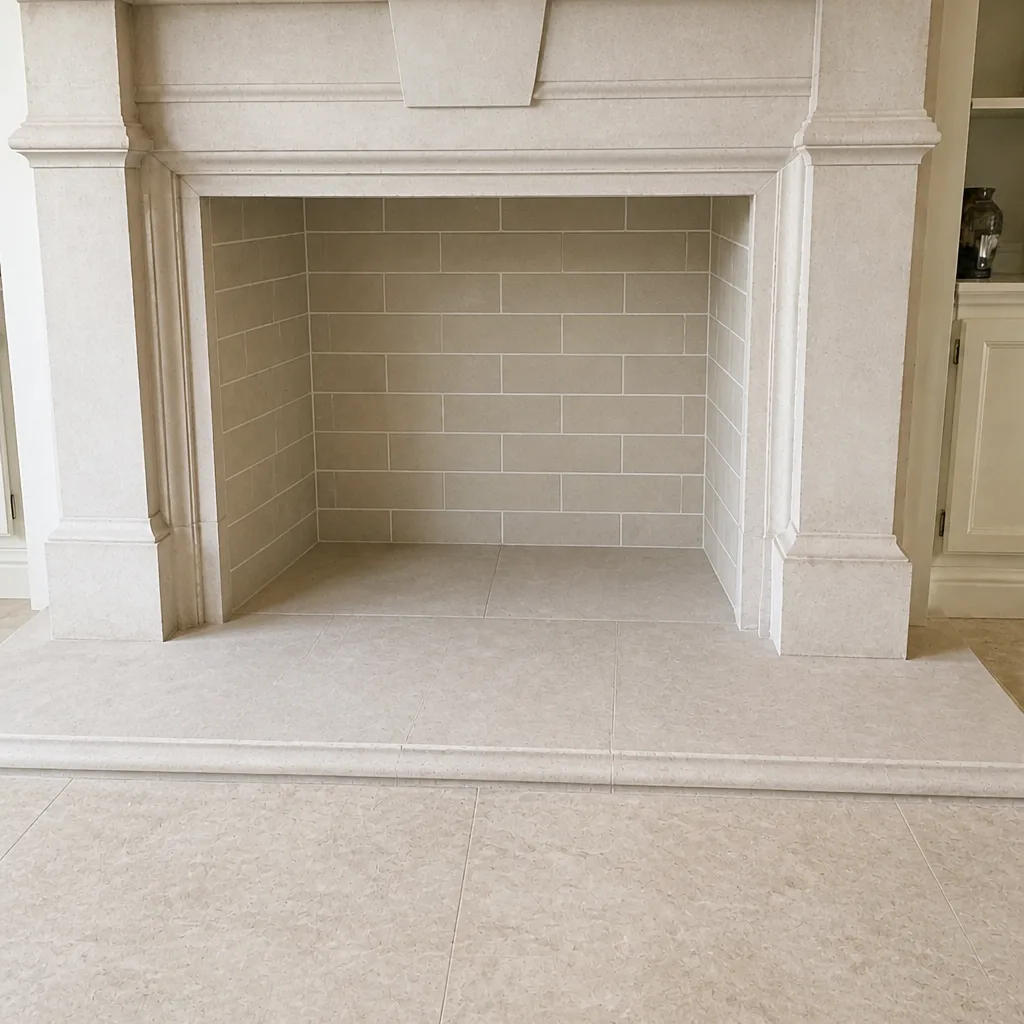
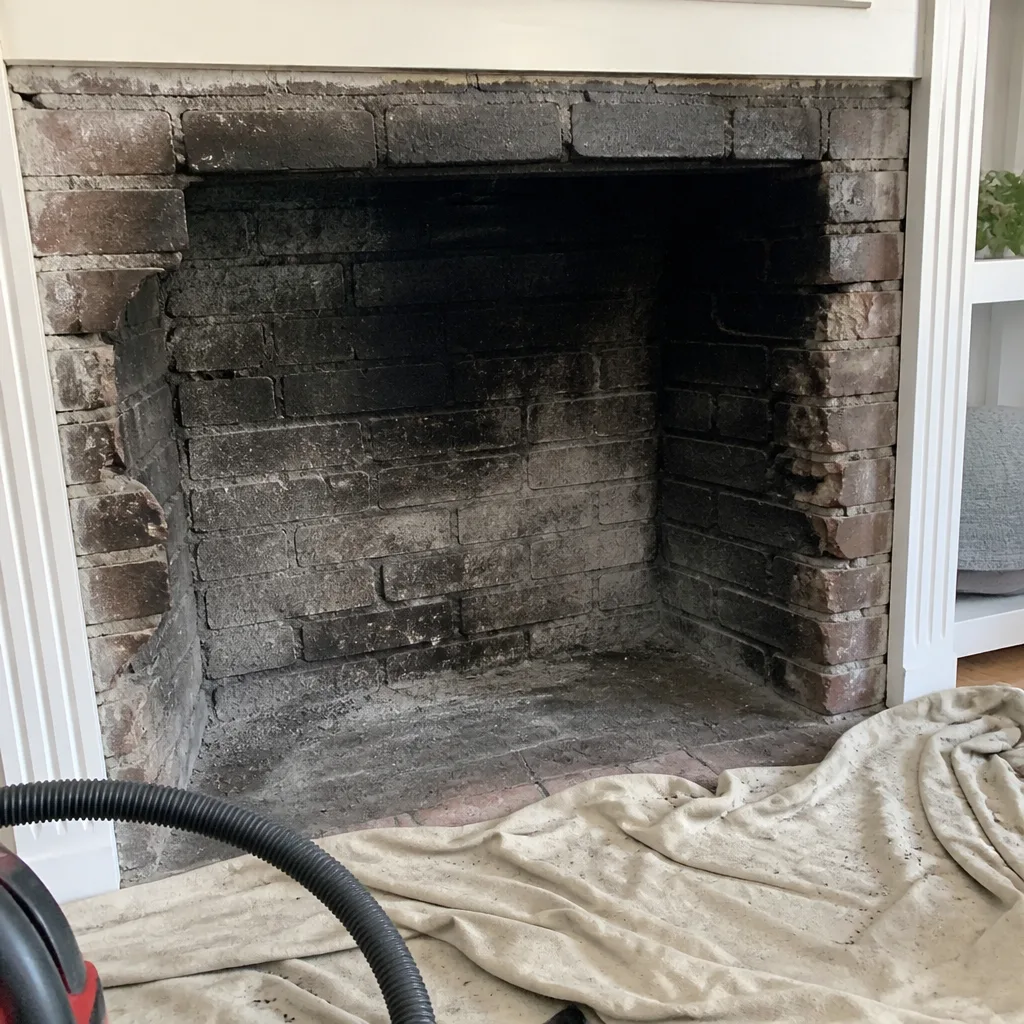
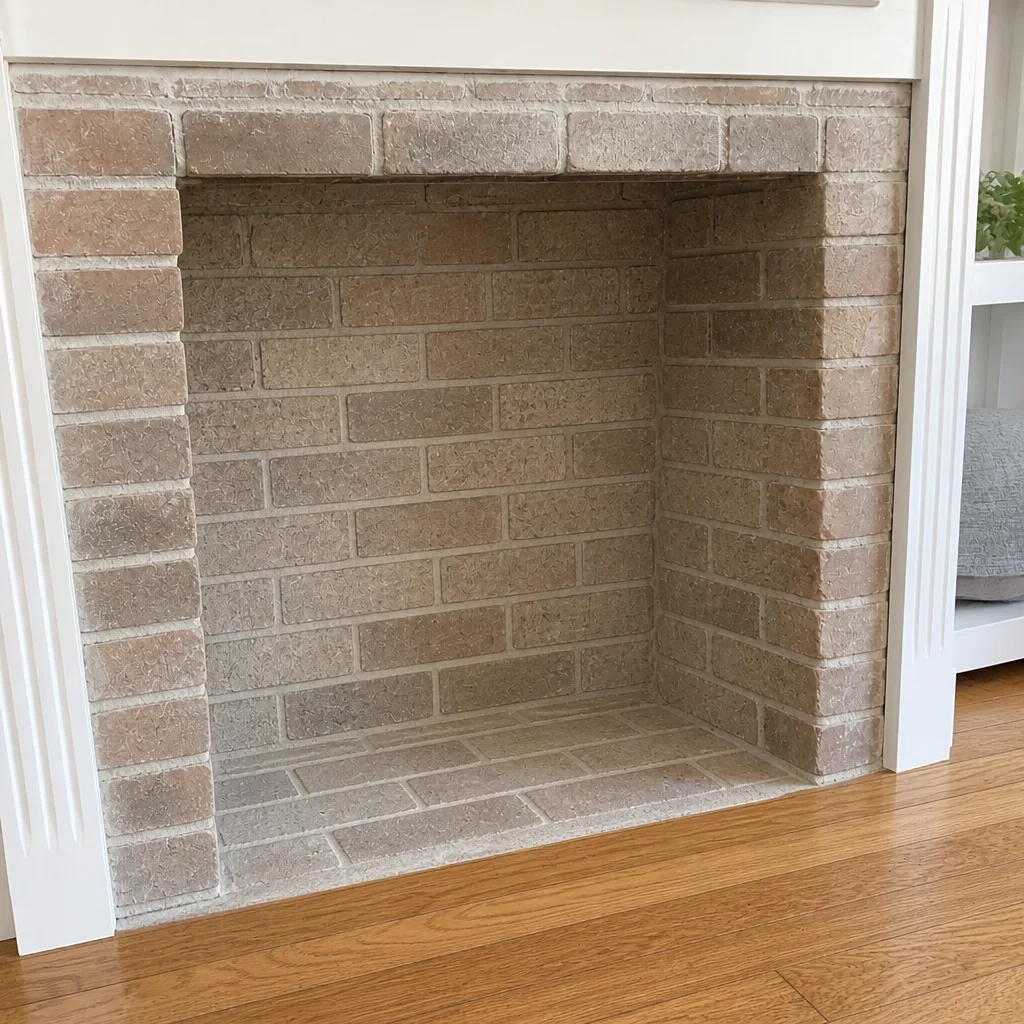
See the difference
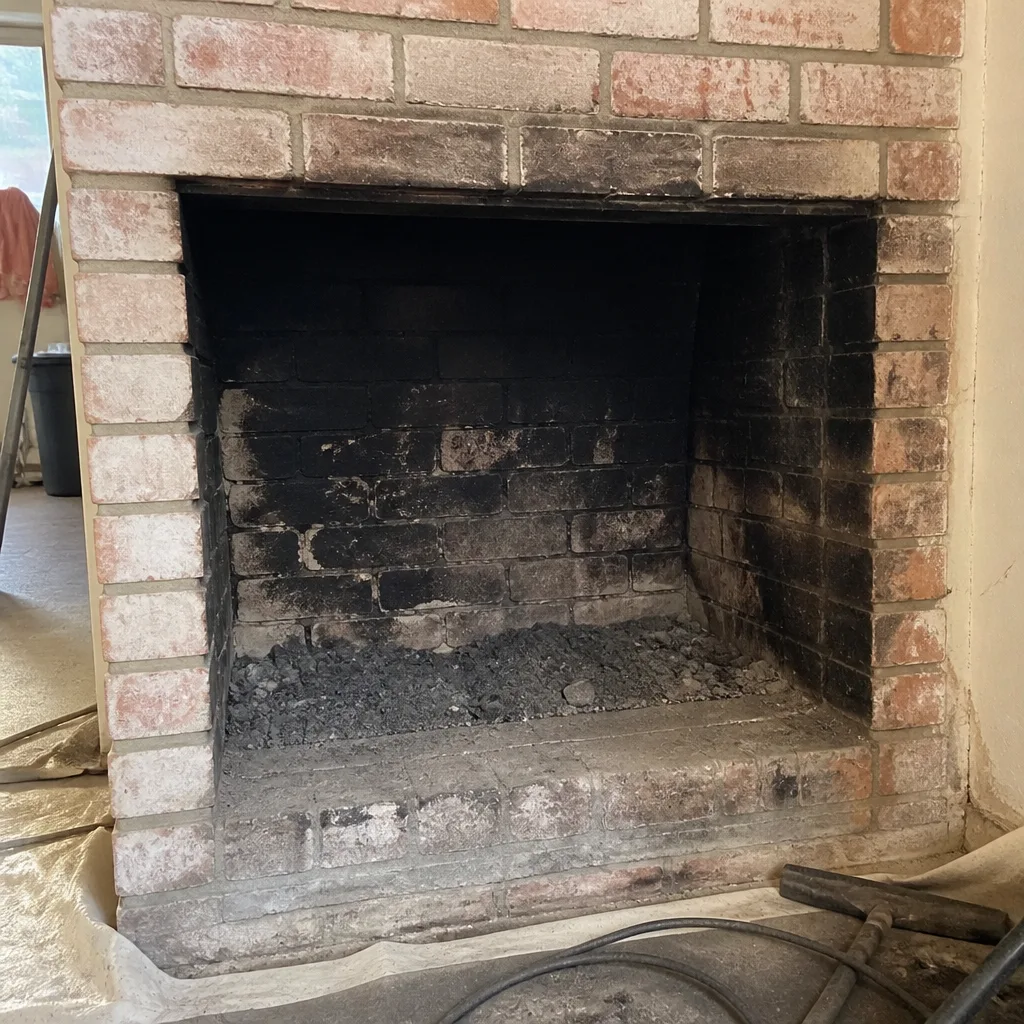 Before
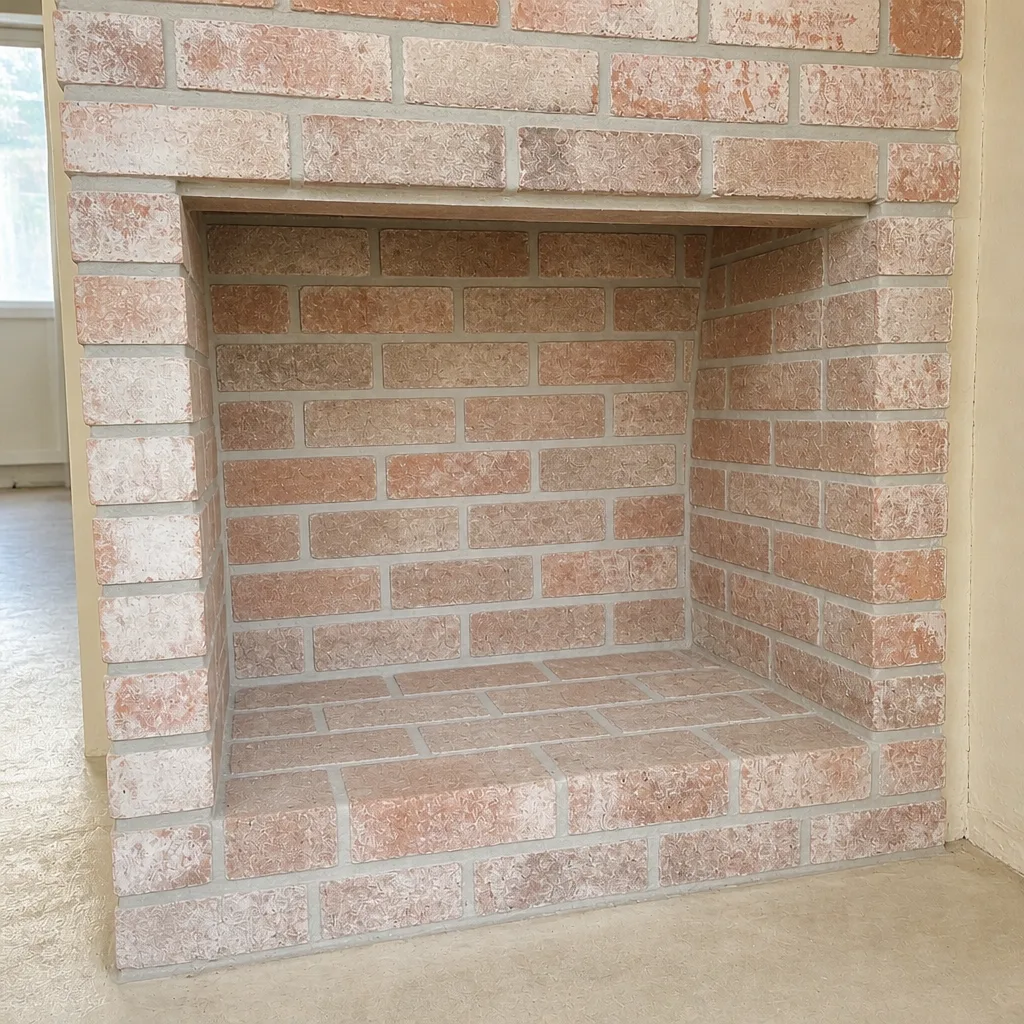 After
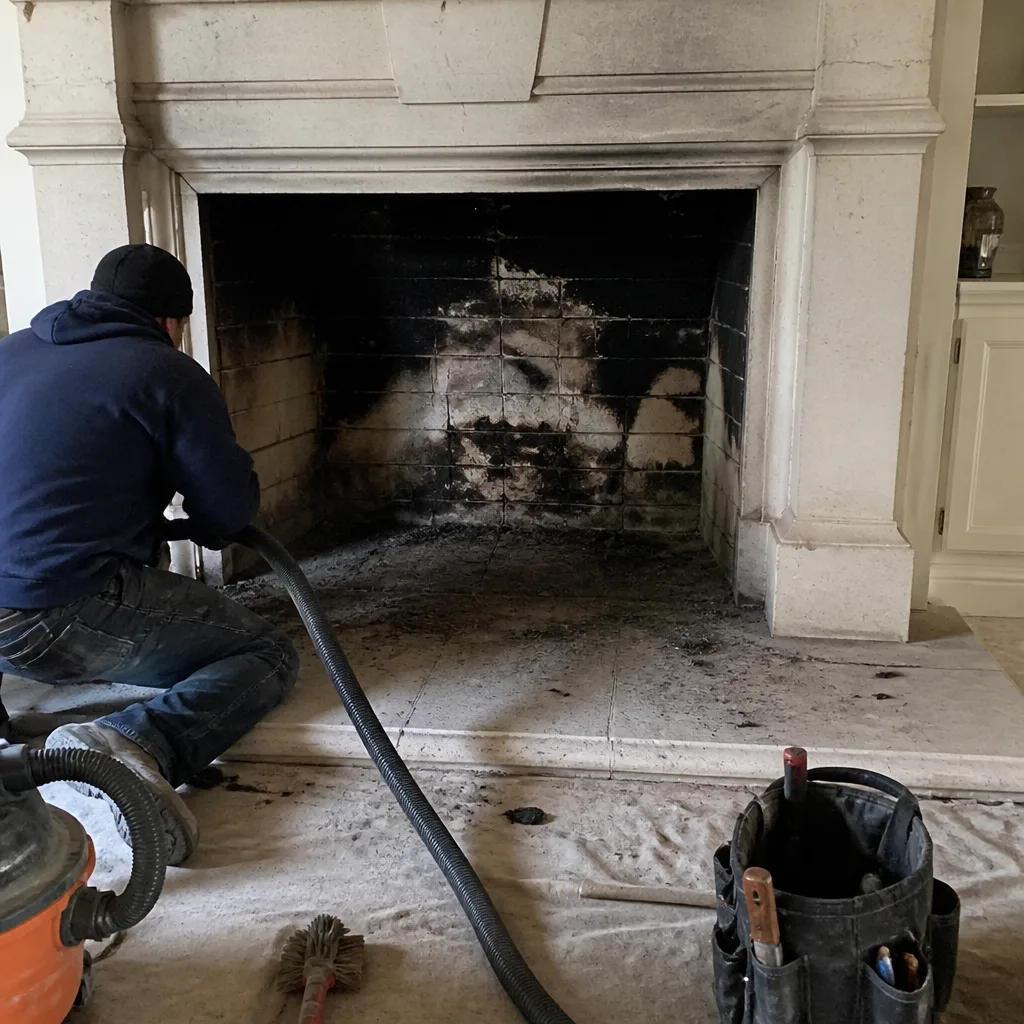 Before
 After
 Before
 After
When to Call a Professional
Call a professional if any of the following applies: you’ve never had a camera inspection of the liner; the chimney is older masonry, unlined, or factory-built; you burn wood frequently enough that the flue has visible buildup; you’ve noticed smoke rollback, a persistent odor when the fireplace isn’t in use, water stains on the chimney exterior or ceiling near it, or a cap that’s missing, damaged, or loose; you’re buying or selling a home and need documentation; or your last professional visit was more than a year ago. Any one of those is enough. It doesn’t have to be all of them.
Costa Mesa Chimney Sweep Co offers free estimates in Costa Mesa and connects you with a vetted local specialist who handles the sweep, the inspection, and any repair the inspection reveals. Call (855) 550-7756. We answer 24/7. Fast dispatch from 7am to 7pm, Sunday through Friday.
Frequently Asked Questions
Yes, for maintenance between professional visits, and for the specific tasks that don’t involve being inside the flue or on the roof. Firebox brushing, smoke shelf vacuuming, damper checks, and cap visual checks are reasonable DIY tasks. Full flue cleaning plus the camera inspection that has to accompany it is not. The dividing line is diagnostic access: the cleaning you can do, the inspection you can’t.
It doesn’t automatically void coverage, but it can complicate a fire claim if a liner defect is discovered after the fire and no professional inspection documentation exists. Most policies require reasonable chimney maintenance, which in practice means professional inspection at a reasonable interval. Keeping a professional inspection report on file each year is the practical answer. Ask your insurer for the specific language in your policy.
A standard chimney cleaning with camera inspection in Costa Mesa typically runs $180 – $350, depending on flue length and creosote level. The written estimate sets the final price. DIY equipment to do the equivalent work (rotary brush kit, HEPA vac, camera, roof access, safety gear) has a one-time cost roughly in the $700 – $2,200 range, plus the recurring cost each time you redo the setup. Call (855) 550-7756 for an exact quote. Estimates are free.
Yes, and arguably more so if you cleaned it yourself, because the DIY cleaning removes the creosote that would otherwise indicate a problem. The camera inspection is what tells you whether the liner is intact. Without it, you’ve cleaned a flue you haven’t actually seen. The liner is the component that stands between the fire and the structure of your house. That’s not a component to guess about.
Most of the time, nothing. Most chimneys are fine year to year. But the annual inspection is how the exceptions get caught before they become events. A hairline crack in a flue tile doesn’t announce itself; it’s found on a camera inspection, and catching it at that stage means a HeatShield restoration instead of a structural repair. Skipping a year isn’t catastrophic. Skipping five years in a row is where the real risk accumulates. Call (855) 550-7756 for a free estimate if you’ve been skipping.
Older unlined masonry chimneys, factory-built prefabricated units, and gas inserts. Each one has a specific reason: unlined masonry has no protective barrier between the fire and the framing; prefab units have clearance requirements that a wrong brush or a removed cap can compromise; and gas inserts vent combustion byproducts where an unnoticed defect is a carbon monoxide risk rather than a creosote risk. If your chimney is one of these, book a professional inspection before doing any cleaning yourself.
That depends on what you already know about the liner. If you’ve had a camera inspection in the last year and it was clear, and you’ve done the firebox maintenance yourself, using the fireplace is reasonable between visits. If you’ve never had a camera inspection, or your last one is more than a year old, don’t assume. The fire that feels fine and the fire that’s venting through a cracked tile can look identical from the living room. Call us for an inspection before you run another fire in that chimney.
The Bottom Line
DIY chimney cleaning is fine as a supplement, not a substitute. The tasks a motivated homeowner can safely handle (firebox brushing, smoke shelf vacuuming, damper checks, cap visual checks) are real maintenance tasks and worth doing. The tasks they can’t safely replicate (full flue cleaning with rotary equipment, camera inspection of the liner, cap and crown work, any liner or masonry repair) are where the entire safety case lives. The decision isn’t really DIY versus professional. It’s “DIY plus a professional inspection every year” versus “DIY alone and hoping.” One of those is a reliable safety system. The other is a guess. The Costa Mesa Chimney Sweep Co team connects Costa Mesa homeowners with a specialist who can do the inspection, document the findings, and handle whatever the camera shows. Call (855) 550-7756 for a free estimate. We answer 24/7, with fast dispatch from 7am to 7pm, Sunday through Friday.
Written by the team at Costa Mesa Chimney Sweep Co.