
Last updated November 25, 2026
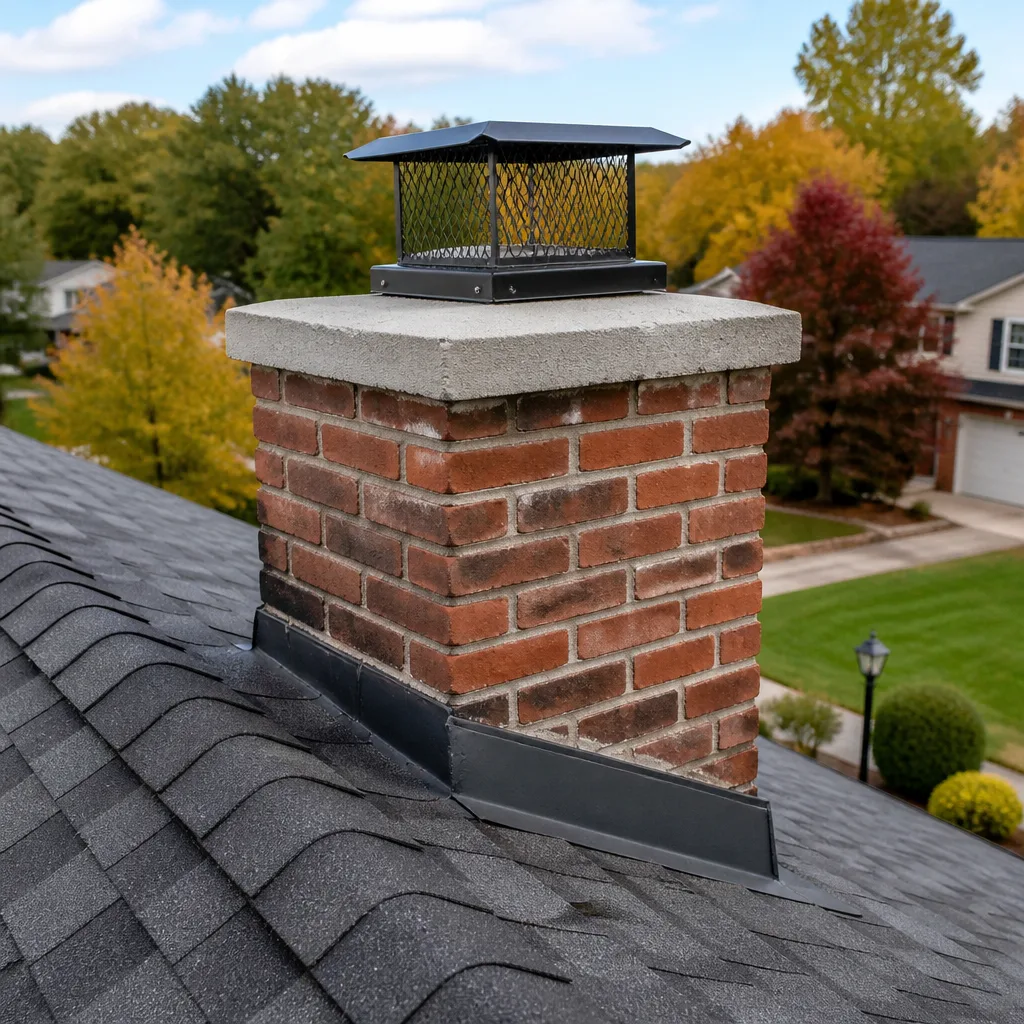 Sweep & inspection
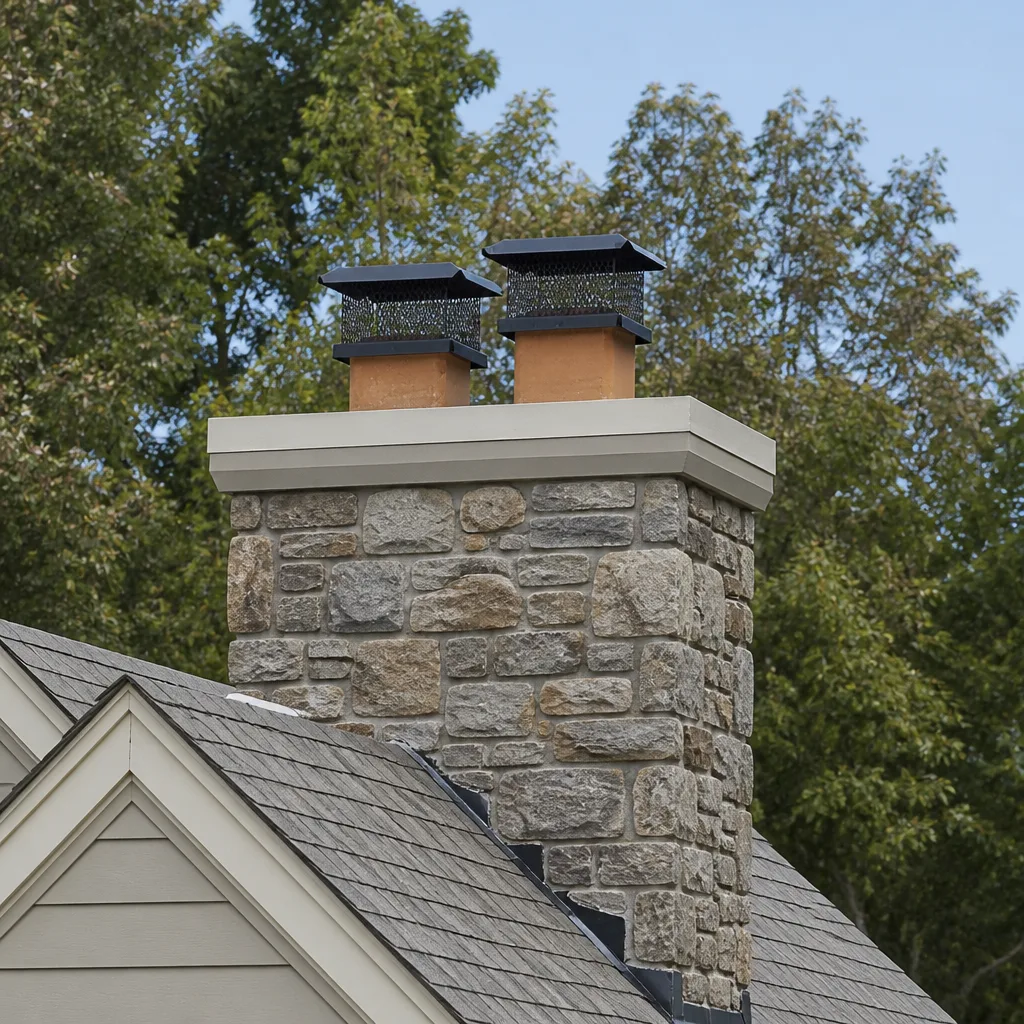 Caps & crowns
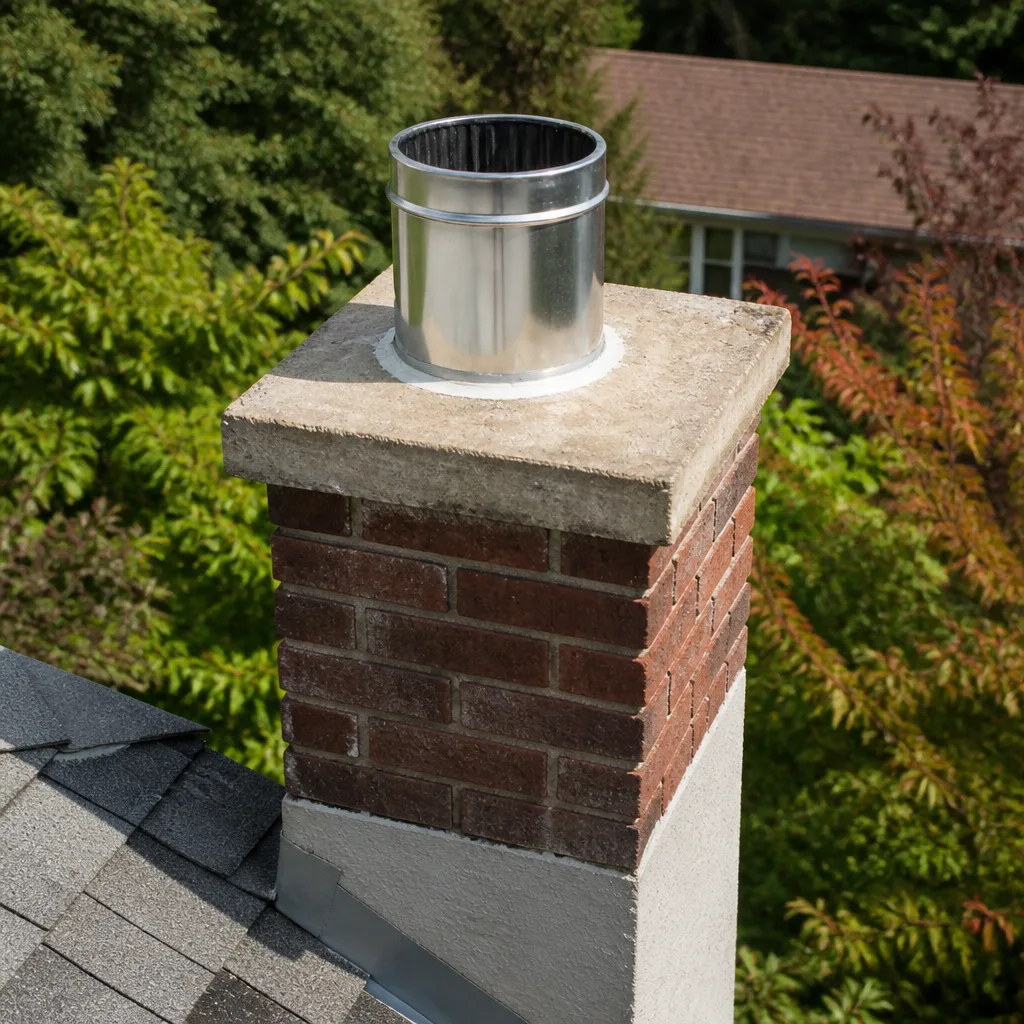 Flue relining
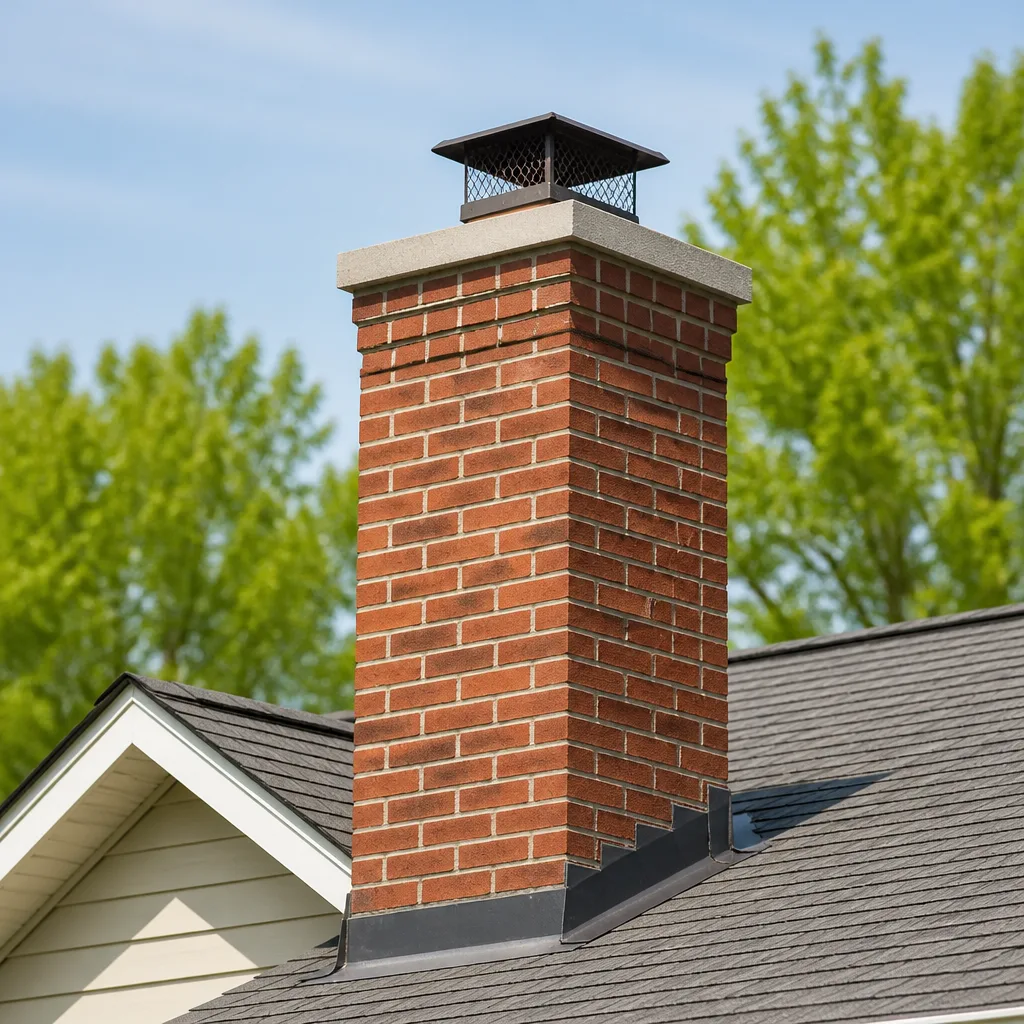 Masonry repair
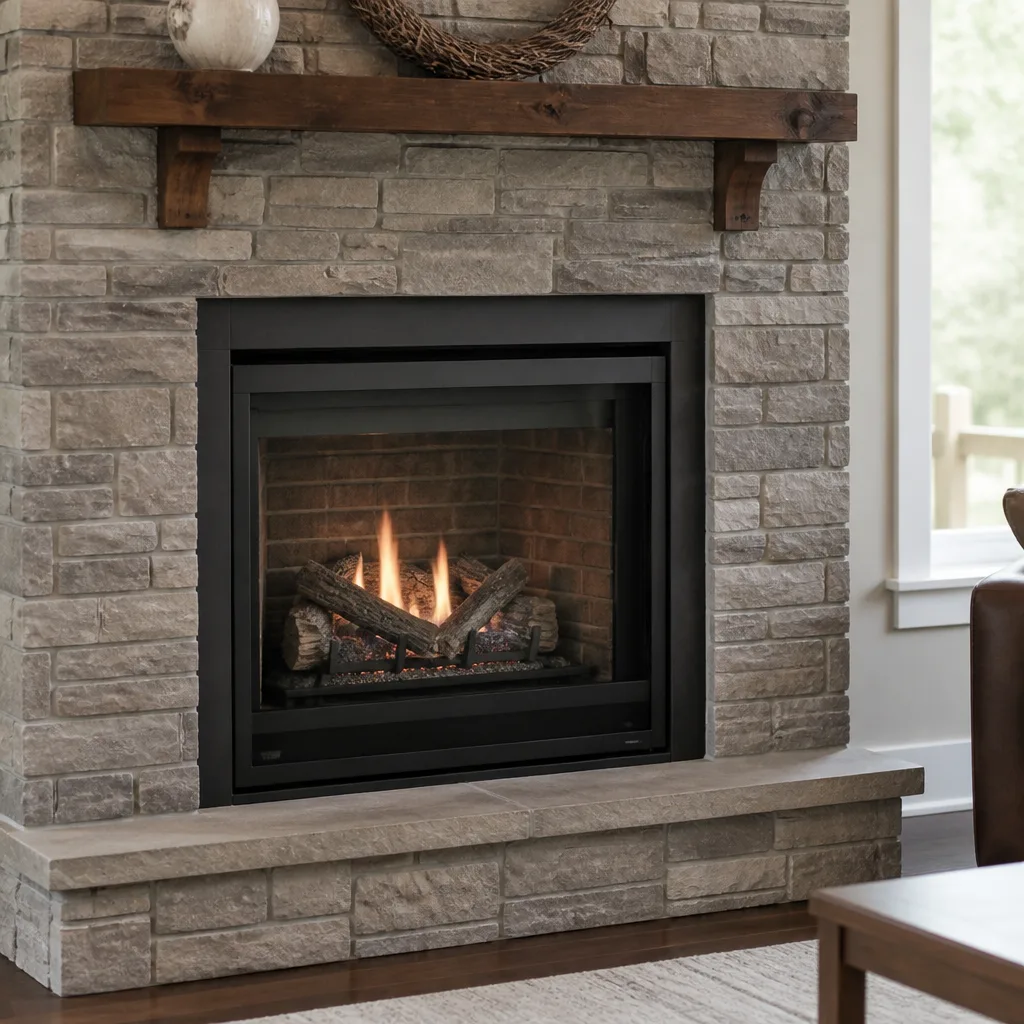 Gas fireplace service
Level 1 sweep and inspection to the NFPA 211 annual standard - flue, crown, cap, and flashing checked and photographed
Chimney sweep logs do not sweep chimneys. They loosen some creosote - which then falls where a brush and vacuum still have to collect it.
How to Hire a Chimney Cleaning Contractor in Costa Mesa: A Step-by-Step Guide
Most homeowners hire a chimney sweep the same way they’d hire a carpet cleaner: find a name, check the price, book the appointment. That approach works fine for carpets. It falls apart for chimneys, because a chimney is a combustion system with a flue, a draft requirement, and a fire risk living inside your walls. In Costa Mesa, the market makes this harder. A pressure-washing company, a roofer between jobs, or a general handyman can add “chimney sweep” to a listing and sound official in an afternoon. The credential that actually means something takes far longer to earn. This guide gives you a vetting framework you can run through in a single phone call, so you know what kind of company is standing in front of you before anyone climbs a ladder.
Quick Answer
To hire a chimney cleaning contractor in Costa Mesa, verify three credentials first (CSIA certification, a C-61 contractor license if repairs or relining are involved, and NFI certification if gas appliances are connected), then ask what the estimate includes: scope of work, roof access plan, debris disposal method, and a written follow-up protocol. A legitimate sweep of a standard masonry flue in Costa Mesa runs roughly $200 to $350, and an inspection with photos runs $150 to $300. If a company can’t answer the credential and scope questions in one call, keep looking.
Styles & brands we work with
- Sweep & inspection
- Caps & crowns
- Flue relining
- Masonry repair
- Gas fireplace service
Table of Contents
- The Three Credentials That Actually Matter
- How to Verify Each Credential in Under Five Minutes
- Interview Questions That Expose a Generalist
- The One Technical Question Non-Specialists Can’t Answer
- What a Legitimate Estimate Includes (and a Lowball Quote Leaves Out)
- Reading Online Reviews for Chimney-Specific Red Flags
- How to Compare Two Bids Apples-to-Apples
- What Chimney Cleaning Costs in Costa Mesa
The Three Credentials That Actually Matter
Chimney work sits in an odd regulatory spot. Sweeping itself isn’t licensed in California, which is why so many unqualified operators do it. But the moment a contractor touches a liner, rebuilds a crown, or replaces a cap, they’re doing construction work that requires a state contractor license. Understanding which credential covers which part of the job is the whole game.
- CSIA certification (Chimney Safety Institute of America). This is the industry’s benchmark for sweeps and inspectors. It requires formal study, a proctored exam, and continuing education to stay current. A CSIA-certified sweep has been tested on flue geometry, venting, and fire safety in a way a handyman never will be.
- NFI certification (National Fireplace Institute). This one matters specifically when you have a gas or pellet appliance, or a fireplace insert. Gas venting has different clearances and different failure modes than wood, and an NFI-certified tech has been tested on those systems.
- A C-61 contractor license (California “Limited Specialty” classification). The CSLB issues this to contractors with specialized trades, and it’s the credential you want to see on any bid involving repairs, relining, crowns, or caps. Sweeping alone doesn’t require it. Structural repair does.
One credential alone isn’t enough. A CSIA-certified sweep who isn’t licensed shouldn’t be relining your flue, and a C-61-licensed contractor who works mostly on decks shouldn’t be inspecting your firebox. You want the person standing on your roof to hold the credential that matches the work they’re proposing.
How to Verify Each Credential in Under Five Minutes
All three credentials can be checked before the contractor parks out front. This is the part most homeowners skip, and it’s the single fastest way to separate a specialist from a pretender in Costa Mesa.
- Check the CSIA directory first. The Chimney Safety Institute of America maintains a searchable list of certified sweeps by ZIP code. If a company claims certification and doesn’t appear, that claim is not verifiable and should be treated as false until proven otherwise. (The directory itself lists names, but at the company level you’re looking for the technicians the company dispatches.)
- Look up the CSLB license number. Every licensed contractor in California has a license number they can quote immediately. Enter it into the Contractors State License Board’s license lookup, confirm the classification includes C-61, and confirm the license status is “active” and not suspended or expired. A company handling repair work that doesn’t have a number handy is not a repair contractor.
- Ask about NFI certification directly. If your home has a gas fireplace or a wood insert, ask whether the technician assigned to your job holds NFI certification. The NFI directory is searchable too, but most companies will simply tell you the truth when you ask.
A trained office person can run this in five minutes. Bring the license number to the phone and have the CSIA directory open in another tab. When we dispatch a technician to a Costa Mesa home, they hold the credentials the job requires – it’s not a marketing line, it’s a floor.
Interview Questions That Expose a Generalist
The fastest way to identify a handyman pretending to be a chimney specialist is to ask questions a specialist answers without flinching and a generalist answers with rehearsed vagueness. Run through this list on the phone before booking anyone. You don’t need to know the answers down to the physics – you’ll know within three questions whether you’re talking to someone who lives in this trade.
- “What’s the normal draft pressure target for a residential masonry flue, and how would you test mine?” A specialist will talk about draft measurement, how a draft gauge reads a flue, and what a poorly drafted chimney behaves like. A generalist will pivot to “we use a vacuum and a brush.”
- “If your camera inspection shows a cracked flue tile, what are my options?” You’re listening for whether they name relining methods, whether they mention HeatShield resurfacing for smaller cracks, and whether they distinguish between “the flue needs relining” and “the crown is degrading.” A one-answer response – “you need a new chimney” – is a red flag.
- “What’s the difference between a Level 1, Level 2, and Level 3 inspection?” Every certified sweep knows these three tiers cold. Level 1 is visual, Level 2 uses a camera (and is required on real estate transactions and after any flue modification), Level 3 involves opening concealed spaces. If they can’t recite them, they haven’t taken the exam.
- “How do you handle creosote above third-degree, and what would change your cleaning method?” Any competent sweep knows that glazed, hardened creosote doesn’t come off with a brush alone and that the cleaning method changes accordingly. A non-specialist will tell you it’s all the same brush.
- “Who’s on the truck, what tools do they carry, and how do you keep dust out of my living room?” A chimney-only operation runs a truck laid out for chimney work: drop cloths, camera, high-powered vacuum with HEPA filtration, brushes sized to flue geometry. A generalist drives a truck laid out for everything else.
- “Can you handle everything from the sweep to a crown replacement, or do you subcontract?” A specialist company does the full system in-house: sweep, inspection, fireplace repair, chimney repair, and cap and crown. If any piece gets sent to a different company, your accountability just got split two ways.
The One Technical Question Non-Specialists Can’t Answer
Draft is the physics of a chimney. It’s the reason smoke goes up the flue instead of into your living room, and it’s the reason a chimney can look fine on the inside and still perform badly. Ask any candidate contractor: “My fireplace gets smoky on certain days. What’s happening, and how would you diagnose it?”
A chimney specialist will bring up stack effect – the fact that warm air in a flue rises because it’s a column of heated gas taller and lighter than the air outside it, and that a taller, warmer, tighter column drafts better than a short, cool, leaky one. They’ll mention wind interference at the cap, negative pressure from a nearby exhaust fan or a tightly built house with too little make-up air, and the fact that your flue has a specific cross-sectional area that has to match the appliance that vents into it. Too large a flue on a small fireplace cools the smoke before it clears the top, and the chimney starts to stall.
A generalist answers this question by saying “we need to sweep it.” Sweeping is not always the answer to a draft problem. Sometimes the chimney is clean and the flue is oversized, or the cap is too restrictive, or the firebox opening is out of proportion to the flue throat. Those are chimney-system problems, and they only get solved by someone who works on chimney systems for a living.
Here in Costa Mesa, we see smoky fireplaces on the mild but breezy winter days when the outside temperature hasn’t dropped enough to build a strong draft, and homeowners light a fire anyway and get a living-room backdraft for their trouble. The remedy usually isn’t more wood – it’s a flue warmer, a smaller firebox opening, or a cap that isn’t catching the crosswind off the hillside. If nobody on the other end of the line knows that, you’re talking to the wrong company.
What a Legitimate Estimate Includes (and a Lowball Quote Leaves Out)
The cheapest quote on a chimney job is almost never the cheapest outcome. More often, it’s the least scope described in the fewest words, with the work that matters most left off the invoice. Before you sign anything, make sure these six items appear in writing on the estimate.
- Scope of work by name. The estimate should say what’s being done: sweep of a masonry flue, camera inspection, crown repair, cap replacement. “Chimney service” is not scope.
- Inspection level documented. A Level 1, Level 2, or Level 3 inspection should be named on the quote, with the camera inspection specifically listed if you’re getting one. Level 2 is standard for most professional sweeps today, and the camera evidence should come back to you.
- Roof access plan. How do they get on the roof, and how do they keep it safe? Ladder access, roof climbing, and a fall-protection plan should be spelled out. A technician who climbs a tile or composition roof with no plan is a risk to your roof and to themselves.
- Debris removal and disposal. Sweeping a chimney produces soot, creosote, and ash. Where does it go? A legitimate estimate names the disposal. A lowball quote usually means it goes in your trash can or, worse, gets left on your patio.
- Housekeeping protocol. What’s laid down on the hearth and floor? What kind of vacuum is used? A standard shop vac is not enough – it will blow fine soot into the air. A chimney-specific operation runs a vacuum built for soot containment.
- A written inspection report and photo package. This is the piece a lowball estimate is quiet about. If the company can’t show you what’s happening in your flue and let you look at the pictures yourself, you can’t verify the recommendation that follows. A professional estimate includes the report, and the report is yours to keep.
When we put together a quote for a Costa Mesa home, we walk the homeowner through the inspection findings before we talk about cost. Nothing is recommended without camera evidence the homeowner can see for themselves – that’s the rule. It also means we’ll tell you when work can safely wait.
Reading Online Reviews for Chimney-Specific Red Flags
Review patterns matter more than the review score. Chimney service reviews carry failure modes that general contractor reviews don’t, so you’re reading for specific signals, not a star average.
- Reviewers being told they need thousands of dollars of liner work with no explanation. This is the single most common complaint in this trade. If the reviewer describes being surprised by a big number with no photo evidence to back it up, that’s a red flag.
- Soot in the living room. Soot on the carpet, on drapes, on the TV after a sweep means either the wrong vacuum or the wrong technique. It should be rare in a well-run company, and heavily present in a poorly-run one.
- “They said my flue was fine” followed later by a carbon monoxide scare. A proper sweep includes an inspection. If reviewers rave about a fast, cheap sweep and no inspection, they got a cleaning, not a chimney service.
- The crew not knowing what month it is. Chimney sweeps in Southern California do most of their work in late summer and fall, before burning season. If reviews mention a company that seems to disappear off-season or sends a “chimney sweep” who is clearly doing roofs on the side, you’re looking at a generalist.
- Quote-on-the-spot with no inspection. Any real specialist will want to look before pricing. A price given over the phone with no look at the chimney is a marketing number, not an estimate.
- Reviews with no photos and no specifics. A review that reads “great service, would recommend!” tells you nothing about the chimney work. Read for reviews that describe the crew, the camera, the report, and the follow-through.
Run one more check: cross-reference the reviewer names against the company’s CSIA or CSLB status. A flurry of specific five-star reviews for a company with an expired CSLB license is a strong sign of a review-farm, not a professional operation.
How to Compare Two Bids Apples-to-Apples
You’ve got two quotes in front of you. One is $200, one is $450. They look like they’re for the same job, but they usually aren’t. The reason comparing them is so hard is that a cheap quote leaves line items off rather than discounting them.
Stack the two quotes side by side and match items across a table like this. If one side is missing a line, that’s what the gap is.
- Sweep of the specific flue. One line item per flue, named by appliance (wood fireplace, wood stove, gas appliance).
- Inspection level, named. Level 1, 2, or 3. Level 2 with camera is the realistic standard for a professional inspection.
- Camera inspection included, with photos delivered. Not “available” – included.
- Draft test. A draft gauge reading, documented in the report.
- Cap condition documented. If the cap is missing, damaged, or undersized, the inspection should say so in writing, with photos.
- Crown condition documented. Crown cracks are common in Costa Mesa homes where the crown has taken decade after decade of sun and the occasional rain, and they’re the number one cause of chimney water intrusion. The inspection should show you the crown close-up.
- Any recommended repair, itemized separately with photo references. The recommendation needs to be traceable to a picture you’ve seen.
Then ask one question of both companies: “If I do nothing on your recommended repairs for six months, what happens?” A real specialist has an honest answer – sometimes “nothing urgent, monitor it,” sometimes “the flue will get worse faster than you expect, here’s why.” A company that can’t tell you when work can safely wait is treating your chimney as a transaction, not as a system.
What Chimney Cleaning Costs in Costa Mesa
Chimney cleaning prices in Costa Mesa track the Southern California market rather than the national average, and they reflect the local housing stock: a lot of mid-century homes with masonry fireplaces, many with older flue tiles and crowns that have seen several decades of dry summers. Here are typical ranges we see for the jobs homeowners actually book. These are estimates and the written estimate sets the final price.
- Standard sweep of a masonry flue: $200 – $350
- Level 2 inspection with camera and photo report: $150 – $300
- Sweep plus Level 2 inspection (most common combination): $300 – $500
- Chimney cap installation (standard single-flue): $250 – $500
- Crown repair or replacement: $500 – $1,500, depending on size and access
- Firebox repair (repointing, firebrick replacement): $400 – $1,200
- Flue relining, per foot of flue: $50 – $120
- HeatShield liner resurfacing (for localized cracks, not a full reline): priced per job after inspection
Two things to note. First, prices scale with roof access – a steep or multi-story roof takes longer and costs more, and a technician who doesn’t tell you that up front is either guessing or cutting a corner. Second, the liner line item is where the lowball quotes hide. A “full reline” for the price of a repair is usually not the work you think you’re getting.
We see this constantly in Costa Mesa. Half the “we’ll reline your flue for $500” bids we’re asked to look at second are actually a cap install and a spray. The homeowner thinks they bought a reline. They bought a decoration.
Chimney Sweep vs. Chimney Repair: Which Do You Actually Need?
A chimney sweep cleans the inside of the flue. A chimney repair company fixes the structural parts – the crown, the cap, the firebox, the flue tiles, the mortar joints. Both are necessary, and neither replaces the other. Understanding which one you need shapes the estimate you’re asking for.
- You probably need a sweep if you burn wood regularly, it’s been more than a year since the last cleaning, and you don’t have signs of structural damage. A chimney serving a wood fire should be swept annually during the burning season.
- You probably need a repair if you see missing mortar between bricks on the exterior, a visible crack in the crown, a stainless steel cap that’s missing or half blown off, or crumbling firebrick inside the firebox.
- You probably need both if the last sweep was years ago, the fireplace has gone unused, or you’ve moved into a Costa Mesa home where the chimney’s history is unknown. The inspection finds what’s needed and the sweep clears the path for it.
This is why a company that does all five categories – sweep, inspection, fireplace repair, chimney repair, and cap and crown – is worth finding. A sweep-only company will stop at the point where repair begins; a repair-only company will skip the sweep to get to the bigger job. A specialist who runs the full system can end the visit with one answer.
See the difference
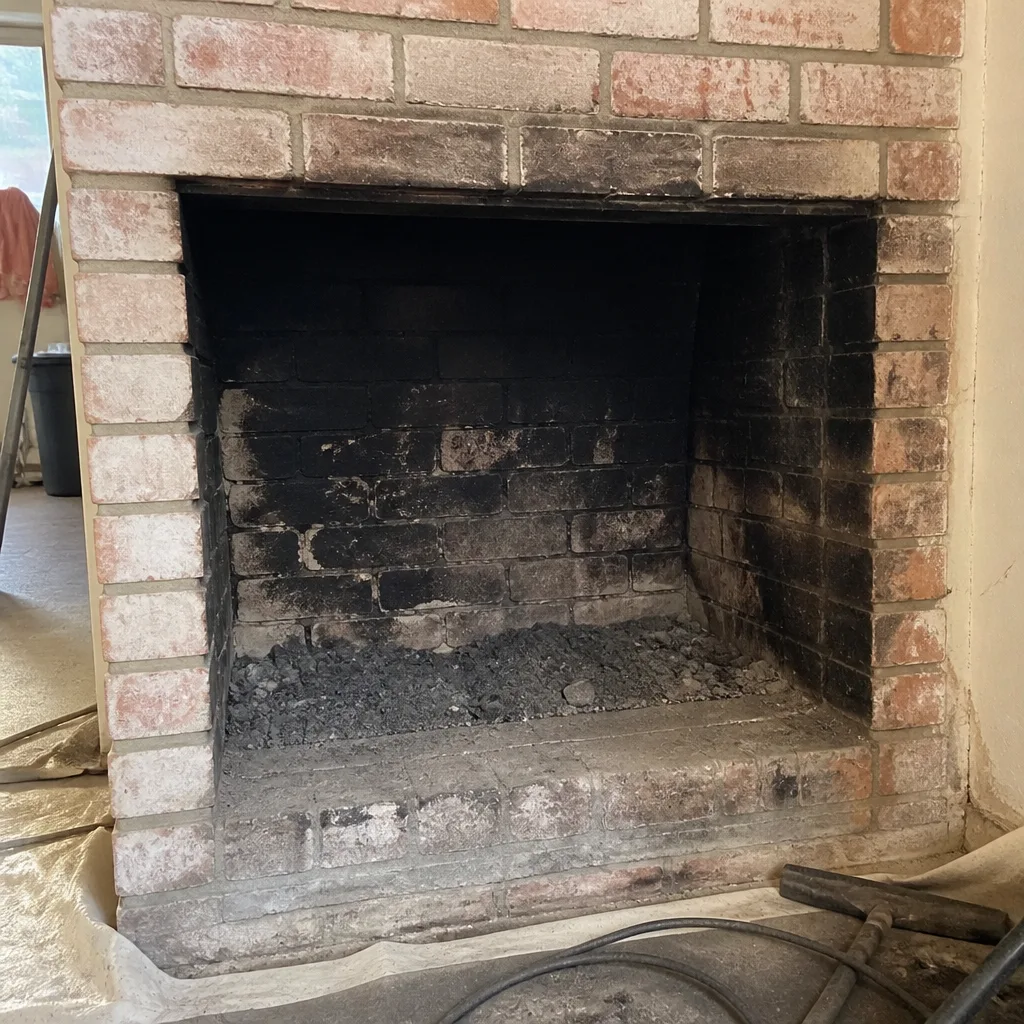 Before
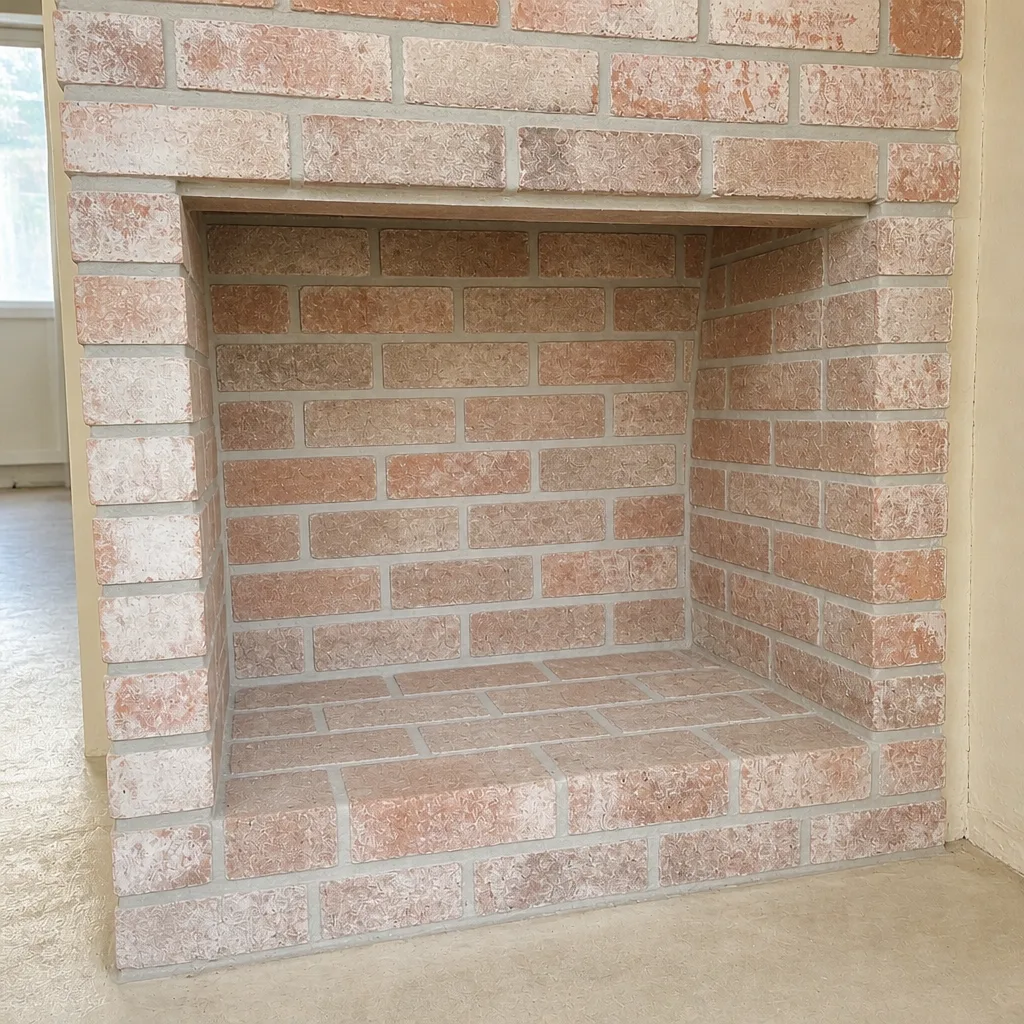 After
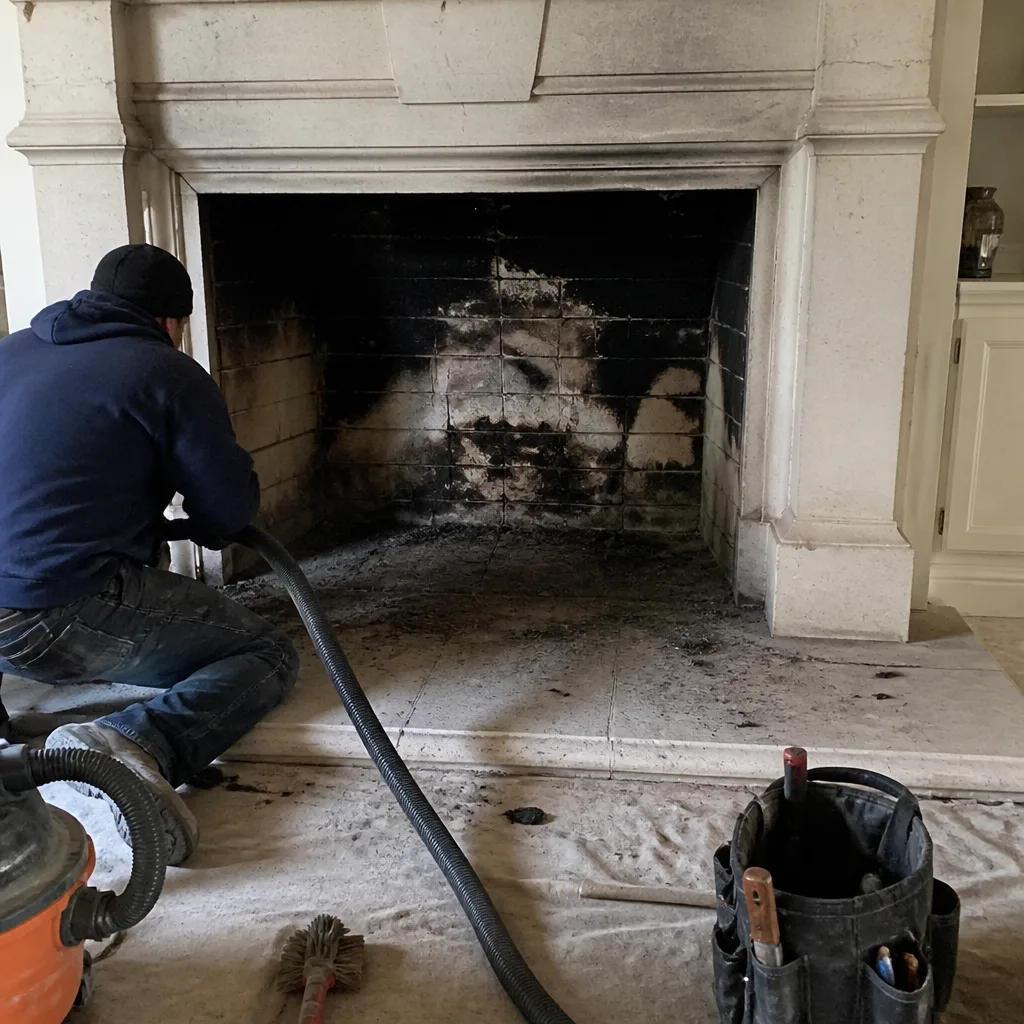 Before
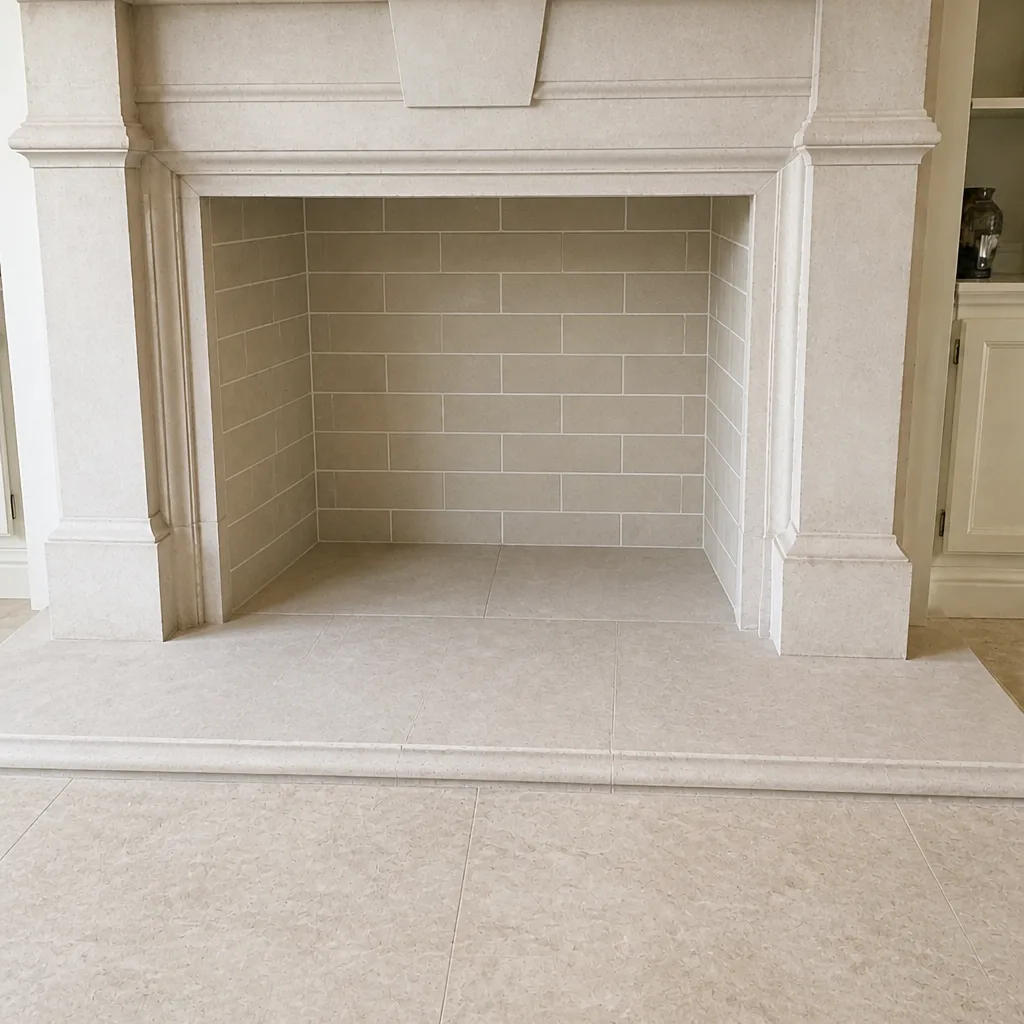 After
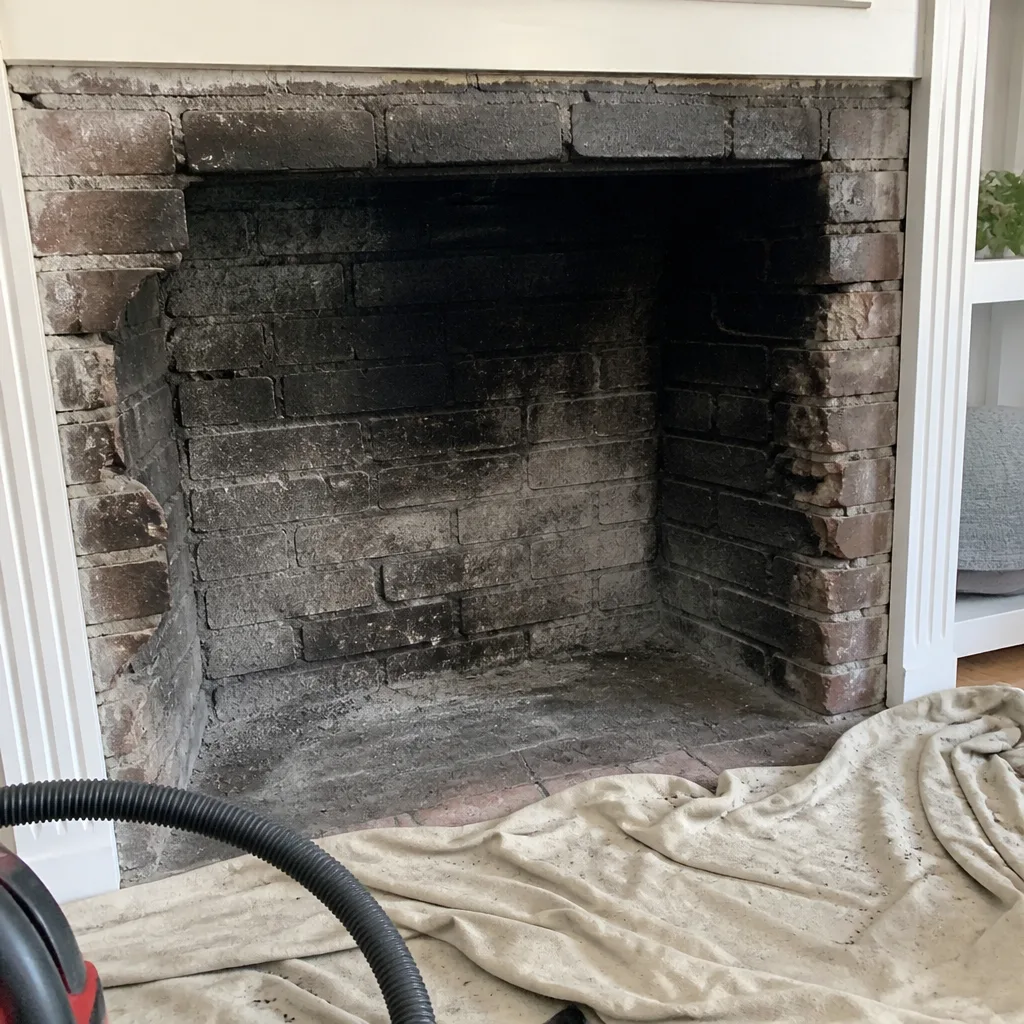 Before
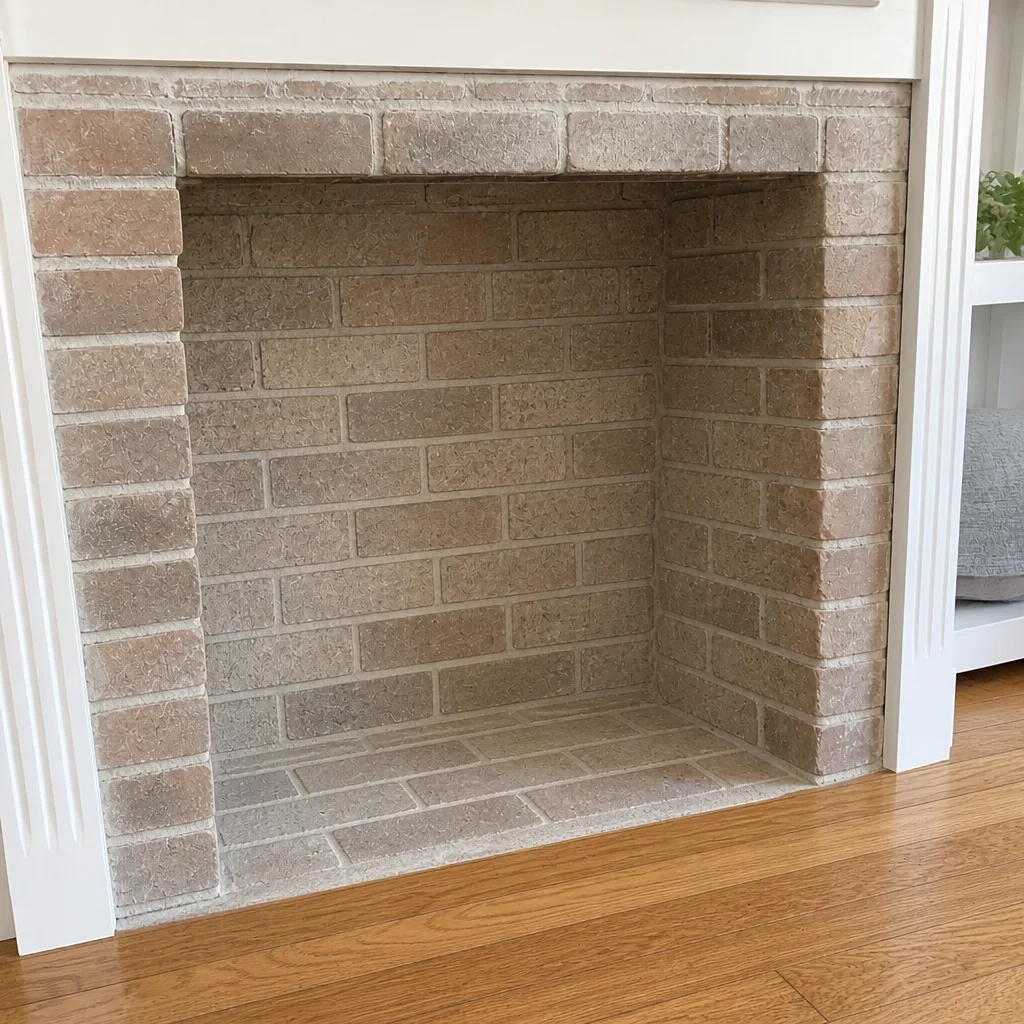 After
Common Mistakes to Avoid
- Booking the cheapest name on a coupon mailer. Chimney work is not a commodity. When a coupon price comes in far below the market range for a Costa Mesa sweep, the difference is usually scope trimmed off the back end – no camera, no report, no disposal.
- Accepting a phone quote without an inspection. A price quoted over the phone is a marketing number. Any real estimate requires a look at your specific flue, your cap, your crown, and your firebox.
- Skipping the CSLB license check on repair work. A CSIA certification does not license someone to reline a flue or rebuild a crown. Check the license before you sign a repair bid.
- Treating “we clean chimneys” as equivalent to “we’re chimney specialists.” Ask whether the crew works only on chimneys, or whether they also do roofs, gutters, and duct cleaning. The specialist has a different truck, different tools, and better diagnostics.
- Overlooking the crown and cap. Water intrusion is the leading slow killer of chimneys in Southern California, and the cap and crown are the two pieces that keep the water out. If your chimney doesn’t have a cap, that’s a gap worth closing.
- Calling a sweep in October and expecting flexibility. Late summer and early fall are the busiest weeks of the chimney calendar in Costa Mesa. Book in late spring or early summer if you want the widest choice of technicians.
- Not asking for the report. The photos are yours. If a company won’t hand them over, ask why.
When to Call a Professional
Call a chimney professional if you can’t remember the last time your chimney was swept, if it’s been more than a year, if you’ve just moved into a home with a fireplace, or if you’re seeing any of these: a smoky fireplace that didn’t use to be smoky, crumbling mortar on the exterior, a missing or damaged cap, water stains on the ceiling near the chimney chase, or a flue tile visible through the firebox that’s cracked or spalling. Call us immediately if you smell gas near a gas fireplace or notice symptoms that could indicate carbon monoxide exposure – headache, dizziness, nausea in a room with a vented appliance – and leave the home until the system has been checked. A chimney is a safety system. Treat it like one. Costa Mesa Chimney Sweep Co offers free estimates in Costa Mesa – call (855) 550-7756. We answer 24/7. Fast dispatch from 7am to 7pm, Sunday through Friday.
Frequently Asked Questions
Check the Chimney Safety Institute of America’s online directory for the company’s name and the technicians it dispatches. If the company claims CSIA certification but doesn’t appear in the directory, treat the claim as unverified. For repair work, also enter the company’s license number into the California Contractors State License Board lookup and confirm the license is active and includes the C-61 classification. Both checks take under five minutes.
A Level 1 inspection is a visual check of the accessible portions of the chimney and firebox. A Level 2 inspection adds a camera inspection of the flue interior and is the standard for real estate transactions, after a flue modification, or when a new appliance is being installed. A Level 3 inspection involves opening concealed parts of the chimney to reach areas not accessible otherwise, and it’s only used when a serious hazard is already suspected. Most annual maintenance visits include a Level 1 or Level 2, and the written report should say which.
A typical sweep of a standard masonry flue in Costa Mesa runs $200 to $350, and a sweep plus a Level 2 inspection with a camera and photo report usually lands between $300 and $500. Repairs like a crown replacement or a flue reline add cost based on the scope the inspection finds. The written estimate sets the final price. Call (855) 550-7756 for an exact quote – estimates are free.
Once a year for any chimney actively used for wood fires is the standard, and more often for fireplaces used heavily or for appliances burning unseasoned wood. If you burn only occasionally, the annual inspection is still the right interval – it catches problems that don’t show up until the chimney is full of creosote. Costa Mesa homeowners who light a fire most winter weekends should stay on the annual schedule.
Sometimes yes, often no. A full reline is needed when the flue tiles are cracked through, missing, or too large or small for the appliance. Smaller, localized cracks in a flue can often be addressed with HeatShield resurfacing rather than a full reline, which is why we run the camera before we quote anything. Nothing should be recommended without photo evidence the homeowner can see. If the flue is sound, we say so – and we tell you when a repair can safely wait. Call (855) 550-7756 to arrange an inspection – estimates are free.
Creosote builds up on the flue walls as wood burns, and at higher concentrations it can ignite – which is a chimney fire. Carbon monoxide risk rises too, because a blocked or partially blocked flue doesn’t vent combustion gases out of the home. We’re not in the business of scaring homeowners, and we can’t tell you a sweeping statistic that applies to your specific chimney. What we can say is that the cost of a sweep is small compared to the cost of a fire, and annual sweep is the simplest way to keep the system performing as designed. Call (855) 550-7756 to book a sweep – estimates are free.
Anyone can technically run a brush down a flue, but a handyman won’t have the CSIA training to tell you what the camera showed, won’t be CSLB-licensed to repair what he finds, and won’t have the soot containment equipment to keep your living room clean. Sweeping is the visible part. The inspection and repair judgment is the part that actually protects the home. Hire a specialist, not a generalist with a brush.
Clear the hearth area and any furniture within a few feet of the fireplace, remove ash if it’s accumulated heavily, and make sure the technician can access the roof safely from a ladder point. Have the last inspection report ready if you have one. Shut the damper if you know how. That’s it – a professional sweep handles the rest and lays down containment cloths before the vacuum goes on.
The Bottom Line
Hiring a chimney contractor in Costa Mesa comes down to four moves: verify the CSIA certification, confirm the CSLB license for repair work, ask the specialist interview questions that expose a generalist, and compare bids line-item by line-item instead of by total. Add the camera report to that list, and you’ve solved the biggest problem in this trade – the homeowner who can’t independently verify the recommendations they’re being sold. A chimney is a combustion system with a fire risk inside it, and the value of an annual sweep and inspection is that it catches problems before they become a fire or a structural failure. Free estimates are available in Costa Mesa – call (855) 550-7756. We answer 24/7. Fast dispatch from 7am to 7pm, Sunday through Friday. Our technicians have up to 10 years of experience, and we work with professional-grade brands including DuraFlex, HeatShield, Gelco, and Copperfield. For the sweep itself, see chimney sweep. For repair work, fireplace repair and chimney repair cover the two sides of the firebox. And when you’re ready to talk, start at Costa Mesa Chimney Sweep Co.
Written by the team at Costa Mesa Chimney Sweep Co.