
Last updated November 25, 2026
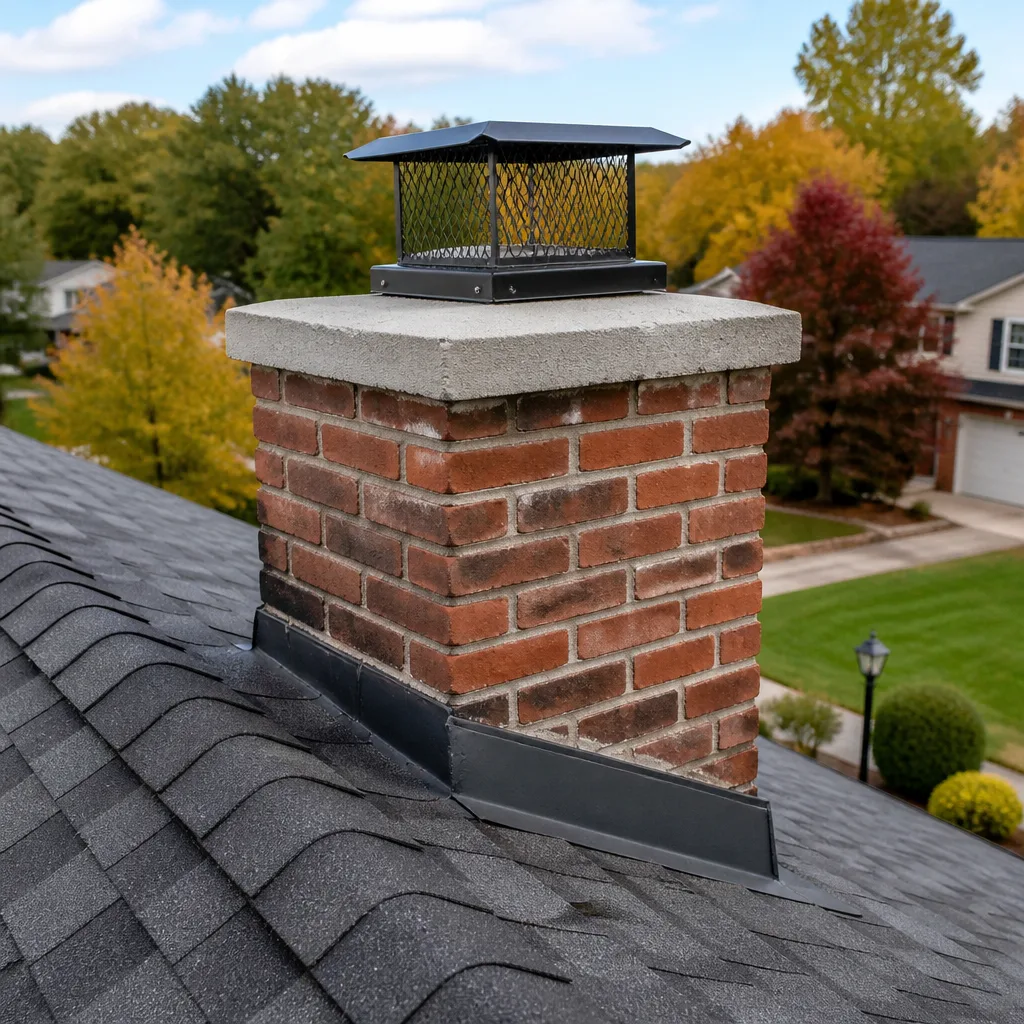 Sweep & inspection
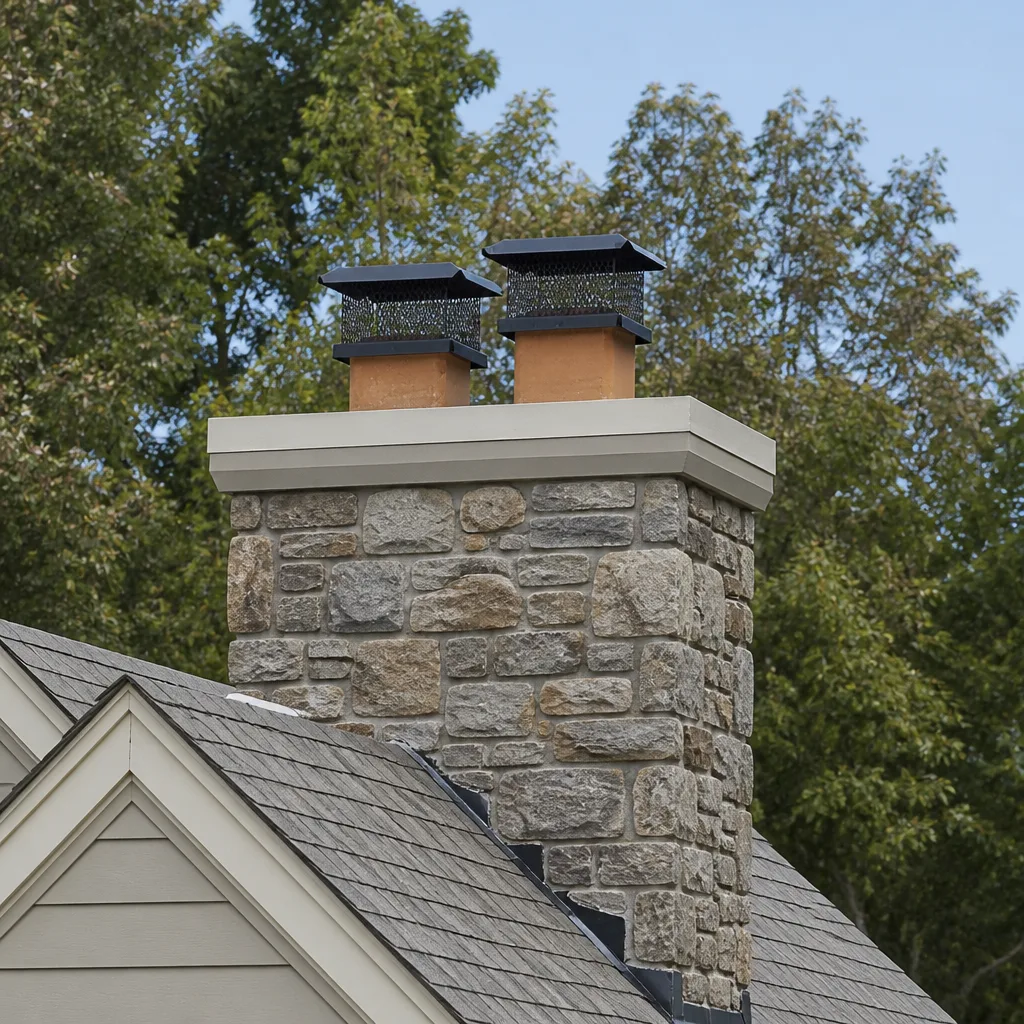 Caps & crowns
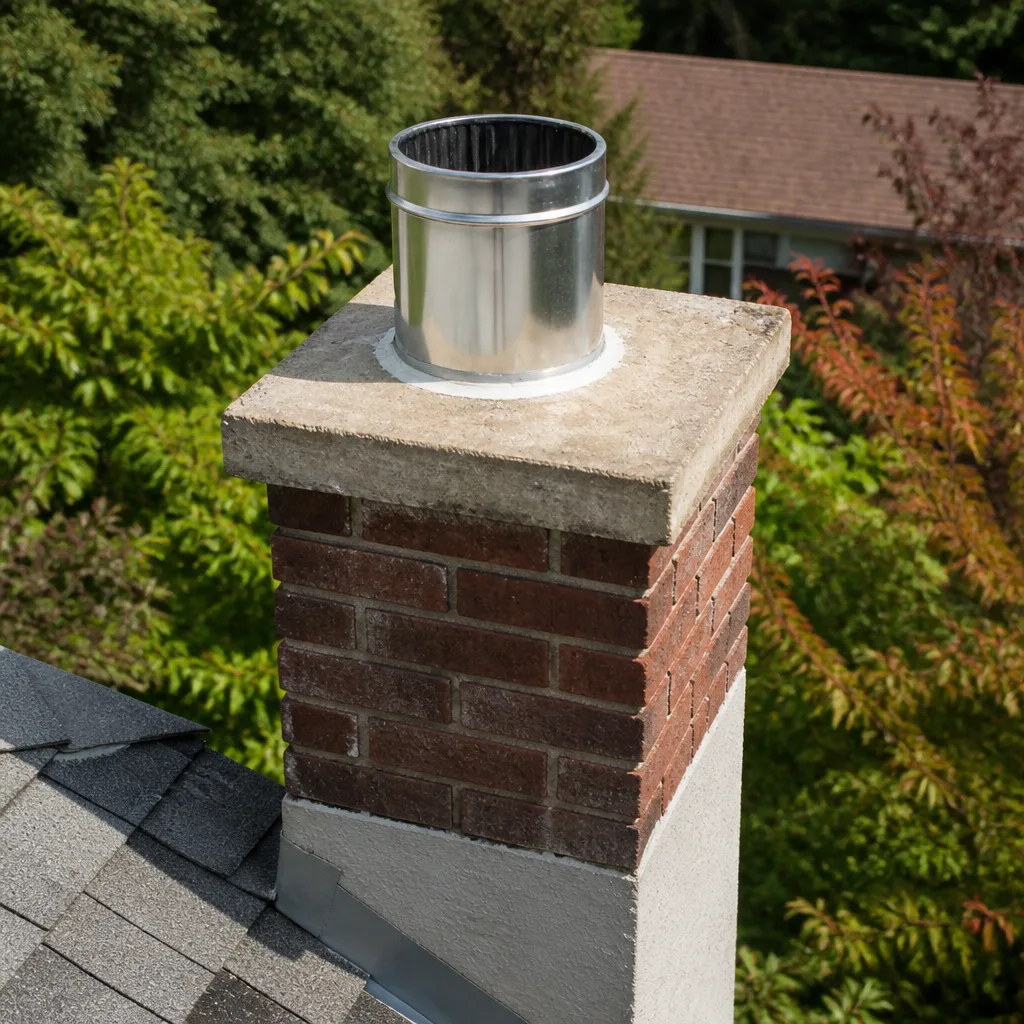 Flue relining
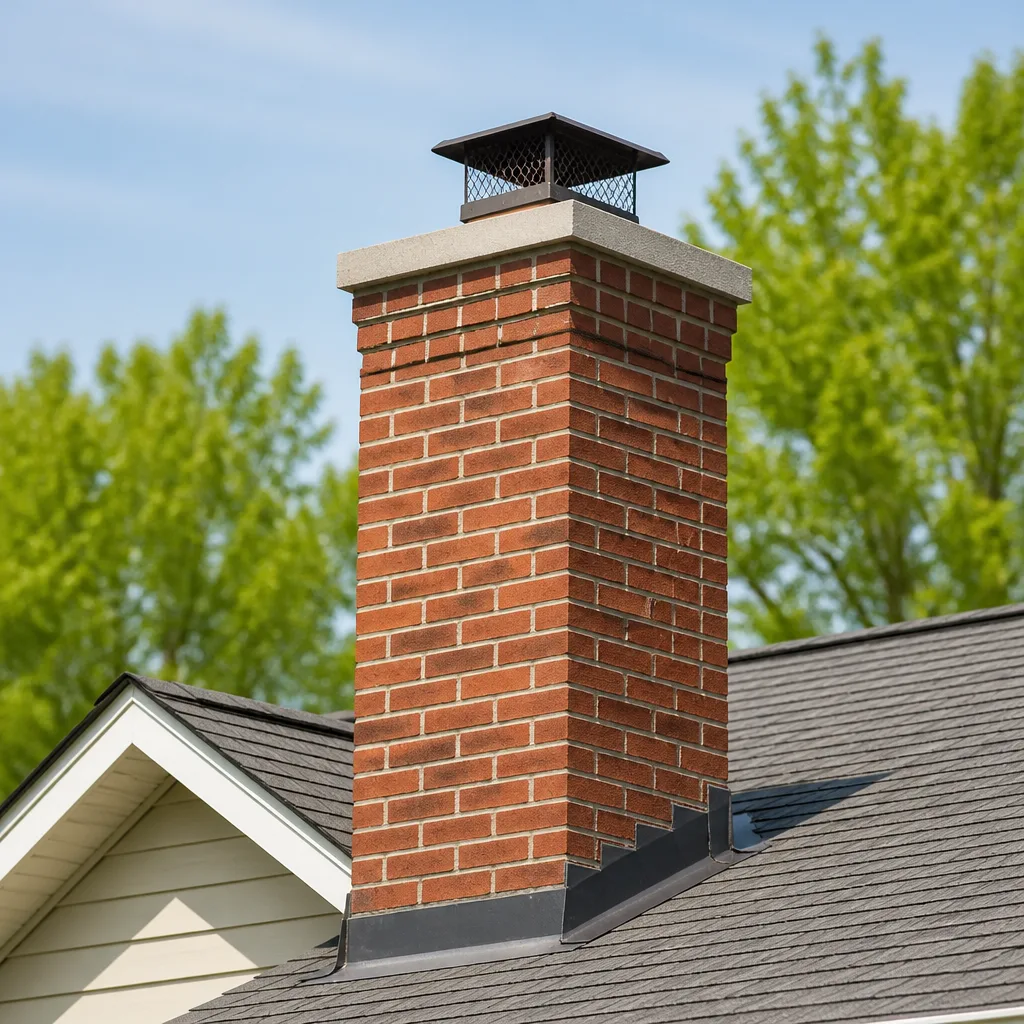 Masonry repair
 Gas fireplace service
Level 1 sweep and inspection to the NFPA 211 annual standard - flue, crown, cap, and flashing checked and photographed
Chimney sweep logs do not sweep chimneys. They loosen some creosote - which then falls where a brush and vacuum still have to collect it.
Chimney Cleaning Emergency Preparedness Guide for Costa Mesa Homes
Most people think a chimney fire announces itself with flames shooting from the roof. In our experience, the opposite is true far more often. A chimney fire can smolder and roar inside the flue for minutes with nothing visible from the street, and a carbon monoxide problem gives no warning at all except a detector that may not be placed where it matters. A chimney fire in Costa Mesa burns at temperatures above 2,000°F, hot enough to warp a steel liner in under 60 seconds and crack a masonry liner the way a kiln cracks improperly dried clay. This guide works backward from that emergency to the small, specific steps that break the chain before it ever starts.
Quick Answer
The best chimney emergency preparation for a Costa Mesa home is a professional inspection and sweep before the burning season, working chimney caps and crowns, a tested carbon monoxide detector placed correctly, and a clear plan for what to do if you ever suspect a fire in progress. Most chimney emergencies start with creosote buildup, a damaged liner, or water intrusion that went unnoticed for months. Catching those on a camera inspection is what prevents the 2,000°F event. Read on for the full checklist, the warning signs, and the exact steps to take if something goes wrong.
Styles & brands we work with
- Sweep & inspection
- Caps & crowns
- Flue relining
- Masonry repair
- Gas fireplace service
Table of Contents
- How Do You Know a Chimney Fire Is Happening Right Now?
- What Should You Do If a Chimney Fire Starts?
- What Happens After a Chimney Fire?
- Carbon Monoxide and Your Costa Mesa Chimney
- Why Santa Ana Conditions Change the Risk
- The Pre-Season Emergency Prep Checklist
- What to Tell Your Insurance Adjuster
- Common Mistakes to Avoid
How Do You Know a Chimney Fire Is Happening Right Now?
An active chimney fire in Costa Mesa announces itself through sound, smell, and how smoke leaves the chimney, not usually through visible flame. The problem is that a slow-burning fire can be quiet enough that a family watching television in the next room never notices. Learning the signals ahead of time is what buys you the minutes that matter.
Listen for a low, rumbling roar that sounds like a distant freight train or a deep whoosh coming from the flue. That noise is the fire feeding on creosote deposits and drawing hard up the chimney. Smell is the second clue: a sharp, hot, tarlike odor that’s much stronger than normal wood smoke, sometimes described as burning rubber or asphalt. Outside, watch the top of the chimney. You may see dense smoke pulsing out in puffs rather than drifting steadily, sparks or embers escaping the cap, or a shimmer of heat distortion above the crown.
Other signals include:
- Popping or crackling sounds louder than the fire in the firebox
- Creosote flakes or black soot landing on the roof or the ground near the chimney
- Smoke backing into the room instead of drawing up
- Discolored or warped metal on a prefab chimney chase, or heat you can feel through the chase wall
- A sudden, strong smell of smoke inside a house where the fireplace is not lit
If any of these are happening, treat it as an active fire until a professional tells you otherwise. Do not assume it will burn itself out safely.
What Should You Do If a Chimney Fire Starts?
If you suspect an active chimney fire, get everyone out of the house, call 911, and do not try to fight it yourself. A chimney fire can spread into the framing of your home within minutes, and the fire department needs to see the chimney while it’s still active to assess the damage.
Here is the sequence in order:
- Get out first. Move everyone, including pets, outside. Call 911 from outside the house. Never stay inside to watch.
- Close the fireplace doors or damper if you can do it safely on your way out. Starving the fire of air can slow it, but only if you can do this in a second without lingering.
- Do not throw water on it. Water on a fire at 2,000°F can crack a masonry flue or flash into steam and push smoke and fire back into the room.
- Watch the roof from outside for sparks. Embers escaping the cap are the main way a chimney fire reaches the roof and attic.
- Wait for the fire department. Let them confirm the fire is out and check the attic and framing for hidden heat.
- Do not relight the fireplace. The liner has likely been compromised. No fire until a professional inspection follows.
What you do in the first 60 seconds matters most. The liner is the part most likely to fail fast, and a warped or cracked liner is what turns a contained fire into a house fire.
What Happens After a Chimney Fire?
After a chimney fire, nothing about the fireplace can be trusted until a professional inspects the entire system. A fire that looked minor from outside can leave a steel liner warped, a masonry liner cracked, or a chimney cap and crown damaged. No fire gets lit again until that inspection is done and written documentation is in hand.
The post-event protocol is straightforward:
- A full chimney inspection, including camera work, to check the liner for cracks, warping, and gaps at the joints
- A check of the firebox, damper, smoke chamber, and chimney crown for heat damage
- A written report with photos, which is what your insurer will ask for
- A sweep of creosote the fire loosened but did not fully burn, because it can drop and block the flue later
This is where the camera inspection earns its keep. In our experience, the difference between a fire that only needs cleaning and one that needs liner restoration shows up on camera, not by eye. The photos also give you proof of what was and wasn’t damaged. If the liner is compromised, a HeatShield restoration can rebuild a damaged flue back to a code-compliant condition in many cases rather than requiring a full tear-out and reline. That repair tier is one reason we work with professional-grade brands like HeatShield, Gelco, Olympia Chimney, and Famco; the material system has to match the diagnosis.
Carbon Monoxide and Your Costa Mesa Chimney
A chimney that’s blocked, cracked, or backdrafting can push carbon monoxide back into a Costa Mesa home instead of carrying it outside, and that risk applies to gas fireplaces and gas appliances just as much as to a wood fire. Carbon monoxide is colorless and odorless, so the only way you know it’s there is a detector. Placement is the whole game.
Guidelines for detector placement around a chimney system:
- Mount a carbon monoxide detector on every level of the home, and one within earshot of each bedroom
- Keep a detector in the same room as any gas appliance, including a gas fireplace, at least a few feet from the unit itself
- Test detectors at least monthly and replace batteries on a set schedule rather than waiting for the chirp
- Replace the whole unit according to the manufacturer’s stated lifespan
A blocked or damaged liner is a common cause of backdrafting. So is a flue that isn’t sized correctly for the appliance, which is why a diagnostic-first inspection matters. The dangerous scenario most people miss is a gas fireplace that vents fine in calm weather and backdrafts under Santa Ana wind conditions. An inspector who understands the local weather patterns knows to look for it.
If you don’t have a carbon monoxide detector near your fireplace, add one this week. That is the single lowest-cost step in this entire guide.
Why Santa Ana Conditions Change the Risk
Santa Ana winds are the specific Costa Mesa weather event that changes how a chimney behaves. When strong, dry, warm air pushes in from the east, it can create pressure imbalances that make a chimney backdraft instead of drawing smoke up. The flue that worked perfectly last week may spill smoke into the living room on a windy night.
What to watch for during Santa Ana conditions:
- Smoke rolling into the room instead of rising up the flue when you light a fire
- A gas fireplace that seems to burn but smells off, or that sets off a carbon monoxide detector
- Dust and ash blowing back down the chimney into the firebox
- A strong downdraft through the chimney when nothing is burning
Backdrafting under these conditions is a carbon-monoxide risk, not just a smoky-room annoyance. If your fireplace pushes smoke into the house during Santa Ana winds, stop using it and have the system inspected. The fix may be as simple as a properly sized cap or as involved as liner work, but you can’t tell which without the camera. Costa Mesa homes near the hillside edges of the city see these pressure swings more sharply than those tucked into flatter neighborhoods, and it’s worth knowing which side of that your own house sits on.
The Pre-Season Emergency Prep Checklist
The prep that prevents most chimney emergencies can be done in a weekend before the burning season starts. Do these in order, and the chain that leads to a chimney fire gets broken at the earliest link. In our experience, most emergency calls trace back to one of these items being skipped.
- Book a professional inspection and sweep. This is the foundation. A camera inspection finds creosote buildup, liner damage, and hidden obstructions before they matter. It also gets documented and photographed.
- Test every carbon monoxide and smoke detector. Check the batteries and the placement near the fireplace and on each level.
- Inspect the chimney cap and crown from the ground. A missing or rusted cap lets rain and animals in. A cracked crown lets water into the masonry, which is the leading cause of chimney water damage. If you see a damaged cap or crown, it’s a cap and crown job, not a wait-and-see item.
- Know your liner’s condition. If the inspection shows cracks or gaps, address them now rather than mid-season. A HeatShield restoration can bring a masonry flue back to code-compliant condition without a full rebuild in many cases.
- Clear the firebox and check the damper. Remove ash that could block airflow and make sure the damper opens and closes fully.
- Check the woodpile. Use only seasoned, dry firewood. Green or wet wood produces far more creosote, and that creosote is the fuel a chimney fire feeds on.
- Write down your emergency plan. Confirm everyone knows the drill: out of the house, call 911, no water, no relighting.
The single most important item is the first one. Everything else is easier to confirm once you have a professional inspection report showing what’s actually going on inside the flue.
What to Tell Your Insurance Adjuster
What you say to your insurance adjuster after a chimney fire matters, and the safest thing to say is that a professional inspection report is on the way. Adjusters work from documentation, and the documentation starts at the scene or as close to it as you can get a professional eyes-on inspection.
Tell your adjuster:
- That a fire occurred and when it was discovered
- That a full chimney inspection with camera evidence and a photo report is being scheduled
- That you will provide the written inspection report and photos once complete
What not to say, before the inspection report is in hand:
- Don’t guess at the cause. “I think it was the creosote” can lock you into a story before an inspection confirms it.
- Don’t estimate the damage. “It looks like just the liner” can undersell what the camera later reveals.
- Don’t describe prior problems you aren’t sure were problems. Let the report speak.
The reason documentation starts at the scene is that heat damage can look like nothing until it’s inspected. A camera inside the flue shows cracks and gaps that a quick glance from the firebox misses entirely. That’s why our inspections produce a photo report as a standard deliverable, not an add-on. The proof protects you, and it speeds the claim.
Common Mistakes to Avoid
- Assuming no visible flame means no fire. A slow chimney fire can smolder for minutes with nothing showing from the roof. Trust the roar and the smell, not the view from the yard.
- Relighting the fireplace after a suspected fire without an inspection. A compromised liner can look fine from the firebox. No fire until the camera says it’s safe.
- Skipping the carbon monoxide detector near a gas fireplace. Gas fireplaces backdraft under Santa Ana conditions, and a detector two rooms away won’t catch it in time.
- Waiting until the first cold snap to book a sweep. Creosote builds up over a season whether you noticed it or not, and a last-minute booking means burning on an inspected-but-unknown flue. Schedule ahead of the burning season.
- Ignoring a missing or damaged cap and crown. Water intrusion through the crown is the leading cause of serious chimney water damage, and it can sit unnoticed for months. A cap and crown install is a small job that prevents a large one.
- Burning green or unseasoned wood. It produces far more creosote than seasoned wood, and creosote is the fuel source for most chimney fires.
- Telling your insurer a cause before the inspection report exists. An early guess can become a problem when the camera reveals more than you expected.
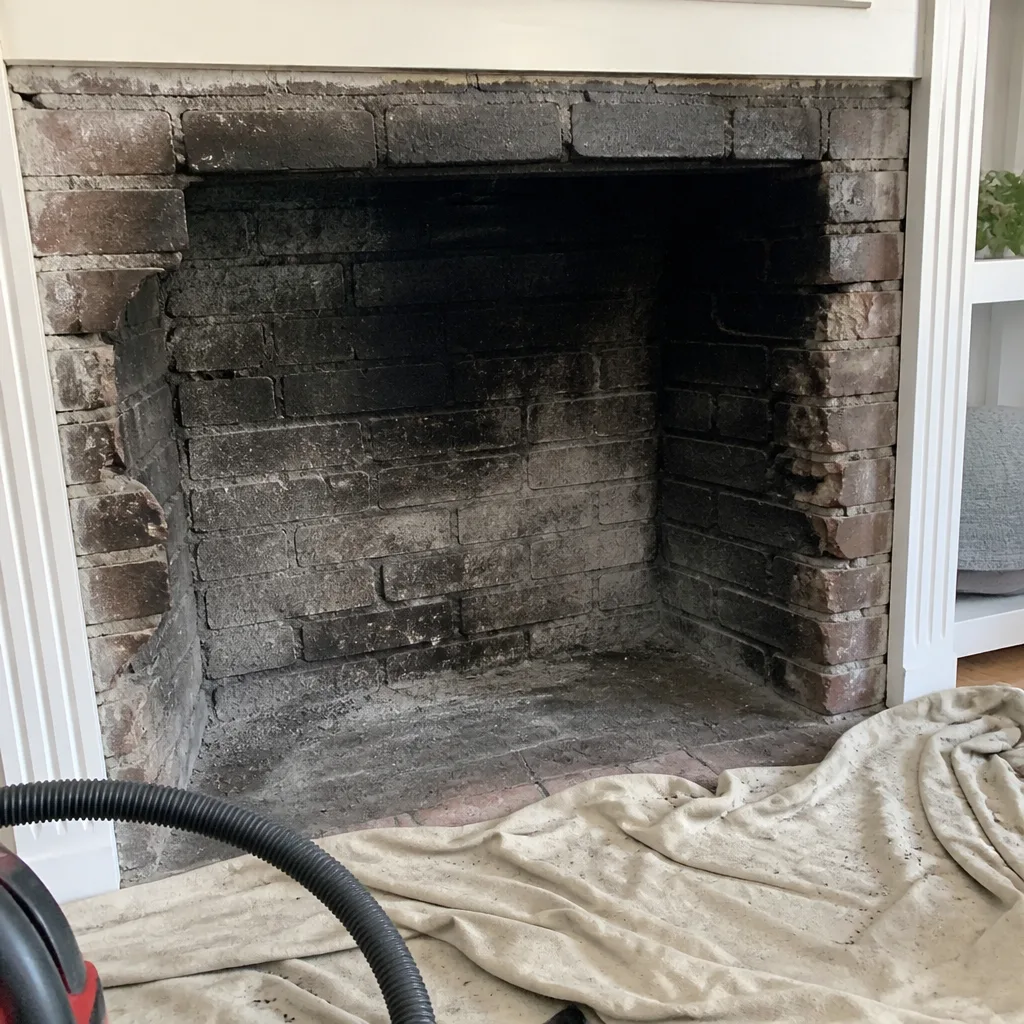
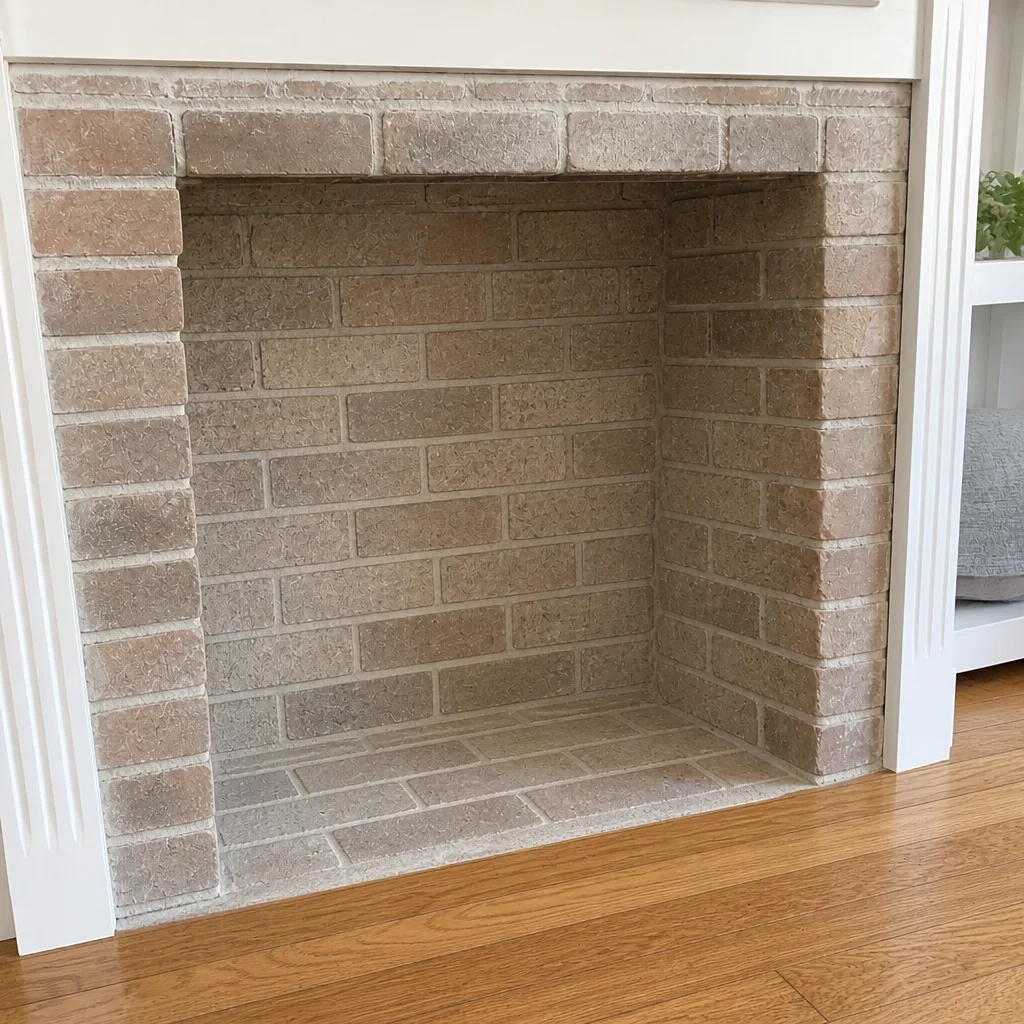
See the difference
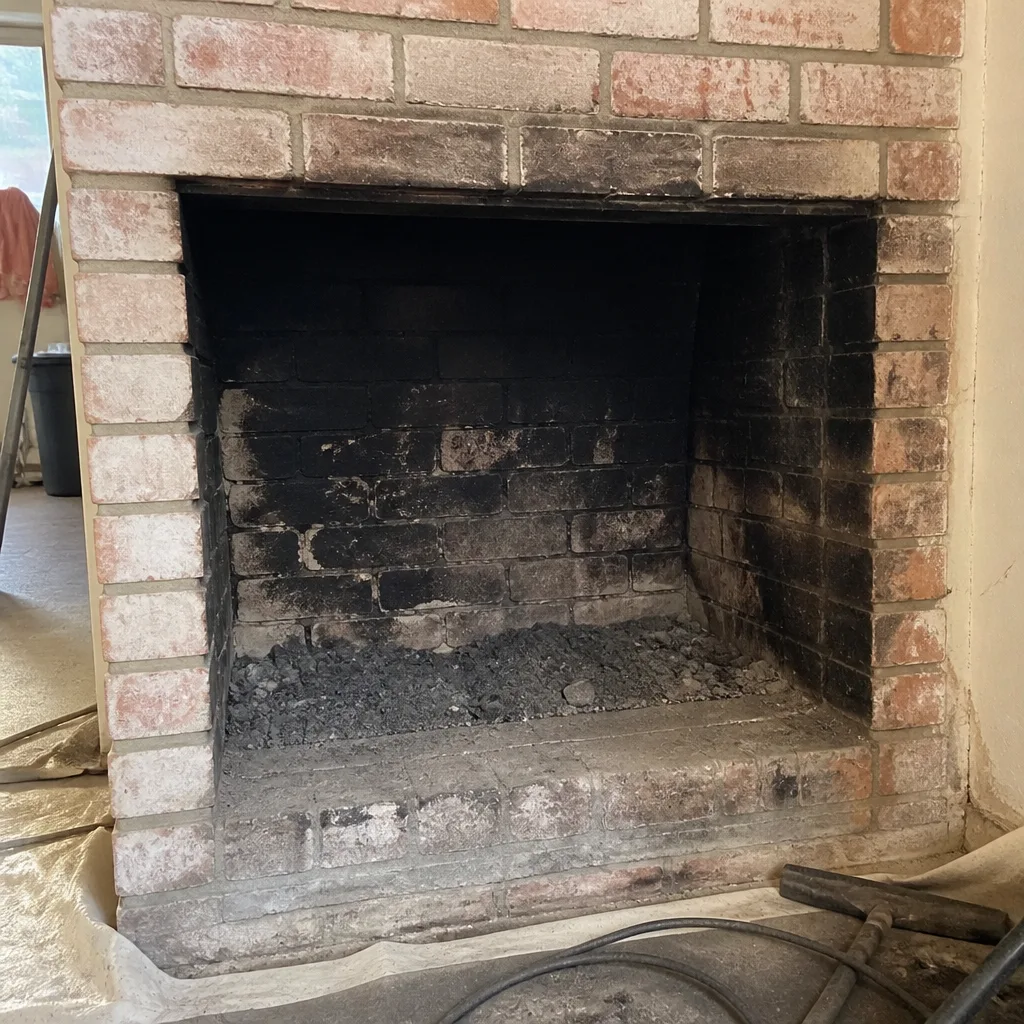 Before
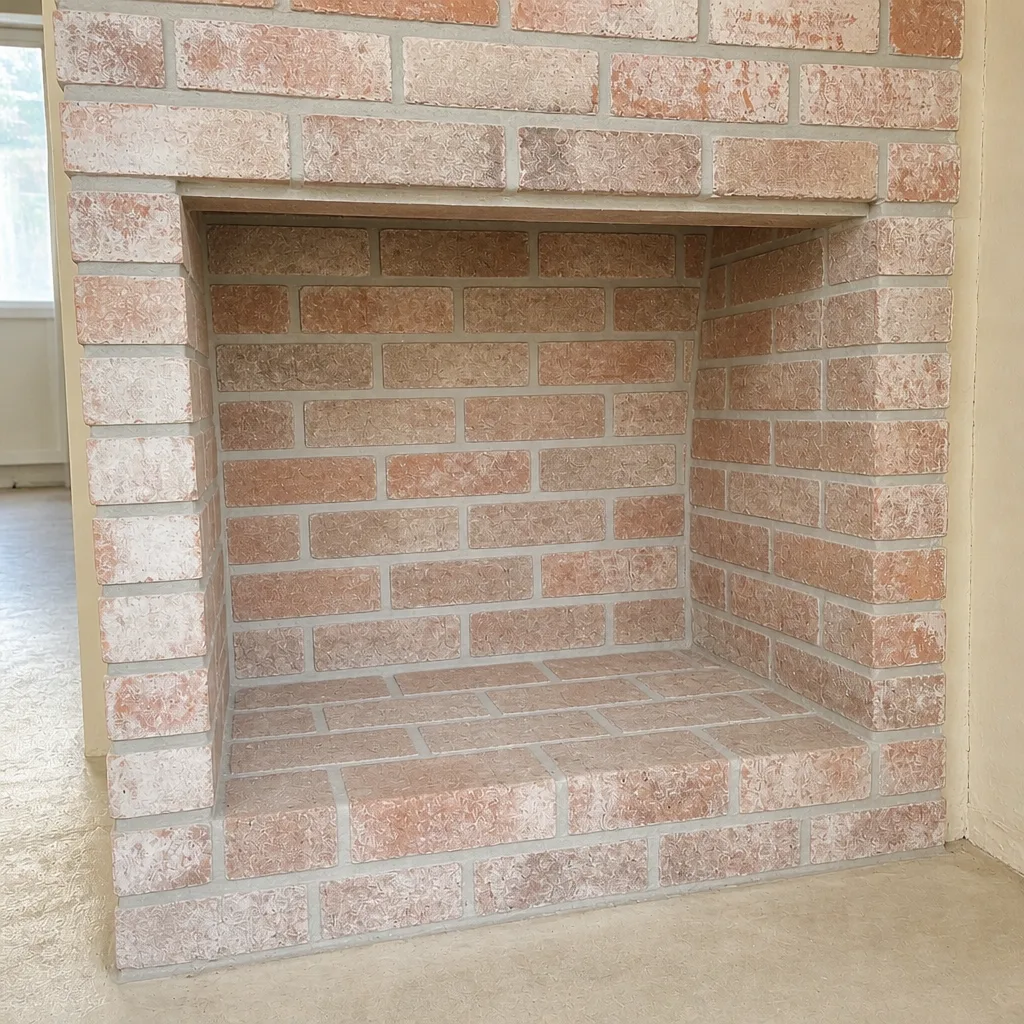 After
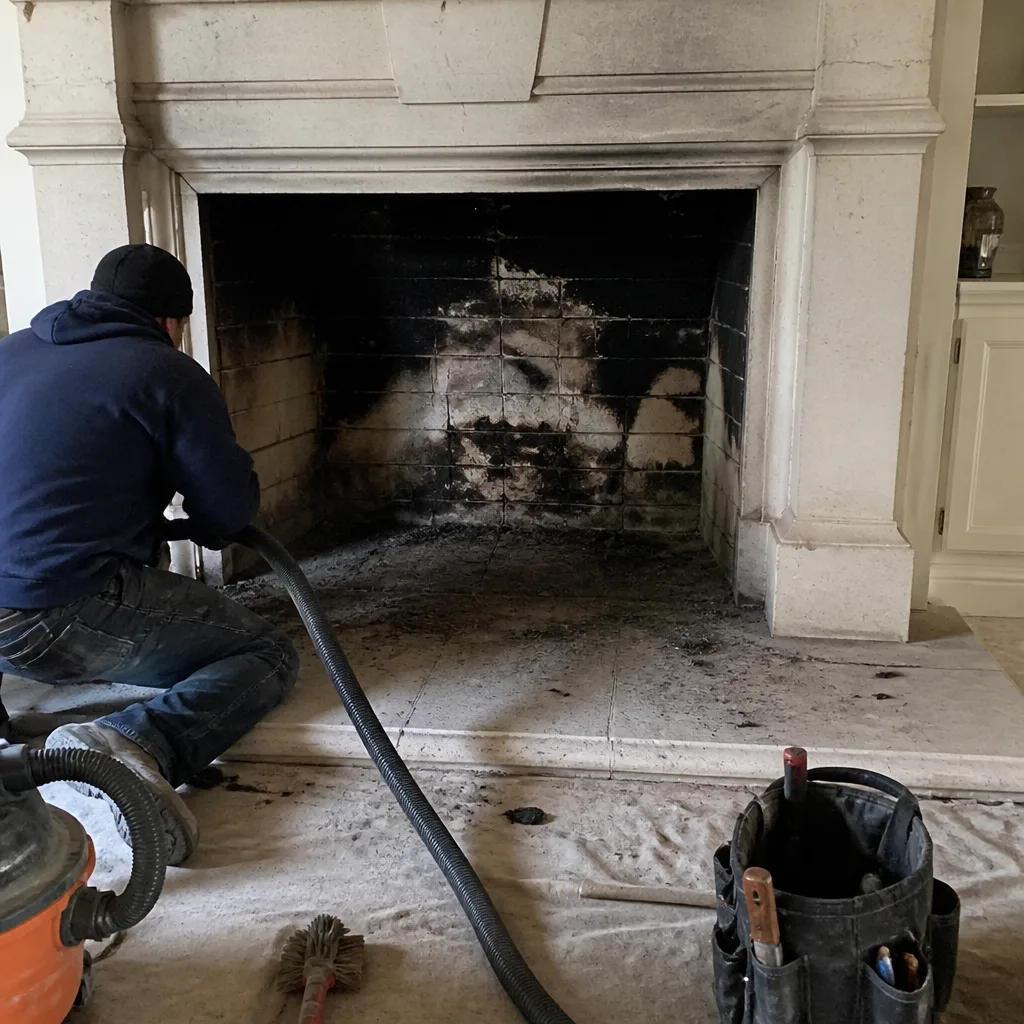 Before
 After
 Before
 After
When to Call a Professional
Call a professional chimney specialist if you’ve had an active or suspected chimney fire, if your carbon monoxide detector has alarmed near a fireplace or gas appliance, if smoke backs into the room during Santa Ana winds, or if your cap or crown is missing or damaged. Also call if it’s been more than a season since your last inspection and sweep, or if the flue has never been checked with a camera. These are all cases where the diagnosis matters more than the fix, and you can’t diagnose what you can’t see. Costa Mesa Chimney Sweep Co offers free estimates in Costa Mesa. Call (855) 550-7756. We answer 24/7. Fast dispatch from 7am to 7pm, Sunday through Friday.
Frequently Asked Questions
Pricing comes as a written estimate after we assess the job, and the estimate is free. Cost depends on the chimney configuration, how much creosote has built up, and whether repair work like a HeatShield restoration or a cap and crown install is needed. You get a flat, written price before any work is booked, so there are no surprises. Call (855) 550-7756 for an exact quote. Estimates are free.
Most wood-burning chimneys should be swept and inspected once a year, and gas fireplaces should be inspected annually too. Heavy use pushes you toward annual or even more frequent cleaning. The camera inspection each year is what catches liner damage before it becomes a chimney fire risk. Call (855) 550-7756 to get on the schedule before the burning season.
Yes. A slow chimney fire can burn quietly inside the flue with no visible flame or smoke from the roof, and the only signs may be a low roar, a hot tarlike smell, or crackling louder than the fire in the firebox. That’s why the annual inspection matters: it finds the creosote and liner damage that set the stage for a hidden fire. Call (855) 550-7756 to book an inspection.
Strong Santa Ana winds can create pressure imbalances that make a gas fireplace backdraft, pulling exhaust back into the room instead of venting it up the flue. That’s a carbon monoxide event, not a minor draft problem. Stop using the fireplace and get it inspected. Call (855) 550-7756.
Get everyone out of the house, call 911, and do not relight the fireplace until a professional inspects the liner. Do not throw water on it, and don’t stay inside to watch. The liner is the part most likely to fail fast after a fire, and the inspection is what confirms it held. Call (855) 550-7756 once the fire department has cleared the scene.
Whether it can wait depends on what a camera inspection shows, and some liner damage genuinely can wait while other damage cannot. We don’t recommend a reline or a HeatShield restoration without camera evidence you can see for yourself, and when the work can safely wait, we say so. Fire-safety repairs are never quoted sight-unseen. Call (855) 550-7756 for an inspection and a free estimate.
The Bottom Line
A chimney fire or carbon monoxide event in Costa Mesa doesn’t start the moment something goes wrong. It starts months earlier with creosote that built up, a liner that cracked, a cap that went missing, or a detector that never got installed. The guide’s core message is simple: break the chain before the emergency. Book a professional inspection and sweep before the burning season, keep your cap and crown in good repair, place a carbon monoxide detector near every gas appliance and fireplace, and know the sequence to follow if you ever suspect a fire. For the work itself, start with a Costa Mesa Chimney Sweep Co team that diagnoses before it quotes.
When something does go wrong, you want one call to cover it. Costa Mesa Chimney Sweep Co handles the full system from inspection to crown: a chimney sweep to clear the creosote, fireplace repair to address what the fire touched, and chimney repair plus cap and crown work to close it back up against the weather. Our technicians have up to 10 years of experience, and every recommendation is backed by camera footage and a written report. Call (855) 550-7756 for a free estimate. We answer 24/7. Fast dispatch from 7am to 7pm, Sunday through Friday.
Written by the team at Costa Mesa Chimney Sweep Co.