
Last updated November 25, 2026
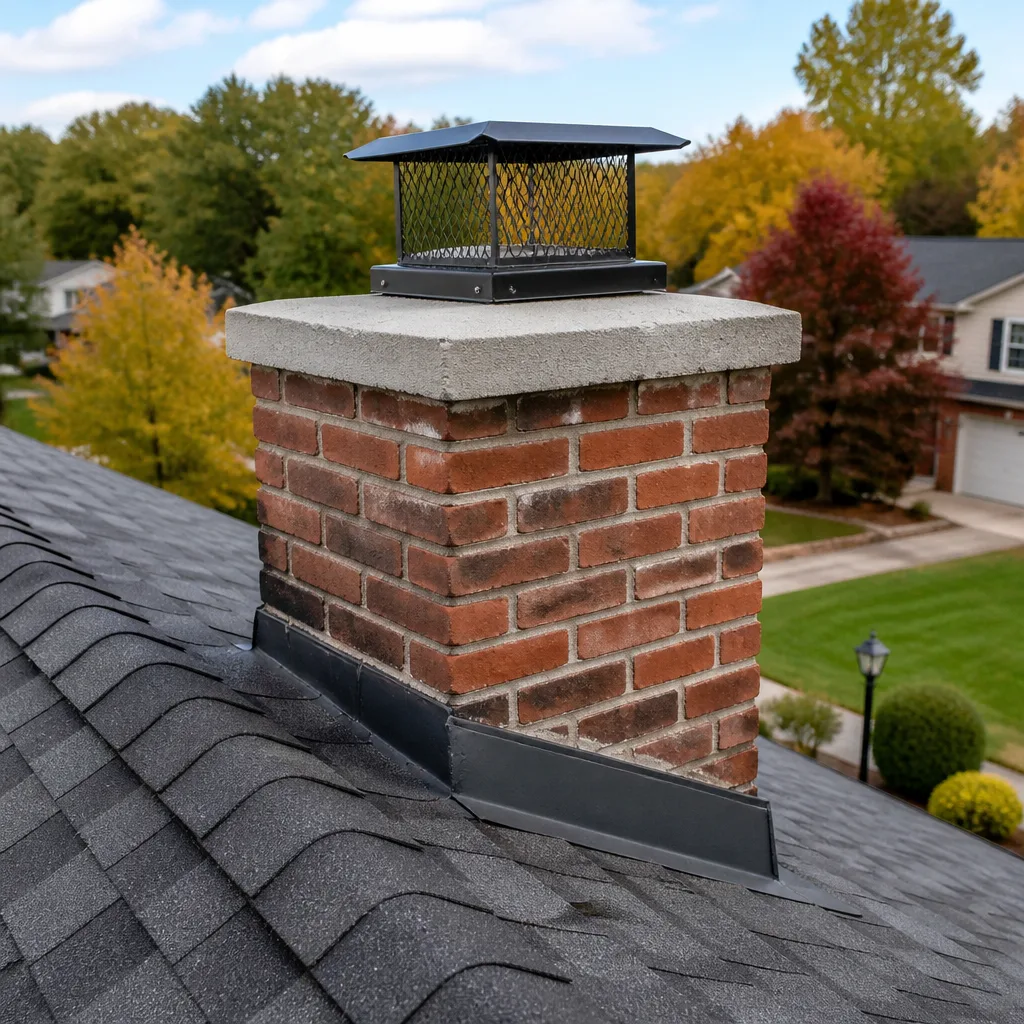 Sweep & inspection
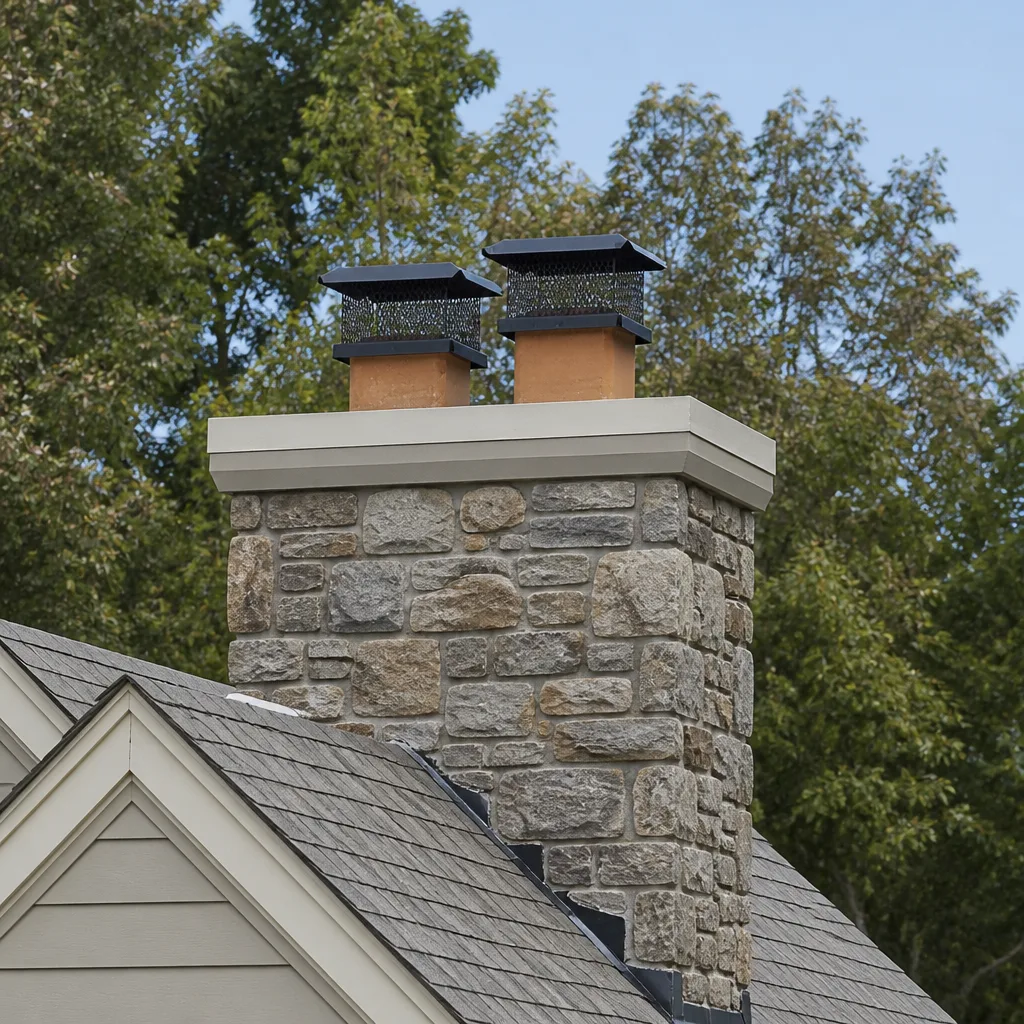 Caps & crowns
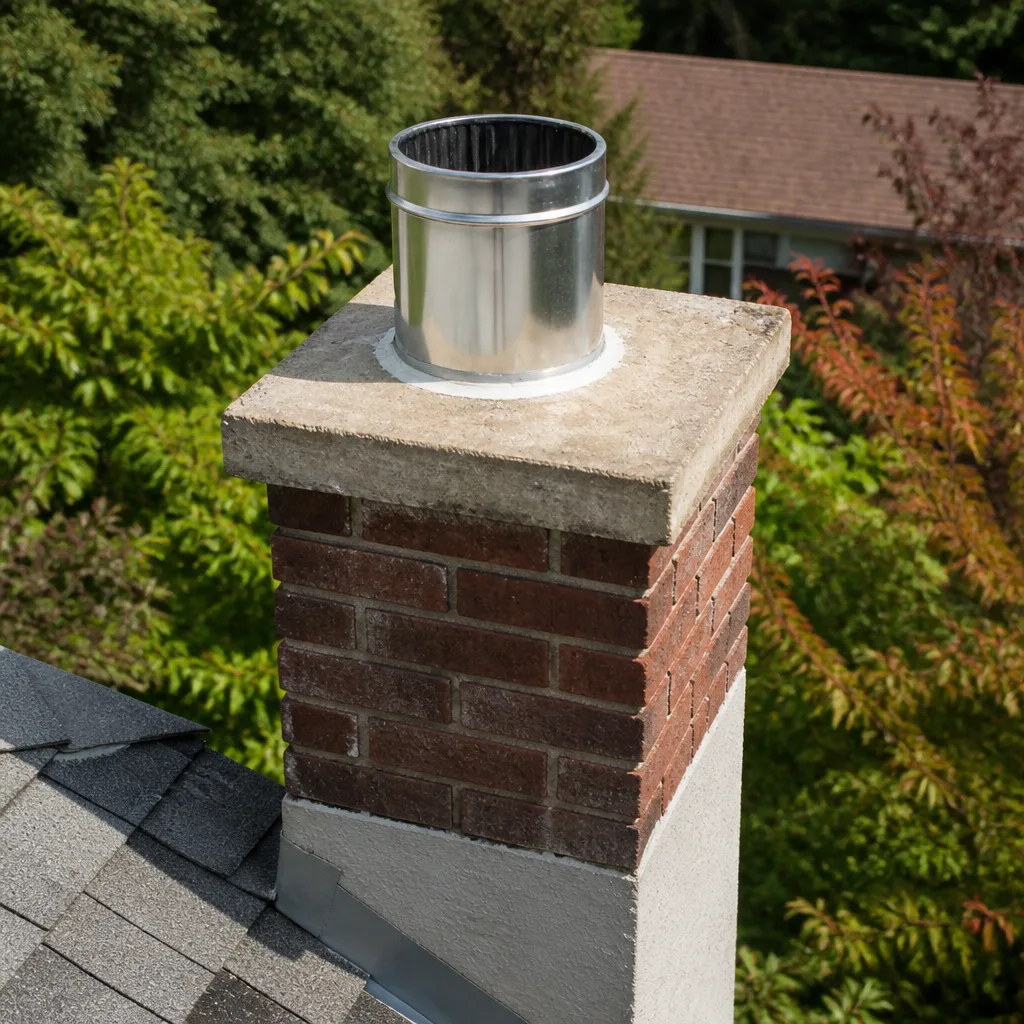 Flue relining
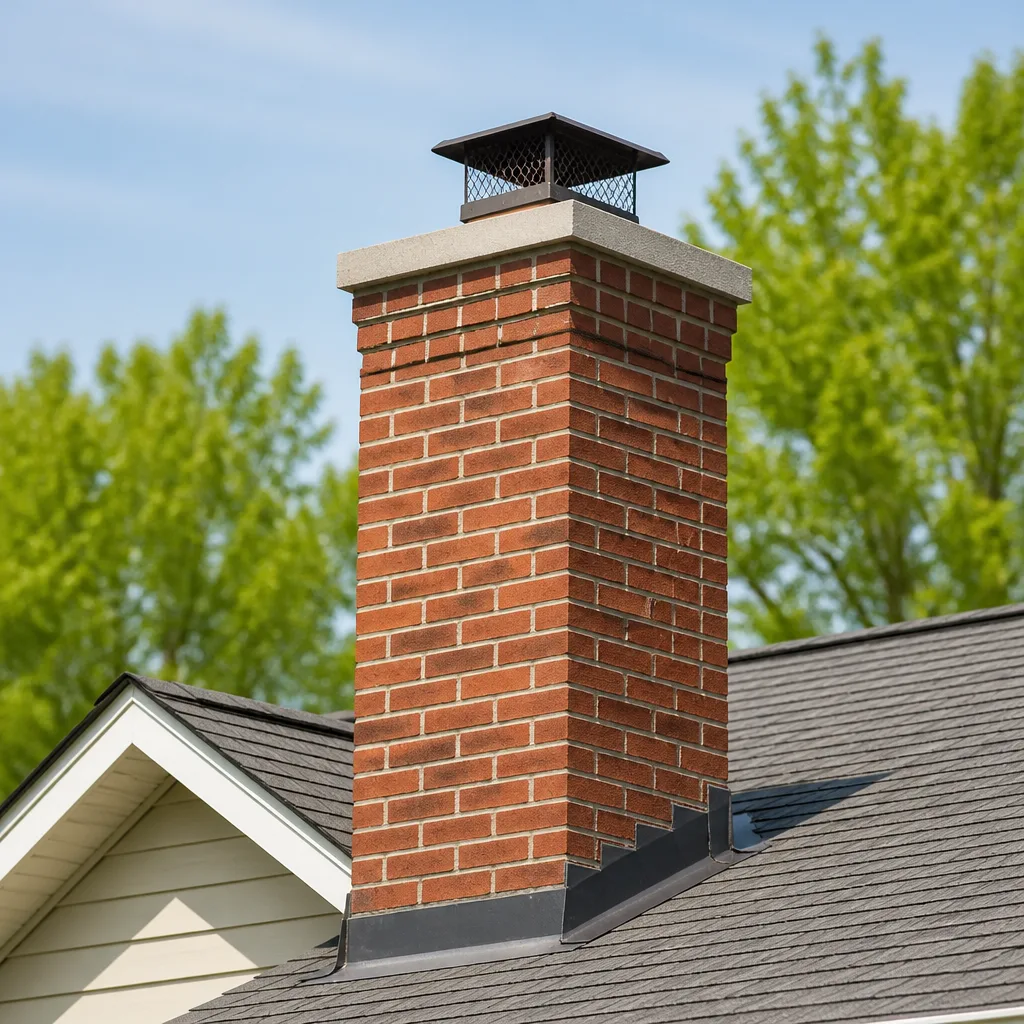 Masonry repair
 Gas fireplace service
Level 1 sweep and inspection to the NFPA 211 annual standard - flue, crown, cap, and flashing checked and photographed
Chimney sweep logs do not sweep chimneys. They loosen some creosote - which then falls where a brush and vacuum still have to collect it.
Chimney Cleaning Permits, Codes & Inspections in Costa Mesa, CA: What You Need to Know
A routine chimney cleaning almost never requires a permit. Replacing a crown, relining a flue, or knocking out and rebuilding a firebox usually does. That gap between “maintenance” and “structural repair” is where Costa Mesa homeowners get tripped up. A crown replacement looks like housekeeping. Orange County treats it as a structural repair, and that classification decides whether your homeowner’s insurance will stand behind the next claim. This guide walks through the permit thresholds, the code layers that apply to chimney work in Costa Mesa, what a proper inspection actually requires, and how to confirm a contractor’s work is compliant before they drive away. No code-speak. Just the rules that matter, translated.
Quick Answer
In Costa Mesa, routine chimney sweeping and Level 1 inspections generally don’t require a permit. Structural work does: crown replacement, chimney rebuilding, chase modification, flue relining with a new liner system, and fireplace insert installations all typically trigger a permit from the City of Costa Mesa’s building department. Which standard applies depends on the job, and the layers stack – California Building Code, local amendments from the Orange County Fire Authority and the South Coast Air Quality Management District, and the NFPA 211 standard that governs chimney inspections nationwide. When in doubt, call the city’s building department before work starts. It’s a five-minute phone call that can save you a much larger headache.
Styles & brands we work with
- Sweep & inspection
- Caps & crowns
- Flue relining
- Masonry repair
- Gas fireplace service
Table of Contents
- Which Chimney Jobs Need a Permit in Costa Mesa (and Which Don’t)
- How Title 24 Intersects With Fireplace and Insert Work
- NFPA 211 and What It Means for Your Inspection
- What a Level 2 Inspection Actually Requires
- The Documentation You Should Receive
- How to Confirm a Contractor’s Work Is Code-Compliant
- Common Mistakes to Avoid
- Frequently Asked Questions
Which Chimney Jobs Need a Permit in Costa Mesa (and Which Don’t)
This is the single most useful distinction a chimney owner in Costa Mesa can learn. Most chimney work falls into one of three buckets: exempt maintenance, permitted repair, or engineering-review territory. Here’s how the buckets break down in practice.
Exempt: routine maintenance
- Sweeping the flue to remove creosote and soot
- Level 1 inspection with basic visual checks
- Replacing a spark arrestor screen or a loose damper bracket
- Removing a bird nest, debris, or a leaf damper
- Wiping down a firebox face
None of these alter the structure, the flue path, or how the chimney performs against fire or venting. They’re part of routine upkeep, and no permit is required.
Permitted: structural repair
- Chimney crown replacement or pouring a new crown
- Rebuilding above-roof masonry, including flue tile and brick
- Installing a new stainless steel liner system
- Applying a HeatShield restoration to a damaged flue
- Replacing a chase cover or modifying the chase enclosure
- Adding or replacing a chimney cap where it involves anchoring into the crown
- Installing a fireplace insert
Any of these changes the way the chimney functions as a system. When we handle work in these tiers, we route it through the permit path with the City of Costa Mesa. If the structure is over a certain size or the repair touches load-bearing masonry, the city may require a licensed engineer’s stamp on the plans.
Engineering-review territory
Full chimney rebuilds, structural reinforcement of a freestanding chimney, or any repair that extends above a certain height past the roof plane often requires a California-licensed structural or civil engineer to sign off. The City of Costa Mesa decides case by case. Don’t guess. Ask.
How Title 24 Intersects With Fireplace and Insert Work
California’s Title 24 energy code is a familiar name to anyone who’s built or remodeled in the state, but it’s not usually the first thing homeowners think of when they’re planning a fireplace project. It matters, especially in existing homes. Title 24 sets performance standards for how a home manages energy, including how fireplace dampers and combustion appliances interact with the building envelope.
Where it bites
A conventional open fireplace with a leaky damper is a draft path – one of the biggest holes in an older home’s thermal shell. If you’re installing a gas insert, a wood-burning insert, or upgrading a damper to a sealed flue system, the work needs to meet current Title 24 requirements for that appliance category. That usually means:
- The appliance must be a listed, certified unit – no cobbling together an unlisted insert and claiming it’s sealed
- The venting and exhaust path must be appropriate to the appliance type (a Category I vented gas appliance, for example, has different venting rules than a wood-burning insert)
- Any new electrical or gas connections must be code-compliant
- Documentation for the appliance and its installation must be kept on file with the permit
We work with brands like DuraFlex and Copperfield for liner and venting components precisely because they come with certification documentation. That paperwork is part of a clean permit. It’s also what an inspector wants to see when they arrive on-site.
Older Costa Mesa homes
Much of Costa Mesa’s housing stock predates the first Title 24 updates. If your home was built before the modern version of the code applied, a fireplace upgrade is an opportunity to bring the venting side up to current standards. That’s not just compliance for compliance’s sake. A properly vented insert that meets Title 24 is easier on your energy bill and less prone to backdrafting than an open fireplace with a warped damper.
NFPA 211 and What It Means for Your Inspection
NFPA 211 is the national standard for chimneys, fireplaces, vents and solid fuel-burning appliances. It’s not a law in itself, but it becomes enforceable in a few ways: it’s the standard that the California Building Code references for chimney and vent work, and it’s the standard that inspectors and technicians are expected to follow when they evaluate a chimney. Where the local building code is silent on a question, NFPA 211 fills the gap.
What NFPA 211 actually requires
The standard lays out chimney construction requirements, clearance-to-combustibles distances, and – most importantly for the homeowner – the three levels of inspection. It also defines what a technician must examine and document at each level. NFPA 211 is a big document. But the practical version is what a trained inspector uses.
Local adoption and where it bites in Costa Mesa
The California Building Code adopts and amends NFPA 211 in how chimney and vent work is approved. The City of Costa Mesa’s building department applies those codes during permitting. The Orange County Fire Authority, which provides fire service to Costa Mesa, also expects NFPA 211 compliance when it responds to chimney-related incidents. That’s why documented inspections matter. If a fire ever occurs, an inspector’s report showing a Level 2 inspection within the recommended timeframe is one of the first things an insurance adjuster asks for.
One more layer: the South Coast Air Quality Management District governs wood-burning activity for the region. There are voluntary curtailment days where wood burning isn’t permitted, and in some areas (including parts of Orange County) stricter rules apply to new fireplace installations. These aren’t strictly chimney-construction rules, but they affect how you can use the system after it’s built. If you’re installing a wood-burning appliance in Costa Mesa, check SCAQMD rules before you commit to a fuel type.
What a Level 2 Inspection Actually Requires
A Level 2 inspection is the standard required any time a property changes hands, a fuel type changes, an appliance changes, or a chimney has sustained damage from a fire or weather event. It’s also the level insurance companies ask for when a chimney claim is filed. The trouble is that a lot of companies advertise “Level 2” and deliver something closer to a Level 1 with a photo attached.
What Level 2 actually requires per NFPA 211
A true Level 2 inspection includes everything a Level 1 does (visual exam of the accessible interior and exterior of the chimney, firebox, damper, and appliance connections), plus:
- Access to all accessible portions of the chimney interior
- Video scanning of the flue using a camera where accessible
- Access to attics, crawl spaces, and other concealed areas where the chimney passes through
- Documented findings on the physical condition of the flue liner, damper, crown, cap, and flashing
- A written report noting defects and recommended corrections
What a lot of crews skip
- Video scanning of the flue – they run a camera but only photograph the firebox
- Crawl space and attic access – they never look where the chimney actually passes through framing
- Documented findings in a written report – verbal notes don’t survive
- Time on the roof – a real Level 2 means getting to the top to inspect the crown, cap, and masonry from above
If you’re scheduling a Level 2 in Costa Mesa, ask ahead of time what’s included. Specifically ask if the flue gets video-scanned and whether you’ll get a written report. Those two answers separate a genuine Level 2 from a labeled Level 1. This is where a dedicated chimney specialist shows the difference – our whole trade is diagnosing chimney systems, so the inspection isn’t a checkbox alongside plumbing or HVAC calls.
If your inspection turns up a fireplace issue that needs repair, fireplace repair is where that diagnosis translates into a proper fix – all handled in-house, no referring out to somebody else who has to re-diagnose the same problem.
The Documentation You Should Receive
A chimney inspection without documents is a missed opportunity. The paper trail is what lets you, a future buyer, your insurance carrier, and a fire investigator all trace what was found and when. Here’s what belongs in your file after a proper inspection and any permitted repair work.
After an inspection
- A written inspection report signed by the company that did the work, with the date
- Photographs of the fireplace, firebox, damper, crown, cap, and any defects found
- Photos or video stills from the flue scan
- A clear notation of which inspection level was performed (Level 1, 2, or 3), per NFPA 211
- Recommendations stated plainly – what needs fixing now, what can wait, and why
After permitted repair work
- The permit number from the City of Costa Mesa
- Inspection sign-off from the city or the Orange County agency that performed it
- Manufacturer documentation for any liner, cap, crown product, or insert used – if we install a DuraFlex liner or a HeatShield restoration, we hand over that spec sheet
- Any engineer’s letter, if the scope required one
- A written statement of what was actually installed (brand, model, dimensions, materials)
Keep all of this with your property records. If you ever sell, these documents are gold. Buyers’ inspectors want to see them. Some lenders ask for them at closing. And if there’s ever a fire or a carbon monoxide event, an insurance adjuster will want to know the chimney was inspected and any repair work was properly permitted.
How to Confirm a Contractor’s Work Is Code-Compliant
You don’t need to become a code expert to protect yourself. You need three checkpoints along the way – before, during, and after – and a willingness to make two phone calls.
Before work starts
- Ask for the permit number in writing. If the work is in the permit tier (see the section above), a legitimate contractor will file for one. The permit number is issued at filing, so it should exist before the crew shows up.
- Ask which inspection level applies to your job and get it in writing.
- Ask what materials will be installed, by brand and model. A company that uses Copperfield or Gelco components will know the answer off-hand. A generalist will often hand it off to “the guy who’s doing it” and hope the question goes away.
- Ask whether the work requires an engineer’s letter. If the answer is “we’ll find out,” keep digging.
During the work
- You should see the permit posted or on-site
- You should be told when the inspector is scheduled (for permitted work, this is required)
- Any unexpected discovery (a cracked flue tile, a rusted damper frame) should be explained to you with photos before any change order is presented
After the work
- Get the passed inspection signed off by the city or agency
- Receive the manufacturer documentation for everything used
- Receive the company’s own written close-out report saying what was done, in plain English
- Re-book a Level 2 inspection in the recommended timeframe (usually not more than once a year for an actively used chimney)
That’s it. Four questions at the start, one document review at the end. You don’t have to understand California Building Code Title 24, Part 9, Section 15 to know whether your contractor is complying. You just need to know what to ask for. If a company can’t produce any of these, that’s your signal – the answer is the answer, and it’s no. Our approach is diagnostic-first: we inspect, photograph, and document before we quote anything. That discipline shows up in the paperwork you leave with.
How Often Should Chimneys Be Inspected in Costa Mesa?
NFPA 211 recommends annual inspection of chimneys, fireplaces, and vents. That’s the baseline regardless of how much you use them. Use adjusts the cleanup side of things, not the inspection side.
Sweep frequency, which is a different question
Sweeping frequency depends on how much you burn. The standard guideline is to sweep after every cord of wood burned, or once a year during the period when the chimney is in use, whichever comes first. If you burn a few fires a month during the cool evenings in Costa Mesa, once a year is usually plenty for a sweep. If you’re a heavy burner, you may need more frequent cleaning.
Costa Mesa-specific considerations
Costa Mesa’s mild climate and the way most homes here use fireplaces (occasionally rather than as a primary heat source) means creosote buildup tends to be slower than in colder parts of California. But that doesn’t mean it doesn’t happen. When a homeowner in Costa Mesa uses the fireplace on cool winter evenings without a regular cleaning schedule, creosote still builds up – and unsafe buildup is what causes chimney fires. The mild weather makes it easier to forget about maintenance, not safer to skip it.
If you’re ever in doubt, a Level 1 inspection is the low-cost call. It’ll confirm whether a sweep is due, and it’ll flag anything that needs escalation to a Level 2.
When a Level 2 inspection reveals problems in the chimney structure itself – a cracked flue tile, a failed crown, a spalling brick course – those are chimney repair issues, not sweep issues, and they need to be handled as their own project with their own permit if the scope requires one.
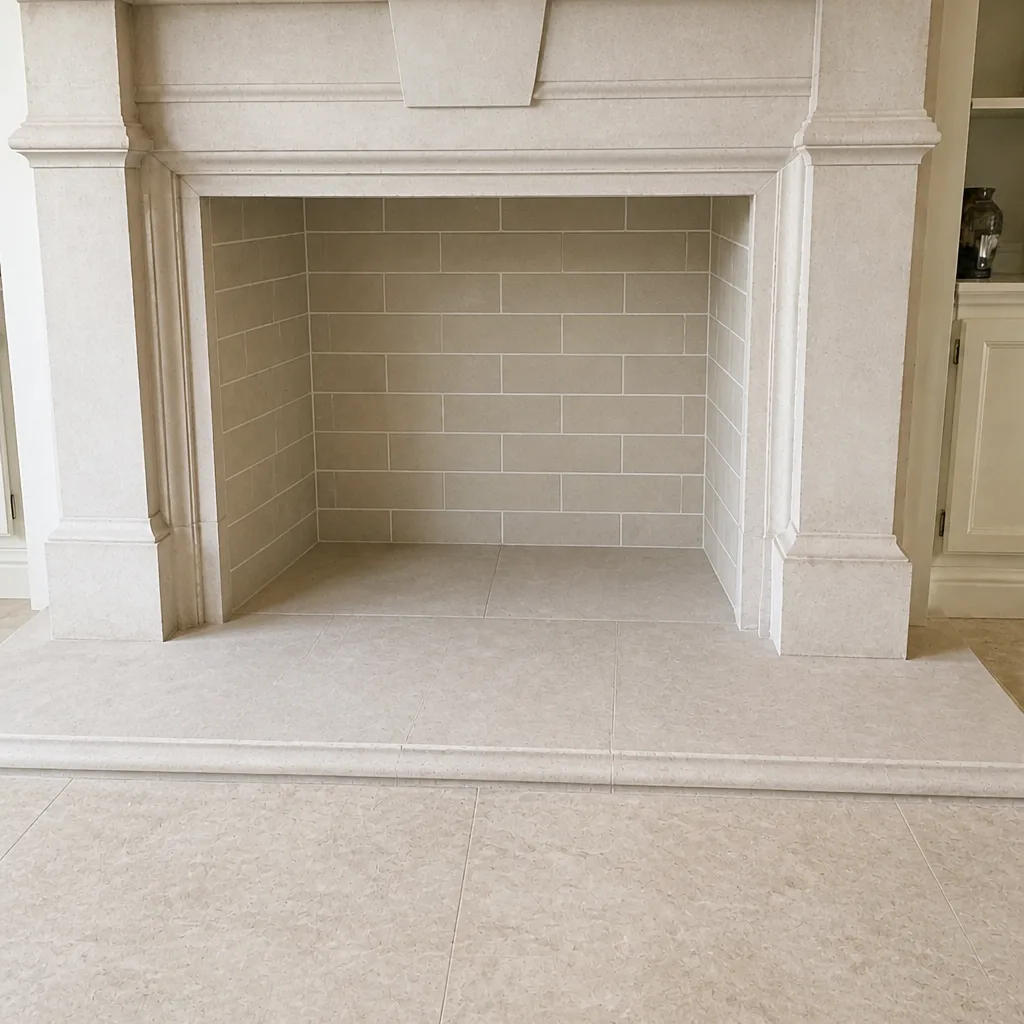
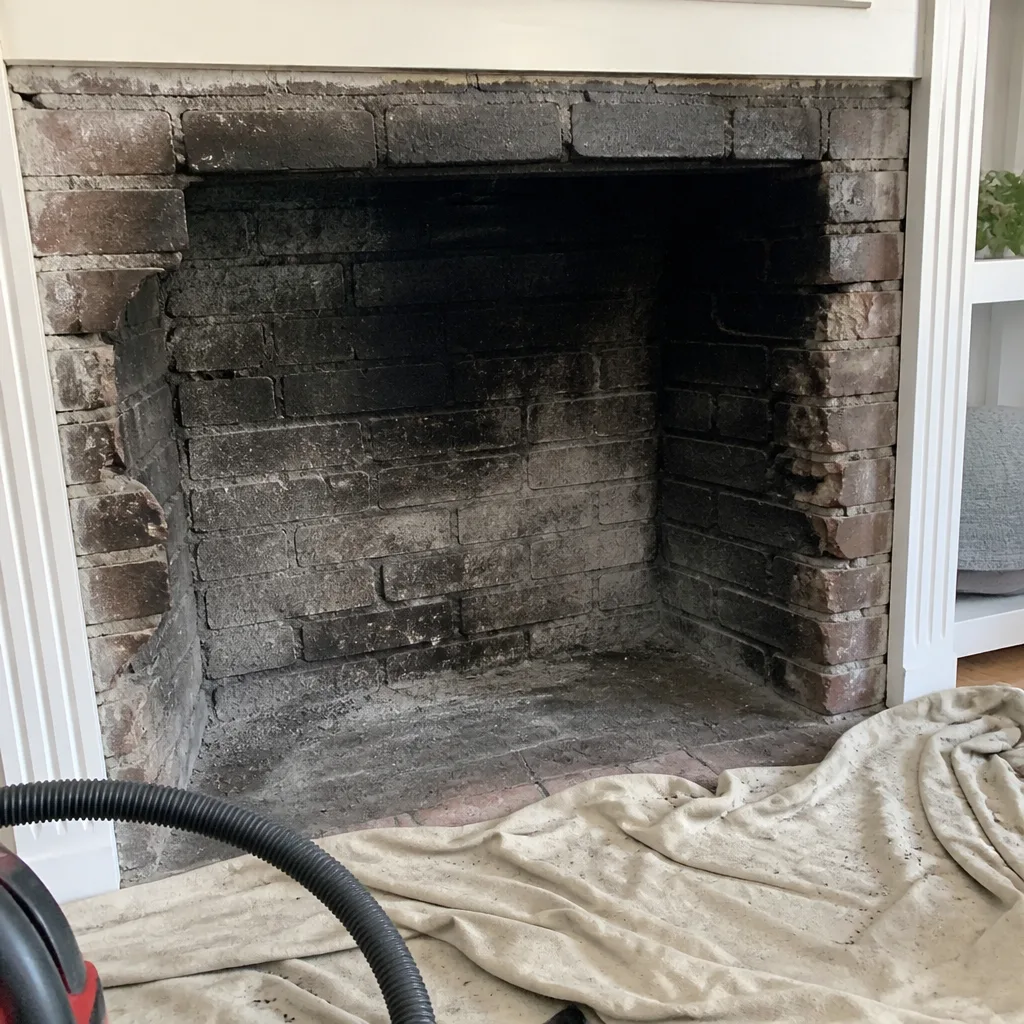
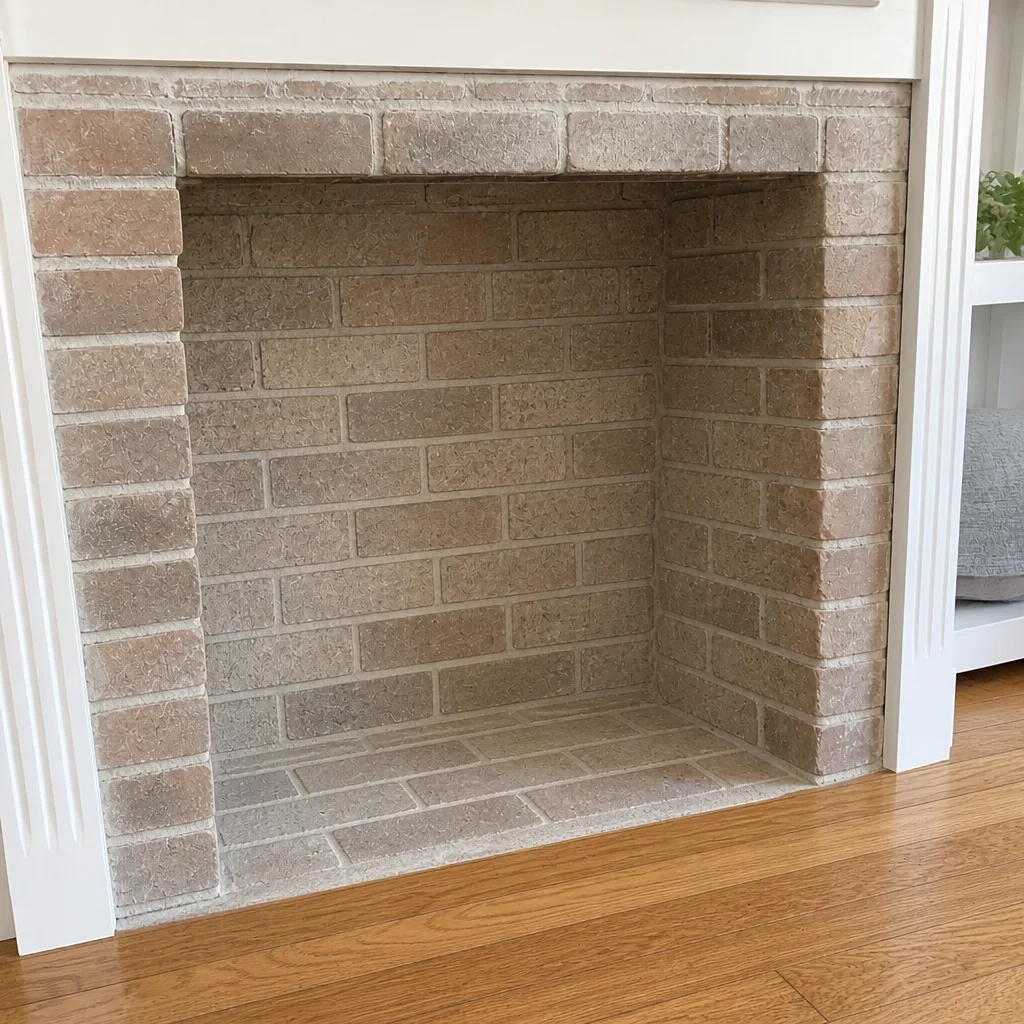
See the difference
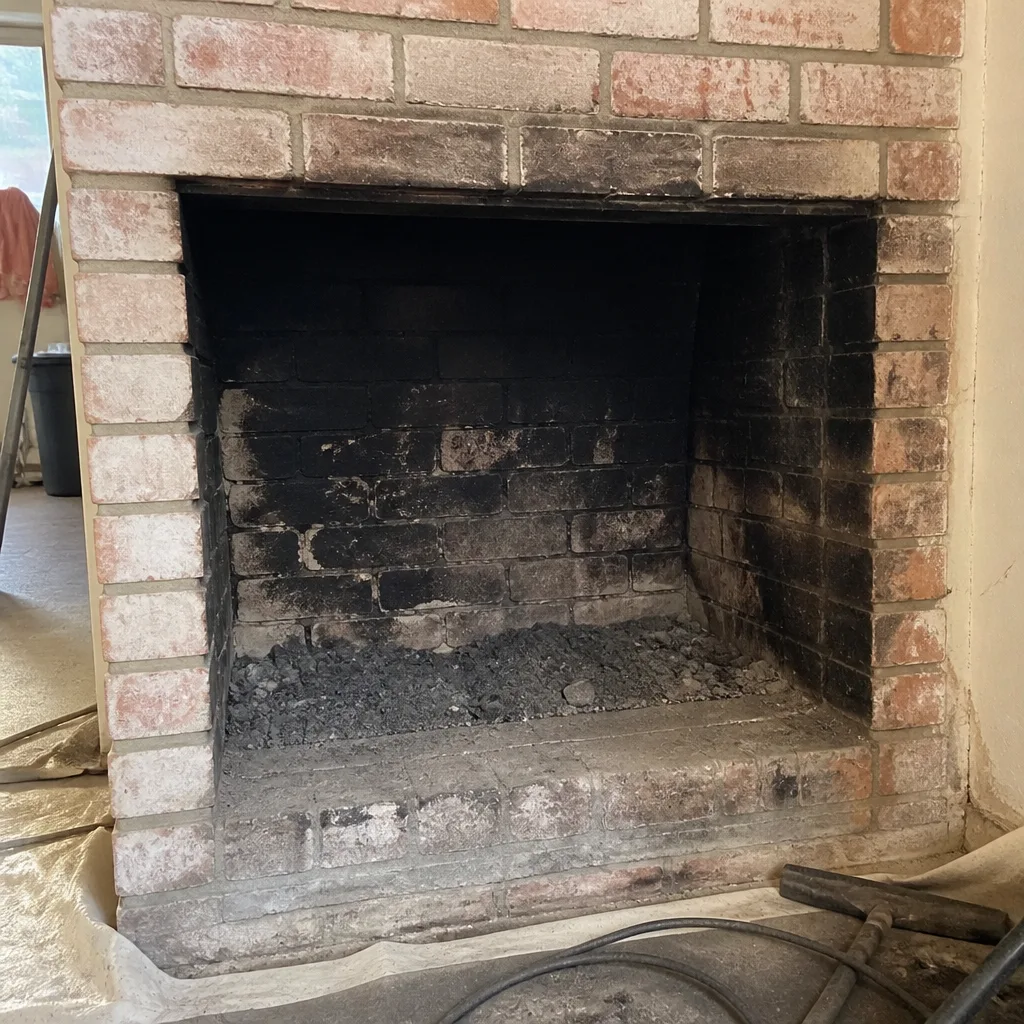 Before
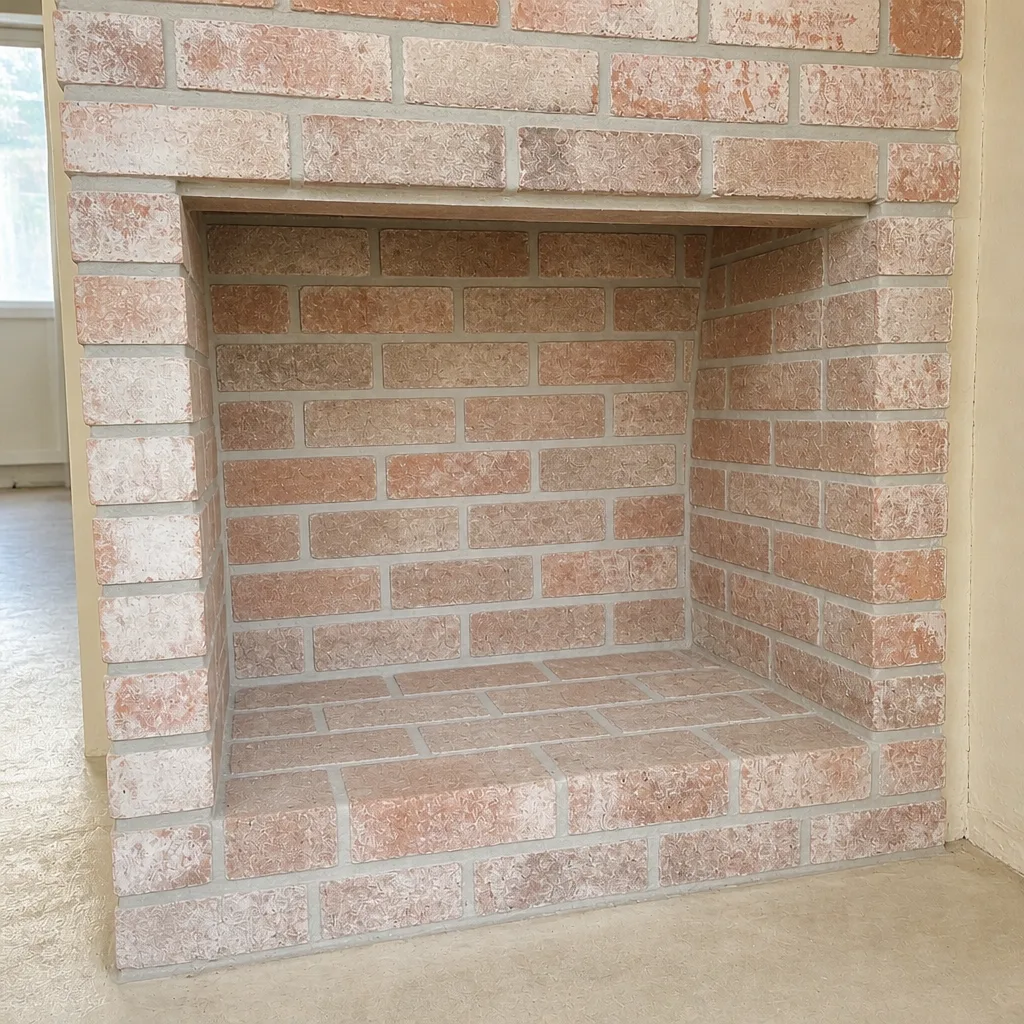 After
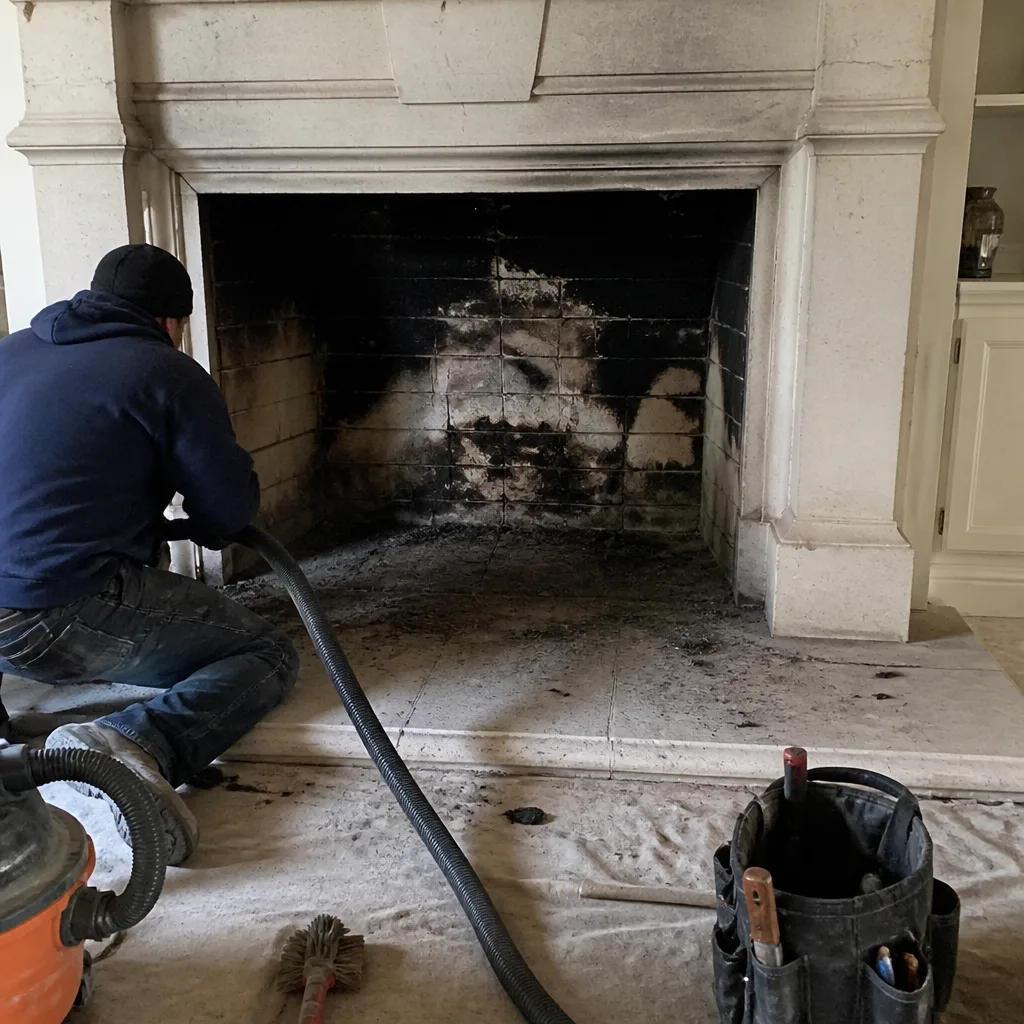 Before
 After
 Before
 After
What Costa Mesa Homeowners Usually Get Wrong About Permits
Most chimney contractors do the work properly. A few don’t. And homeowners don’t usually find out until they’re trying to sell or file a claim. Here’s what we see most often.
- Assuming “maintenance” covers everything A crown replacement feels like maintenance, but the city treats it as structural repair. Homeowners who skip the permit often discover it later at sale, when a title search or a buyer’s inspection flags the unpermitted work. Corrections can cost more than the original job.
- Believing the “Level 2” label at face value A Level 2 inspection has a specific scope under NFPA 211 – video scan, attic and crawl space access, written report. Ask what’s included before you book. If a company can’t name the requirements, it’s probably not a true Level 2.
- Not asking for the flue scan A photo of your firebox is not a flue inspection. If you can’t see the inside of your flue, you don’t have a Level 2 – you have a firebox photo shoot.
- Skipping the permit because the price is lower A quote that doesn’t include permit filing is often $300 to $600 lower than one that does. That’s a discount that becomes a much bigger problem at resale or insurance time.
- Not asking who does the inspection When a general contractor “throws in” a free chimney inspection with a roofing bid, the “inspection” is often just a naked-eye once-over. That’s not an NFPA 211-compliant inspection, and it won’t stand up to a buyer’s question or an insurance adjuster.
- Assuming Title 24 doesn’t apply to existing homes It does – especially when you’re adding an insert or changing a damper to a sealed flue system. The permit and paperwork carry the compliance trail.
- Ignoring SCAQMD rules on wood burning If you’re planning to install a wood-burning appliance in Costa Mesa, check the current rules on allowable appliances. Certain fuel types and appliance categories face restrictions in the South Coast district.
When to Call a Professional
If you’re reading this because a project is on the calendar, call before you sign anything. A few specific signals mean you need a chimney specialist, not a general handyman:
- A contractor quotes a repair without a written inspection report in hand
- A contractor says “we don’t need a permit for that” on something in the permit tier
- You’re selling or buying a home and the inspection doesn’t include a video scan and written report
- An insurance adjuster has requested documentation and you don’t have it
- A previous repair has no paper trail and you don’t know if it was permitted
- A repair involves the flue lining system, crown, or any above-roof structural work
We diagnose before we quote. If the honest answer is that the work can wait, we say so. Costa Mesa Chimney Sweep Co offers free estimates in Costa Mesa – call (855) 550-7756. We answer 24/7. Fast dispatch from 7am to 7pm, Sunday through Friday.
Frequently Asked Questions
No. Routine chimney cleaning and Level 1 inspections don’t require a permit in Costa Mesa. A permit is only needed once the work becomes a structural or system change – crown replacement, liner installation, masonry rebuild, chase modification, or a fireplace insert installation. The distinction is maintenance versus repair, and the City of Costa Mesa’s building department is the authority to check with when a job sits close to the line. Call (855) 550-7756 for an exact quote on any inspection or sweep work – estimates are free.
California doesn’t license chimney sweeps as a standalone trade the way it licenses electricians or plumbers. What it does license is contractors – and any chimney work that involves structural repair, liner installation, or masonry is generally required to be performed under a licensed contractor. The local pro is licensed and insured as their state requires. Ask for the contractor license and confirm it covers the scope of your job before work starts. When we connect you to a local professional, that vetting is part of what we do. Call (855) 550-7756 for help.
A Level 1 is a visual inspection of accessible portions of the chimney and its connections. A Level 2 adds video scanning of the flue, access to concealed areas (attic, crawl space), and a written report – it’s the level required at property transfer, insurance claims, and after any damage event. A Level 3 is a diagnostic inspection that requires access to concealed parts of the chimney, often including removing portions of the chimney or framing. Most Costa Mesa homeowners schedule a Level 1 annually and a Level 2 whenever a property changes hands or a repair is being planned. Call (855) 550-7756 for an exact quote.
Once a year per NFPA 211, regardless of how much you use the fireplace. Sweeping frequency is a separate question – the standard guidance is after every cord of wood, or once annually during the burn season. Costa Mesa’s mild climate makes regular use less predictable than in colder parts of the state, which is exactly why the annual inspection is a good baseline. It’s the check that catches problems while they’re still cheap to fix. Call (855) 550-7756 for an exact quote on a Level 1 or Level 2 inspection – estimates are free.
It depends on how the cap is attached. A spark arrestor screen or a simple clamp-on cap is maintenance and doesn’t need a permit. A cap anchored into the crown that changes the weatherproofing layer around the chimney top can be considered part of a structural repair by the City of Costa Mesa, particularly when it’s going on a newly poured or repaired crown. When in doubt, call the building department before the work begins; that’s cheaper than correcting it afterward. Call (855) 550-7756 for guidance on which tier your project falls into.
You should receive the permit number, the passed inspection sign-off from the City of Costa Mesa, manufacturer documentation for any materials installed (brand, model, specification), and a written close-out report from the company in plain English. If the project required an engineer’s letter, you should get a copy of that too. Keep all of it with your property records – it’s what buyers, lenders, and insurance adjusters ask for later. Call (855) 550-7756 for an exact quote on inspection and repair work – estimates are free.
The Bottom Line
Routine chimney sweeping in Costa Mesa doesn’t need a permit; repair work usually does. The line between the two is structural, not cosmetic, and understanding where that line sits protects your home, your insurance coverage, and your resale. Insist on a real Level 2 inspection when it matters, and know what the report should contain. Ask for the permit number before the work starts and the passed inspection sign-off after. Title 24, NFPA 211, the Orange County Fire Authority and SCAQMD rules all matter in different ways, but none of them require you to become a code expert – they just require you to ask the right four questions and keep the paper trail. If you’re not sure which tier your project falls into, that’s the right time to call.
Ready to sort out an inspection, plan a permitted repair, or book a cleaning? Call (855) 550-7756. We answer 24/7. Fast dispatch from 7am to 7pm, Sunday through Friday. From inspection to crown, from chimney sweep to full repair – we handle the whole system under one company. Our technicians have up to 10 years of experience, and the work is documented from the first photograph to the close-out report. Start with Costa Mesa Chimney Sweep Co and let us take it from there.
Written by the team at Costa Mesa Chimney Sweep Co.