
Last updated November 25, 2026
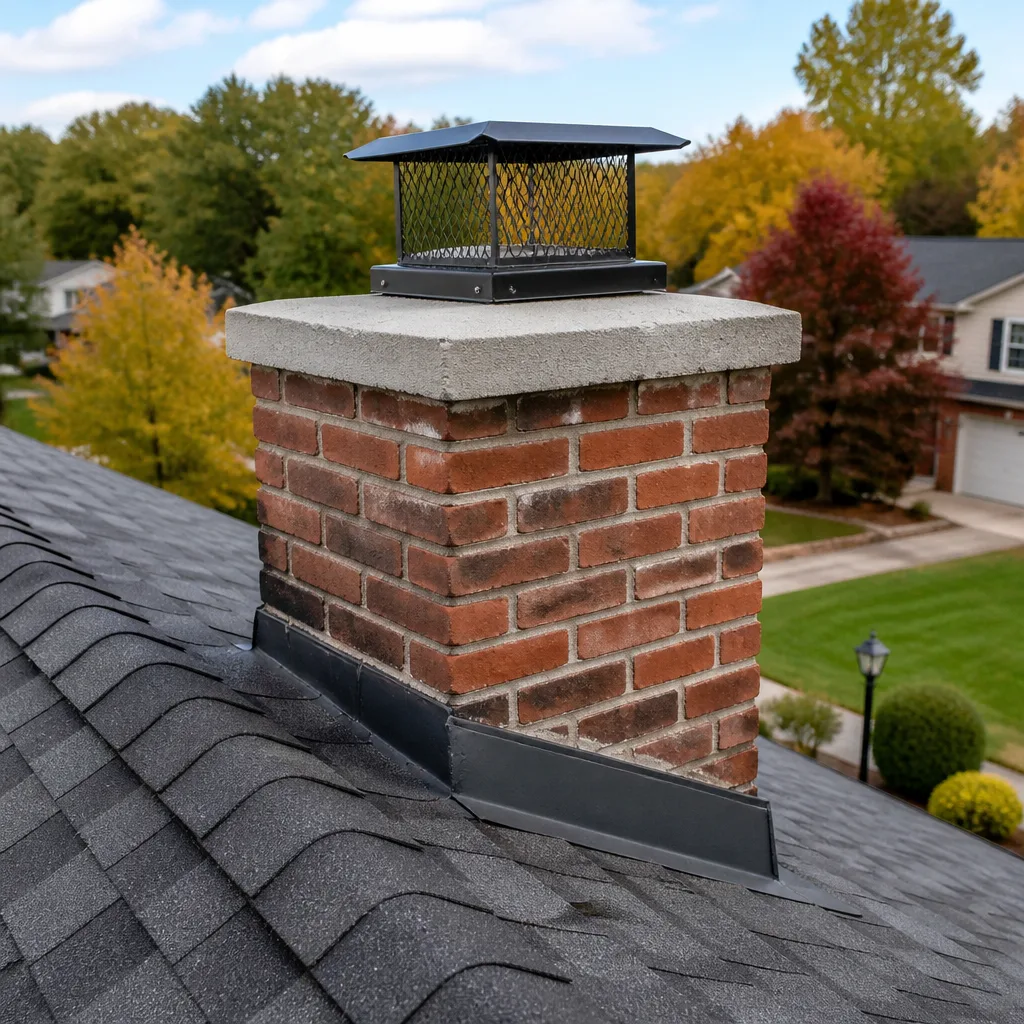 Sweep & inspection
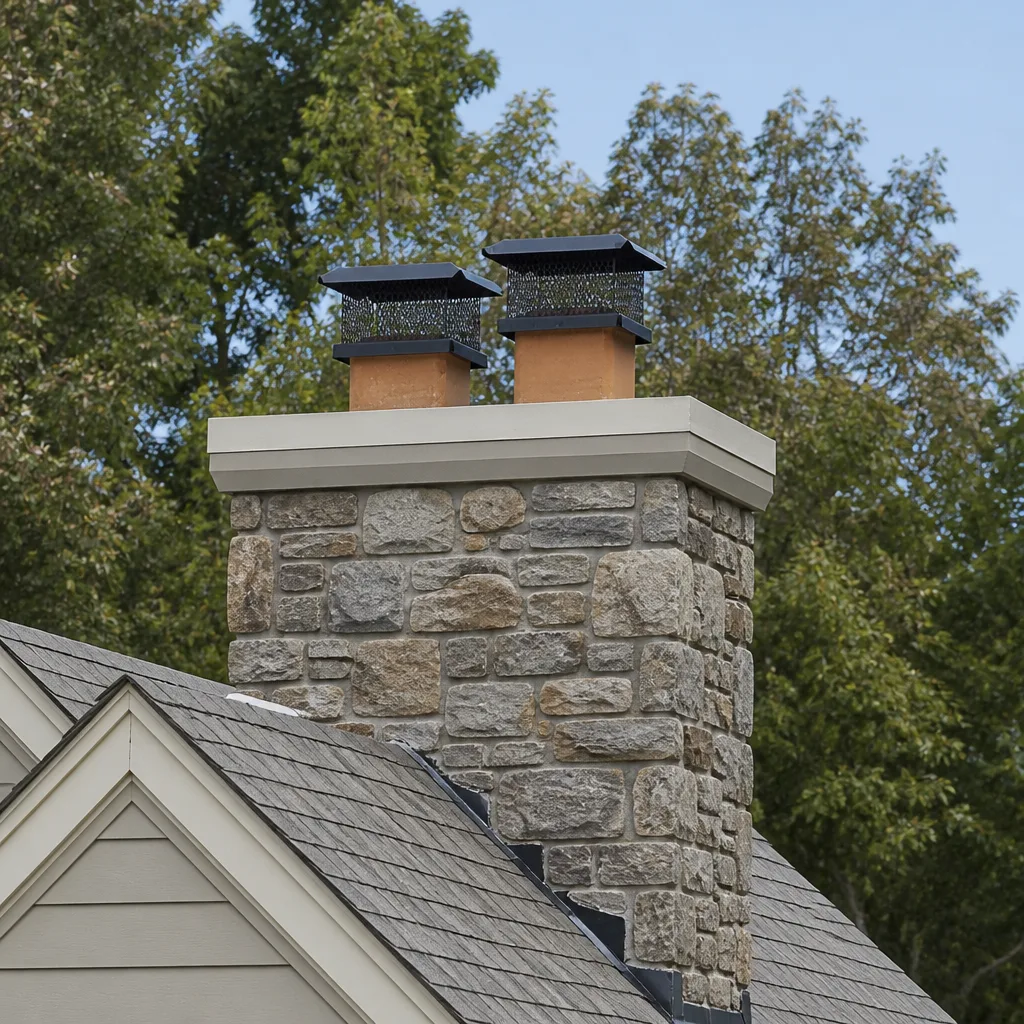 Caps & crowns
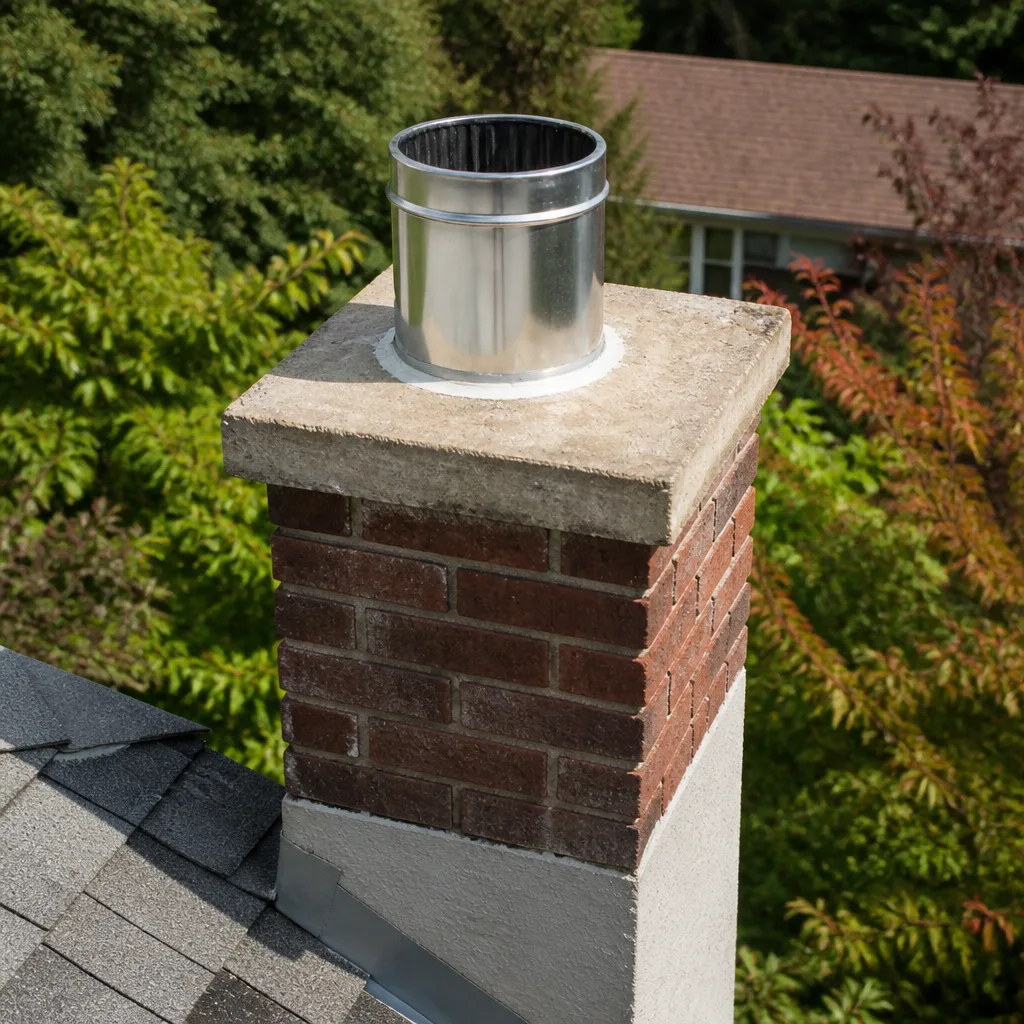 Flue relining
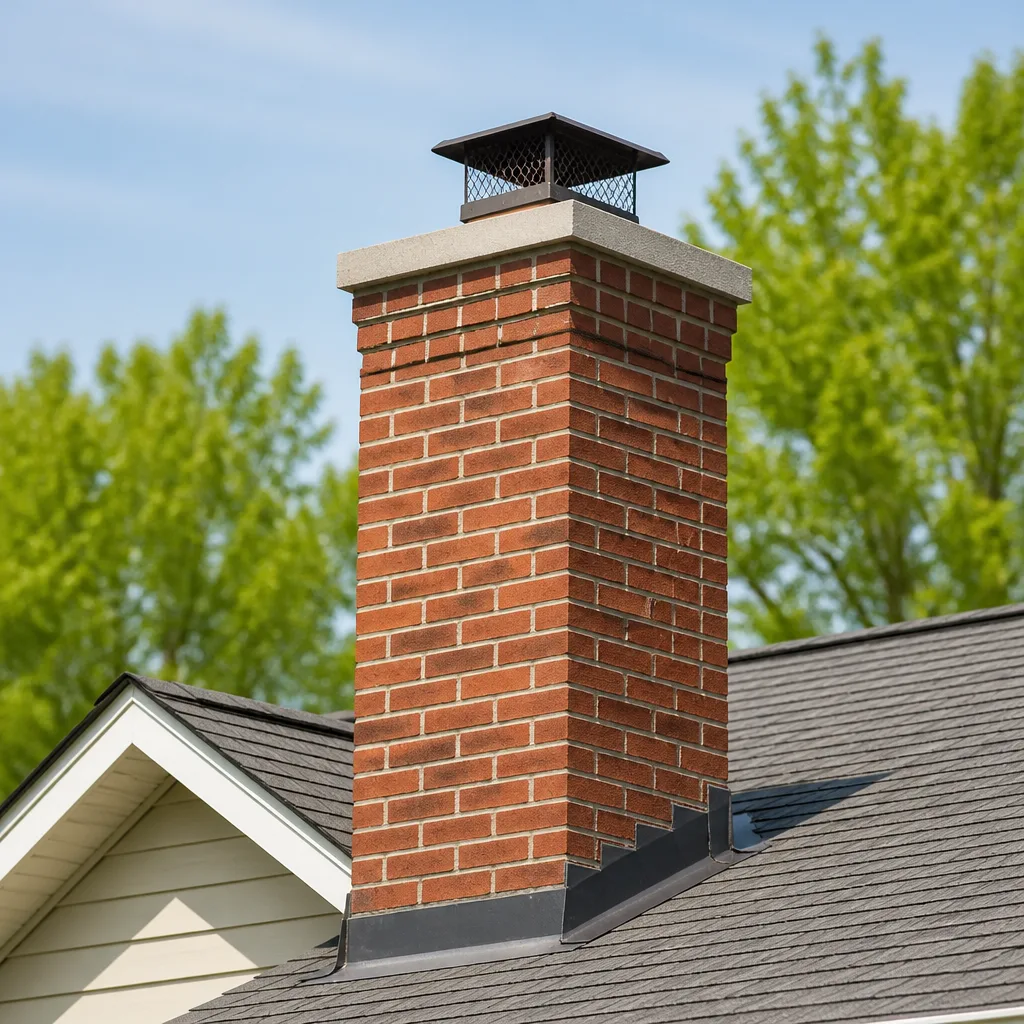 Masonry repair
 Gas fireplace service
Level 1 sweep and inspection to the NFPA 211 annual standard - flue, crown, cap, and flashing checked and photographed
Chimney sweep logs do not sweep chimneys. They loosen some creosote - which then falls where a brush and vacuum still have to collect it.
Chimney Cleaning Warning Signs: A Costa Mesa Homeowner’s Reference Guide
A strong smoke odor on a warm day with no fire burning isn’t a creosote problem. It’s a pressure problem, and sweeping the flue won’t fix it. That single mismatch explains why so many Costa Mesa homeowners book a cleaning and still smell smoke a month later. Your chimney is a safety system with several separate failure points, and each warning sign points at only one or two of them. Read the symptom wrong and you pay for work that doesn’t address the cause. This guide maps each observable sign to its actual source: smell to its origin, draft behavior to its mechanical cause, and exterior damage to whether it’s urgent or can wait. You’ll finish knowing what you’re looking at.
Quick Answer
Chimney cleaning warning signs fall into four groups: smell, firebox and flue appearance, draft behavior, and exterior condition. Most cleaning-related signs are creosote buildup, soot fall, or a blocked flue. But several signs homeowners assume mean “needs a sweep” actually indicate a draft fault, a liner breach, or water intrusion. The sign that most often means call right away is a smell of gas or exhaust inside the living space, or soot flakes falling into the firebox.
Styles & brands we work with
- Sweep & inspection
- Caps & crowns
- Flue relining
- Masonry repair
- Gas fireplace service
Table of Contents
- What Do Chimney Smells Tell You?
- What Firebox and Flue Signs Point to Liner Damage?
- Which Draft Symptoms Mean Cleaning and Which Mean Repair?
- What Exterior Warning Signs Can You See From the Ground?
- Which Signs Mean Call Now and Which Mean Schedule?
- Sweep or Repair: How Do You Know Which You Need?
- Why Material Choice Matters for Chimney Repairs in Costa Mesa
- Common Mistakes to Avoid
What Do Chimney Smells Tell You?
The first diagnostic tool is your nose, but only if you can separate what you’re smelling. Four distinct odors come out of a chimney, and each points at a different cause.
- Creosote odor: Sharp, tarry, campfire-like, strongest on warm days and in humid weather. This is the classic sign of buildup on the flue walls, and it’s the one that most often does mean a sweep.
- Animal intrusion odor: Musky or ammonia-like, sometimes with scratching or fluttering sounds, often with a bird or squirrel on the cap. Nesting material and droppings block airflow and need removal before anything else happens.
- Moisture or mold odor: Damp, musty, basement-like. This points at water getting past the crown, cap, or flashing, not at creosote. A sweep won’t stop it; you have to find and fix the entry point.
- Gas or exhaust odor: A sulfur note from the gas line, or exhaust-fume odor in the room. Treat gas smell as a call-your-gas-utility issue first. Exhaust smell in the room points at a blocked or backdrafting flue and warrants prompt inspection.
The mismatch most homeowners make is treating every odor as a cleaning job. On a warm day, when the outdoor air is heavier than the indoor air, a chimney can briefly reverse draft and pull a puff of stale flue air into the room. That’s a pressure problem, not a creosote problem. We’ve met plenty of owners in Costa Mesa who had their flue swept and still had the smell, because the real question was why the flue was reversing. If that’s your situation, the inspection, not the sweep, is where the answer lives. Get the chimney sweep booked for the buildup, but ask what’s causing the reversal.
What Firebox and Flue Signs Point to Liner Damage?
A creosote glaze and a cracked liner can look similar to someone who hasn’t spent years looking up flues. The firebox is your best window, and the signs differ.
Buildup tends to be black, brown, or gray and sits on surfaces. Damage is where the surface itself fails. Here’s what separates them:
- Mirror-like or glassy glaze on the flue walls. This is stage-three creosote, the hardest to remove and the most combustible. It usually points at a sweep, sometimes with a glazed-creosote treatment, not a repair. We handle it with professional-grade chemistry and mechanical work, never a fireplace-tip brush alone.
- White powdery staining on brick. This is efflorescence, a sign water has been moving through the masonry. It overlaps with the exterior signs below and usually points to moisture control, not creosote.
- Frayed or missing mortar joints in the firebox, with crumbs on the floor. That’s spalling: the masonry surface is failing from heat and moisture. It can warrant fireplace repair rather than cleaning alone.
- Visible seams, cracks, or gaps in the liner. This is the one that matters most. A cracked flue liner lets heat and combustion gases reach the surrounding structure. That’s a real fire and carbon monoxide path, not a cosmetic issue. Don’t rely on a visual from the hearth; a video scope inspection shows the whole liner run, and that’s what we run before we quote liner work.
- Soot or debris flakes dropping onto the firebox floor with no fire lit. That’s usually a sign of a flaking flue or a blocked flue catching a downdraft. It’s an uncommon sign and worth an inspection.
If the inspection finds a breached liner, restoration is possible in many chimney systems. The HeatShield system can restore a damaged liner to a code-compliant condition when the structure itself is sound. That’s a specialized repair tier, not a sweep with a brush. It’s also why we always confirm the diagnosis with camera evidence before recommending it.
Which Draft Symptoms Mean Cleaning and Which Mean Repair?
Draft problems get misdiagnosed more than any other chimney issue in Costa Mesa. A slow-starting fire, smoke spilling out of the firebox, and a smell of stale smoke in a room all sound like “the flue is dirty.” Sometimes it is. More often it’s a mechanical cause.
Here’s the mapping we use:
- Smoke rolls into the room on startup, then corrects as the fire warms. Usually a cold or oversized flue. The fix is to warm the flue before lighting, or to address a flue that’s too large for the firebox. It’s a draft condition, not buildup.
- Smoke spills continuously, worse in windy weather. Often a flue that terminates too low, a missing or inadequate cap, or a nearby structure or tree that’s causing turbulence. The cap and crown work in this situation, not a sweep.
- A downdraft with a chemical or burning smell from the firebox, present when there’s no fire. This points at negative pressure in the house: exhaust fans, a dryer, or a second flue competing for air. Sweeping won’t change it. It’s a pressure balance question, and it’s worth a diagnostic visit.
- A slow, lazy fire that smokes when downdrafted. Often a blocked or partially closed flue or an obstruction (nest, soot fall, broken flue tile). This is a cleaning and inspection job, and we handle obstructions with a video scope so nothing is missed.
- Smoke spilling into the room with a smell of exhaust anywhere in the house. Stop using the fireplace and get an inspection. This is the one draft symptom that sits in the “call now” column.
The pattern: if draft is fine when the fire is hot and the weather is calm, and only fails at startup or in wind, suspect the flue and cap geometry. If draft is failing when the fire is fully established and the house is sealed, suspect pressure. The two lead to different work. Our technicians have up to 10 years of experience reading that line, and we diagnose before we quote.
What Exterior Warning Signs Can You See From the Ground?
You can check a lot of your chimney’s condition from the sidewalk or your driveway, and you should. Most of the exterior warning signs are visible from the ground with no ladder and no climbing, which is the safest way to check. Some of these signs are cosmetic. Others point at damage that needs prompt attention.
- Missing or damaged cap. The cap is the top-of-chimney cover that keeps rain, birds, and debris out. A missing, cracked, or loose cap is a small job that turns into water damage. It’s the single most preventable cause of chimney water intrusion, and the cap-and-crown installation we do with Olympia Chimney components is built to handle the local weather cycles. If yours is gone, book the install and don’t wait for the next rain.
- Cracked or crumbling crown. The crown is the sloped concrete cap at the top that sheds water. Cracks let water soak into the masonry. A cracked crown with efflorescence on the brick below is a water-entry problem, and it rarely fixes itself. Schedule it.
- White staining or dark streaks on the masonry. White efflorescence means moisture is moving through the brick. Dark streaks can mean soot or water. Either way, it’s a sign to get eyes on it.
- Spalling brick or missing masonry at the top. Brick faces flaking off, or missing joints visible from the ground, mean the surface is failing. It’s not necessarily urgent, but it’s not going to correct itself either. Line it up for chimney repair.
- Loose or missing flashing where the chimney meets the roof. Flashing failures let water in at the roofline. The roof surface itself is a separate topic, but the chimney side of that joint is ours.
- A chimney that leans or has a visible gap at the roofline. This is the most urgent exterior sign. A leaning chimney or separating flashing can indicate structural movement. Call for an inspection before the next fire.
In our experience, the cap-and-crown group is where most of the avoidable damage comes from. It’s also the service many general contractors and roofing crews skip because it’s a chimney-trade detail. We do it as one of our five core services, with name-brand components.
Which Signs Mean Call Now and Which Mean Schedule?
Not every warning sign is an emergency. Treating a dirty flue as a crisis is unhelpful; treating a liner breach as routine is worse. Here’s a clean decision framework.
Call now (prompt inspection):
- Gas odor, or a smell of exhaust in the living space.
- Soot or debris flakes falling into the firebox with no fire lit.
- Visible cracks or separations in the firebox or flue liner.
- A leaning chimney or separation at the roofline.
- Smoke rolling into the room continuously during a fire.
- Any sign of a chimney fire you’ve already had: a loud roar, popping, or a blazing-hot chase.
Schedule a visit (soon, not urgent):
- Creosote smell on warm days with no health or safety signs.
- A slow-starting fire that corrects once warm.
- Efflorescence or dark staining with no missing masonry.
- A missing or aged cap.
- A known creosote buildup from last season’s fires.
The reason to treat gas or exhaust odor as a call-now is carbon monoxide: an obstructed or backdrafting flue is a path for combustion byproducts to reach the house. We’re not going to overstate that risk, but it’s real, and it’s cheap insurance to have it checked.
For the “call now” group, call us and say what you’re seeing. For the “schedule” group, a routine sweep before the next burning season is the right move. Before you book, ask any company whether they’ll run a video scope, and whether the price is a flat written estimate before work begins. It’s the difference between a sweep and an actual diagnosis. We do both, and we don’t recommend liner or masonry work without camera evidence you can see for yourself.
Sweep or Repair: How Do You Know Which You Need?
The honest answer is: you don’t, until someone has looked. That’s not a sales line, it’s how chimney work actually goes. A sweep without a visual inspection can miss a cracked liner. An inspection without a sweep can’t tell you whether buildup is the problem. Here’s how a thorough visit actually runs.
- Visual inspection of the firebox and the accessible flue. We’re looking for cracks, missing mortar, firebox panel damage, and stage-one through stage-three creosote. This is where the wrong-cause questions get answered.
- Camera inspection of the flue. A camera scope looks at the full liner run: joints, cracks, gaps, and obstructions. Photo documentation shows you what we see.
- Draft and pressure check. We confirm that the flue is pulling. This is where slow startup, smoke rollout, and warm-day smoke smell get their cause.
- Exterior check. Cap, crown, flashing, and masonry condition. Ground-level or roof-level, depending on access.
- Written scope and estimate. Every recommendation gets a line item, and every recommendation is tied to what the camera showed. Nothing gets added without you seeing the evidence.
If your visit finds buildup and no damage, you need a sweep. If it finds a breached liner, you’re looking at a HeatShield liner restoration, not a sweep. If it finds a cracked crown, you’re looking at cap-and-crown work with Olympia Chimney components. If it finds water entry but sound masonry, you may not need a repair at all; a cap and a flashing check may be enough.
The point is: we diagnose before we quote. A specialist can tell you when work can safely wait, and we say so plainly. It’s a rare crew that will. It’s the standard here.
Why Material Choice Matters for Chimney Repairs in Costa Mesa
Chimney work fails on the weakest material, and the weakest material is usually the one someone grabbed to save time. That’s the quiet reason two chimneys can get the same repair and end up in very different condition five years later. When you get an estimate, ask what material is being used, not just how much it costs.
We work with a roster of professional-grade industry brands, and we name them because they matter:
- DuraFlex for flexible stainless liners and relining components.
- HeatShield for liner restoration, the specialized tier that rebuilds a damaged liner and restores a code-compliant flue.
- Gelco for cast-in-place lining systems.
- Olympia Chimney for caps and related components built for weather cycles.
- Famco for caps and top-of-chimney work.
- Copperfield for top-of-chimney and cap components.
You’ll notice that several of these brands are in the cap-and-crown group, and that’s not a coincidence. A cap and crown is a weather-exposed part of the system. A cheap cap that cracks in a year is worse than the one you replaced, because you paid twice and the water still got in. Local conditions here – warm dry stretches followed by rain, and an inland-adjacent wind pattern in parts of Costa Mesa – put every chimney top through a real test. That’s why we specify professional-grade caps and crowns, and why we do the install as a specialty rather than a favor.
The same logic applies to liner restoration. A HeatShield application is not a liner “patch.” It’s a specialized repair method, and it’s what separates a specialist from a sweep crew with a ladder.
Common Mistakes to Avoid
- Treating warm-day smoke smell as creosote buildup. The cause is usually pressure or draft, and a sweep won’t fix it. You’ll pay, and the smell will return. Ask the pressure question at booking.
- Sweeping without inspecting. A sweep with a brush and no video scope can miss a cracked liner or gap that a camera would show. The inspection is what tells you whether the flue is safe, not just clean. This is the most expensive mistake on the list.
- Waiting on a missing cap. The cap is the cheapest water control on the chimney, and its absence is the leading avoidable cause of water damage. Get it back on.
- Assuming white staining is harmless. Efflorescence is the chimney telling you water is moving through the brick. It’s not cosmetic; it’s a signal to check the cap, crown, and flashing.
- Hiring a generalist for chimney repair. A roofer or handyman who “can do it” may not know liner code or cap material. Chimney work is a specialized trade, and the trade matters here.
- Skipping the annual inspection. A homeowner who lights fires regularly should get the system looked at once a season, before the burning season starts, even if “nothing looks wrong.” Warning signs that aren’t visible at the hearth get caught on a scope.
- Ignoring a slow-starting fire. A fire that corrects itself after warming is usually a flue-warming quirk. But a fire that spills into the room continuously is a safety sign. Treat the two differently.
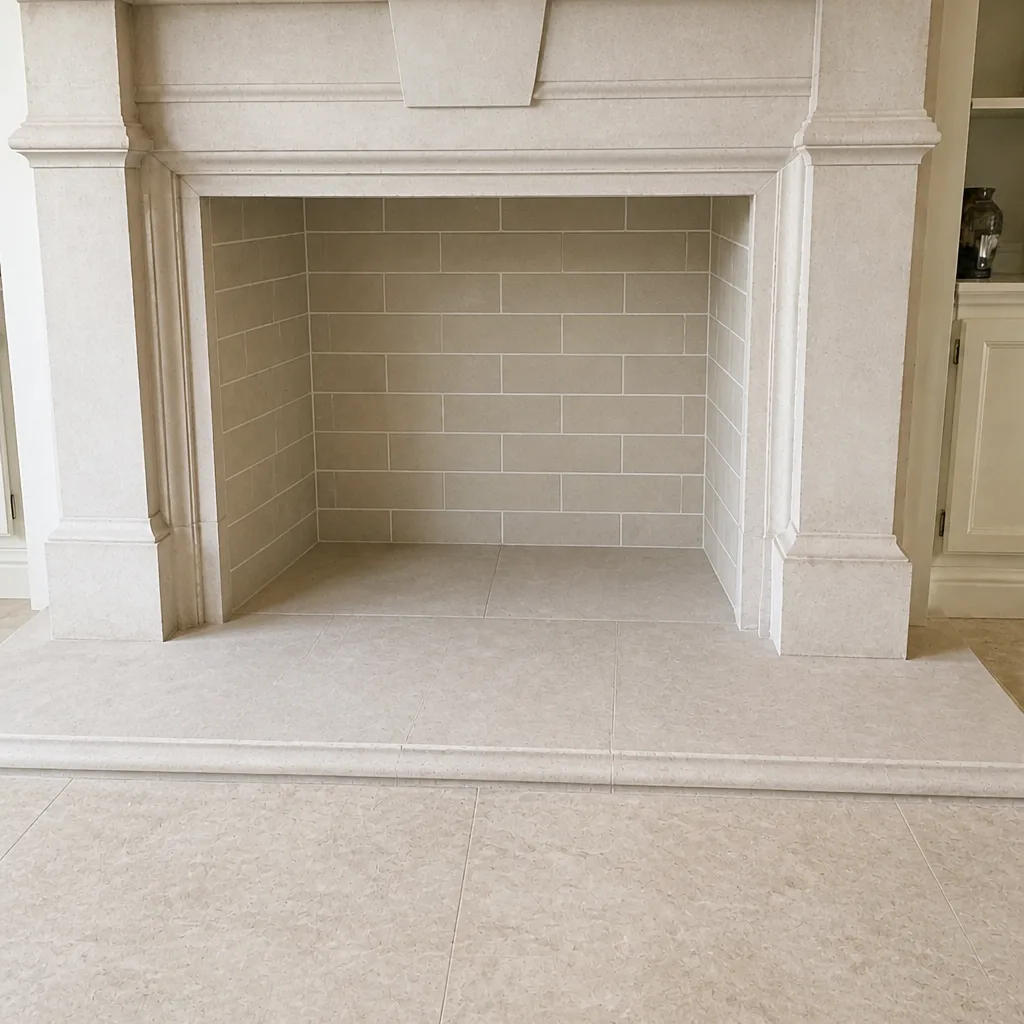
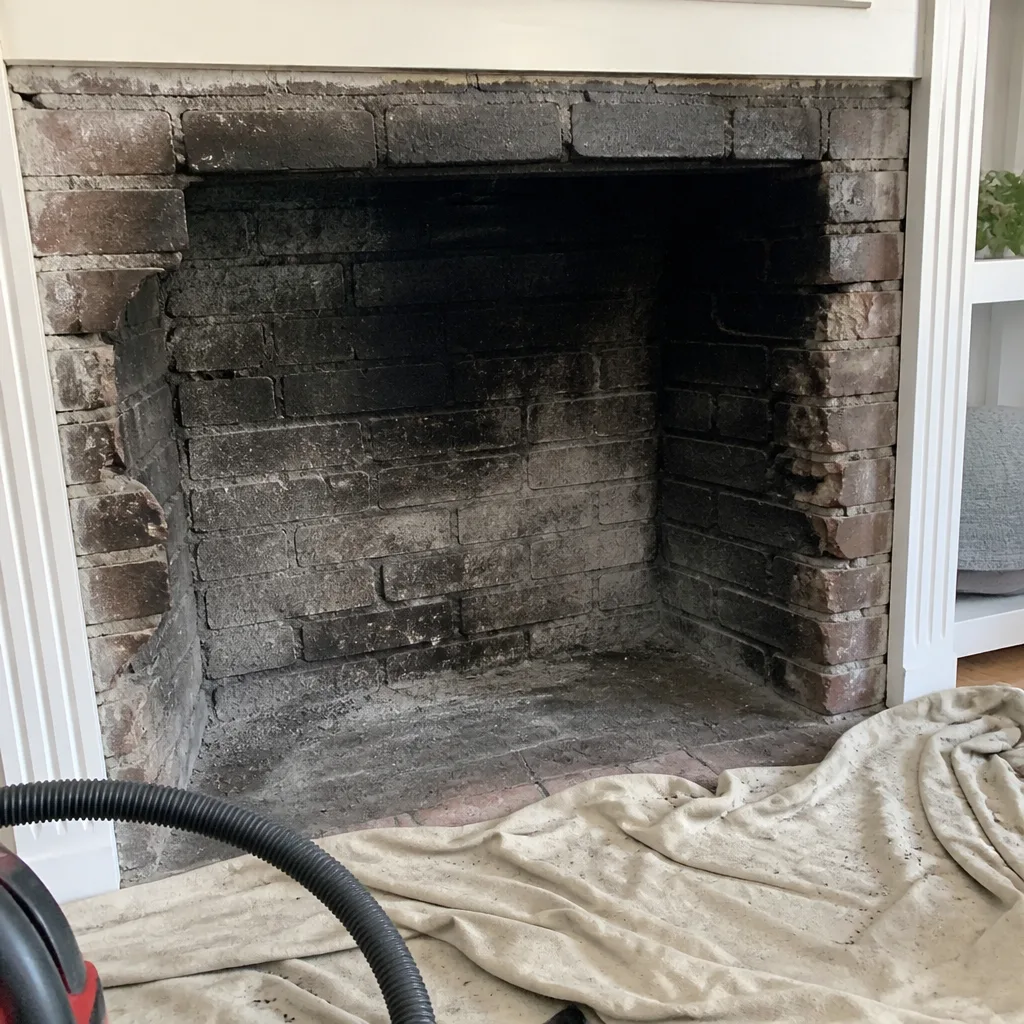
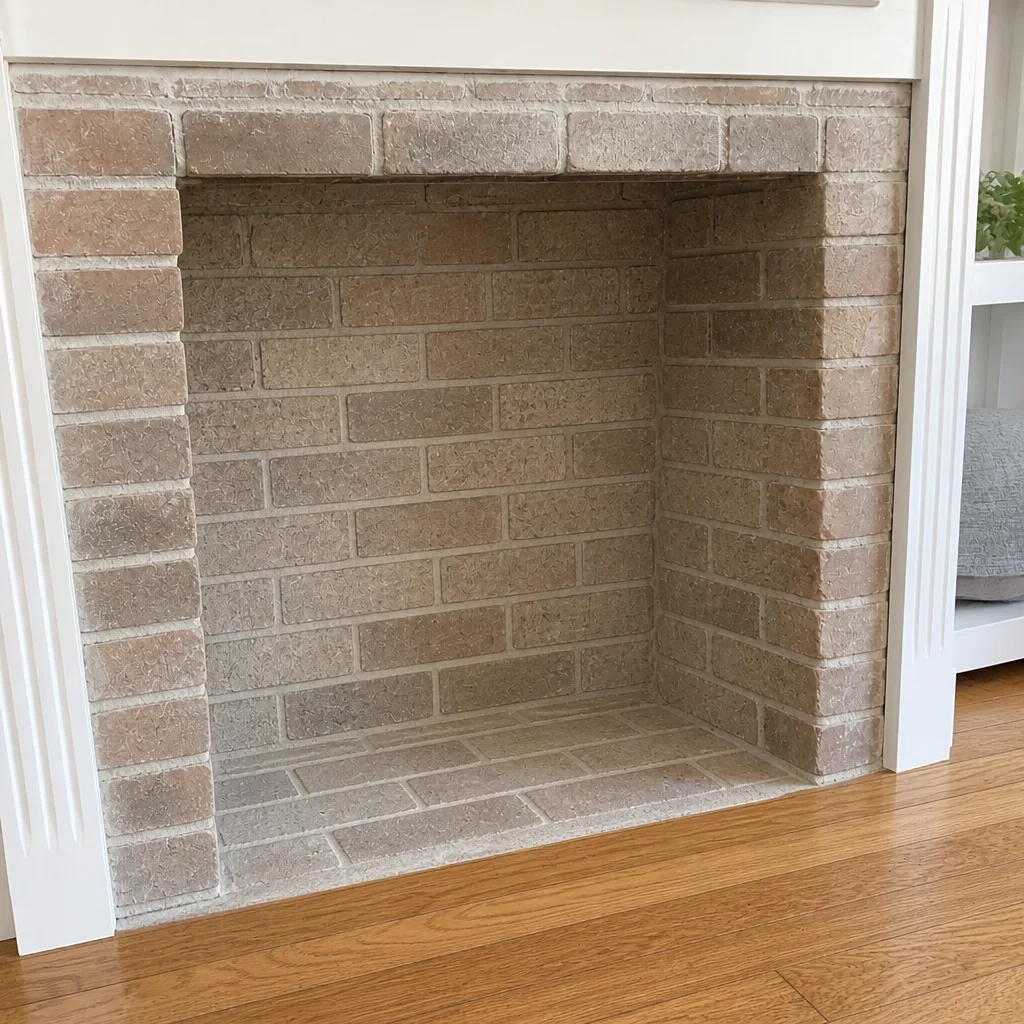
See the difference
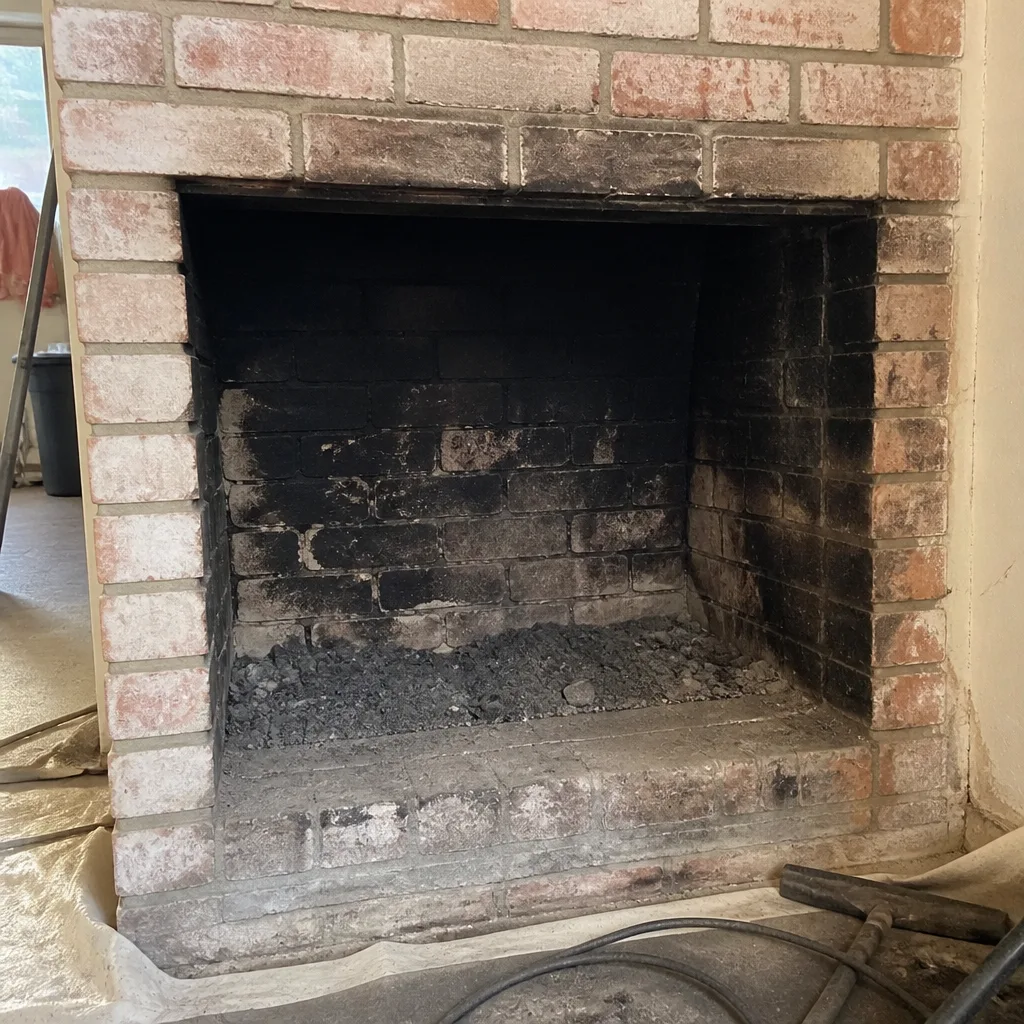 Before
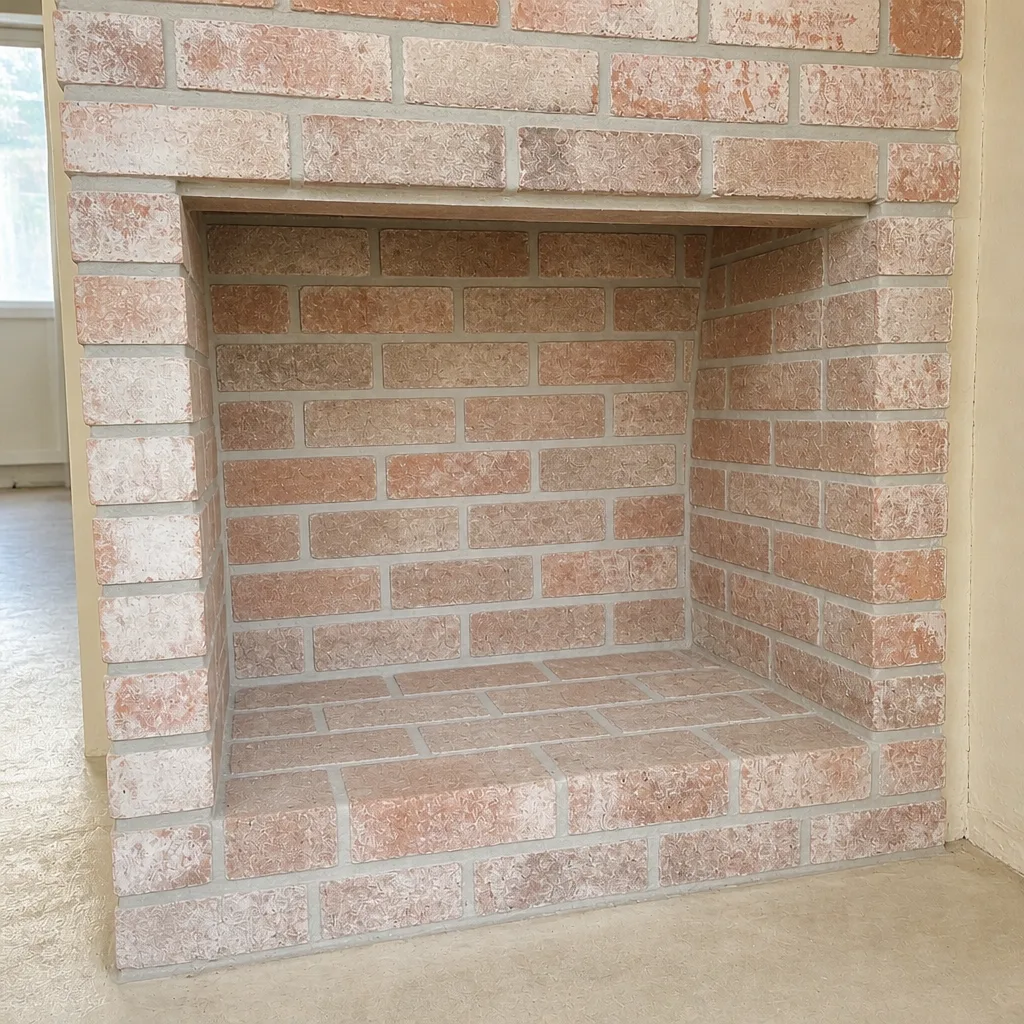 After
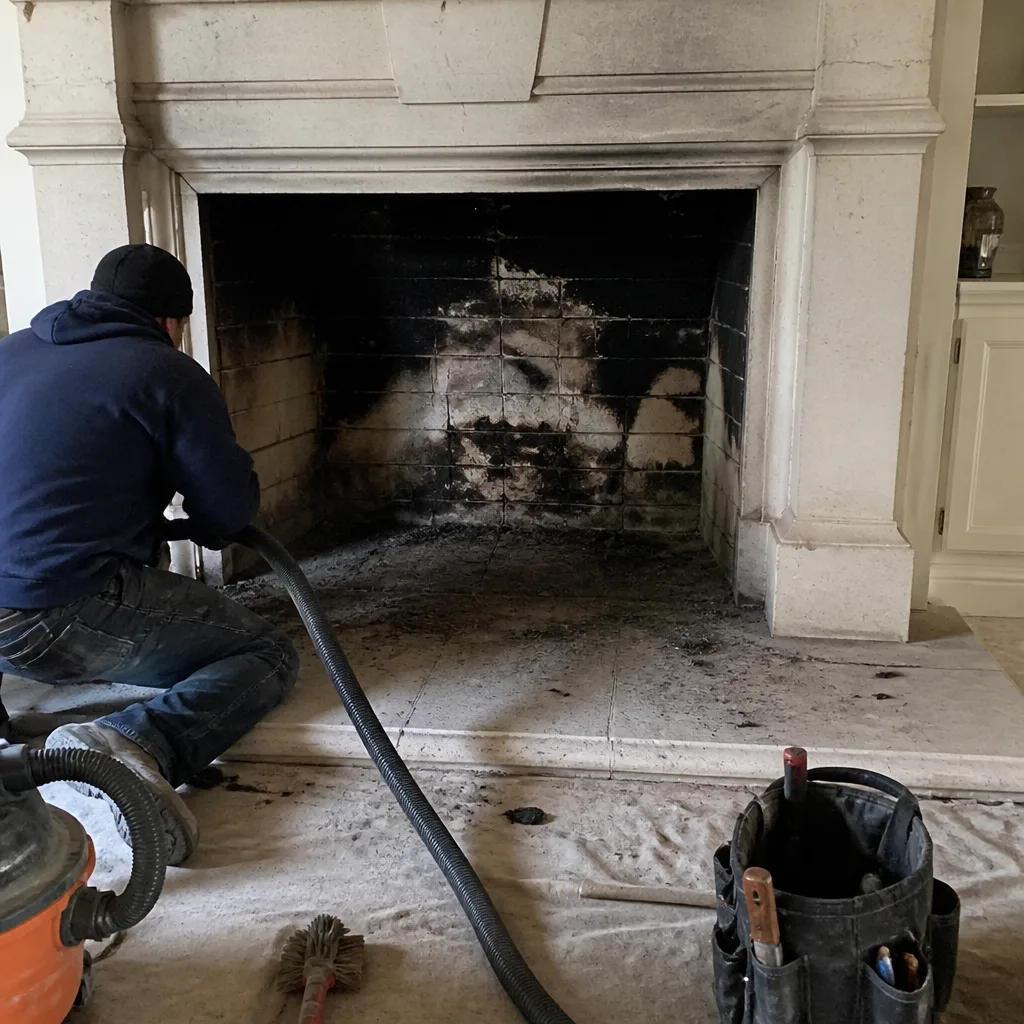 Before
 After
 Before
 After
When to Call a Professional
Call a professional when you smell gas or exhaust in the living space, when soot or debris is falling into the firebox, when you see cracks in a liner or firebox, when the chimney leans or separates at the roofline, or when smoke rolls into the room with a fire burning. These are the signs that sit in the “call now” column, and a video scope and written estimate are the right starting point.
For everything else – creosote smell, slow startup, a missing cap, or a known buildup from last season – a scheduled visit is the sensible move, ideally before the burning season. Costa Mesa Chimney Sweep Co offers free estimates in Costa Mesa – call (855) 550-7756.
Frequently Asked Questions
The most common warning sign is creosote odor – a sharp, tarry smell – especially on warm days, which points at buildup on the flue walls and usually means a sweep is due. It’s worth separating from a damp, moldy smell (water intrusion) and an animal smell (an intrusion on the cap), because each takes different work. If you’re not sure which one you’re smelling, an inspection with a camera scope settles it. Call (855) 550-7756 for an exact quote – estimates are free.
Smoke smell on a hot day with no fire is almost always a draft or pressure problem, not creosote. When outdoor air is heavier than indoor air, the flue can briefly reverse and pull a puff of stale air into the room. A sweep won’t change it. The fix is to diagnose why the flue is reversing, which can be a flue-size issue, a pressure balance issue, or a missing cap. That’s a diagnostic visit, not a cleaning.
A chimney used regularly should be swept and inspected once a season, before burning season, and more often if you burn heavily or see signs of buildup sooner. The honest test is what the camera and the flue walls look like, not a calendar. A chimney used a few times a year can go longer than one used most nights. We’ll tell you plainly when you can wait.
No. A dirty flue is a sweep, not a liner. A new or restored liner is warranted when a video scope shows cracks, gaps, or separation in the existing liner, which can put heat and combustion gases in contact with the structure. HeatShield restoration can rebuild some damaged liners to a code-compliant condition. We don’t recommend liner work without camera evidence you can see.
You can spot a few signs from the ground: a missing or damaged cap, a cracked crown, white efflorescence, spalling brick, and loose flashing. Those all point to water or surface failure. A leaning chimney or a separation at the roofline is a prompt-inspection sign. The ground-level check doesn’t reach the flue liner, so it’s part of the picture, not the whole diagnosis.
If you smell gas, call your gas utility first. If you smell exhaust or stale combustion odors in the room, stop using the fireplace and get an inspection. An obstructed or backdrafting flue can let combustion byproducts into the house, and that includes carbon monoxide. Don’t attribute it to a dirty flue without checking. Call (855) 550-7756 for an exact quote – estimates are free.
The Bottom Line
Most chimney warning signs are misread because homeowners match the symptom to the wrong cause. Smoke smell on a warm day is pressure, not creosote. A dirty flue isn’t a liner. A missing cap is water damage waiting. The fix is to separate the four groups – smell, firebox and flue, draft, and exterior – and match each sign to its actual source. Then sort into “call now” (gas or exhaust odor, soot fall, cracked liner, leaning chimney, continuous smoke spill) and “schedule” (creosote smell, slow startup, missing cap, known buildup). A camera-scoped inspection with a written estimate is the honest starting point for either. Call (855) 550-7756. We answer 24/7. Fast dispatch from 7am to 7pm, Sunday through Friday.
If you want a single page to bookmark for the rest of this year, this is it. For the next step, start with the Costa Mesa Chimney Sweep Co, which covers the full range of chimney work in Costa Mesa without subcontracting anything out. The same team can bring your fireplace into the picture with fireplace repair, and can handle any resulting structural work with chimney repair. If you’d rather read first, the warning-sign sections above are the fastest path to knowing what to ask at booking. Just make sure the crew you call will scope the flue and show you what they see.
Written by the team at Costa Mesa Chimney Sweep Co.