
Last updated November 25, 2026
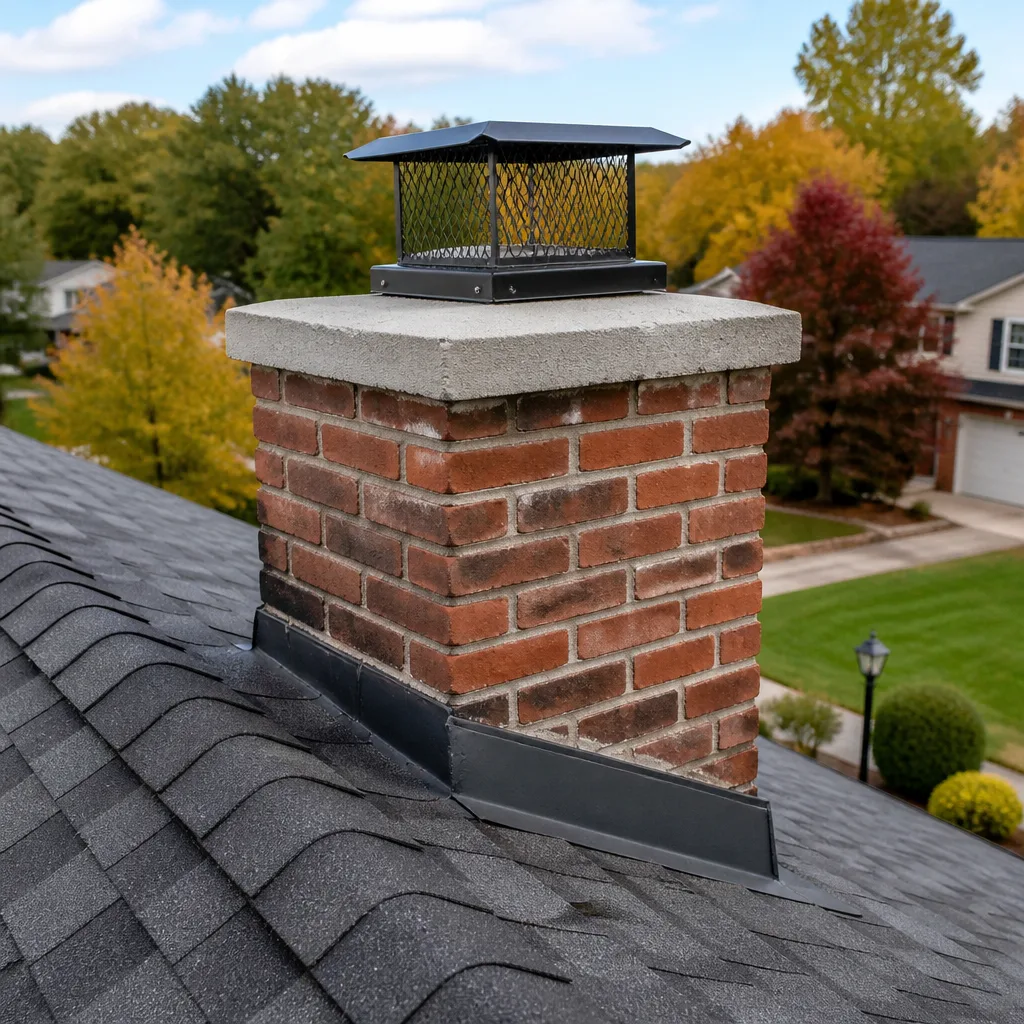 Sweep & inspection
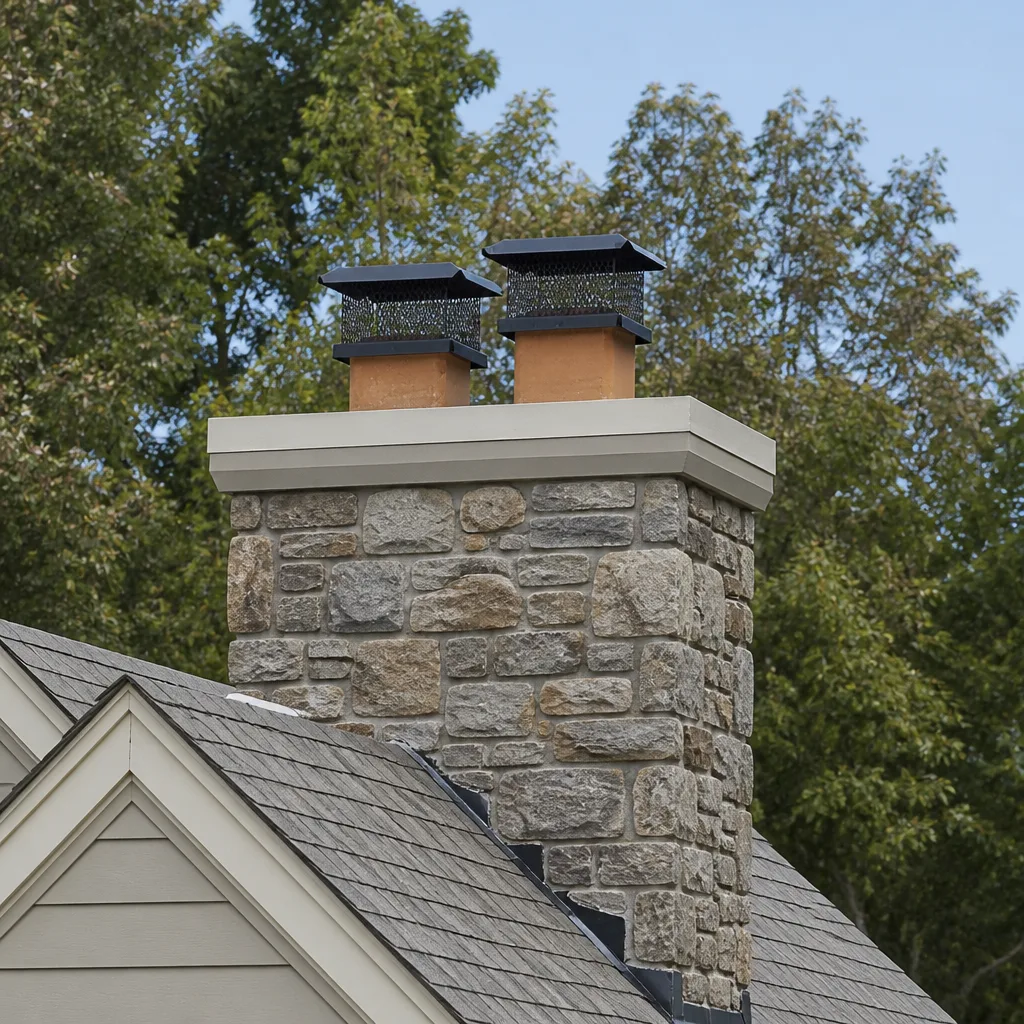 Caps & crowns
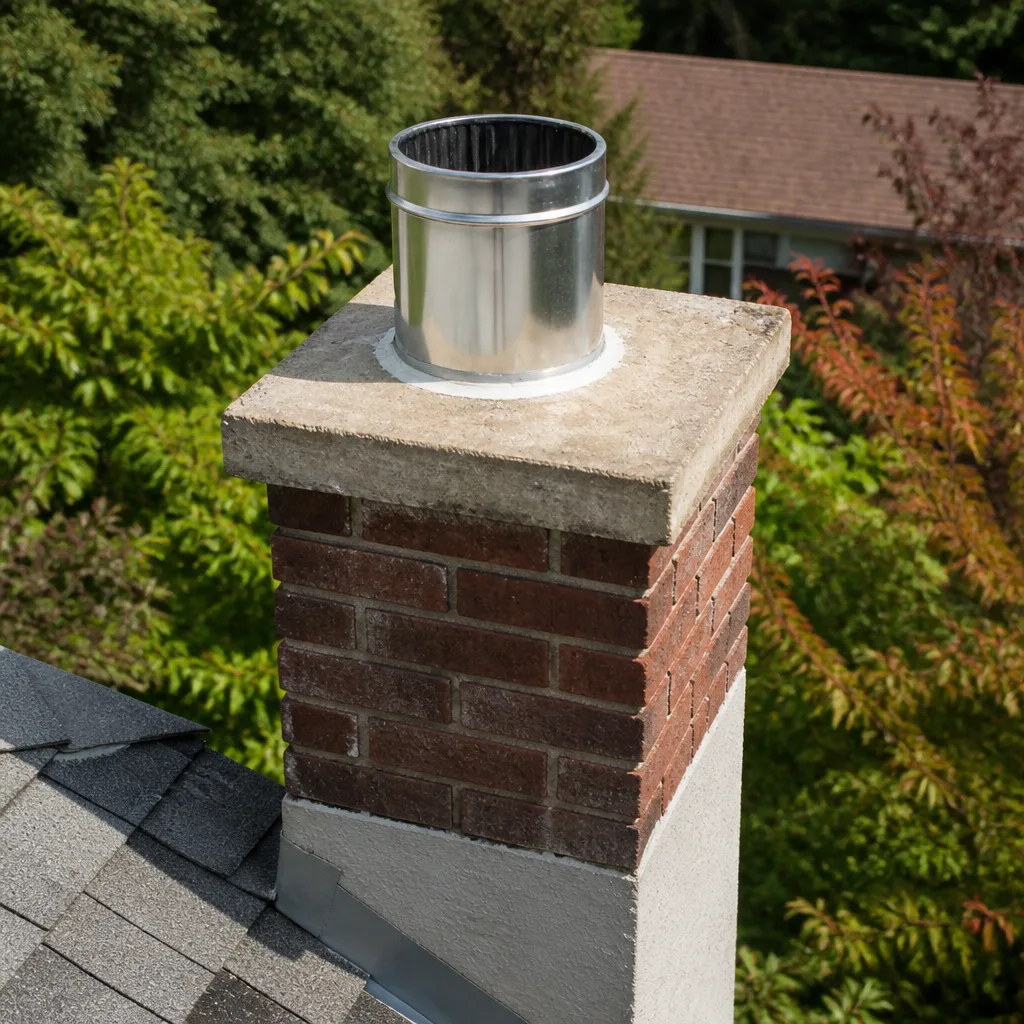 Flue relining
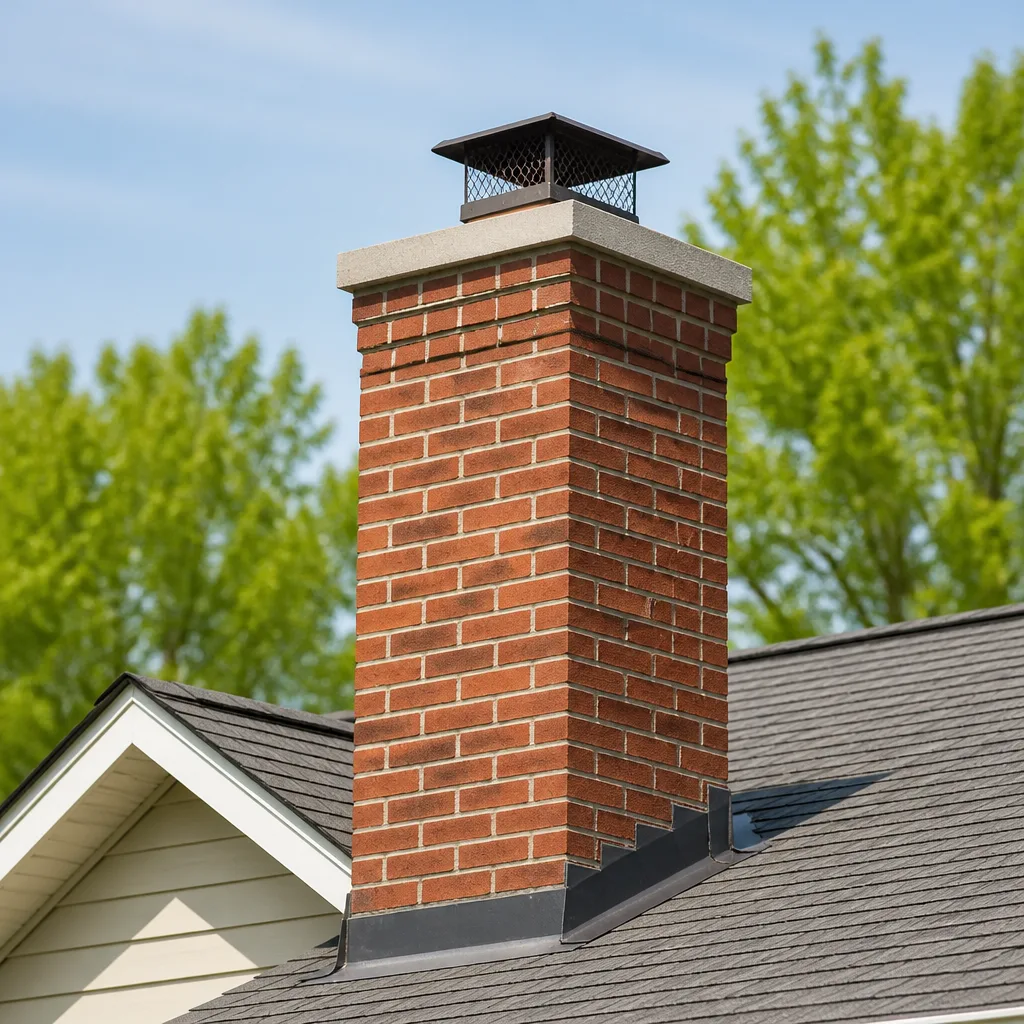 Masonry repair
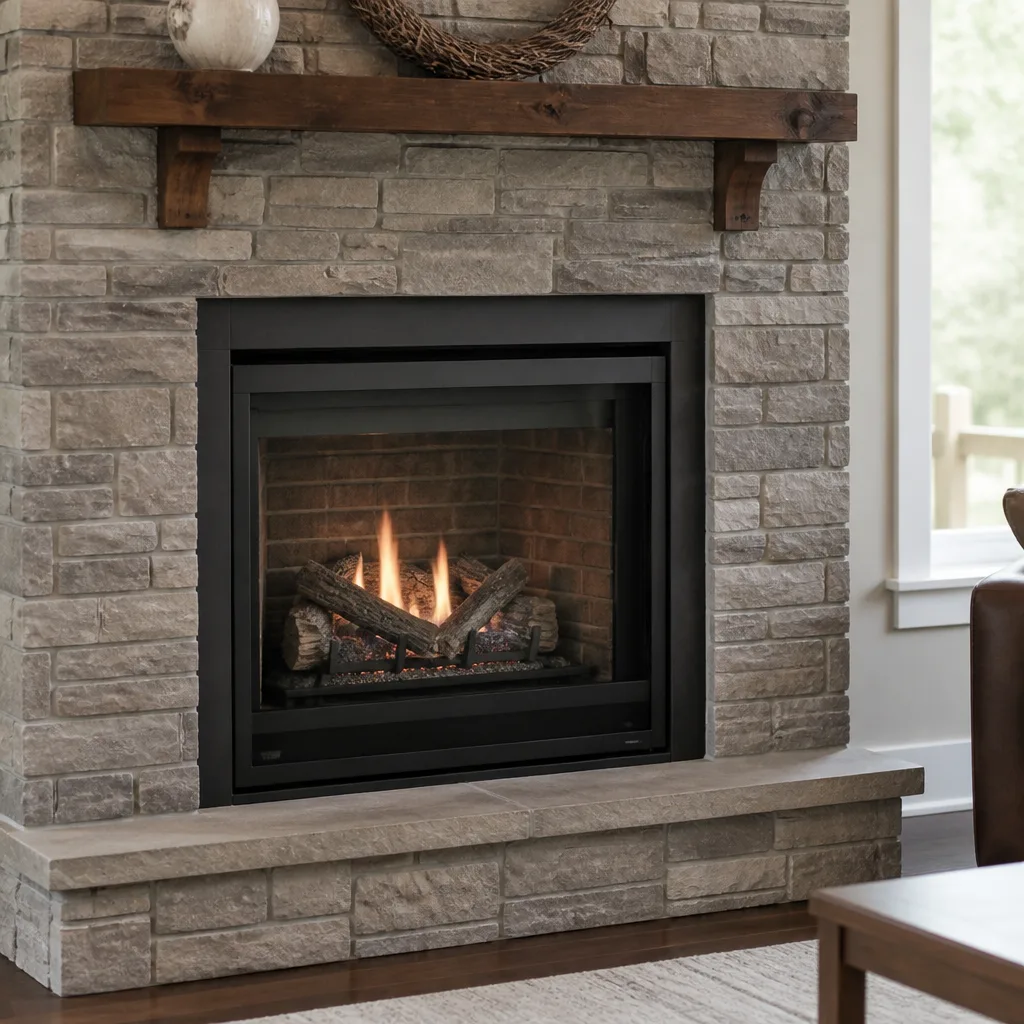 Gas fireplace service
Level 1 sweep and inspection to the NFPA 211 annual standard - flue, crown, cap, and flashing checked and photographed
Chimney sweep logs do not sweep chimneys. They loosen some creosote - which then falls where a brush and vacuum still have to collect it.
Chimney Sweep Troubleshooting in Costa Mesa: Common Problems and How to Fix Them
If you’ve already had your chimney swept and it still smokes into the room, the sweep wasn’t the fix – it was just the first step someone skipped past the real diagnosis. Most chimney problems homeowners try to solve by changing their habits – opening a window a crack, cracking the damper wider, burning hotter wood – are actually structural or mechanical faults wearing a behavioral disguise. Smoke in the room, sluggish draft, strange smells: these are symptoms, and a chimney is a system you can learn to read. This guide walks Costa Mesa homeowners through the real diagnostics – negative pressure versus actual blockages, prefab versus masonry failure modes, marine layer downdrafts that mimic creosote symptoms – so you can stop guessing and understand exactly what your chimney needs.
Quick Answer
Most chimney problems in Costa Mesa trace back to one of five causes: a flue blockage, negative air pressure in a tightly sealed home, a failed cap or crown letting water in, a damaged liner, or a prefab fireplace component past its service life. The symptom (smoke, smell, slow draft) rarely names the cause on its own. A diagnostic inspection – ideally with a camera – separates a draft problem from a blockage and shows you which repair actually applies. Nothing should be recommended without evidence you can see yourself, and some issues can safely wait while others shouldn’t.
Styles & brands we work with
- Sweep & inspection
- Caps & crowns
- Flue relining
- Masonry repair
- Gas fireplace service
Table of Contents
- Draft Problems vs. Flue Blockages: Why the Fix Is Different
- How Costa Mesa’s Marine Layer Creates Downdrafts That Mimic Creosote Buildup
- Prefab Zero-Clearance Fireplaces vs. Masonry: Different Systems, Different Failures
- The Smell-Source Matrix: Creosote, Moisture, and Animal Intrusion
- What a Level 2 Camera Inspection Reveals That a Visual Sweep Cannot
- Cap and Crown Failure: The Leading Cause of Chimney Water Damage
- When Liner Restoration Beats Replacement
- Seasonal Timing for Costa Mesa Chimneys
Draft Problems vs. Flue Blockages: Why the Fix Is Different
These are the two most-confused chimney problems, and they have almost nothing in common. A blockage is a physical obstruction – creosote accumulation, a bird nest, a collapsed liner tile, a fallen cap screen. A draft problem is a pressure imbalance: the house is pulling harder downward than the flue is exhausting upward, so smoke spills into the room even though the flue is completely clear. Sweeping fixes the first. It does nothing for the second, which is why a home can be swept clean and still smoke.
Here’s how the two present differently in a Costa Mesa home:
- Blockage signs: Smoke rolls back consistently, at every fire, regardless of weather. The fire burns poorly and the glass soots up fast. You may smell a strong creosote odor even when nothing is burning. A draft gauge or camera confirms it.
- Pressure signs: Smoke spills mostly on start-up or when the fire is dying down, then clears once the flue warms. It’s worse on still days, worse with the kitchen exhaust fan running, worse when the house is shut tight. Opening a nearby window a crack “fixes” it – temporarily.
Modern homes are built tight. Weatherstripping, spray foam, and sealed attic hatches all reduce the make-up air a chimney needs to draw properly. When you run a range hood or a bath fan, the house has to pull air from somewhere, and the chimney becomes an unintended air intake. The fix isn’t more sweeping. It’s addressing the pressure imbalance – sometimes with a make-up air source, sometimes with a different cap or a flue extension that changes how the chimney terminates relative to the roofline.
The honest way to know which problem you have is a diagnostic inspection, not a guess. A camera and a draft reading tell you in a single visit. If you’ve already tried the behavioral fixes and the smoking continues, a proper chimney sweep should be paired with that diagnosis, not treated as a substitute for it.
How Costa Mesa’s Marine Layer Creates Downdrafts That Mimic Creosote Buildup
Costa Mesa sits close enough to the coast that the marine layer – the low, cool, dense cloud deck that pushes inland on summer and early-fall mornings – affects chimney performance in ways that look exactly like creosote problems. Here’s what happens: cool dense air settles over the roofline while the flue is still warm from a previous fire or just starting up. The dense air sinks. If the chimney termination is at a height or in a position where that sinking air spills down the flue instead of flowing past it, you get a downdraft – a puff of smoke into the room, a sluggish fire, a smell of soot even though the flue was cleaned recently.
Homeowners in Costa Mesa often chase that symptom straight to “my chimney needs sweeping again.” But if the last sweep was recent and the flue was clean, the buildup story doesn’t hold. The downdraft is environmental, and it’s fixable – usually by adjusting the cap or raising the termination height so the flue top isn’t sitting in the densest pocket of air. A cap designed to redirect airflow instead of interrupting it makes a measurable difference in these coastal weather patterns.
What you can actually check yourself:
- Note whether the smoking correlates with a specific time of day. Marine layer effects are strongest in the morning and clear by afternoon.
- Watch the fire behavior when the weather shifts. A downdrafting chimney misfires at the edges of a weather change, not uniformly.
- Compare a windy day to a still one. Still air with high humidity is the classic trigger in Costa Mesa.
- Look at the termination height relative to nearby trees and rooflines. A flue capped out lower than the surrounding trim can sit in the layer.
If you’ve ruled out a physical blockage and the pattern fits weather and timing, you’re looking at a draft problem – not a cleaning problem. That’s a repair conversation, not a sweep.
Prefab Zero-Clearance Fireplaces vs. Masonry: Different Systems, Different Failures
Most chimney guides treat every fireplace the same. That’s a real disservice, because the failure modes are genuinely different. A masonry chimney is a structural assembly of brick, mortar, clay tile flue, and crown that weathers and cracks over decades. A prefab zero-clearance fireplace is a factory-built appliance with a steel firebox, a listed flue system, and a defined set of clearances to combustibles. They fail in different ways and need different repairs.
Masonry systems tend to fail from the outside in. Mortar joints erode. The crown – the concrete cap on top of the masonry chimney – cracks, and water finds its way into the flue. Flue tiles spall and crack. Liner joints separate. A chimney and fireplace that looks intact from the hearth can have significant interior damage that only shows in a camera inspection or a crack in the visible mortar. Repair work on masonry runs from tuckpointing and crown reconstruction to full liner replacement or HeatShield restoration.
Prefab zero-clearance fireplaces fail from the inside out. The steel firebox panels can warp or crack with age and heat cycling. The listed flue pipe – a specific assembly the manufacturer rated for that appliance – can develop gaps at the joints or lose its insulation shield. A critical point: you cannot substitute just any flue pipe on a prefab system; the replacement has to match the appliance’s listing. Repairs here mean relining with a listed system like DuraFlex that fits the application, not “patching it up.”
How to tell which you have, and why it matters:
- Masonry fireboxes are brick-lined with visible mortar; prefab fireboxes have steel or refractory panel walls inside.
- Look at the data plate. Prefab fireplaces carry a manufacturer’s plate inside the firebox or behind the screen listing the model and required flue system.
- Masonry chimneys are built on-site; prefab units are metal on the outside, often with a chase cover, not a brick stack.
- Repair options and materials differ entirely. A camera inspection plus the data plate tells you which system you’re working with before anyone quotes a fix.
Getting this wrong is a common and costly mistake. If someone quotes a masonry repair on your prefab unit, or relines a masonry chimney with a product not rated for it, stop. The correct chimney repair is always specific to the system, and it should be backed by evidence from an inspection.
The Smell-Source Matrix: Creosote, Moisture, and Animal Intrusion
A smell is a symptom with several possible sources, and each one requires a genuinely different response. Chasing the wrong one wastes money and time. Here’s the matrix we use to sort a chimney smell into the right category before any work is done.
- Creosote smell – a sharp, tarry, campfire-in-a-closed-room odor, usually strongest on warm, humid days when air pressure pushes it down into the house. The source is glazed creosote in the flue, the byproduct of repeated low-temperature fires. It’s addressed by a proper sweep and, if the creosote is glazed, by chemical treatment or, in severe cases, liner restoration or replacement. A standard stiff-brush sweep doesn’t remove glazed creosote – that requires specific products and method.
- Moisture / mold smell – a musty, damp, basement-like odor. The source is water entering through a failed cap, a cracked crown, or a corroded chase cover, soaking into masonry, refractory panels, or the smoke chamber. The repair is water intrusion work first – cap, crown, flashing – and then drying and inspecting the interior. Cleaning a moisture problem without fixing the entry point is a recurring cost, not a fix.
- Animal intrusion smell – an ammonia, acrid, or animal odor that’s often accompanied by scratching or a sudden draft loss. Birds, squirrels, and raccoons favor open chimney tops, and their nesting material is a blockage and a fire hazard. The fix is removal, sanitation, and a proper cap to prevent a return. Never burn through a nest – clear it first.
One more category worth separating: a smoky, ashy smell that only appears when the HVAC fan runs or the house is closed up. That’s an interior pressure story, not a creosote one. It gets solved by pressure work, not a more aggressive clean. A diagnostic inspection sorts the source first, then quotes only the fix that matches.
What a Level 2 Camera Inspection Reveals That a Visual Sweep Cannot
A level 2 inspection is a camera-based, full-system evaluation of the chimney interior and connected components, and it’s the only diagnostic that reliably finds the problems a visual sweep leaves invisible. A standard sweep cleans what the technician can reach and see. A camera inspection examines what the fire has been doing to the flue and the firebox over time, all the way up the stack.
What video and photo inspection actually shows:
- Flue tile cracks and gaps – the small separations between flue tiles that let heat reach combustibles behind the liner. These are often invisible from below and often the difference between a safe chimney and a structural fire risk.
- Creosote distribution – glazed versus flaky creosote, how much has accumulated, and where. A camera tells you whether you’re looking at a sweep or at a restoration conversation.
- Liner condition – separation, spalling, collapse, or rust-through on prefab flue systems. A camera is the only way to see the interior of a prefab flue joint.
- Smoke chamber and damper assembly – cracks, gaps, and obstructions in the transition that affects draft and can cause smoke roll-in.
- Blockages – nests, debris, fallen tiles, or the remnants of a long-ago repair.
- Water intrusion evidence – staining and efflorescence that indicate active leaks.
A level 2 inspection is also the standard for several situations beyond routine annual maintenance: after a chimney fire, before a sale or real estate transaction, after any change in the appliance or venting, and any time a symptom doesn’t match the last visual inspection. The output isn’t just a clean report – it’s the evidence you can see yourself before anything is recommended. This is the “we diagnose before we quote” approach that separates a proper diagnostic visit from a coupon sweep. If a crew quotes liner or masonry work without showing you camera footage and photos of the actual condition, you don’t have enough information to say yes.
Cap and Crown Failure: The Leading Cause of Chimney Water Damage
Water does more long-term damage to chimneys than fire does. It gets in through the two components most crews under-value: the cap and the crown. The cap covers the flue opening and keeps rain, animals, and debris out while allowing smoke up and allowing a screen for birds. The crown is the concrete surface on top of a masonry chimney that sheds water away from the flue and the brick. When either one fails, water finds the interior and the damage compounds – mortar erodes, refractory panels soak, liners crack, and a simple repair turns into a structural job.
On a masonry chimney, the crown cracks from repeated wetting and drying. A hairline crack is enough. On a prefab unit, the equivalent component is the chase cover and cap, which corrodes at the seams or blows off in wind. Both are preventable failures. New cap and crown installation using name-brand components – Gelco crowns, Olympia Chimney caps – is a preventive service many sweep crews skip entirely. We see it as the single highest-value item on the chimney health list, because it protects everything underneath.
What to check on your own roof, from the ground with binoculars or on the roof only if it’s safely accessible:
- Is the crown visibly cracked, dipped, or missing chunks?
- Is the cap missing or rusted through on a prefab system?
- Is the chase cover or its seam visibly corroded?
- Are there rust streaks or white efflorescence stains on the outside of the chimney?
- Is there daylight visible through a closed fireplace from a missing damper or cap gap?
Any yes is worth a diagnostic visit. A cap and crown replacement is typically far less expensive than the liner and masonry repairs that result from letting water in. If you want the current condition checked, our chimney repair service covers cap and crown work under the same diagnostic-first approach.
When Liner Restoration Beats Replacement
A cracked or separated flue liner is a serious problem – it’s the layer between the fire and the framing of the house. The old default was to tear the old liner out and rebuild. That’s still the right answer when the flue structure is compromised or the liner is collapsing. But there’s a middle tier that many crews don’t offer: liner restoration. The HeatShield system, applied by a trained technician, resurfaced a damaged liner from the inside with a refractory cement product that reseals joints and cracks, restoring a code-compliant interior without a full tear-out.
Restoration is the right call when the flue remains structurally sound but the liner surface is cracked, has separated joints, or shows spalling – and when the firebox needs a heat-resistant repair. It’s usually less invasive than relining with a full new pipe system and it works for masonry chimneys. For a prefab zero-clearance system, restoration isn’t the tool – those get relined with a listed assembly like DuraFlex, matched to the appliance’s data plate.
How a technician decides between the two:
- Camera-inspect the flue to see whether the structure is intact or compromised.
- Check joint separation and whether the liner has actually lost its structural function.
- Confirm the system type – masonry versus prefab – because the repair products differ.
- Review the appliance and venting requirements against the repair option.
- Show the homeowner the footage and photos, then explain the options and their trade-offs in plain language, with the price set in a written estimate.
Restoration is a specialized capability, not a standard sweep service, and it’s one of the reasons we carry a full product range – HeatShield for restoration, DuraFlex and Olympia Chimney for relines, Gelco and Copperfield for caps and crowns. When the diagnosis points to liner work, the right answer depends on what the camera shows, not on what the crew happens to stock.
Seasonal Timing for Costa Mesa Chimneys
Costa Mesa’s winters are mild, which creates a false sense of “my chimney has more time.” The fires still happen – cool evenings and occasional cold snaps keep the fireplace in use – and the creosote still accumulates. What changes with the mild climate is the burn pattern: many homes run small, low-temperature fires more often than they run long hot ones, and that pattern produces exactly the kind of glazed creosote that’s harder to remove. A once-a-year sweep before the first cool-weather firing season is the standard, with the inspection scheduled in the same visit so you know the system’s condition before you load it up.
Here’s a practical way to think about timing for a Costa Mesa home:
- Early fall: The right window to book the annual sweep and inspection, before burning season starts and before the marine layer’s downdraft season arrives. It gives you time to complete any needed repair without a scramble.
- Mid-burning season: Pay attention to any change in draft, smoke roll-in, or smell that wasn’t there at the start of the season. A change is a signal, not a coincidence.
- After any chimney fire: A level 2 inspection is the standard, whether or not the fire was big. The interior damage isn’t always visible from below.
- Before selling a home: A camera-based inspection gives the buyer and seller a shared, factual baseline.
- Before burning season: Add cap-and-crown inspection to the same visit. It’s the cheapest insurance in the system.
For the broader maintenance timetable, see the full guide to chimney sweep frequency and what each visit includes.
None of this requires a rush call. It requires a booked sweep. The urgency in a Costa Mesa chimney is seasonal – before the first firing, before the marine layer settles in, before the next storm tests a cracked crown. That’s the real deadline, and a scheduled inspection meets it without pressure.
Common Mistakes to Avoid
- Assuming a sweep solves smoke in the room. A clean flue and a properly drafting flue are different things. Smoking after a recent sweep points to a pressure or termination problem, not a cleaning gap.
- Burning a hot fire to “clear” a blockage. A nest, trapped debris, or an unremoved creosote mass can ignite and create a chimney fire. Call for removal instead of burning through it.
- Putting a generic cap on a prefab flue. The cap has to match the system. A cap that’s wrong for a listed prefab assembly can block the draft or leave the flue unprotected.
- Treating a musty smell as a creosote problem. A musty smell usually means water intrusion – a cap, crown, or chase cover repair, not a cleaning. Cleaning without fixing the entry point is a repeat expense.
- Ignoring a cracked crown because “it’s just concrete.” The crown is the chimney’s raincoat. A hairline crack lets water into the flue and starts a much bigger repair.
- Accepting a liner or masonry quote without seeing the evidence. If you haven’t seen the camera footage and photos of your own chimney, you don’t know if the work is needed yet. A specialist who diagnoses first will show you.
- Substituting a general contractor for repeated chimney work. Chimneys are a system with specific codes, listed products, and a defined diagnosis path. A specialist in one trade brings the tools built for it.
The point across all of these is the same: match the fix to the actual cause. Most home chimney mistakes are diagnosis mistakes, not laziness.
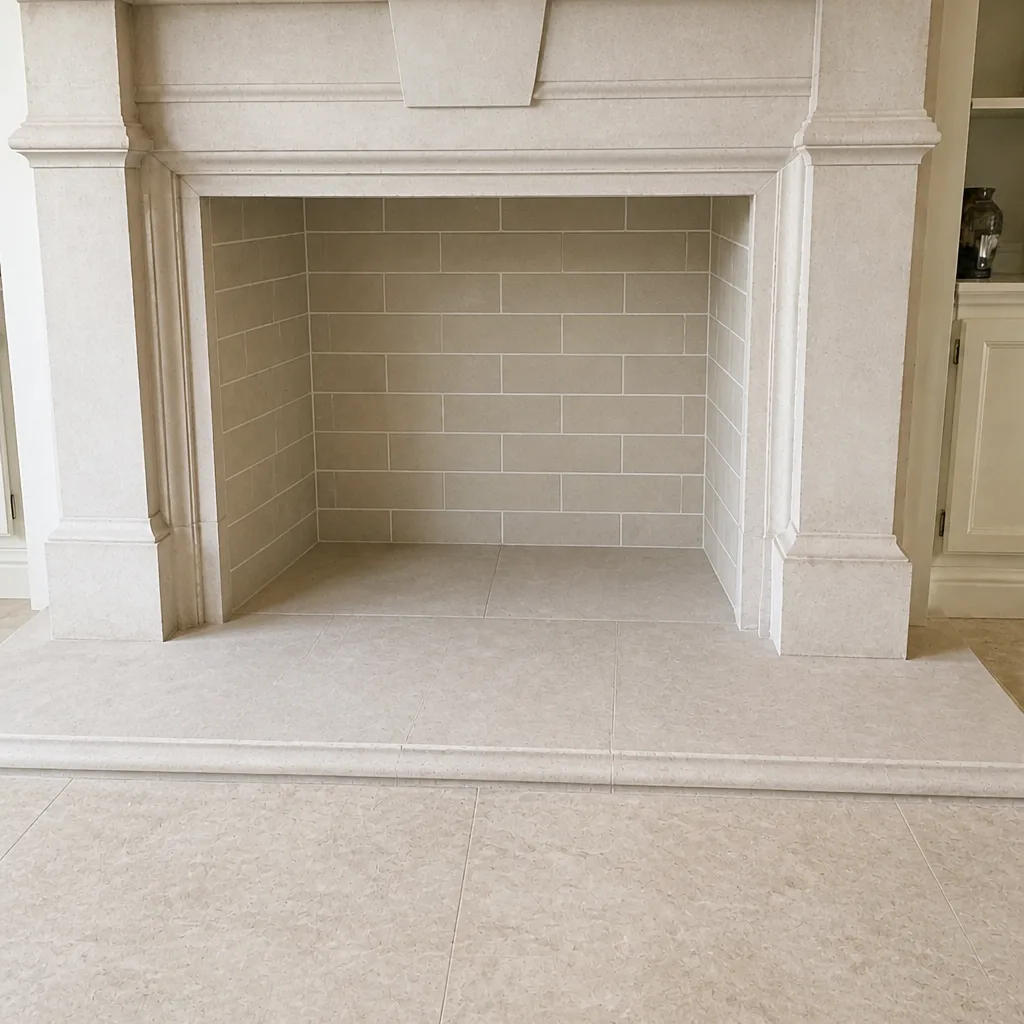
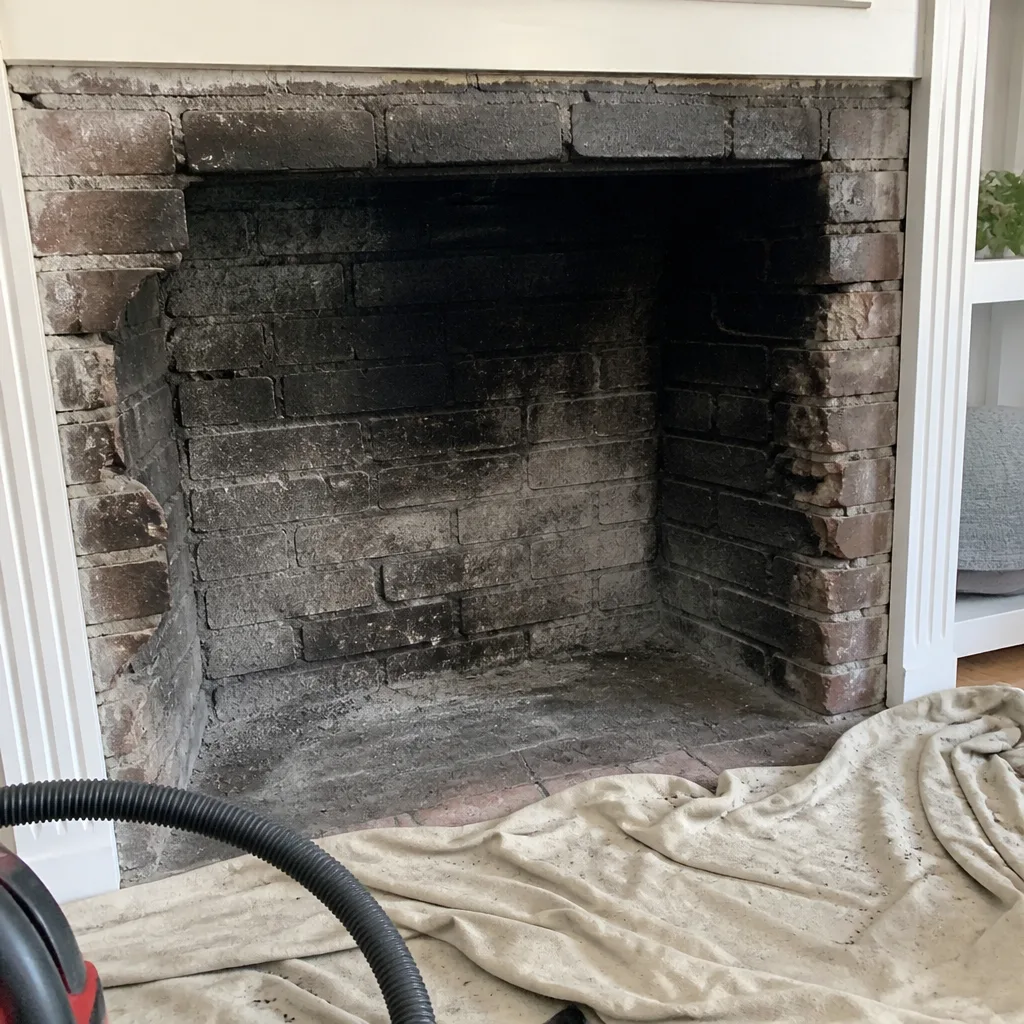
See the difference
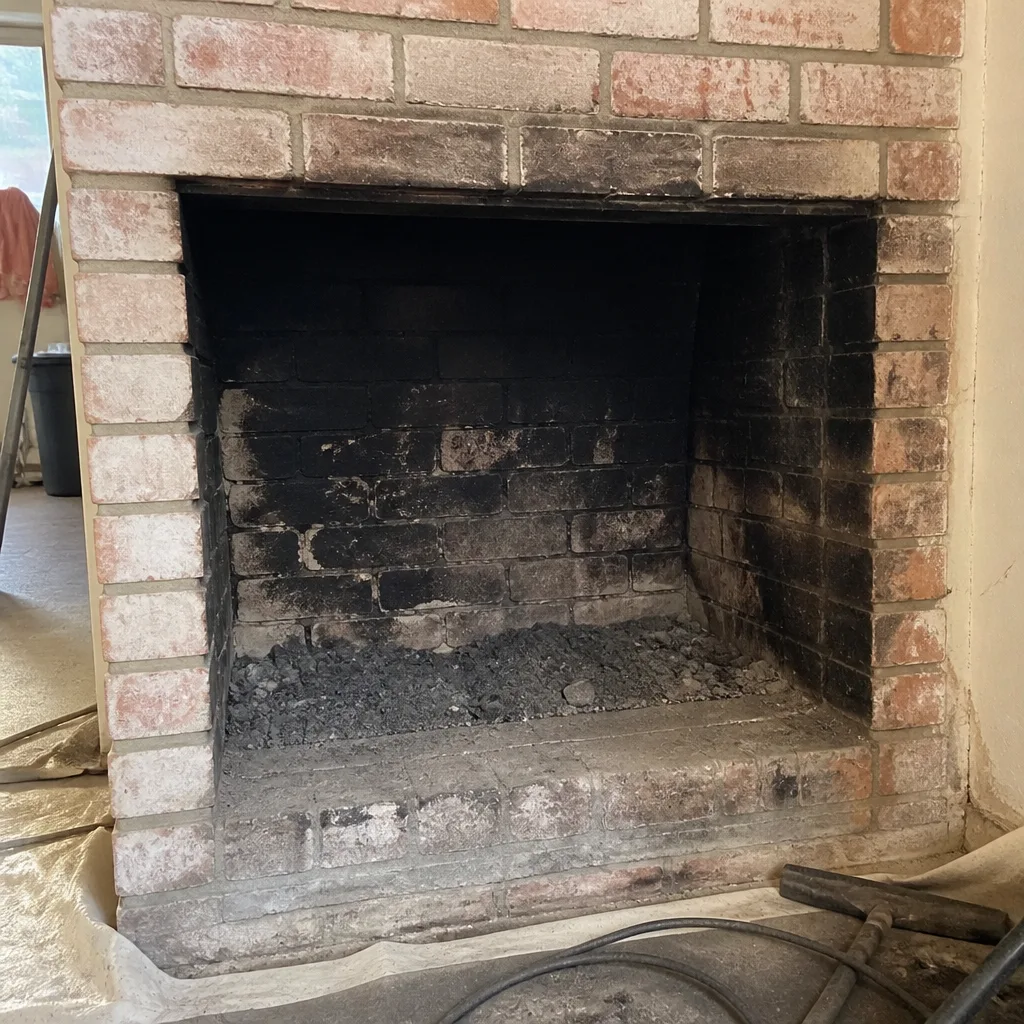 Before
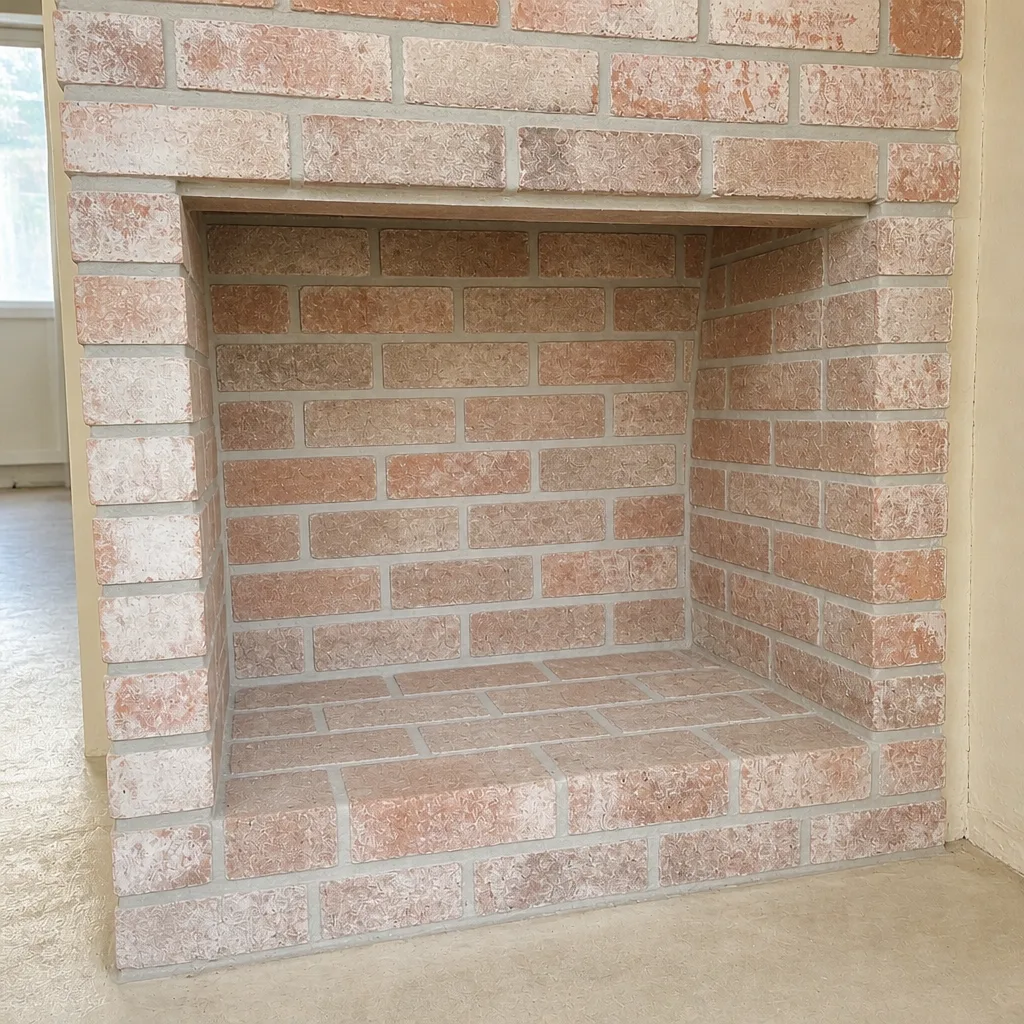 After
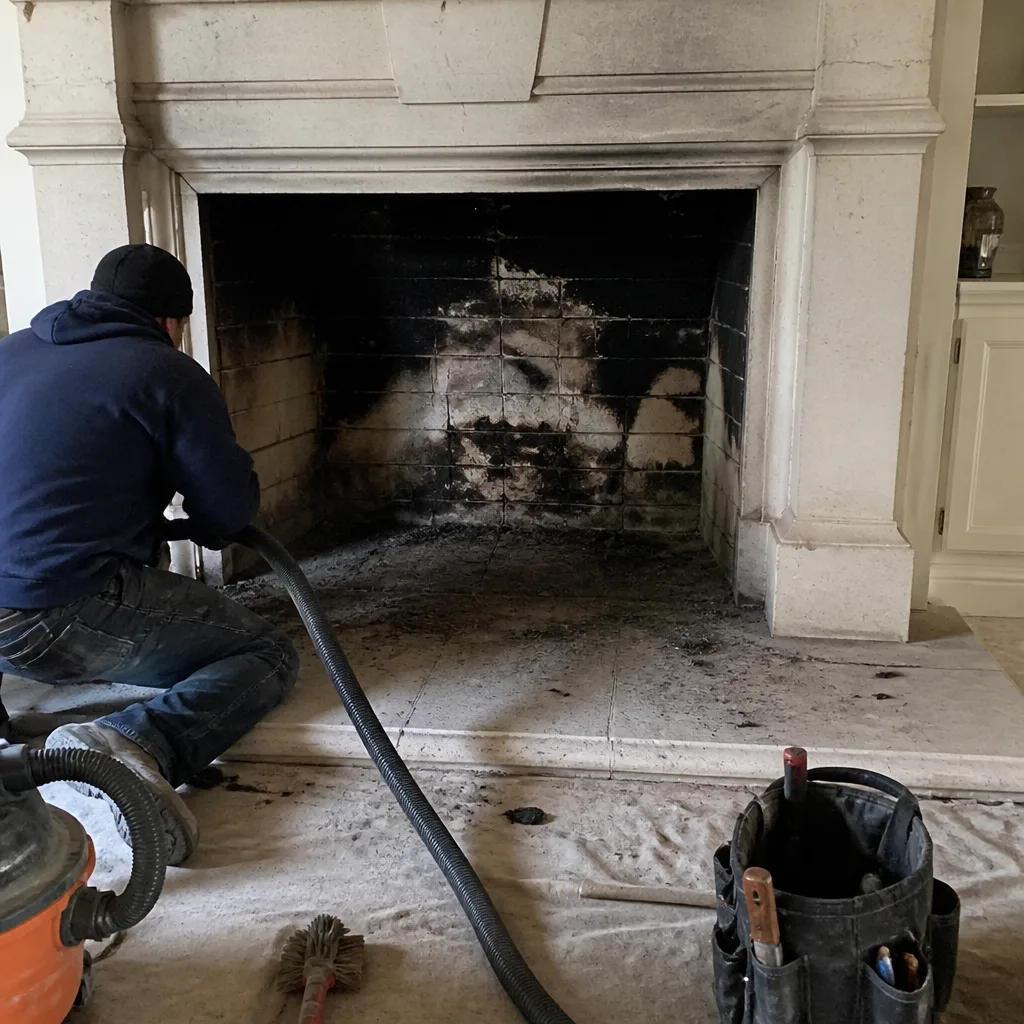 Before
 After
 Before
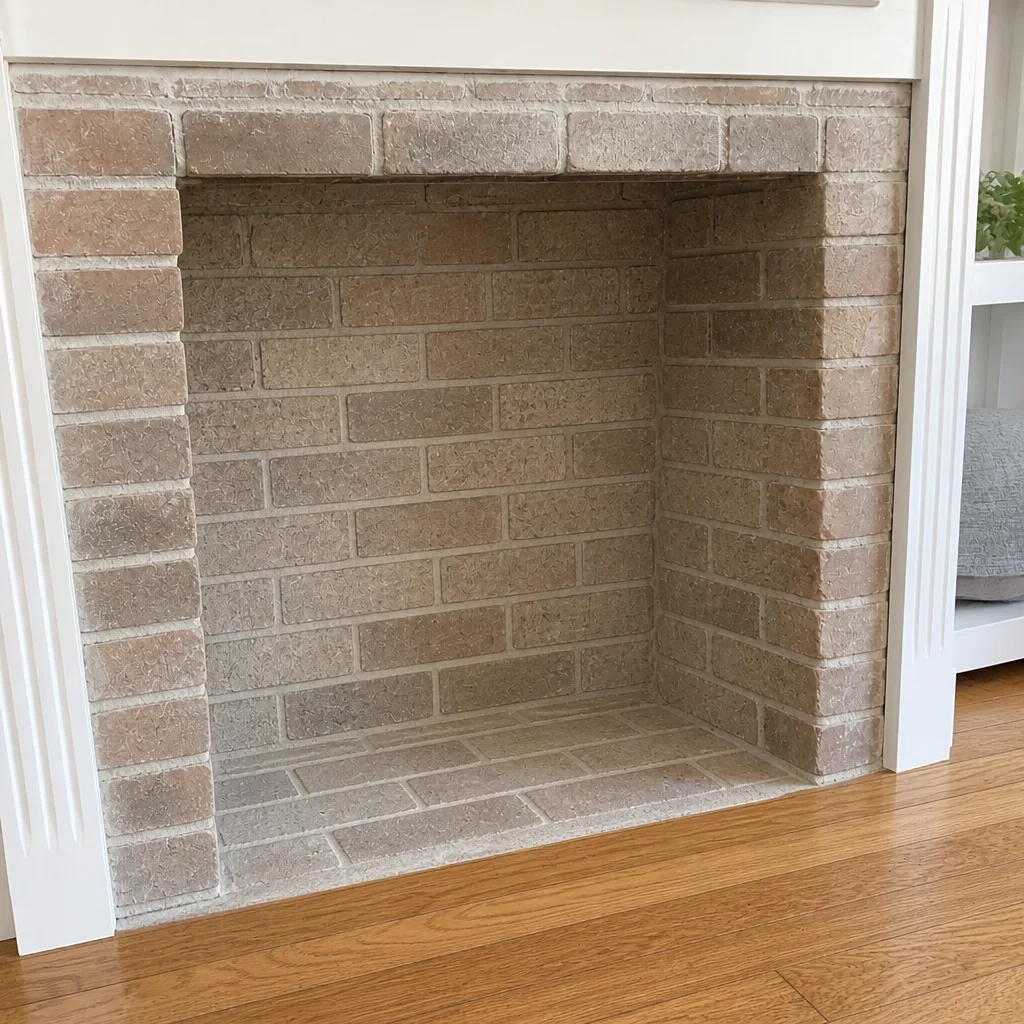 After
When to Call a Professional
Some chimney work is a homeowner maintenance task – visual checks from the ground, watching draft behavior, and scheduling the annual sweep. Others need a specialist: a level 2 camera inspection before buying a home, any smoke roll-in that persists after a recent sweep, a smell you can’t place, water stains or rust streaks, a cracked crown or a missing cap, a suspected animal nest, or any chimney fire. If your prefab fireplace’s data plate is unclear, or someone quotes liner work without showing you footage, call for a diagnostic visit first. We work with professional-grade materials like HeatShield and DuraFlex because the repair has to match the system. Costa Mesa Chimney Sweep Co offers free estimates in Costa Mesa – call (855) 550-7756. Our technicians have up to 10 years of experience, and the written estimate sets the final price.
We answer 24/7. Fast dispatch from 7am to 7pm, Sunday through Friday.
Frequently Asked Questions
A standard chimney sweep in Costa Mesa typically runs in the neighborhood of a routine maintenance visit, and the final number depends on the flue access, the amount of creosote, and whether a diagnostic inspection is added in the same visit. The written estimate sets the exact price before any work starts. Call (855) 550-7756 for an exact quote – estimates are free.
You need a new liner only when the camera inspection shows the existing one has lost its function – cracks, separated joints, a compromised structure, or a prefab flue that no longer matches the appliance’s listing. Liner restoration with HeatShield is sometimes the right middle step when the structure is intact. Ask to see the footage and photos of your own flue before you agree to anything. Call (855) 550-7756 for an estimate and a look at what’s actually there.
Once a year is the standard for a home that burns regularly, and more often if you burn frequently or see a buildup. The mild climate here means many homes run smaller, cooler fires that produce glazed creosote, which is harder to remove than the flaky kind. Pair the sweep with an inspection each year so the diagnosis stays current. Call (855) 550-7756 to book a sweep and inspection.
That pattern points to the marine layer, not to a creosote problem. Cool, dense air settling over the roofline can push down the flue, causing a downdraft that mimics a buildup symptom. If the flue was recently cleaned and the problem is weather-linked, you’re looking at a cap or termination fix. Call (855) 550-7756 for a diagnostic visit.
Creosote keeps accumulating, and glazed creosote is a genuine fire risk because it burns hot when it ignites. The other cost is silent: a cracked crown or missing cap lets water in over time, and the resulting liner and masonry repair is far bigger than the prevention would have been. A sweep and inspection catch both. Call (855) 550-7756 for a free estimate.
A photo helps, but a chimney diagnosis needs a camera inspection because the cause is often inside the flue where a photo can’t reach. Draft problems, liner cracks, and prefab joint failures are all interior findings. The visit produces footage and photos you can see yourself, and only then does anything get recommended. Call (855) 550-7756 to book a diagnostic inspection.
The Bottom Line
Chimney problems in Costa Mesa are mostly diagnosis problems. Smoke in the room can be a blockage or a pressure imbalance; a sooty smell can be glazed creosote or a downdraft off the marine layer; a musty odor is usually water intrusion, not buildup; and prefab fireplaces fail differently from masonry chimneys. Learn to read the symptom against the system, and you stop guessing and start solving. The one consistent tool in all of it is a level 2 camera inspection that shows you the evidence. Costa Mesa Chimney Sweep Co offers free estimates in Costa Mesa – call (855) 550-7756 for a diagnostic inspection or a booking. We answer 24/7. Fast dispatch from 7am to 7pm, Sunday through Friday. Visit Costa Mesa Chimney Sweep Co for the full range of chimney services, and see our fireplace repair page for firebox and damper work. From inspection to crown, every job starts with a diagnosis and ends with a written estimate.
Written by the team at Costa Mesa Chimney Sweep Co.