
Last updated November 25, 2026
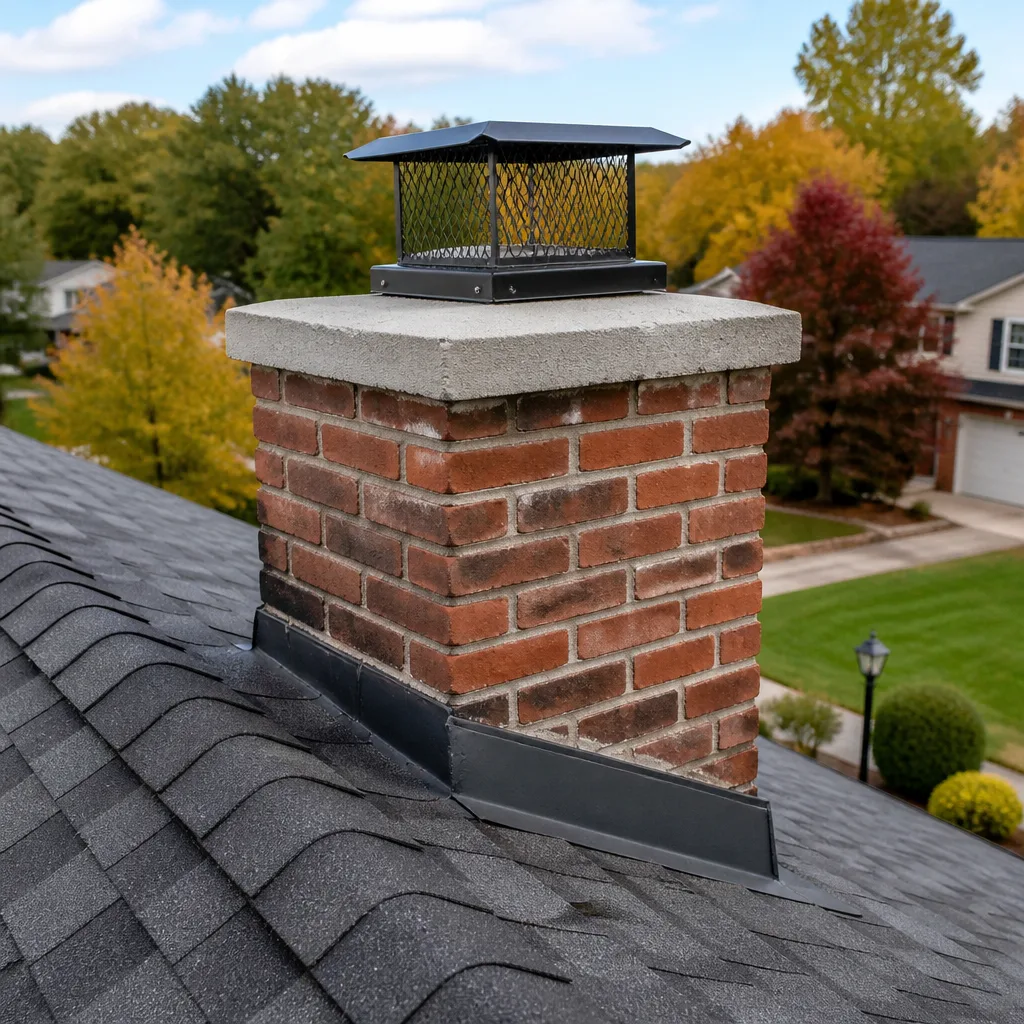 Sweep & inspection
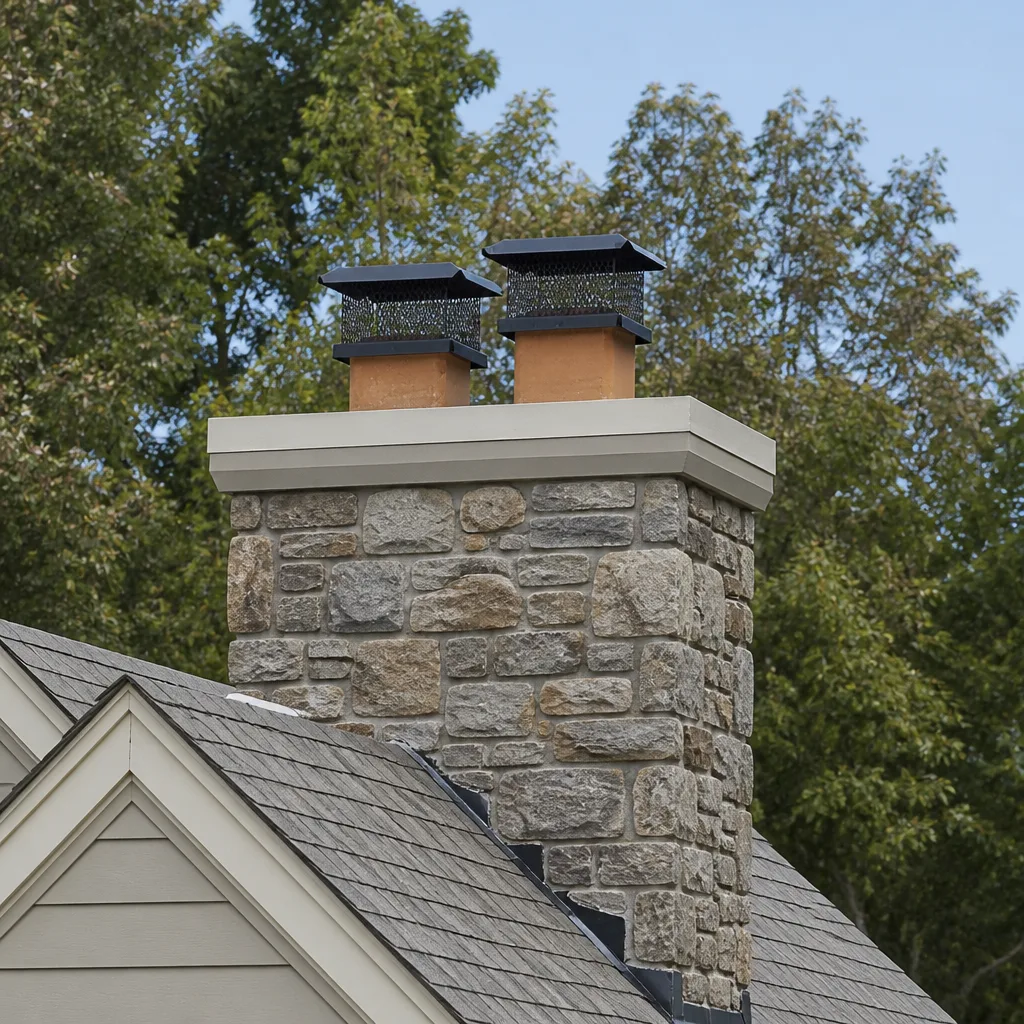 Caps & crowns
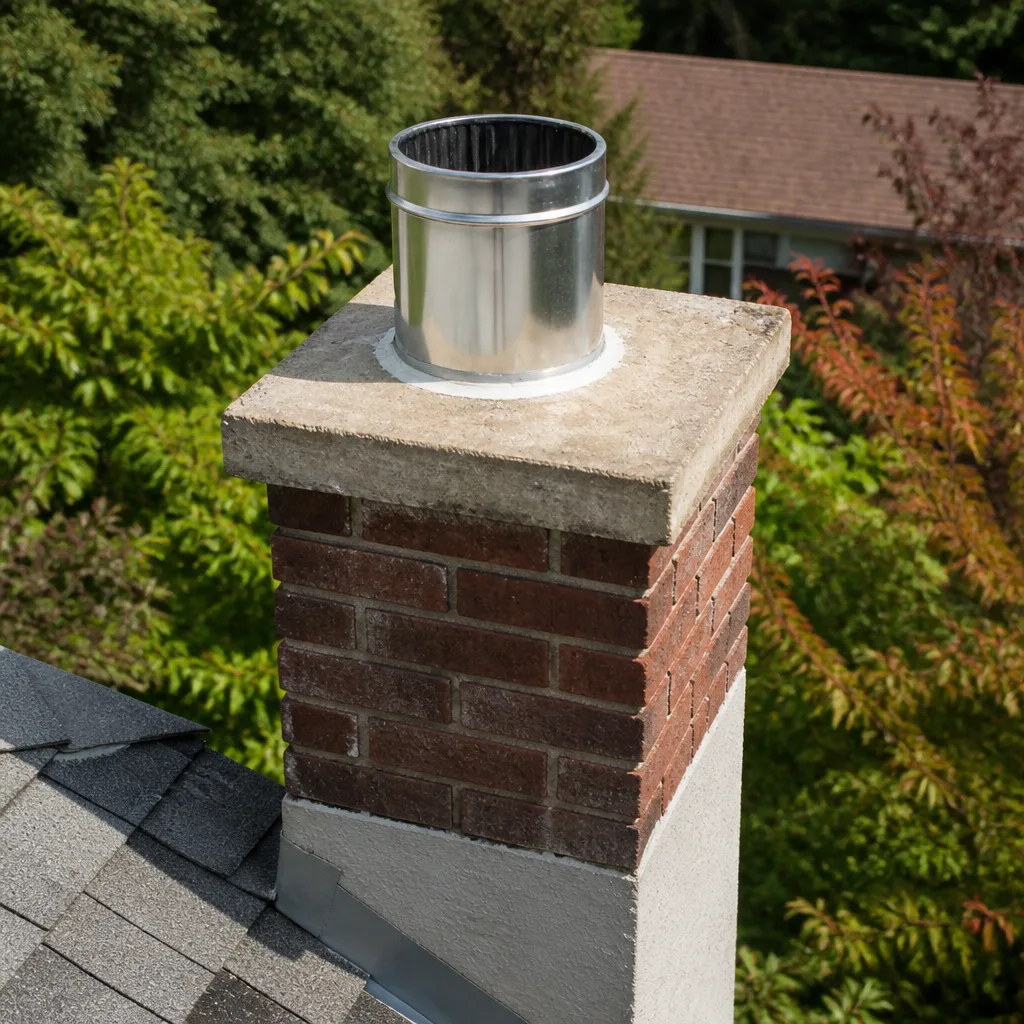 Flue relining
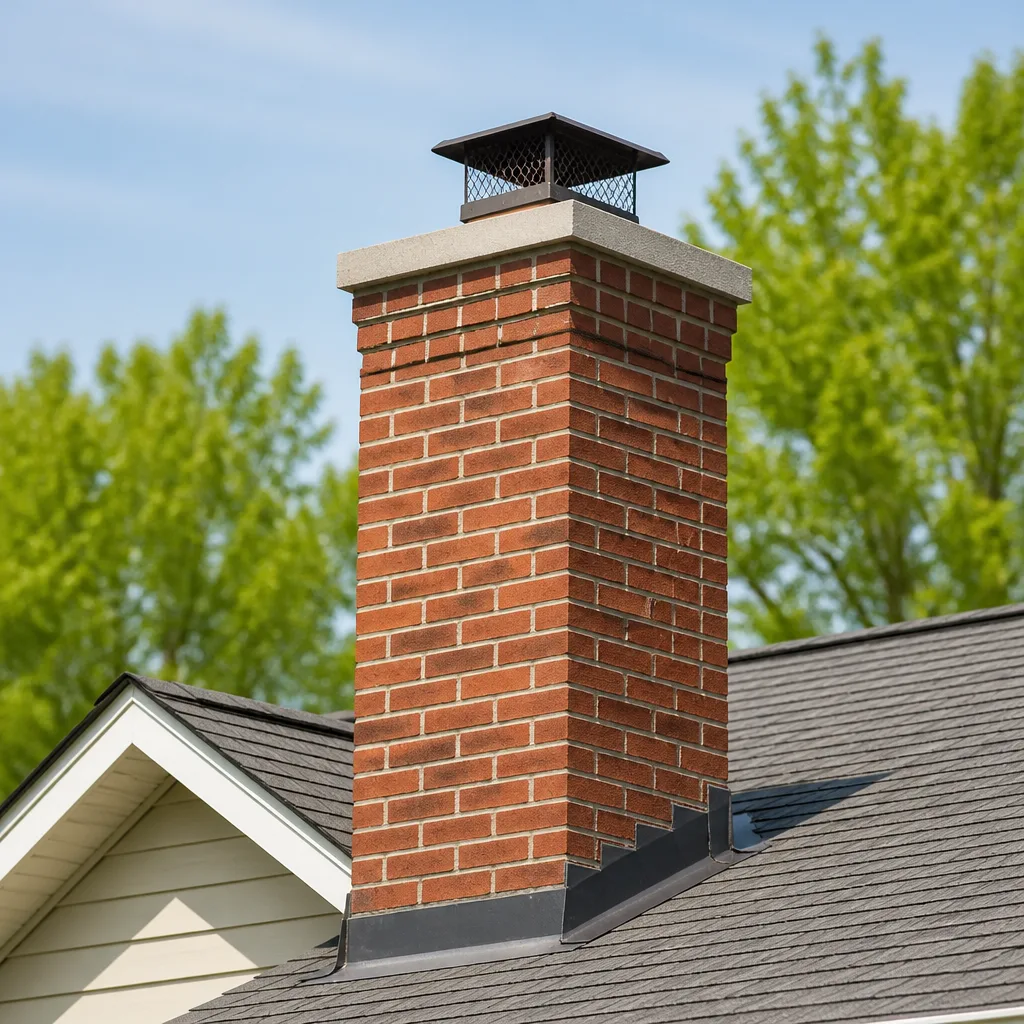 Masonry repair
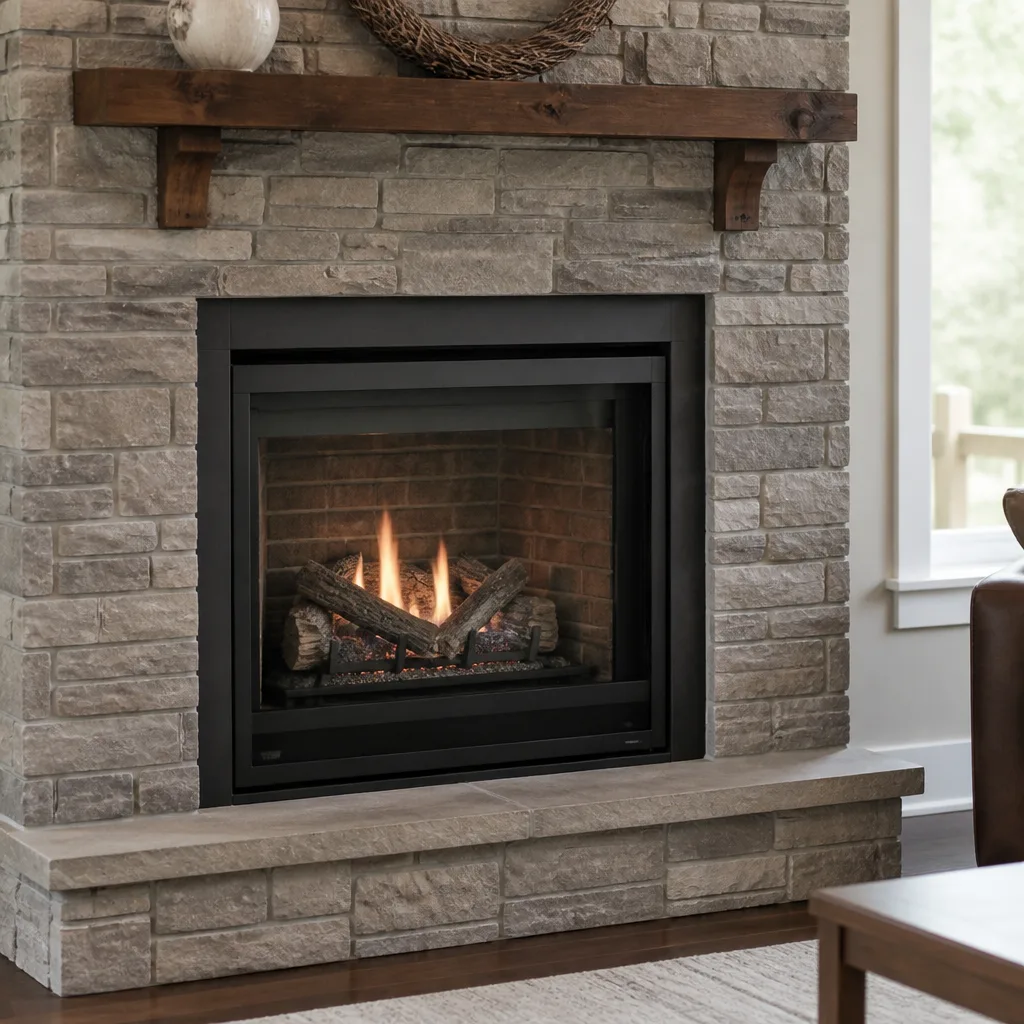 Gas fireplace service
Level 1 sweep and inspection to the NFPA 211 annual standard - flue, crown, cap, and flashing checked and photographed
Chimney sweep logs do not sweep chimneys. They loosen some creosote - which then falls where a brush and vacuum still have to collect it.
Choosing the Right Chimney Cleaning Brand: A Buyer’s Guide for Costa Mesa
Most homeowners compare chimney companies by the price on the flyer. That’s the wrong filter, and it’s why so many chimney repairs in Costa Mesa start failing long before they should. The real difference between a professional-grade chimney product and a hardware-store substitute isn’t the label or the shelf it sits on. It’s the chemistry. Coatings cure differently, expand and contract at different rates, and hold up against moisture for a decade versus a season. When you pick a chimney company, you’re really picking the materials they put on your chimney, and that decision outlives the invoice. This guide walks through the brand tiers of chimney materials, the questions that reveal a contractor’s standards, and how to source the right products for the climate you actually live in.
Quick Answer
Choose a chimney cleaning brand by asking three things: which product brands the contractor specifies by name, whether those brands are professional-grade or retail substitutes, and whether the materials are matched to your chimney’s material and climate. A chimney company that can’t name its brands, or that reaches for a generic masonry sealer on a crown, is telling you something about the whole job. In Costa Mesa, that usually matters more than saving a few dollars on the sweep.
Styles & brands we work with
- Sweep & inspection
- Caps & crowns
- Flue relining
- Masonry repair
- Gas fireplace service
Table of Contents
- What are the brand tiers in chimney repair materials?
- How do professional-grade and retail chimney products differ in performance?
- How do you identify which brands a contractor uses?
- Which product categories matter most in Costa Mesa?
- Why are some chimney brands installer-only?
- What brand questions should you ask before accepting a repair quote?
- What does the product warranty actually cover?
- Why a diagnostic-first approach changes the material choice
What are the brand tiers in chimney repair materials?
Chimney materials come in roughly three tiers, and the differences are structural, not cosmetic. Understanding the tiers is the single most useful skill in evaluating a chimney company’s bid. When a crew quotes you a crown repair, a flashing reseal, or a liner restorations, the product they choose tells you more about the outcome than the labor charge does.
The first tier is professional-grade, installer-only material: the products a chimney specialist buys from a trade supplier and applies with training. These are formulated for the specific thermal and moisture conditions a chimney experiences. The second tier is premium retail, sold to anyone but generally worth the price. The third tier is generic retail, the bucket of sealer sitting next to the paint aisle, which is where a lot of cheap chimney work quietly goes wrong.
- Tier 1: professional-grade, installer-only. Formulated for high-temperature and moisture exposure, often with matching application systems and manufacturer technical support. Brands like HeatShield, DuraFlex, Copperfield, Gelco, Olympia Chimney, and Famco sit here.
- Tier 2: premium retail. Better chemistry than generic products but often not matched to chimney-specific conditions. Sold to the homeowner.
- Tier 3: generic retail. General-purpose sealants and coatings. Fine for a garden wall. Wrong for a chimney crown.
The tier isn’t about snobbery. It’s about the chemical and thermal demands a chimney actually places on a material. A crown on a chimney in Costa Mesa goes through the same daily heating and cooling as anywhere else, and it takes the same UV. Retail substitutes simply don’t have the elastic range or the cure chemistry to hold up. When you’re vetting a Costa Mesa Chimney Sweep Co or any other local specialist, the brand answer is your fastest read on the standard they hold.
How do professional-grade and retail chimney products differ in performance?
The performance gap between professional-grade and retail chimney products shows up in three measurable areas: thermal expansion, moisture vapor transmission, and UV durability. Those three factors determine whether a repair looks good for a year or holds for a decade.
Thermal expansion is what most people miss. A chimney crown, for example, expands and contracts through huge temperature swings. A product whose elasticity can’t keep up with the masonry will crack along the same lines the masonry opens up. Professional-grade elastomeric chimney coatings are built with an expansion coefficient matched to masonry, which is why they flex instead of fail. Retail masonry sealer is far more rigid, and it loses adhesion once the masonry moves.
Moisture vapor transmission matters just as much in the opposite direction. A crown has to let some vapor escape while keeping liquid water out. A truly vapor-closed product traps moisture inside, and that moisture finds the nearest weak path. Professional-grade crown coatings are engineered as breathable barriers. Generic sealers are not.
UV durability is the third. Sun exposure breaks down polymers. Professional-grade coatings use UV-stable chemistry; retail products often don’t. In a sunny, dry climate the difference in service life can run from a few years to more than a decade.
- Elasticity: professional products flex with the masonry, retail products crack.
- Vapor control: professional coatings breathe, retail sealers trap moisture.
- UV stability: professional chemistry resists sun damage, retail breaks down faster.
- Adhesion: professional formulations bond to masonry and metal, retail products can peel.
- Documentation: professional products come with installation data and a manufacturer warranty; retail products often don’t.
None of this is about brand logos. It’s about chemistry that was engineered for the application. Any Crown, flashing, or liner repair using professional-grade material is a fundamentally different product from the same job done with a retail substitute, even if the finished look is similar on day one.
How do you identify which brands a contractor uses?
You identify the brands a contractor uses by asking a direct question on the phone or in the estimate review: “Which product brands will you use on my crown, flashing, and liner job?” A specialist answers in seconds because those brands are part of how they work. A generalist hedges.
The response itself is the diagnostic. Here’s what to look for.
- They answer immediately. Brand names roll off the tongue when they’re standard. Hesitation is an answer.
- They match brand to task. A good specialist knows which brand belongs on a crown, which on a liner, and which on flashing. Brand names alone don’t mean anything if they’re used for the wrong job.
- They explain why. They can tell you why one product over another, not just which one.
- They document it. The written estimate names the product; that’s your record and their commitment.
- They’re willing to show you. If the product comes in labeled containers, you can confirm the material that actually goes onto your chimney.
What you’re reading for is honesty more than brand worship, but the practical outcome is the same. A chimney specialist’s material choice is a proxy for their standard of care. A contractor who can’t name a brand isn’t being modest; they’re not sure. That uncertainty often runs from the crown down to the flue and shapes the whole job.
This is where the chimney-only focus shows its value. A generalist who sweeps chimneys between roofing jobs, or a handyman who handles a bit of everything, simply hasn’t built the material knowledge a specialist carries. Not out of bad intent, but because their business doesn’t demand it. In our experience, a single-trade specialist is more likely to source from professional-grade suppliers and stock the right brand for the job. That’s why the brands we work with read like a specialty supplier list rather than a hardware-store shelf: HeatShield for liner restoration work, DuraFlex for flexible liners, Copperfield for caps and crowns, Gelco for sealing and repair applications, along with Olympia Chimney and Famco. Each carries a specific role. Each is chosen for the task, not for the price tag.
Which product categories matter most in Costa Mesa?
Four product categories matter most for a chimney in Costa Mesa: crown coatings, cap materials, flashing sealants, and chimney-specific masonry repair materials. Wet winters and dry summers stress the top of the chimney, and the products chosen determine whether that stress turns into moisture damage or not.
Winters here are mild, but they’re wet. Rain saturates the chimney crown and flashing, and the material has to stay sealed through months of moisture in a way that a dry-desert chimney never tests. Then summer’s dry heat pulls that moisture through evaporation, and the product has to survive both extremes on a short cycling rhythm. That’s more demanding than it sounds, and it’s why product choice matters here.
Crown coatings are the single biggest category. The crown is the concrete or masonry slab at the top of the chimney, and it’s the leading cause of chimney water damage across the trade. A professional-grade elastomeric crown coating withstands repeated wetting and drying without cracking. A retail masonry sealer cracks within a few years here and admits water into the crown itself. That’s the failure this guide opened with, and it’s the one we see most often on chimneys around Costa Mesa.
Cap materials need to handle UV and rain. Stainless steel caps are the standard for durability; the brand determines the gauge and the weld quality, which determine whether the cap holds up or rusts at the seams. Suppliers like Copperfield build caps and crowns specifically for this role.
Flashing sealants are where leaks start. Flashing is the metal that seals the chimney to the roof, and the sealant has to stay flexible through both rain and heat. Professional-grade polyurethane sealants outperform generic silicone by a wide margin in this application, and the difference shows up as a leak that either doesn’t happen or recurs every year.
Masonry repair materials need to match the chimney’s actual masonry. The wrong mortar, the wrong coating, or the wrong chemical composition on a stucco or brick chimney causes the repair to fail on the masonry’s schedule instead of the repair’s. A specialist who’s worked chimneys throughout Costa Mesa knows which product belongs on which surface; that’s the knowledge the brand tier represents.
None of these products are exotic. They’re the standard toolkit of a chimney specialist. The gap between a chimney company that carries them and one that doesn’t is exactly the gap between a repair that lasts and one that doesn’t.
Why are some chimney brands installer-only?
Some chimney brands are installer-only because the manufacturer controls product quality by controlling who applies it. The training and technical support the manufacturer provides can’t function if the product is sold off a shelf to anyone. That’s the structural reason, and it tells you something useful about what you’re buying.
Installer-only products tend to have three things in common:
- Manufacturer technical support. The installer can call the manufacturer for guidance on the right product for a given job. This isn’t available to a stranger walking out of a store.
- Documented application procedures. The product comes with specifications for temperature, surface prep, cure time, and thickness. Get any of those wrong and the product doesn’t perform.
- A real warranty path. The manufacturer stands behind the product when it’s applied per spec by a trained installer. That warranty traces back to a company that will honor it.
What this means for a homeowner trying to source the material independently is worth being direct about. You almost certainly can’t, and that’s fine. The point isn’t to buy the product yourself. The point is to know the difference so you can evaluate the company you hire. The professional-grade brand that goes on your chimney is part of what you’re paying for, alongside the labor and the diagnosis.
This is also where the trade distinction matters. A chimney company that has built relationships with manufacturer-supplied brands gets access to the systems, the technical support, and the training. A general contractor doesn’t, because their business isn’t set up to. In our case, those supplier relationships are central to how we work. The chimney repair work we do uses HeatShield for liner restoration because the system allows a code-compliant repair without a full teardown in the right situations. The flexible liners we install come from DuraFlex. The reason is simple: the products match the work. For anyone sourcing their own materials or hiring someone to do it, understanding this tier is the entire point.
What brand questions should you ask before accepting a repair quote?
Before accepting any chimney repair quote, ask five brand-specific questions. A specialist will answer them without hesitation; a generalist will deflect. The answers tell you whether the quote reflects real material knowledge or a generic mark-up.
- “Which brands will you use on this job?” A name is the minimum acceptable answer. Silence or a shrug is a red flag.
- “Why this brand for this application?” You want a reason, not a brand recitation. If they can’t explain why one product beats another for your case, they don’t know the products.
- “Is this a professional-grade product or a retail product?” This separates the tiers directly. A specialist will tell you honestly.
- “What’s the manufacturer’s warranty, and is it conditioned on installer certification?” See the next section for the details.
- “Will you name the product in writing on the estimate?” Getting it in writing turns their claim into a commitment you can hold them to.
For any repair involving crown, flashing, or liner, these questions have a documented answer in the written estimate. For a plain sweep, brand questions are less critical; a sweep is mostly labor. But the moment a repair quote appears, brand specificity is the diagnostic. A chimney company that can and will name the product is showing you a standard of care that extends past the diagnosis.
If you’re comparing estimates, ask the same questions across all of them. Anything that can’t survive that comparison probably isn’t the right quote. That’s why we put the products and brands in the written estimate before work begins; a buyer deserves to know what’s going onto their chimney.
What does the product warranty actually cover?
A product warranty covers the product, not the labor that installed it. That’s the honest answer, and it’s the one that most homeowners discover only after a problem. Understanding how manufacturer warranties and contractor claims differ is the part of this guide that most protects you.
Manufacturer warranties fall into a few common shapes:
- Material-only warranties. The brand replaces the product if it fails; you still pay for the labor to redo the job. Common for coatings and sealants.
- System warranties. The brand backs the product *and* the installation, but only when the installer has documented certification. This is the strongest kind, and it’s why installer credentials matter.
- Limited cosmetic warranties. Cover cracking or failure that affects function, not appearance. Most above-grade repairs fall here.
The installer’s own labor warranty is a separate document, and it should not be confused with the manufacturer’s. Ask for both in writing and read the fine print on duration and what the product must have done to trigger a claim.
Then check what the manufacturer actually backs vs. what the contractor claims. A contractor saying “it’s guaranteed for ten years” means nothing without the document to back it. A manufacturer warranty is a contract; the contractor’s claim is a sentence. Ask for the manufacturer’s written terms. A company working with legitimate professional-grade brands can show them.
This is where the trade-only brands carry more weight. Installer-only formulations with a real manufacturer warranty indicate a product that was engineered and certified for chimney work; a retail sealer usually has a consumer product warranty, which is not the same thing. When we specify HeatShield or Copperfield, the warranty terms travel with the product. That’s what a professional-grade brand is; it’s a complete package including the paperwork.
Why a diagnostic-first approach changes the material choice
A diagnostic-first approach changes the material choice because the right product for a chimney depends on what’s actually wrong. Skip the diagnosis and you’re guessing at the material. A camera inspection and a proper read of the crown, flashing, and flue reveal the actual failure mode, and the product follows from that.
Here’s how a diagnostic-first job typically runs, in sequence:
- Inspection. A camera inspection of the flue, a close look at the crown, cap, and flashing, and a review of the firebox and damper.
- Report. A photo record of what we found, with plain-language notes on what’s failing and what can wait.
- Material plan. The specific brands and products matched to the failure, not a one-size-fits-all coating.
- Written estimate. The products named, the labor scoped, the price set before work begins.
- Application. The product installed to the manufacturer’s specifications, which is the only way the warranty applies.
A company that skips to step four has skipped the part where the right product gets chosen. That’s how you end up with a retail sealer on a crown that needed an elastomeric chimney coating, or an inappropriate repair on a liner that required the HeatShield system. Every material recommendation should be backed by the inspection evidence: the photos, the camera findings, the documented condition. Nothing is recommended without that evidence.
The same logic guides what we tell homeowners can wait. A chimney with a small crack in the crown that has years of life left doesn’t need intervention today. A chimney with flashing that’s already admitting water into the roof does. That’s the diagnostic-first judgment, and it’s the reason for the chimney sweep before any repair decision. The sweep and inspection come first; the repair recommendation follows the evidence.
Common Mistakes to Avoid
- Accepting a repair quote without a product name. If the estimate doesn’t say which brand goes on the crown, flashing, or liner, you don’t know what you’re paying for. Ask, and get the answer in writing before work starts.
- Assuming “professional sealer” means professional-grade. Some companies use the phrase to mean whatever they have on hand. Ask whether the product is installer-only and whether the manufacturer has certification requirements for the application.
- Buying a retail masonry sealer for a chimney crown. A hardware-store crown coating will begin cracking sooner than most homeowners expect. Professional-grade chimney-specific formulas exist for exactly this reason, and Copperfield and similar brands make them for this use.
- Confusing the manufacturer warranty with the contractor’s warranty. They’re separate documents with different terms. Ask for both in writing; a verbal “guaranteed for ten years” isn’t a warranty.
- Letting a general contractor handle chimney materials. A handyman, roofer, or plumber who does chimneys as a side job isn’t sourcing from the same suppliers a specialist is. The materials suffer first, and the repair follows.
- Skipping the inspection to save time. Material choice without a diagnosis is guesswork, and guessing at a chimney is expensive. Get the camera evidence before you accept any quote.
- Not matching the product to the chimney material. A coating designed for stucco is wrong for brick, and vice versa. The right brand for the wrong surface still fails. Ask the specific question.
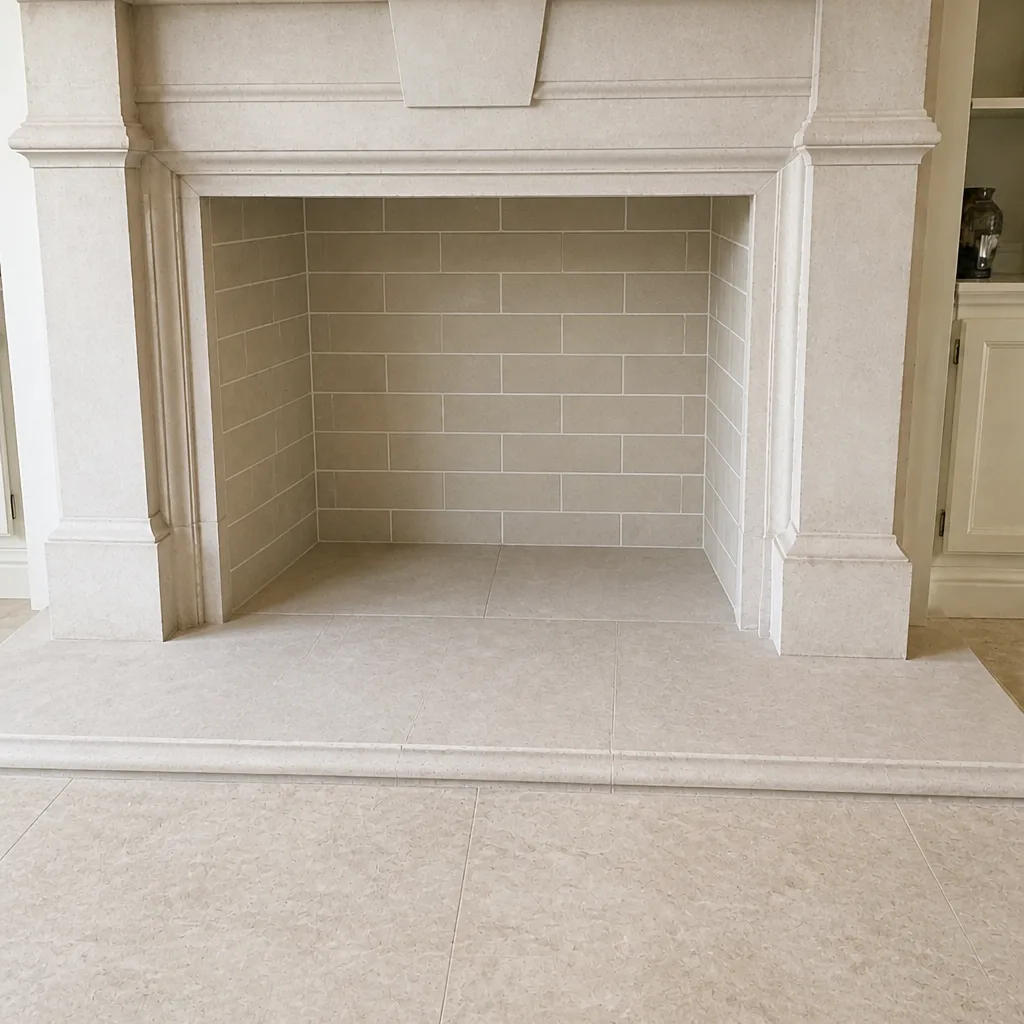
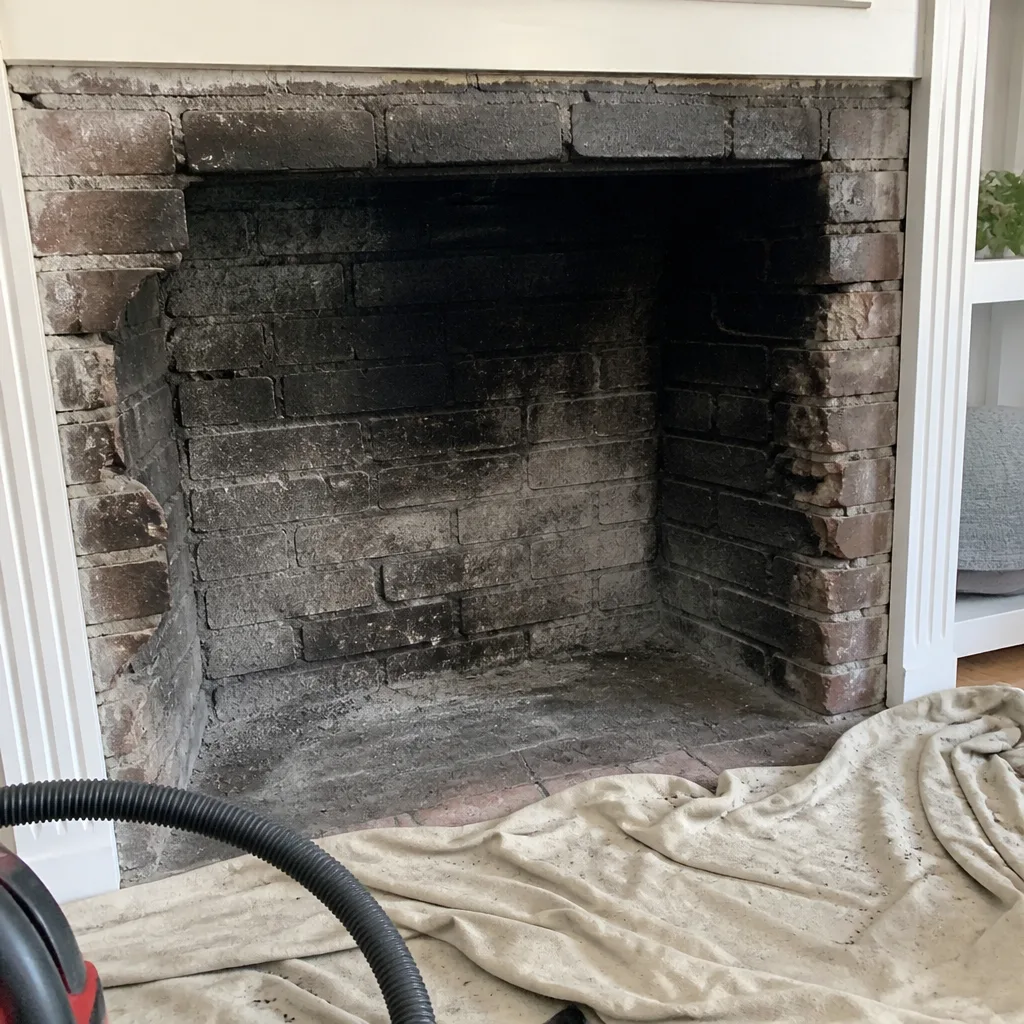
See the difference
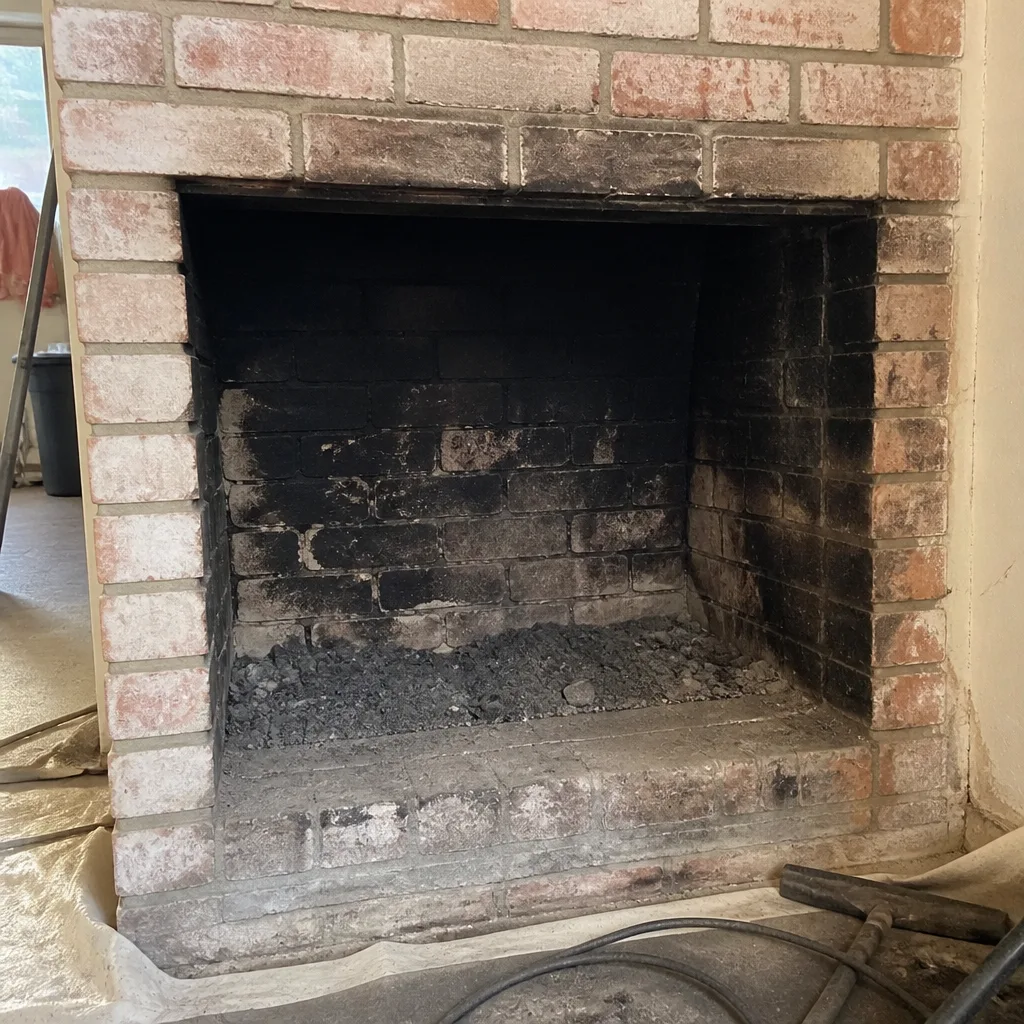 Before
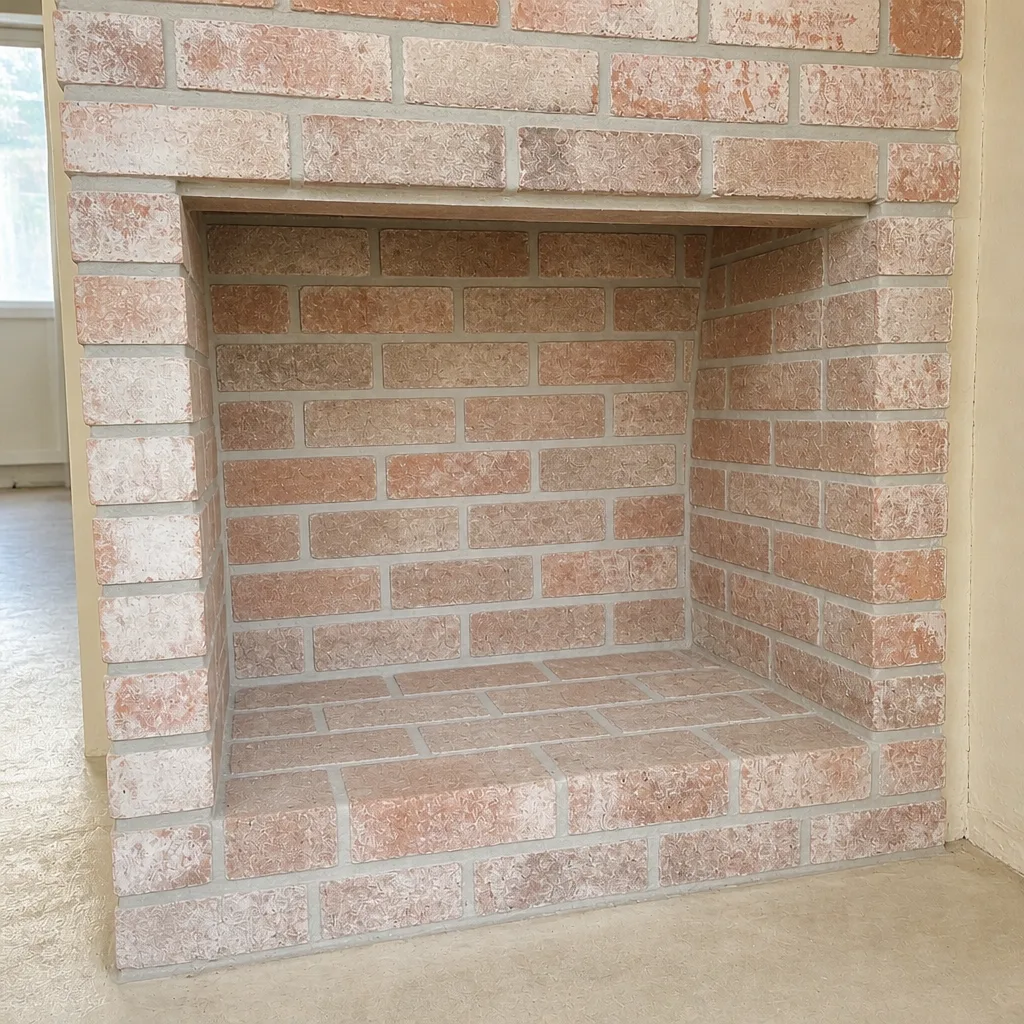 After
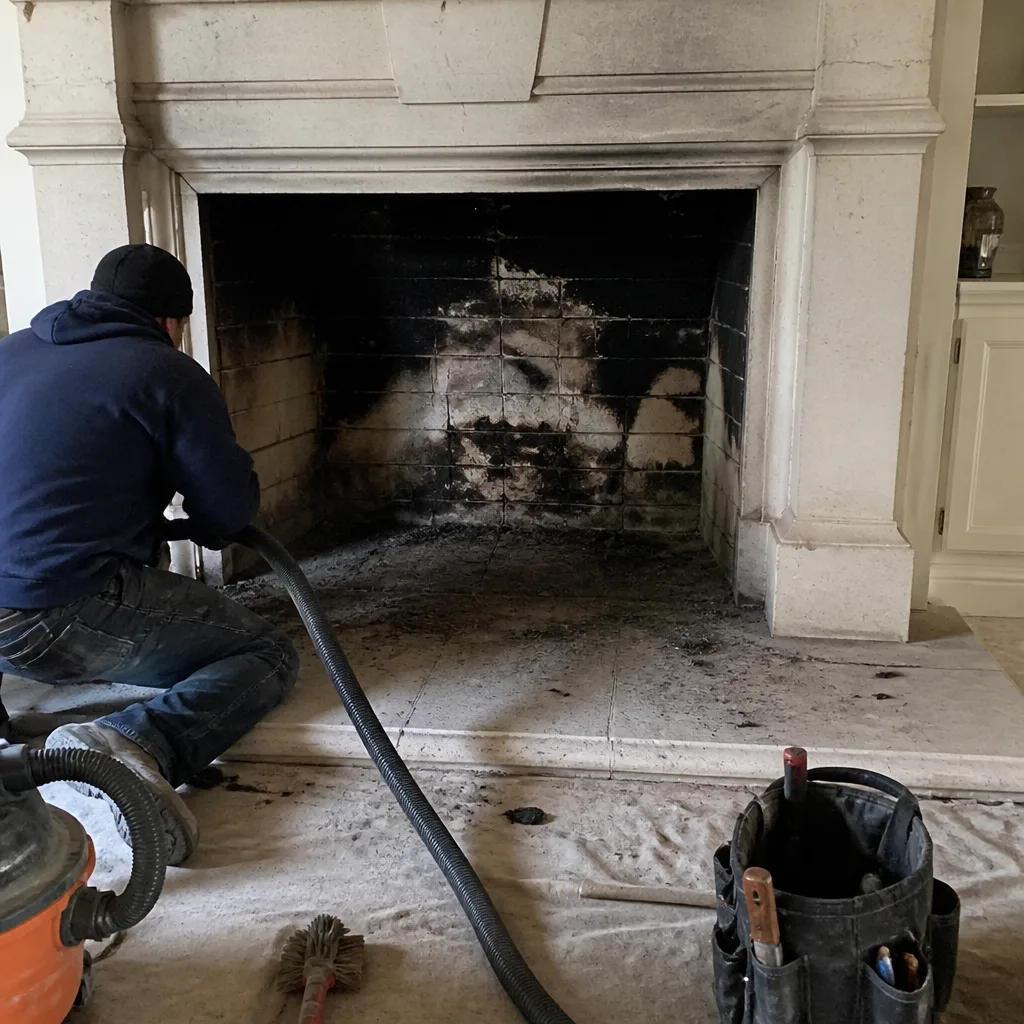 Before
 After
 Before
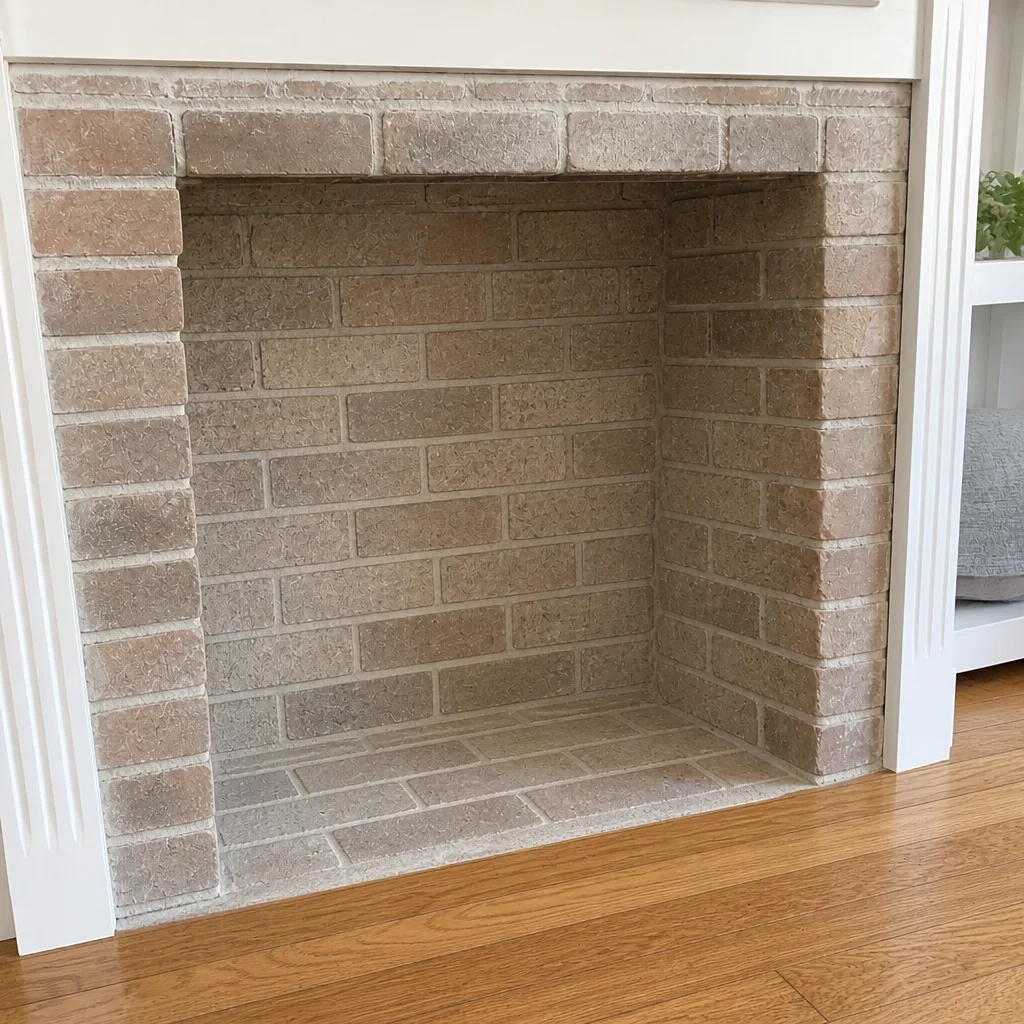 After
When to Call a Professional
Call a professional when the chimney has visible cracks in the crown, when flashing around the chimney is pulling away from the roof, when you’re seeing water stains on the ceiling near the chimney, or when the fireplace smells smoky on days it hasn’t been used. You should also call when it’s been longer than a normal maintenance rhythm since the last sweep; some residents in Costa Mesa who use their fireplace regularly schedule a clean annually, and a fireplace used often benefits from a more frequent look. Any flue liner damage is a stop-and-call situation because a cracked liner is a fire and carbon monoxide risk, not a chore.
If a general contractor offers to sweep or repair a chimney as part of another job, don’t accept. Chimney work calls for chimney specialists, and the materials question is the fastest way to tell the two apart. Costa Mesa Chimney Sweep Co offers free estimates in Costa Mesa; call (855) 550-7756. The full system is covered, from fireplace repair up to the cap and crown.
Frequently Asked Questions
A Costa Mesa chimney company should use professional-grade, chimney-specific brands such as HeatShield for liner restoration, DuraFlex for flexible liners, Copperfield for caps and crowns, and Gelco for sealing and repair applications. These are installer-only products engineered for the temperatures and moisture levels a chimney actually experiences. A company that names its brands and matches them to the job is showing you its standard; one that can’t is guessing. Call (855) 550-7756 for a free estimate and ask us to name the products before work begins.
Yes, and the gap is mostly chemistry rather than marketing. Professional-grade chimney products are formulated with elasticity and vapor control designed for masonry that expands and contracts, and for the moisture that runs through a chimney through wet winters. Retail sealers are often more rigid and less UV-stable, and they can crack or peel years sooner in real conditions. In our experience, the first sign a retail product was used is usually a crack within a few seasons, not a decade.
It can be, when the existing liner still has structural integrity and the right conditions exist. The HeatShield system applies a repair material to the inside of the flue to restore a smooth, code-compliant surface without demolishing the existing liner. It’s a specialized tier of repair that generalist crews rarely carry. Whether it’s the right option for your chimney depends on the camera inspection first. Nothing is recommended without that evidence.
A professional-grade elastomeric chimney crown coating, such as Copperfield’s crown products. The crown is the single leading cause of chimney water damage, and the elastomeric formula flexes with the masonry and lets vapor escape. A standard masonry sealer isn’t the right product for a crown, even though it’s often used. A proper crown job includes assessing the crown, cleaning and prepping the surface, and applying the coating to the manufacturer’s spec so the warranty holds.
Yes. Flashing leaks are among the most common chimney problems we see, and Costa Mesa’s wet winters make the sealant work harder than a drier climate would. A professional-grade polyurethane flashing sealant handles that stress far better than a generic silicone. If you see stained drywall or a musty smell near the chimney after rain, that’s the flashing telling you it needs attention. Call (855) 550-7756 for an inspection and a free estimate.
Installer-only brands control quality by controlling who applies them. The manufacturer’s training, technical support, and warranty depend on the product being installed to spec by someone who has been through their process. A homeowner can’t buy those products directly, and that’s by design. The point for you is to hire a specialist who has access to them and to ask which brands will be used on your job.
The Bottom Line
Which chimney cleaning brand you choose matters more than most homeowners expect, and it matters most when a repair is on the table. The brand a contractor uses is a proxy for the standard they hold. Professional-grade materials from suppliers like HeatShield, DuraFlex, Copperfield, and Gelco outperform retail substitutes by measurable margins in elasticity, vapor control, and UV durability. In Costa Mesa, the wet winters and dry summers at the top of the chimney amplify those differences into years of service life, not seasons. The questions are simple: ask which brands, ask why, ask for the warranty, and put the answer in writing. That single habit protects more chimney repairs than any coupon can, and the right Costa Mesa company is one that answers easily because the brands are already part of how they work.
Call (855) 550-7756. We answer 24/7. Fast dispatch from 7am to 7pm, Sunday through Friday. Estimates are free, the diagnosis comes first, and the written estimate sets the price.
Written by the team at Costa Mesa Chimney Sweep Co.