
Last updated November 25, 2026
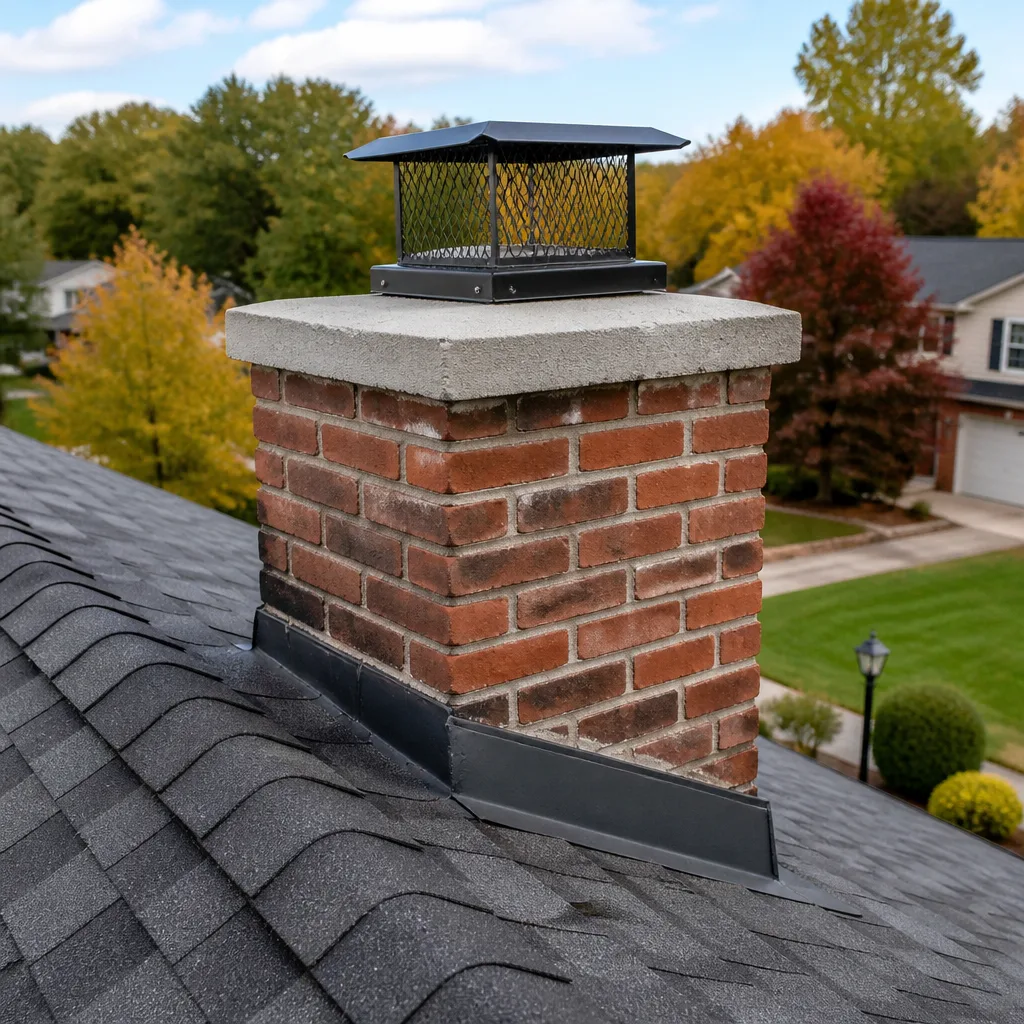 Sweep & inspection
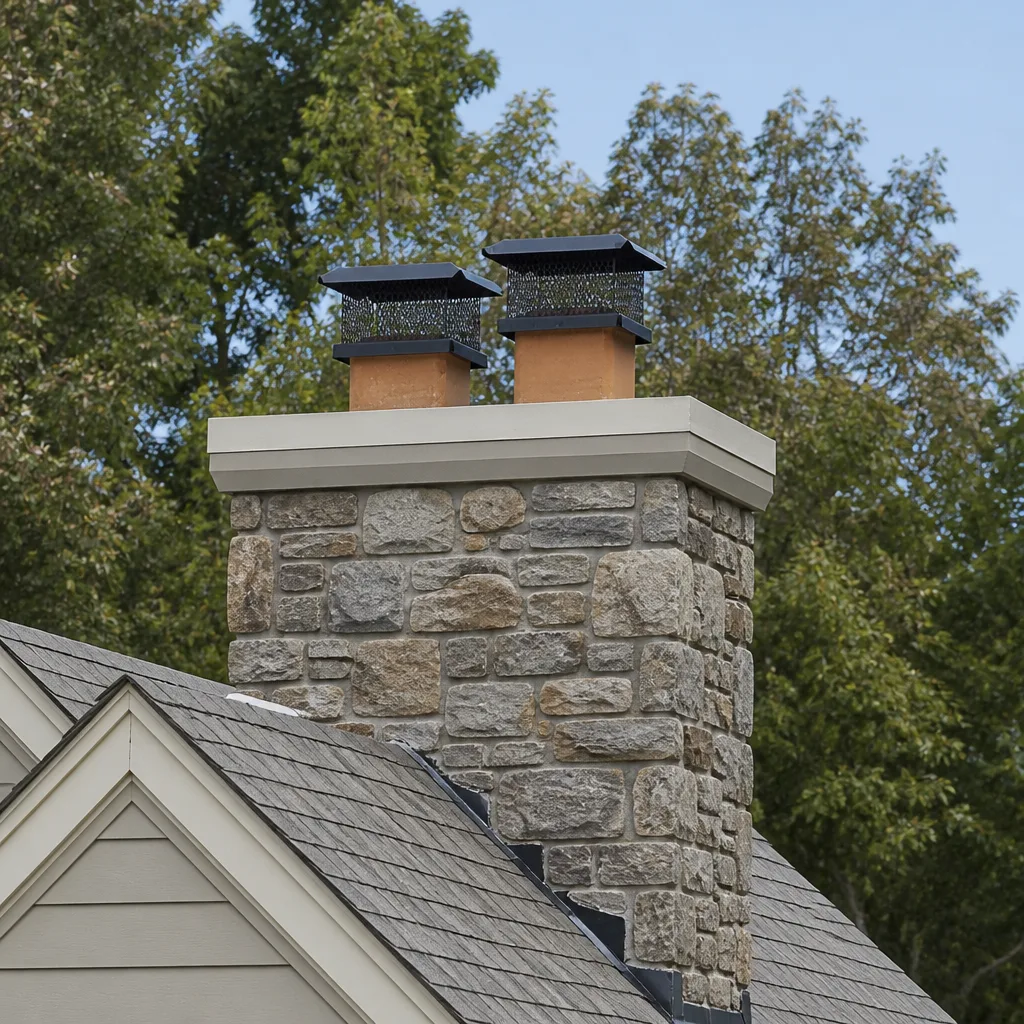 Caps & crowns
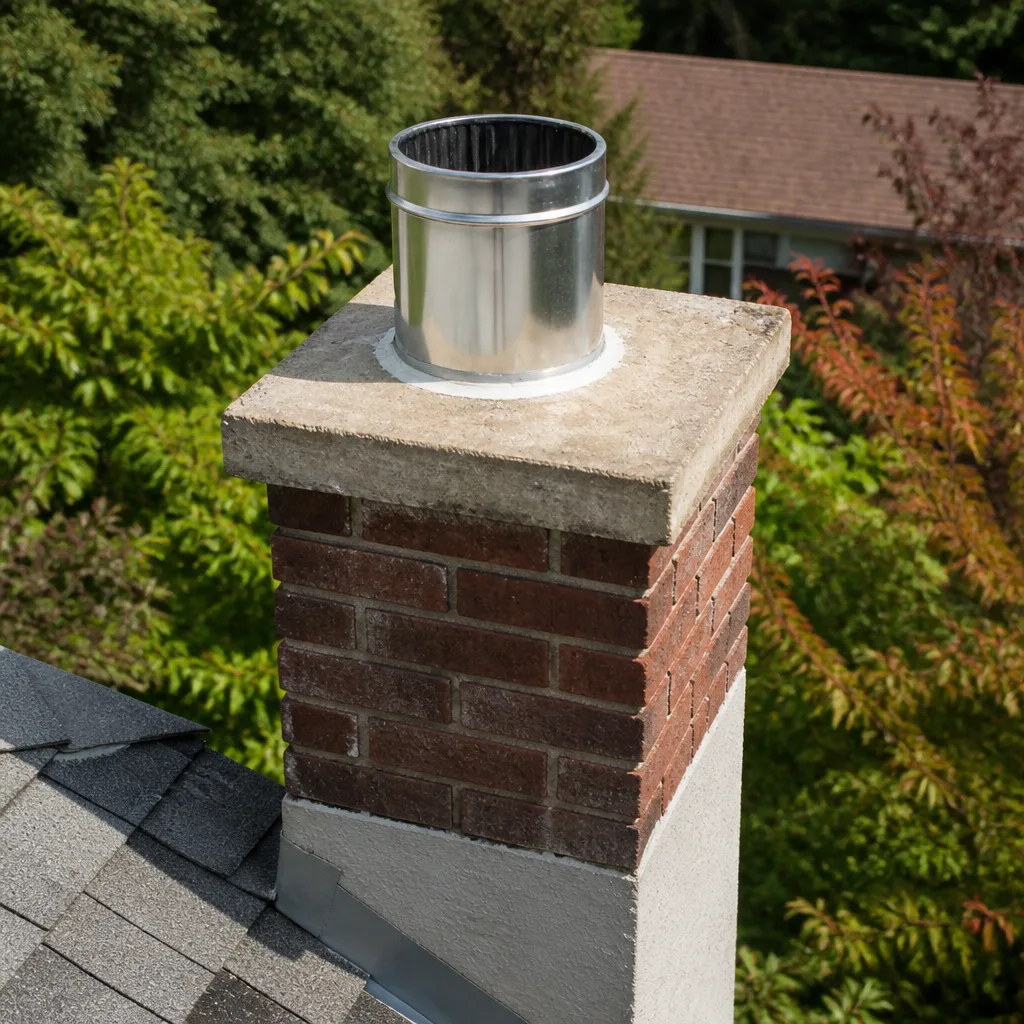 Flue relining
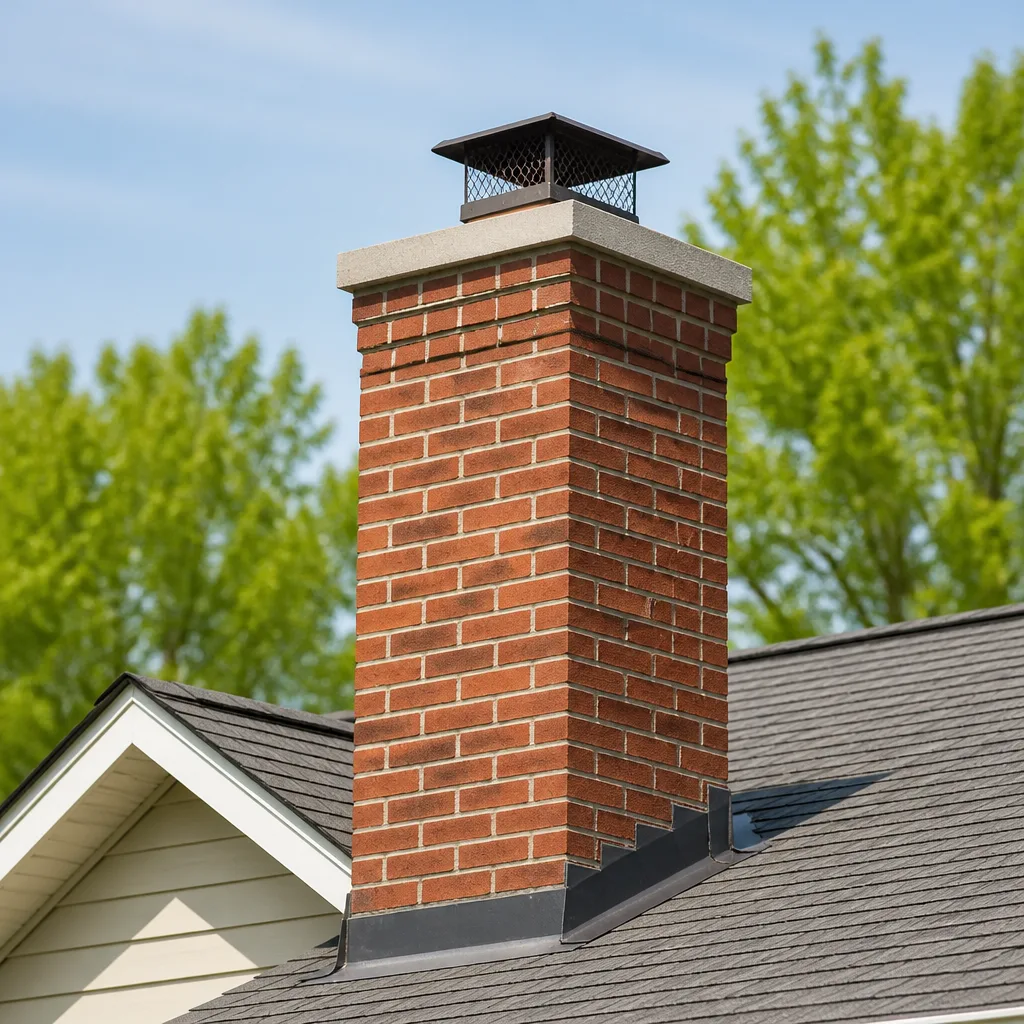 Masonry repair
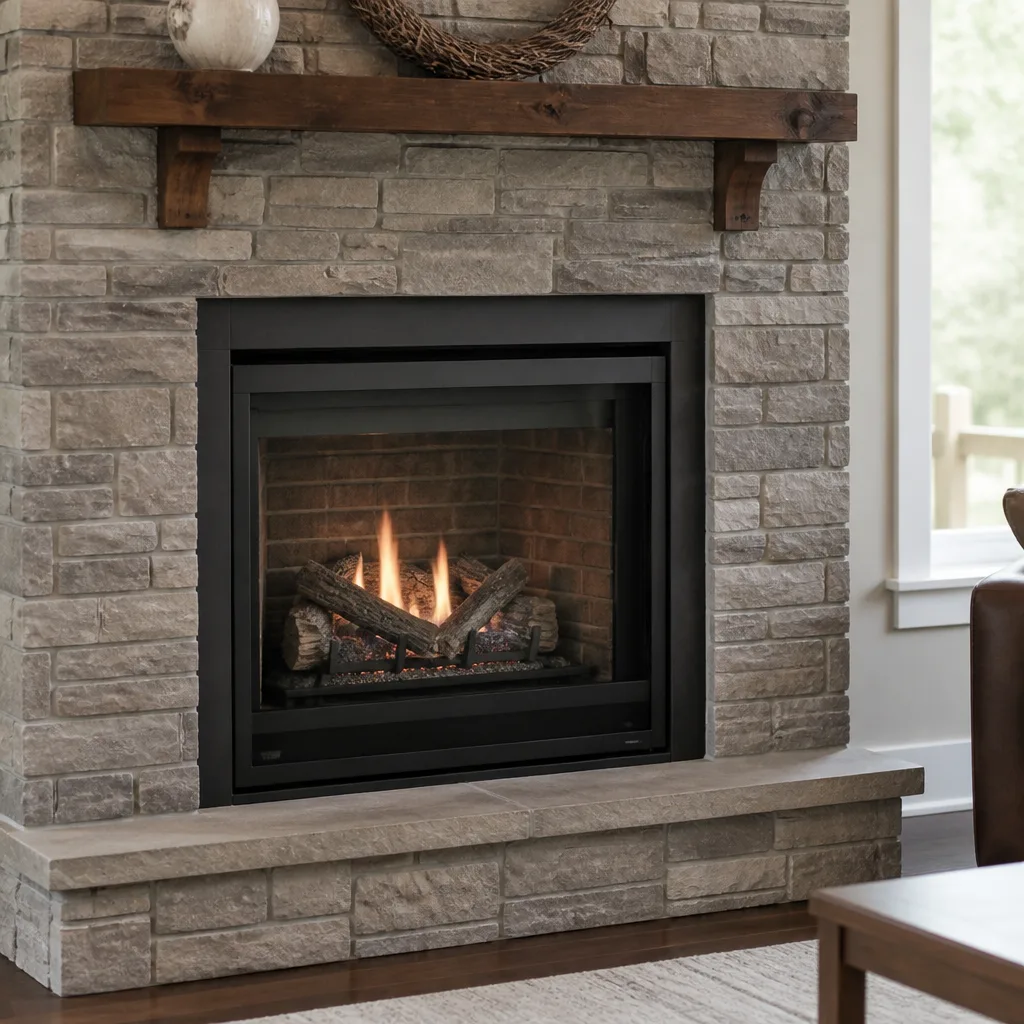 Gas fireplace service
Level 1 sweep and inspection to the NFPA 211 annual standard - flue, crown, cap, and flashing checked and photographed
Chimney sweep logs do not sweep chimneys. They loosen some creosote - which then falls where a brush and vacuum still have to collect it.
Chimney Sweep Maintenance Checklist for Costa Mesa Homeowners
A cracked flue tile with no soot on it will never show up on a visual-only walkaround, and it’s exactly the kind of defect that lets carbon monoxide slip into a living space. Most chimney checklists you’ll find online are written for a generic house in a generic climate and hand you a list of chores without explaining why each one matters. This one is different. It’s built around the chimney setups, fuel types, and burn habits we actually see in Costa Mesa homes, with clear pass/fail criteria for every item so you know what’s normal, what can wait, and what means stop using the fireplace today. We’ll walk through wood-burning, gas-log, and prefab systems, the exterior parts that matter most here, and the interior clues you can safely check yourself.
Quick Answer
A chimney maintenance checklist for Costa Mesa homeowners should cover four tracks: a visual inspection of the firebox and flue, a check of exterior components like the cap and crown, a draft and odor test you can do safely yourself, and a burn-hour log that tells you when to book a sweep. Wood-burning fireplaces in heavy use typically need sweeping once a year; gas-log and prefab systems still need an annual inspection even though they produce far less creosote. Anything involving cracked flue tiles, loose mortar, or a strong gas smell is a stop-use item that calls for a professional.
Styles & brands we work with
- Sweep & inspection
- Caps & crowns
- Flue relining
- Masonry repair
- Gas fireplace service
Table of Contents
- Why Costa Mesa Fireplaces Need Three Different Checklists
- The Wood-Burning Fireplace Checklist
- The Gas-Log and Gas Fireplace Checklist
- The Prefabricated Fireplace Checklist
- Exterior Chimney Items to Check
- Interior Clues You Can Safely Read Yourself
- How Often to Schedule a Sweep Based on Burn Hours
- Stop-Use Red Flags vs. Schedule-Soon Items
Why Costa Mesa Fireplaces Need Three Different Checklists
A chimney is not one system. It’s the firebox, the damper, the smoke chamber, the flue, the crown, the cap, and the flashing, and each part fails in its own way. A masonry fireplace in an older Costa Mesa home behaves nothing like a prefabricated unit in a newer build, and neither one behaves like a gas-log insert. Treating them all with the same “sweep once a year” rule is how small problems grow into expensive ones.
Masonry fireplaces, common in Costa Mesa’s mid-century neighborhoods, are built brick by brick with a clay tile liner. They hold heat well and tolerate real wood fires, but the mortar joints between flue tiles are the weak link. When those joints crack, gases can escape into the wall cavity rather than up the chimney.
Prefabricated fireplaces, found in a lot of the tract homes built through the 1970s and 1980s, use a metal firebox and a chimney with a specific listed clearance to combustibles. You can’t just swap parts or change fuel type in a prefab the way you might with masonry. The manufacturer’s rating is the rule.
Gas-log sets are the third track. They burn clean, produce almost no creosote, and often get ignored because “there’s nothing to sweep.” But gas units have their own failure points: the burner, the pilot, the thermocouple, and the venting.
That’s why a maintenance checklist has to start with knowing which system you have. If you’re not sure, a professional inspection settles it. We diagnose before we quote, and that starts with identifying the system correctly. Our technicians have up to 10 years of experience across all three types. You can also read more about our Costa Mesa Chimney Sweep Co approach to full-system inspection if you want the bigger picture before you start checking items off.
The Wood-Burning Fireplace Checklist
Wood-burning fireplaces produce creosote, the tar-like residue that builds up on flue walls and is the single most common fuel for a chimney fire. The checklist below is what you can do from the hearth, safely, before you ever pick up the phone. It’s ordered from the things you check most often to the ones that only matter once a season.
- Look at the firebox walls. Pass: intact brick or refractory panels with no cracks. Fail: any crack wide enough to catch a fingernail, or a piece that has come loose. Cracks in the firebox let heat reach the structure behind it.
- Open and close the damper. Pass: it moves freely and seals when closed. Fail: it sticks, won’t fully open, or won’t close. A damper that won’t open all the way cuts draft and pushes smoke into the room.
- Shine a light up the flue. Pass: you can see at least a few feet of clean flue with visible tile joints. Fail: heavy black buildup, a visible crack across a tile, or a flue that looks “blocked” by soot. You can’t reach the top of the flue from here, which is why an annual camera inspection still matters.
- Check the smoke shelf and chamber. Pass: no debris, no bird nests, no crumbling mortar. Fail: anything nesting, or mortar that crumbles when touched.
- Confirm the cap is on and intact. Pass: a cap with a screen over the top, no rust-through. Fail: a missing cap, a screen with holes, or a cap that has come loose.
- Note the ash level. Pass: an inch or two of ash on the firebox floor, which actually helps fires burn. Fail: ash piled high enough to touch the grate or spill toward the hearth.
- Look at the hearth and firebox floor for cracks. Pass: solid surface. Fail: a crack that reaches the subfloor or any bright line of heat staining.
If every item passes, you’re in good shape to keep burning until your next scheduled sweep. If more than one fails, that’s when it’s worth booking a professional chimney sweep to get a full look from the roof down.
The Gas-Log and Gas Fireplace Checklist
Gas-log sets and gas fireplaces don’t build creosote the way wood does, but they have their own list of things that go wrong, and a gas smell is never something to “check later.” The checklist here is about noticing change rather than doing repairs, since gas work belongs in trained hands.
- Smell test. When you light the fireplace, you should smell nothing. A faint “new burn” smell the first time you light it each season is normal. A sulfur or rotten-egg smell at any point means shut the gas off and call a professional. Do not try to relight it.
- Flame color. A healthy gas log flame is blue at the base with orange and yellow tips. A flame that is mostly yellow, tall, and lazy, or that lifts off the burner, points to a venting or gas-air mixture problem worth inspecting.
- Burner and log condition. The logs should be intact and sitting in their original positions. A cracked or crumbling log can let flames reach places they shouldn’t. Never rearrange gas logs or add real wood to a gas fireplace.
- Pilot and ignition. The pilot should light reliably and stay lit. If it takes several tries or goes out on its own, the thermocouple or thermopile may be worn, which is a repair, not a cleaning issue.
- Vent condition. Every gas appliance needs proper venting. A blocked or disconnected vent is a carbon monoxide risk. If you don’t know when your vent was last inspected, that’s your sign to schedule one.
- Soot on the logs or firebox glass. A little is normal. A lot, or soot creeping onto the wall above the firebox, means the burn isn’t clean and should be checked.
Gas fireplaces are quietly one of the higher-stakes systems in a home because the danger is invisible. Fabricated logs and burners from brands like Olympia Chimney or Famco are engineered to specific specs, and a mismatched or worn-out part is worth diagnosing properly. We work with these brands and know the difference between a part that’s simply dirty and one that needs replacing.
The Prefabricated Fireplace Checklist
Prefabricated fireplaces, the metal fireboxes often called “zero-clearance” units, come with a manufacturer’s rating that tells you exactly what you can and can’t do with them. Most of what a homeowner can check comes down to keeping that rating intact. Here’s what to look at:
- Find the rating plate. It’s usually a metal tag somewhere on the unit or inside the firebox door. It lists the clearance to combustibles and the type of venting required. If the plate is missing, the unit’s safe limits are unknown until an inspection.
- Check the firebox for cracks or gaps. The metal firebox and its refractory panels should be intact. A rusted-through spot or a gap is a fail.
- Look at the glass doors and gaskets. Doors should close snugly. A failed door gasket lets the fire run out of control and can overheat the unit.
- Confirm you’re using approved fuel only. Most prefab units are rated for natural wood or specific gas log sets, not both, and never for treated or scrap lumber. Burning outside the rating voids the unit’s certification.
- Inspect the venting at the firebox connection. The connection point is where a lot of problems start. Any gap, corrosion, or loose joint is a fail.
- Check the exterior termination. The vent cap and spark arrestor at the top should be present and clear. A missing or clogged cap affects draft and safety on a prefab unit more than most homeowners realize.
Prefab problems are often not visible from the hearth alone. The venting runs behind walls, and the firebox panels can look fine while the liner has shifted. That’s the case for a camera inspection at least once a year rather than only when something goes wrong. We handle prefab and gas systems as part of our full chimney repair work, and we can tell you plainly whether your prefab unit is safe to keep using or due for parts.
Exterior Chimney Items to Check
The exterior of a chimney in Costa Mesa takes a different beating than it would in a colder part of the country. The weather here swings from warm dry summers to wet winters, and the repeated cycle of wetting and drying is what ages exterior masonry. You don’t need to climb a ladder to keep an eye on the top of your chimney, but you do need to know what to look for when someone is on the roof, or when you look up from the yard. Here are the exterior items that matter most:
- Cap condition. The cap on top of your chimney is doing two jobs: keeping rain out and keeping animals, leaves, and wind-blown debris out. Look for rust-through, loose fasteners, or a missing spark screen. A failing cap is one of the leading causes of chimney water damage, and it’s a repair a lot of sweep companies undervalue or skip. We install caps from brands like Copperfield for exactly this reason.
- Crown and mortar wash. The crown is the sloped concrete or mortar cap around the top of the chimney. It’s designed to shed water away from the chimney body. Cracks in the crown or an eroded mortar wash let water in every time it rains, and water is the real enemy of a chimney over the years. If the crown is cracking or the wash is missing in spots, that’s a repair worth scheduling.
- Mortar joints. Look for missing or crumbling mortar between the bricks. Small spots can be repointed. Larger areas of missing mortar, or bricks that have shifted, are a structural issue.
- Flashing sealant. Where the chimney meets the roof, there’s a metal flashing and a bead of sealant. The sealant cracks with age and exposure. If you can see it pulling away, that’s a straightforward repair before water gets behind it.
- Staining on the chimney body. White chalky stains on brick, or dark streaks running down the outside, both point to moisture. Chalky stains are efflorescence, salts left behind by water passing through the masonry. Dark streaks suggest water carrying soot or dirt.
- The masonry at the roofline. The joint between chimney and roof is where most exterior leaks start. Take a photo from the ground at an angle if you can, or ask for one during an inspection.
Costa Mesa’s older homes, especially around neighborhoods like Mesa Verde and the Eastside, tend to have chimneys that have seen decades of this wet-dry cycle. All of it gets checked as part of our cap and crown work, and it’s the part of a chimney we recommend homeowners check with a photo rather than a ladder.
Interior Clues You Can Safely Read Yourself
Before you ever call a sweep, there are clues inside your home that tell you a lot about your chimney’s health. Reading them takes no special tools and no climbing. The trick is knowing what each sign means.
- Smoke coming into the room when you light a fire. A small amount on a cold first light is normal, because a cold flue needs to warm up before it draws. Smoke that continues after 10 or 15 minutes of a good fire, or that comes in any time you open the damper, means the draft is being blocked. Possible causes: a blocked flue, a too-tight house without replacement air, or a chimney that’s too short for the firebox.
- Odor type. Different smells mean different things. A creosote smell (think tar or burnt wood, strongest on humid days) means buildup that needs sweeping. A campfire smell when the fireplace hasn’t been used in months points to a blocked or failing flue and possibly animal nesting. A gas smell is a stop-use item, full stop.
- Draft behavior. Hold a tissue near the open damper before lighting a fire. It should pull gently toward the firebox. If it hangs still or is pushed away, there’s a draft problem. If you have a kitchen or bath exhaust fan running, turn it off and retest. Exhaust fans can fight a chimney for air.
- Staining on the firebox or the wall above it. Soot streaking above the firebox is normal at the edges. Staining on the wall above the fireplace surround, or dark streaking at the ceiling, is a sign of a leak into the wall cavity and worth a professional look.
- Soot or debris falling into the firebox. Small amounts are normal, especially after a hot fire. Continual lumps of soot or pieces of tile mean the flue is failing and needs to be seen.
- Drafts in other rooms when the fire is going. If a lit fireplace pulls a cold draft through the house or makes a nearby room smell smoky, that’s a pressure problem worth diagnosing.
These are the signs a trained eye would ask you about anyway. Paying attention to them yourself means you come into an appointment with us already knowing what the problem feels like, which saves time and often money.
How Often to Schedule a Sweep Based on Burn Hours
The old blanket advice is “get your chimney swept once a year.” That’s not wrong, but it’s not precise either. The better measure is burn hours and how much wood you’re actually burning. Here’s how we calibrate frequency by real usage, plus a pass/fail test you can do yourself:
- The DIY soot test. Before each season, reach a flashlight and a mirror into the flue from the firebox and look at the top of the smoke chamber and the upper flue. If you can see the tile surface through the soot, you’re under a quarter-inch of buildup, generally within sweeping tolerance. If the soot has the consistency of coffee grounds and you can write your name in it, or if it’s a hard, shiny, tar-like coating, the flue needs sweeping before another fire.
- Light use. A few fires a month during the cool months, mostly on weekends, with dry wood. Sweep every 12 months. That’s the check-up interval most homes in Costa Mesa will land on.
- Moderate use. Fires most days through the cool months. Sweep or inspect every 6 to 8 months. Creosote builds faster than most homeowners expect when the fire is burning regularly.
- Heavy use. Daily fires through the cool months, or a wood stove supplementing heat. Sweep every 3 to 4 months. It’s worth keeping a written log of when you last burned.
- Gas and prefab. Even without creosote, inspect every 12 months. The whole fireplace isn’t creosote, it’s combustion and venting, and those change silently.
One Costa Mesa detail worth adding: an occasional home uses the fireplace year-round, especially on the cooler inland evenings toward the canyon. If that’s you, count those fires in your burn-hour total rather than resetting the clock in October. For a fuller view of what’s standard here, our fireplace repair team is often the one to answer the “is this normal?” question once you’ve decided to call.
Stop-Use Red Flags vs. Schedule-Soon Items
Not every chimney problem is an emergency, and not every one can wait. Sorting problems into “stop using the fireplace today” and “schedule a repair soon” is one of the most useful habits you can build. Here’s our split, based on what we’ve seen come back from inspections.
Stop using the fireplace today:
- You can smell gas anywhere near the fireplace or the gas line.
- A fire in the firebox has ever burned unevenly against one wall, indicating a structural breach.
- You can see a cracked or missing flue tile, a crumbling firebox, or visible soot on the outside of the chimney stack.
- Smoke enters the room and stays there, or a house member reports dizziness, headache, or nausea while the fireplace is lit. Those are carbon monoxide symptoms and deserve fresh air and a medical call.
- A chunk of chimney masonry, mortar, or firebox material lands in the firebox.
Schedule a repair soon:
- The cap is missing or damaged, or the crown is cracked, both of which are leading causes of water intrusion rather than a fire risk in the immediate term.
- The damper sticks or won’t fully seat.
- Minor creosote buildup that hasn’t reached the glazed stage.
- The flashing sealant at the roofline has pulled away.
- Your daily burn hours have crossed the frequency threshold and it’s simply time for a sweep.
The distinction matters because a homeowner who treats a missing cap like an emergency often skips the repair that will actually protect the chimney for the next decade. And a homeowner who treats a cracked flue tile like a maintenance chore misses the one failure that can cause real harm. If you’re not sure which column a symptom belongs in, don’t guess. The estimate is free, and we’d rather tell you “this can wait” than you burn out of caution and get a bad surprise.
Common Mistakes to Avoid
- Waiting for visible soot to schedule a sweep. A clean-looking firebox can hide a cracked flue tile, and a cracked flue tile is the exact defect that lets carbon monoxide into a living space. If your only test is “does it look dirty,” you’re missing the dangerous failure mode.
- Assuming a gas fireplace needs no maintenance because there’s no creosote. A lot of Costa Mesa gas-log sets never get opened up because the owner sees no soot. The burner ports clog, the thermocouple wears, and the venting can disconnect without a visible sign. An annual inspection is still the baseline.
- Putting a decorative screen on a gas fireplace and calling it safe. A decorative screen doesn’t replace a safety barrier. Only the manufacturer’s approved barrier belongs on a gas unit.
- Burning anything other than dry, natural wood in a wood fireplace. Treated lumber, scrap wood, wrapping paper, and cardboard all leave residues and burn hot enough to damage flue tiles. Keep it to hard, dry firewood.
- Treating a missing cap as a minor cosmetic detail. A cap is your line of defense against rain, birds, and leaves. Missing caps are one of the most common water-damage causes we see on chimney exteriors.
- Climbing onto the roof to “check” the chimney yourself. Roof work is genuinely dangerous, and most chimneys here are tall and steeply pitched. You can see almost everything from the ground with a camera on your phone.
- Skipping the camera inspection because the fireplace “works fine.” A fireplace that draws well and burns clean is not the same as a sound flue. Working fine and being sound aren’t the same thing, and only a camera inspection tells you which is true.
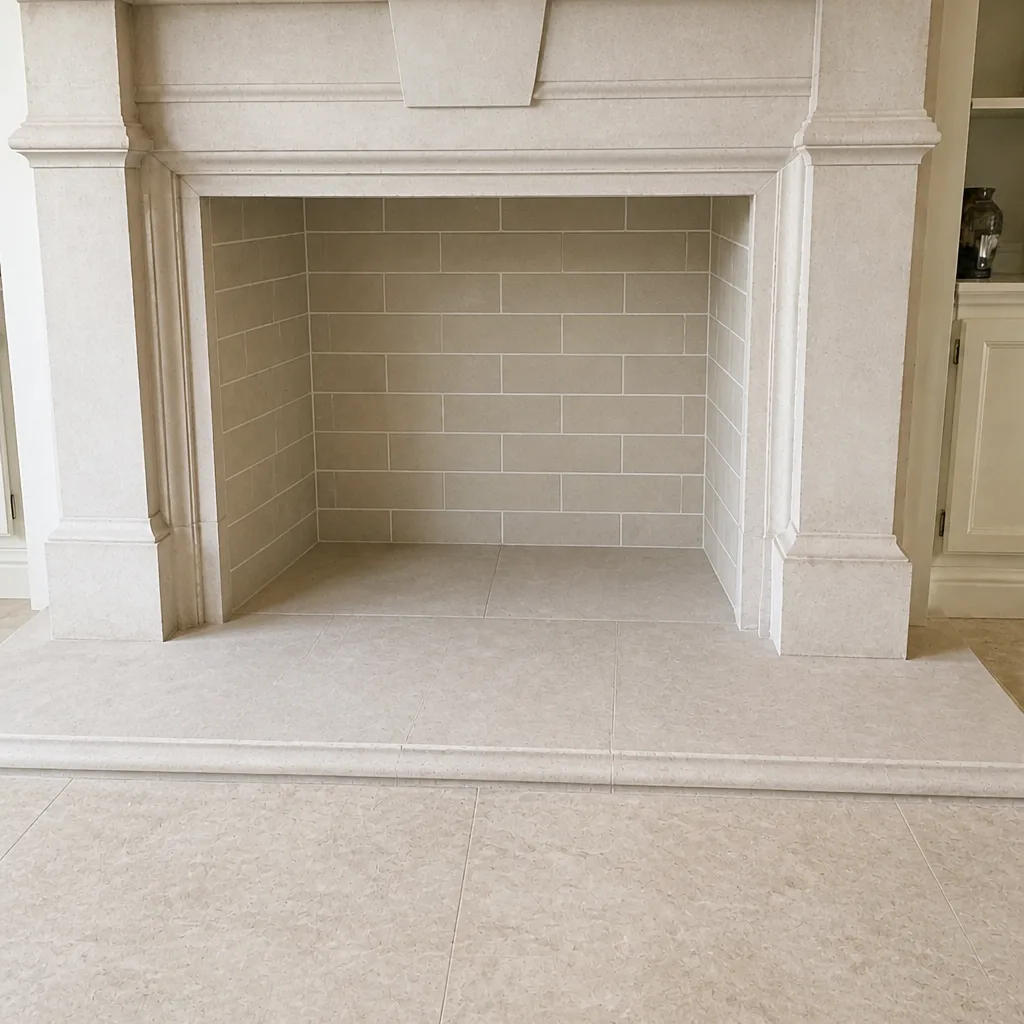
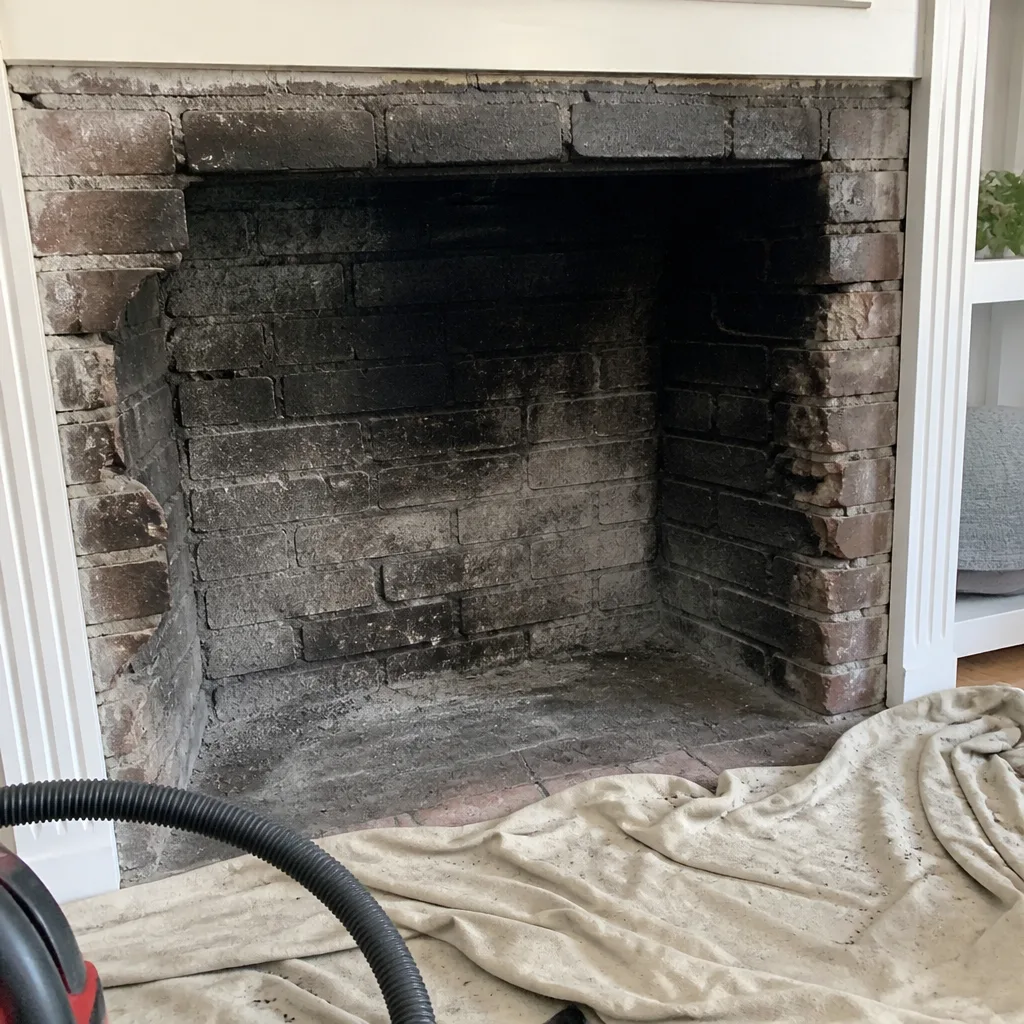
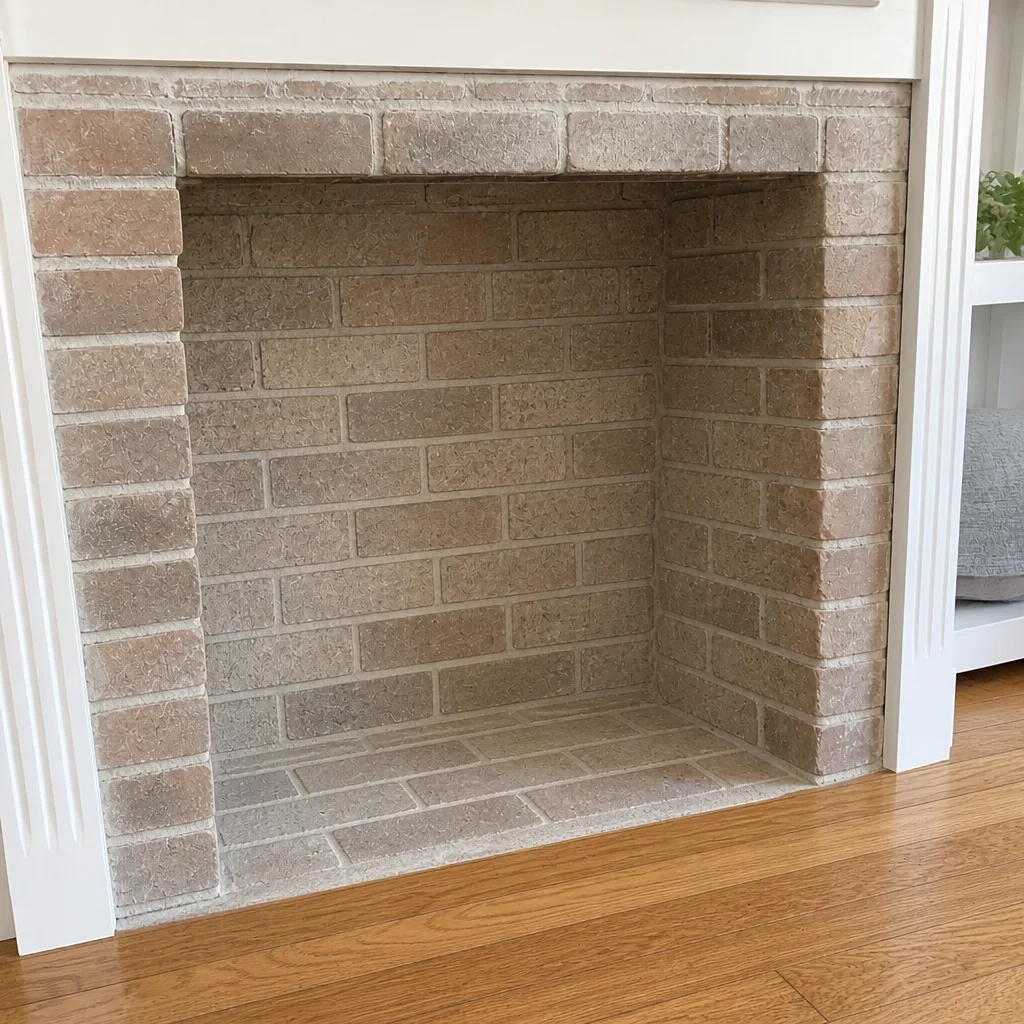
See the difference
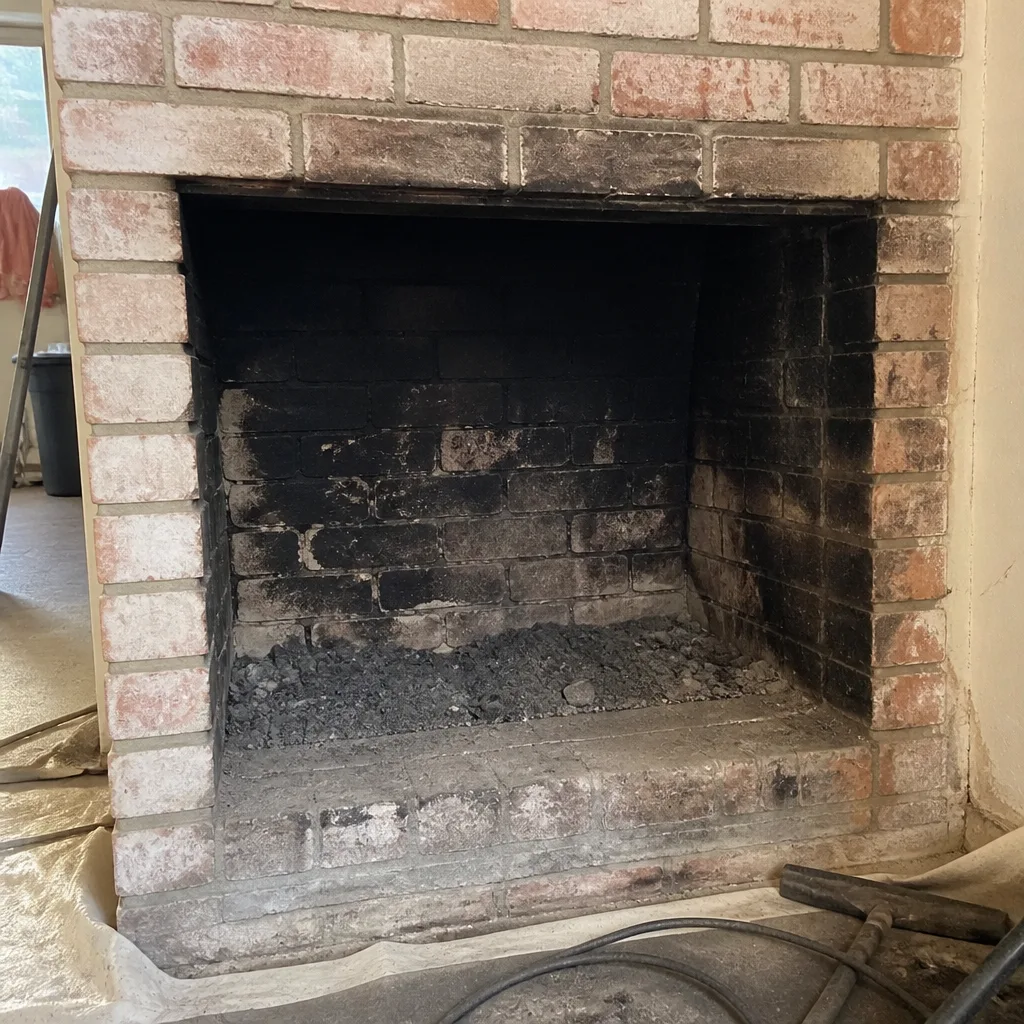 Before
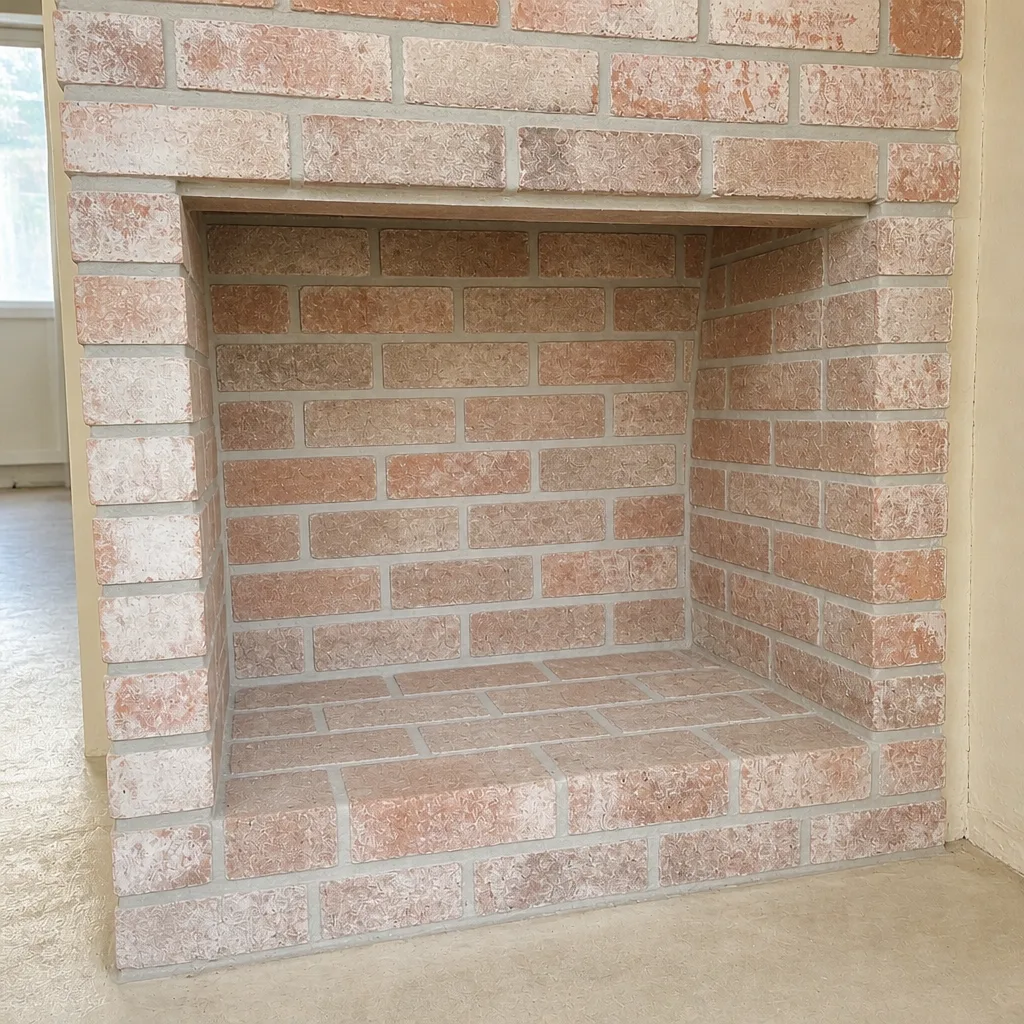 After
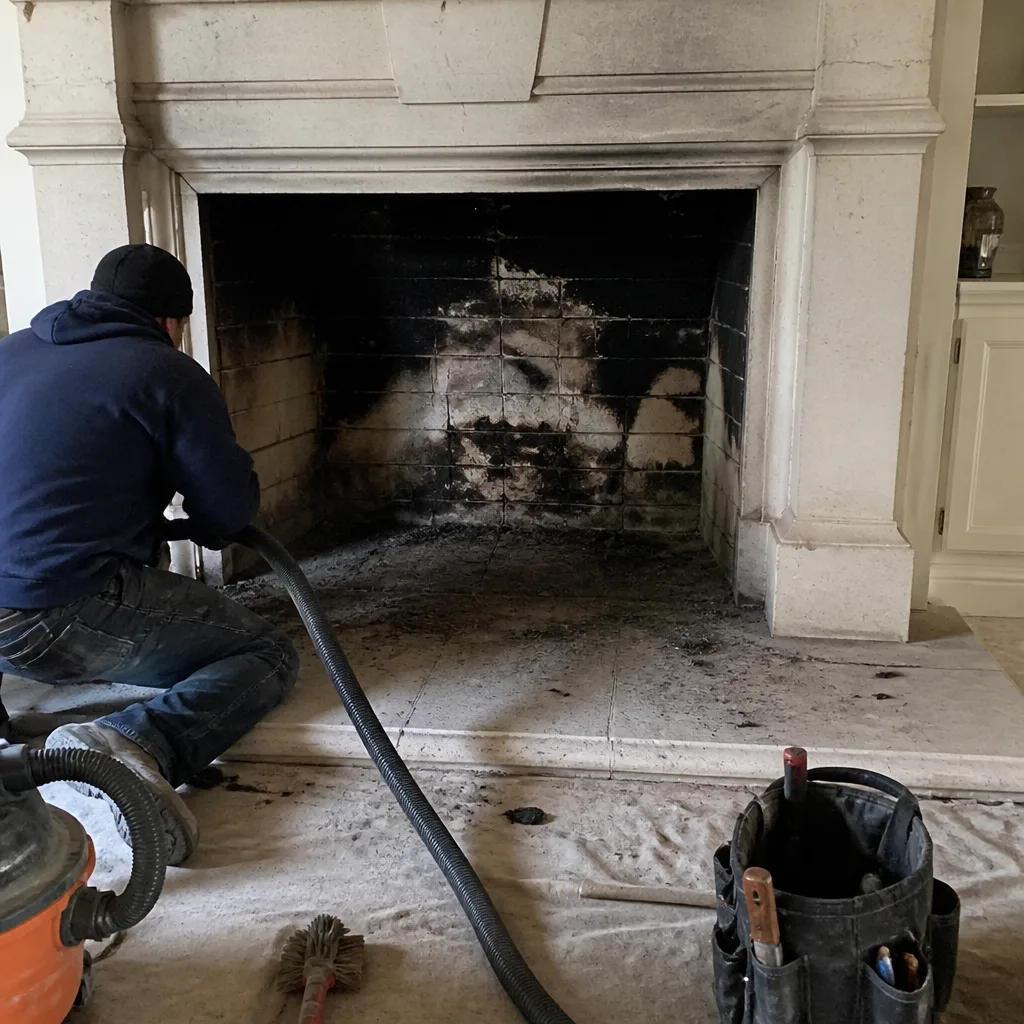 Before
 After
 Before
 After
When to Call a Professional
Some items on this checklist are meant to prompt a call, not a weekend project. Call us if you’ve seen a cracked flue tile, a crumbled firebox panel, or a chunk of masonry in the firebox. Call if the fire keeps sending smoke into the room after the flue has warmed, or if you notice any gas smell. Call if the cap is missing, the crown is cracked, or water staining has appeared on the outside of the chimney. And call if it’s been more than 12 months since the last inspection, even if nothing seems wrong, because the defects that matter most are the ones with no visible symptom. Costa Mesa Chimney Sweep Co offers free estimates in Costa Mesa, and you can call (855) 550-7756 to book an inspection or a sweep. We answer 24/7, and we dispatch technicians from 7am to 7pm, Sunday through Friday, closed Saturday.
Frequently Asked Questions
A standard chimney sweep in Costa Mesa typically runs a modest flat rate per flue, and the exact number is set by the written estimate before any work begins, not afterward. The estimate is free, and it covers the sweep, a camera inspection, and a photo report you can see for yourself. Call (855) 550-7756 for an exact quote.
Once a year is the baseline for a wood-burning fireplace, and you should tighten that to every 6 to 8 months for regular use and every 3 to 4 months for daily fires. The right interval depends on burn hours and soot thickness, not just the calendar. If you can write your name in the soot in the flue, it’s time.
Only if the existing liner has failed. A clay tile can crack or separate at the mortar joint, and a metal liner can corrode at the seams, and either one compromises venting. We never recommend a liner without camera evidence you can see for yourself, and we’ll tell you plainly when a repair can safely wait. Call (855) 550-7756 to schedule an inspection.
Creosote builds up on the flue walls, and enough of it can fuel a chimney fire in the flue. Smaller amounts cause draft problems and smoke that enters the house, and the buildup itself obscures the cracks in flue tiles that let carbon monoxide out into the living space. Skipping the sweep doesn’t fail gracefully. It fails quietly until something else goes wrong.
A faint smell the first time you light it each season is normal. A continuing sulfur or rotten-egg smell is not, and it means shutting off the gas and calling a professional rather than relighting. Don’t treat a gas smell as something to monitor. Call (855) 550-7756 to book a safety inspection.
Often we can, especially for cap and crown issues. A photo taken from the ground or from a nearby window is enough for us to spot obvious exterior problems like a missing cap or a cracked crown. Anything about the flue itself still requires a camera inspection from the firebox up.
The Bottom Line
The best chimney checklist is the one that matches your system. A wood-burning fireplace, a gas-log set, and a prefab unit each need their own pass/fail items, and each one fails in its own way. For Costa Mesa homeowners, that means checking the firebox and flue on wood systems, watching flame color and draft on gas systems, inspecting the cap, crown, and flashing on every chimney, and paying attention to the interior signs that something is changing. Burn hours should drive your sweep frequency, not the calendar alone. And the items that fall in the stop-use column, especially a cracked flue tile or a gas smell, are worth calling about today rather than next week. A chimney is a safety system. Treat it like one.
If you want a professional set of eyes on the whole system, from the firebox to the crown, Costa Mesa Chimney Sweep Co offers free estimates in Costa Mesa. We work with professional-grade brands including DuraFlex, Olympia Chimney, Famco, and Copperfield, and we handle everything from inspection and sweep to fireplace repair and cap and crown installation. Call (855) 550-7756. We answer 24/7. Fast dispatch from 7am to 7pm, Sunday through Friday.
Written by the team at Costa Mesa Chimney Sweep Co.