
Last updated November 25, 2026
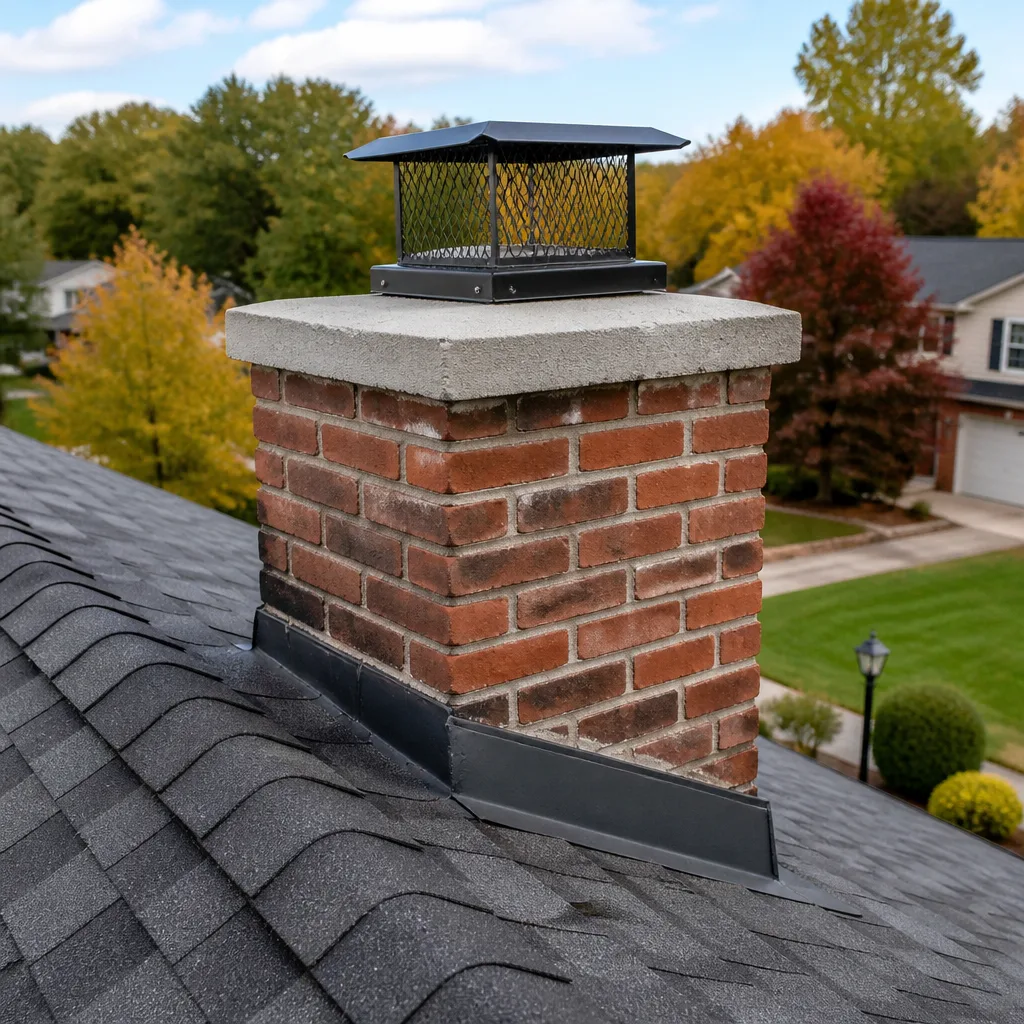 Sweep & inspection
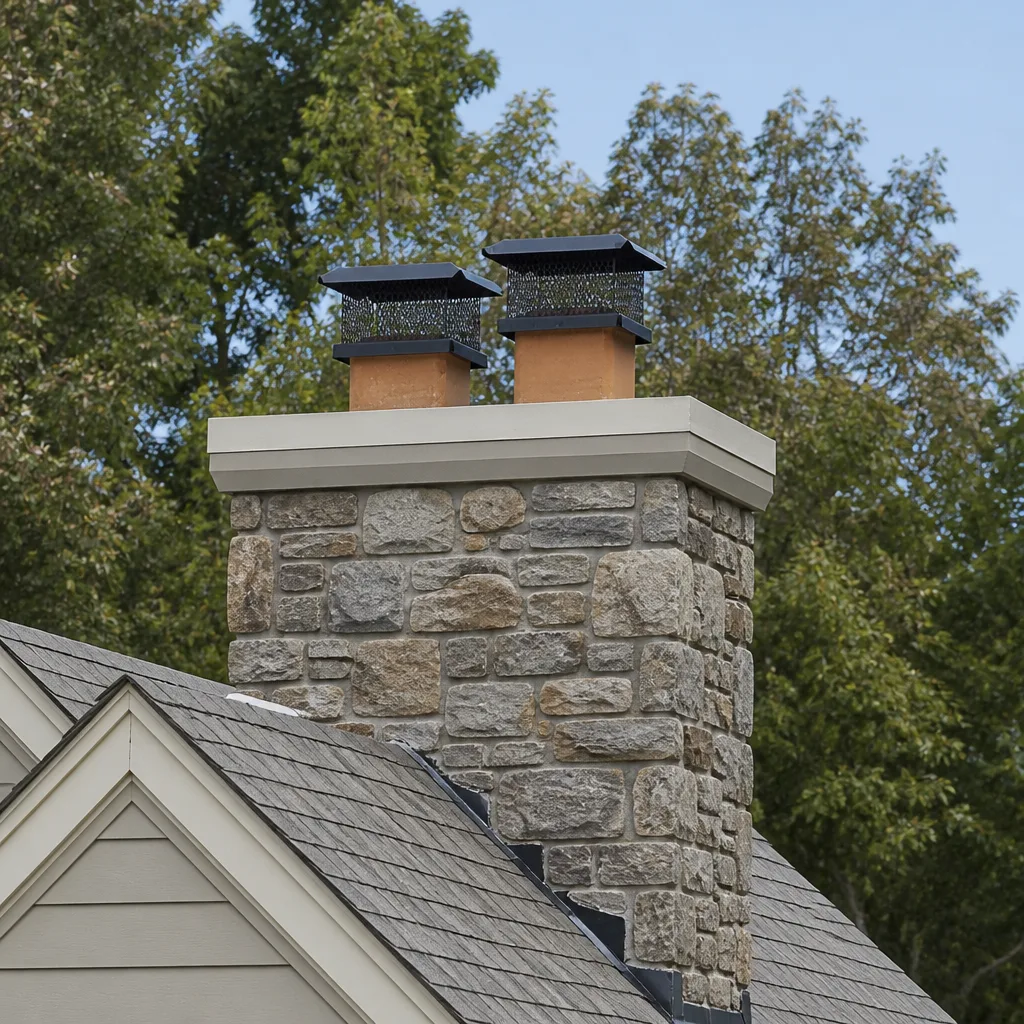 Caps & crowns
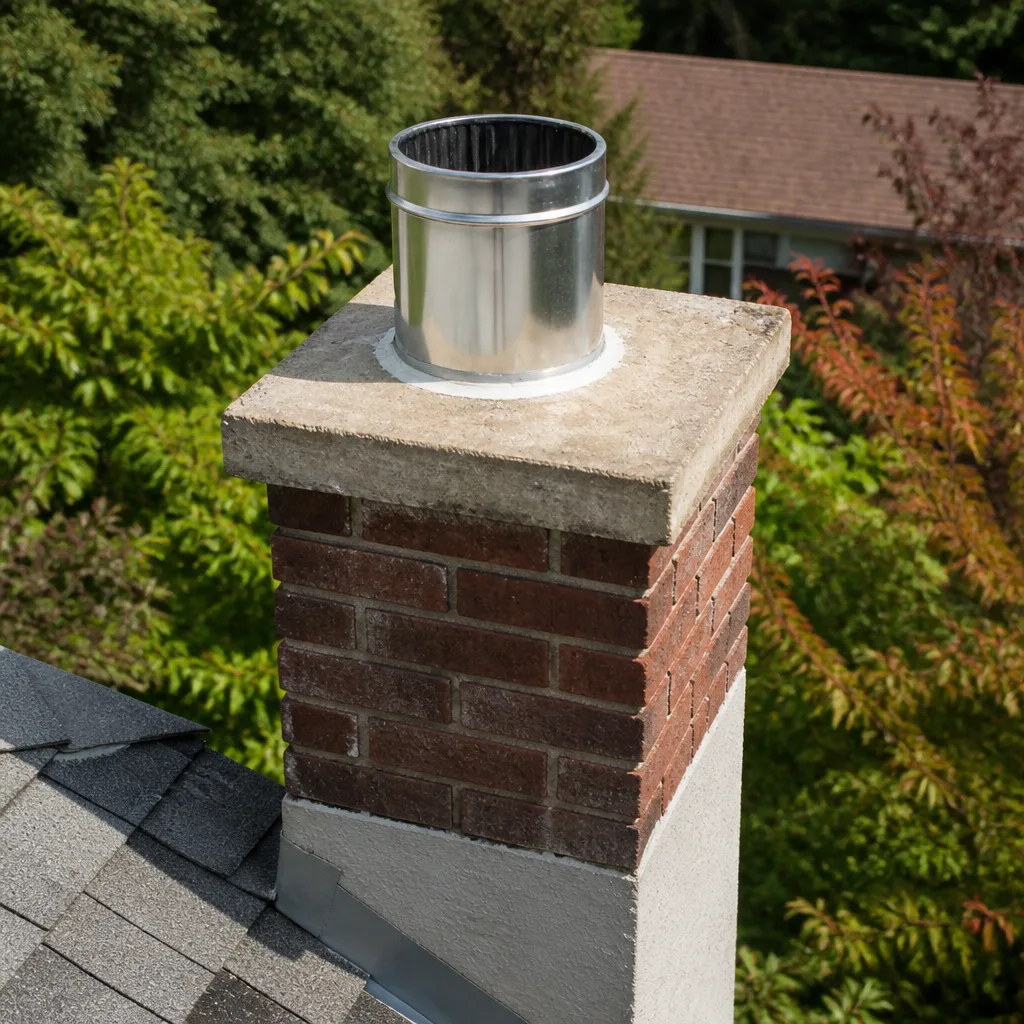 Flue relining
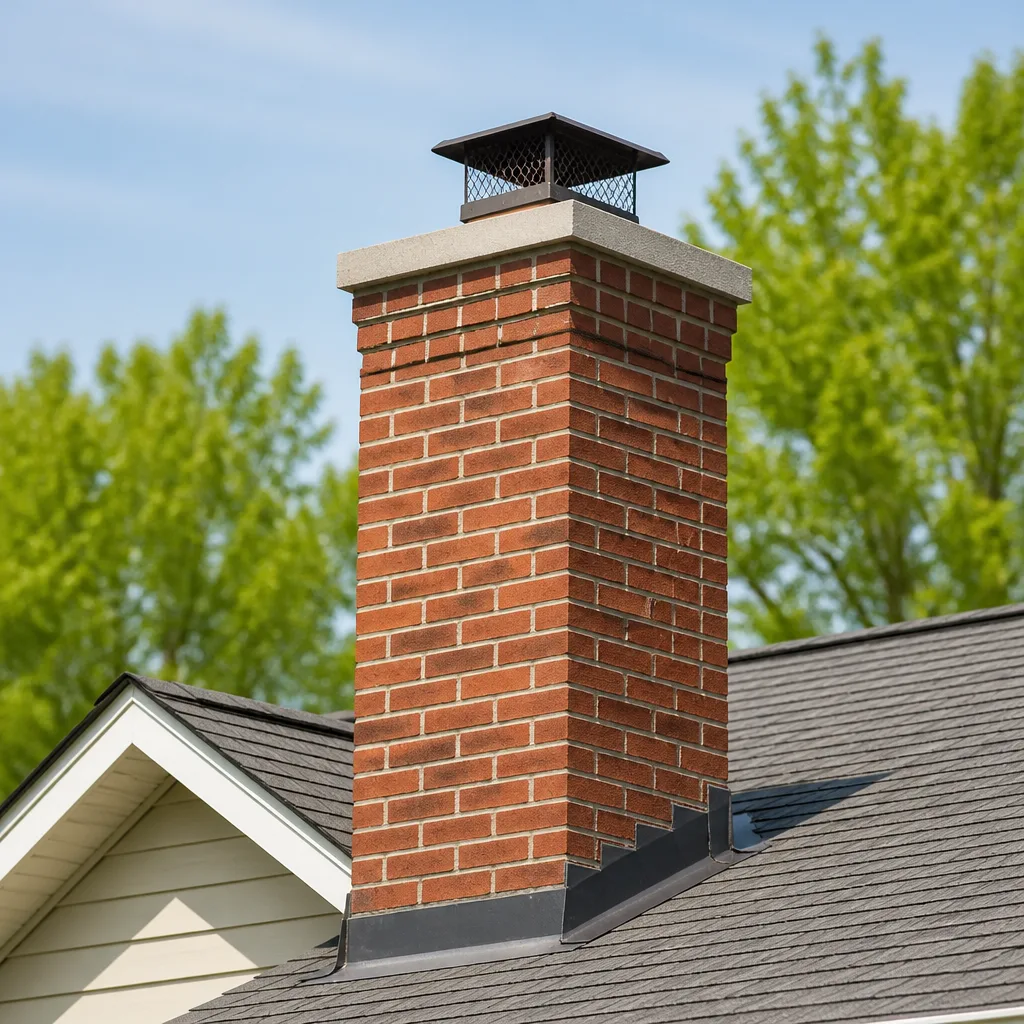 Masonry repair
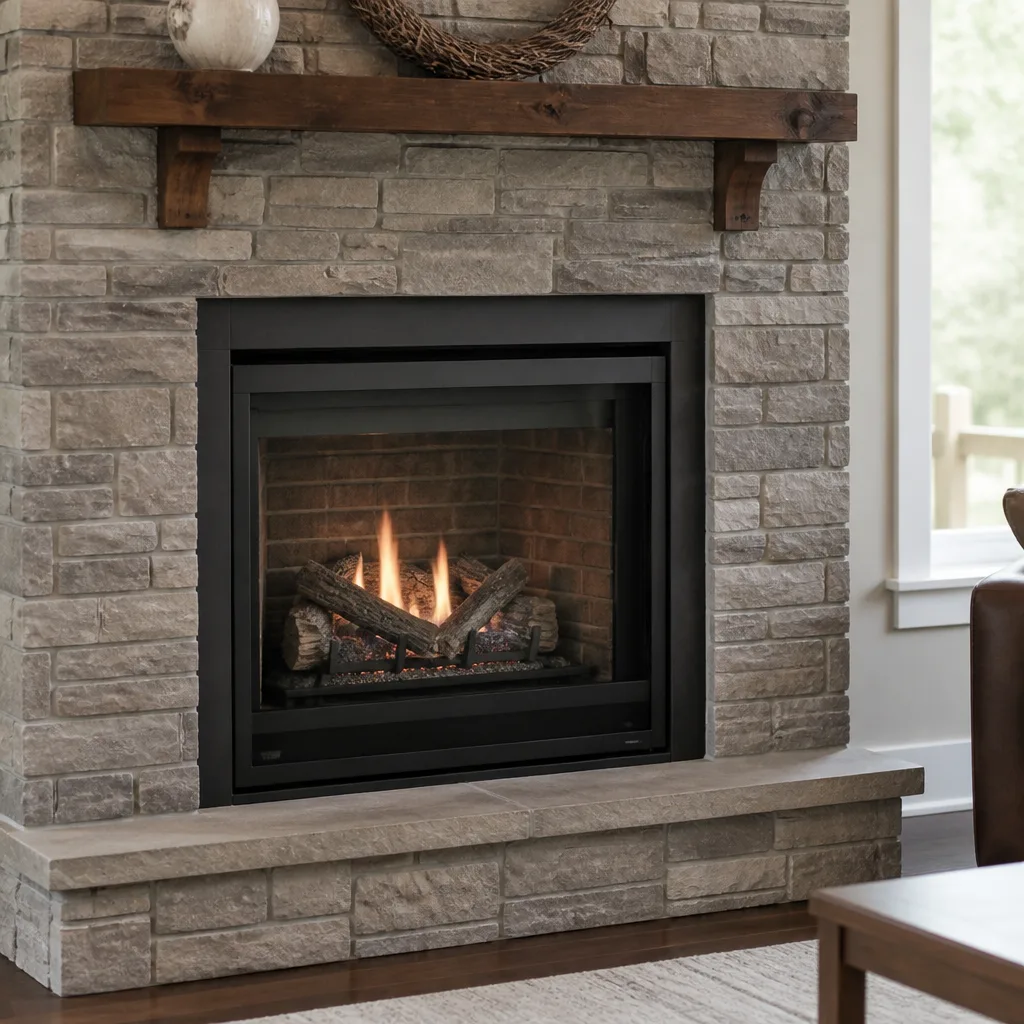 Gas fireplace service
Level 1 sweep and inspection to the NFPA 211 annual standard - flue, crown, cap, and flashing checked and photographed
Chimney sweep logs do not sweep chimneys. They loosen some creosote - which then falls where a brush and vacuum still have to collect it.
The Complete Guide to Chimney Cleaning in Costa Mesa
Most Costa Mesa homeowners burn fewer than fifteen fires a year. That number surprises people, and so does what we find when we open those lightly used chimneys for inspection. Light use doesn’t mean low risk. A fireplace used a dozen times each winter still builds a creosote layer, still collects debris, and still needs the same structural attention as one worked hard through the holidays. And in Costa Mesa, the air that drifts in and settles over the city adds a wrinkle that generic chimney guides never mention. This guide walks through what a real cleaning covers, what discount sweeps tend to skip, how inspections are classified, and why your gas insert needs a different protocol than a wood-burning firebox.
Quick Answer
Chimney cleaning in Costa Mesa means a full-system service, not just a brush down the flue: a technician removes creosote and debris from the firebox, smoke chamber, smoke shelf, and flue, then inspects the whole assembly and documents what they find. A home that sees light fireplace use should still be inspected once a year, with sweeping done whenever the creosote layer or debris load calls for it. Cleaning and diagnosis usually happen on the same visit, so you leave with a clean chimney and a clear picture of its condition.
Styles & brands we work with
- Sweep & inspection
- Caps & crowns
- Flue relining
- Masonry repair
- Gas fireplace service
Table of Contents
- Why Light Use Still Leads to Chimney Problems in Costa Mesa
- What a Full Chimney Cleaning Actually Covers
- What a Discount Sweep Visit Skips
- Level 1 vs. Level 2 Inspections: When Each Applies
- Cleaning a Gas Fireplace Insert: A Different Protocol
- Cleaning Visit vs. Diagnostic Visit: Why You Often Need Both
- How Local Humidity Turns Creosote From Crumbly to Sticky
- When to Schedule Chimney Cleaning in Costa Mesa
Why Light Use Still Leads to Chimney Problems in Costa Mesa
A chimney doesn’t know how often you light a fire. It only knows what’s left behind. Every burn deposits a thin film of creosote in the flue, and every burn leaves ash in the firebox and soot on the smoke chamber walls. A household that burns ten or twelve fires a season still accumulates enough over a few winters to matter, especially when the fires are the slow, smoldering kind that people light on cool evenings and let die down overnight. Smoldering fires produce more creosote than hot, active ones. That’s a chimney fact, not a Costa Mesa one.
What’s specific to Costa Mesa is the air. The city sits in a coastal plain where the marine layer rolls in most mornings and burns off by midday, and that daily push of cool, damp air keeps ambient humidity higher than you’d guess from the forecast alone. Inside a chimney, that moisture has nowhere to go. It condenses on cool flue walls, and creosote that would stay dry and flaky in a drier climate turns tacky instead. Sticky deposits grab more soot, more ash, and more of the next burn’s residue. The result is a chimney that fails inspection on a schedule that has nothing to do with how many fires the homeowner lit.
We see this pattern across Costa Mesa neighborhoods, from the older homes near the Westside to the tract developments off Mesa Verde and the Eastside. The fireplaces look clean from the living room. The flue tells a different story. If you’ve assumed a lightly used fireplace doesn’t need annual attention, that assumption is the most common and most costly one we encounter in this city.
What “mild use” actually means for your chimney
- Creosote still builds. Every fire leaves a layer, no matter how few you light.
- Debris still collects. Leaves, twigs, and nesting material enter from the top, and a cap that’s missing or damaged lets all of it in.
- Moisture still intrudes. Damp creosote compounds faster than dry creosote, and the local marine layer delivers moisture steadily.
- Structures still wear. Smoke chamber joints, firebox mortar, dampers, and crowns age whether or not you burn.
A yearly look is the only way to know which of those is happening. The cleaning is often the easy part; the inspection is what tells you whether this is a routine year or a repair year.
What a Full Chimney Cleaning Actually Covers
A real chimney cleaning addresses the whole smoke path, not just the visible flue. The flue is where creosote concentrates, but the smoke chamber above the damper, the smoke shelf behind it, and the firebox joints below it all collect residue that a quick brush-down leaves untouched. Those are also the areas where small problems turn into expensive ones, because residue traps moisture and moisture breaks down mortar.
Here’s the sequence a proper cleaning follows:
- Protect the room first. Drop cloths, a sealed work area, and a vacuum rated for fine ash. A cleaning that leaves your living room dusty wasn’t done right.
- Open the damper and access the smoke chamber. The smoke chamber is the sloped space just above the damper, and it’s the most commonly skipped part of a sweep.
- Sweep the flue with the right brush for the liner material. Stainless liners, clay tile, and older masonry each take different tooling and pressure.
- Remove creosote from the smoke shelf and smoke chamber walls. This is where the sticky deposits collect, and where a discount sweep cuts corners.
- Clean the firebox and inspect the joints. Mortar joints between firebrick crack over time, and a hairline crack widens with heat cycles.
- Check the damper, cap, and crown. These are the entry points for water and animals, and the cap and crown are the single most overlooked line of defense against water damage.
- Run a camera inspection where the inspection level calls for it. You get photos of what the technician saw.
- Document the findings and recommend anything that needs attention. Recommendations should come with visual evidence, not a sales pitch.
That’s the scope a cleaning should carry. Anything less leaves the parts of the system most likely to fail untouched. And when the inspection turns up a damaged flue that no standard brush can fix, that’s where specialized repair work comes in. We restore liners using the HeatShield system, a repair method that pours and cures a new lining surface inside the existing flue, and it’s a capability most sweep crews simply don’t carry. If a company tells you your liner is shot and their only option is a full tear-out, ask whether restoration is on the table.
What a Discount Sweep Visit Skips
The cheap sweep is cheap for a reason. A crew working at a coupon price has to move through a lot of houses, and moving fast means touching only what shows. What doesn’t show gets skipped. Here’s what we consistently find was left out when a homeowner calls us after a low-cost visit elsewhere:
- The smoke chamber. Above the damper, behind the smoke shelf, sloped and awkward to reach. It’s where sticky creosote settles, and it’s the first thing a rushed sweep skips.
- The smoke shelf itself. A flat ledge that catches falling debris and soot, often left with a visible layer after a discount visit.
- Firebox joint inspection. Checking whether the mortar between firebrick is intact takes time and a trained eye. Patching it takes skill.
- Cap and crown assessment. Water damage starts at the top of the chimney, and a sweep who never gets on the roof never sees it. Cracked crowns and missing caps are the leading causes of chimney water intrusion.
- Photo documentation. You should see what the technician saw, not take their word for it.
- An honest “this can wait” call. A specialist tells you when a repair can safely be deferred. A sales-driven visit tells you everything is urgent.
We work with professional-grade brands on the repair side, including Famco for caps and Olympia Chimney for components, because a cap that fails within a couple of seasons costs more than the money saved on a cheap install. Every repair we recommend carries the same standard: a diagnostic reason, photographic evidence, and a clear explanation of what happens if you choose to wait.
Level 1 vs. Level 2 Inspections: When Each Applies
Chimney inspections come in three standardized levels set by the Chimney Safety Institute of America (CSIA). Knowing which one you need is the difference between paying for what you actually require and paying for more than you need. For most Costa Mesa homes, the distinction between Level 1 and Level 2 is the one that matters.
Level 1
A visual inspection of the readily accessible parts of the chimney and venting system: the firebox, damper, smoke chamber, flue from the firebox up to the top, and the exterior at ground level. No camera, no tools beyond a flashlight. This is the standard annual inspection for a chimney that’s in continued service with no changes to its configuration.
Level 2
A more thorough inspection that includes a video camera scan of the flue interior, plus access to attic, crawlspace, and other concealed areas where the chimney passes through. The CSIA calls for a Level 2 inspection when a property changes hands, when an appliance or fuel type changes (say, converting a wood fireplace to gas logs), after a chimney fire or major event, or when a Level 1 inspection turns up something that needs a closer look. If you’ve bought a home in Costa Mesa in the last couple of years and haven’t had the chimney scoped, a Level 2 is what you want.
Level 3
The most invasive level, used when a Level 1 or 2 identifies a hidden hazard that can’t be accessed without removing parts of the chimney or building. Rare, and reserved for specific conditions.
Most Costa Mesa homeowners will hear “Level 1” in a routine year and “Level 2” after a purchase, a fuel conversion, or a flagged concern. Any company worth hiring explains which level you’re getting and why before the visit, not after. If you’re buying a home, the Costa Mesa Chimney Sweep Co team can walk you through what a Level 2 includes and what the report should show. If you’ve recently added gas logs or an insert to an existing wood fireplace, that change alone triggers a Level 2.
Cleaning a Gas Fireplace Insert: A Different Protocol
Many Costa Mesa tract homes came with gas fireplace inserts, and a sizable share of the rest have been converted from wood to gas. Gas inserts don’t produce creosote the way wood fires do, but that doesn’t mean they don’t need cleaning. They need a different kind of cleaning, and a technician who treats a gas insert like a wood fireplace will miss what’s actually there.
What gas insert cleaning involves
- Venting system check. The flue still carries exhaust, and a blocked or improperly sized vent can back combustion byproducts into the home. Carbon monoxide is the hazard here, and it’s the reason gas inserts can’t be ignored.
- Burner and log set cleaning. Dust, spider webs, and debris collect in the burner ports and on the logs. Clogged ports affect the flame pattern and combustion quality.
- Pilot and safety switch inspection. The thermocouple, thermopile, and safety shutoff protect the household. Those components get checked, not just dusted.
- Glass and gasket assessment. The sealed glass front keeps combustion products out of the room, and a failing gasket compromises that seal.
- Firebox and surround inspection. Heat cycles stress the firebox and the materials around it, and the venting path needs to be clear.
A wood-burning chimney sweep and a gas insert service are different jobs, and this is where a generalist who “also does chimneys” falls short. Gas work involves combustion safety, and getting it wrong is not a cosmetic problem. Our technicians have up to 10 years of experience across both wood and gas systems, and a gas insert visit ends with the same photo documentation a wood burning cleaning gets.
Cleaning Visit vs. Diagnostic Visit: Why You Often Need Both
The cleaning and the diagnosis are not the same appointment, but on a first visit in Costa Mesa, they usually come together. Here’s the distinction. A cleaning visit removes creosote and debris. A diagnostic visit answers a question: why is the fireplace smoking into the room, why is there a water stain on the ceiling near the chimney, why is the damper hard to open, why does the living room smell like a campfire when the fireplace hasn’t been lit in weeks.
When a homeowner calls because something feels wrong, the cleaning is often the easy part. The diagnostic work is where the real value sits. A technician who runs a camera and finds a cracked flue tile has just saved the household from a slow, invisible carbon monoxide problem. A technician who sees a failed crown has found the source of water damage before it reaches the framing. That first visit does both jobs, and the report tells you what’s working, what isn’t, and what can safely wait.
Signs you need a diagnostic visit rather than a routine cleaning
- Smoke rolls into the room when you light a fire.
- A strong creosote smell lingers even when the fireplace is cold.
- Water stains appear on the ceiling or the chimney exterior.
- The damper sticks, won’t close fully, or won’t open.
- A crumbling sound comes from the chimney, or pieces of masonry land on the roof.
- A gas insert’s flame pattern has changed, or the pilot won’t stay lit.
None of those wait for the annual schedule. Call. A call is booked into the next opening, and the diagnosis is free because the chimney sweep estimate is free. If you suspect a liner problem, that diagnostic visit is the one that tells you whether a repair is needed or whether your existing flue is fine. The answer should come with evidence you can see, not a recommendation you have to take on faith. That principle of showing before telling is why our chimney repair work starts with a camera run and ends with a photo report, every time.
How Local Humidity Turns Creosote From Crumbly to Sticky
Creosote forms in three recognizable stages, and knowing them explains why Costa Mesa chimneys build up differently than the generic guides describe.
Stage 1
A thin, dusty layer, usually light and flaky, and easily removed with a brush. Most lightly used fireplaces stay in Stage 1 if they’re swept annually.
Stage 2
A thicker, tacky, or crusty deposit, often with a sticky surface. It’s harder to remove than Stage 1, requires more effort from the brush, and holds soot and ash like a sponge. A chimney that stays in Stage 1 and never gets swept climbs into Stage 2.
Stage 3
A hardened, glazed layer, dense and difficult to remove without specialized tools. Stage 3 creosote is a serious fire hazard and often signals the flue needs a professional assessment rather than a routine brush-down.
The humidity in the marine layer speeds the climb from Stage 1 into Stage 2. Creosote that stays dry stays crumbly. Creosote that absorbs moisture gets tacky, and tacky deposits hold more of everything, including the next fire’s soot. That’s the mechanism behind the inspection failures that surprise light users in Costa Mesa. The fires were few and the flue was still a problem. If a chimney company in this city is telling you “you barely use it, so there’s nothing to check,” they’re describing a drier climate than the one you live in.
When to Schedule Chimney Cleaning in Costa Mesa
Late summer and early fall are the natural window in Costa Mesa. The weather is mild before the evening chill settles in for the cooler months, and booking before the first fire of the season means you’re burning in a clean, inspected chimney rather than setting up a problem you won’t see until spring. Here’s a schedule that fits the local pattern:
- Annual inspection. Once a year, regardless of use, especially for homes with gas inserts or a fireplace that’s had a fuel-type change.
- Sweeping whenever deposits call for it. Usually annual for wood-burning fireplaces, sooner if you burn frequently or your fires tend to smolder.
- Post-purchase inspection. A Level 2 for any home purchased in the last two years, or any home converting to gas.
- Post-issue inspection. Anything from a chimney fire to an unusual smell to water intrusion warrants a diagnostic visit.
- Cap and crown check. Along with the annual cleaning, because a cracked crown or missing cap is the entry point for the water that causes the damage you’ll otherwise pay more to fix.
Costa Mesa has a mild climate and a lot of homes with gas inserts, and the season structure reflects that. The fires are fewer, the buildup is slower, but the humidity and the marine moisture make the buildup stickier. An annual inspection catches the difference between weather doing its work and the structure starting to fail. Booking is straightforward, and the flat price is agreed before the appointment. For the full checklist of what the appointment covers, see our guide to a fireplace repair-adjacent scope of work.
Common Mistakes to Avoid
- Assuming light use means low risk. A dozen fires a year still builds creosote, and the local humidity makes that creosote stick. Skip the annual inspection and you won’t see the buildup until it’s a repair.
- Hiring the cheapest sweep on a coupon. The price is low because the visit is short. Smoke chamber, smoke shelf, and firebox joints get skipped, and the parts of your chimney that actually fail go unchecked.
- Treating a gas insert like a wood fireplace. Gas inserts need venting, burner, and combustion-safety checks, not just a brush. Dust and clogged ports in a gas insert affect the flame pattern and can compromise indoor air quality.
- Ignoring the cap and crown. Water damage starts at the top. A missing cap or a cracked crown lets rain in, and the damage moves down through the masonry before you ever see a stain inside.
- Assuming a cleaning answers a diagnostic question. If the fireplace smokes into the room or you smell creosote when it’s cold, the visit needs to include a camera diagnosis. A cleaning alone won’t tell you why.
- Letting a company replace a liner without asking about restoration. HeatShield liner restoration can rebuild a damaged flue without a full tear-out. If the only option on the table is a demolition job, ask for a second opinion.
- Skipping the Level 2 after a purchase or conversion. Buying a home or converting a fireplace to gas triggers a Level 2 inspection. A Level 1 visual alone won’t see what’s inside the flue.
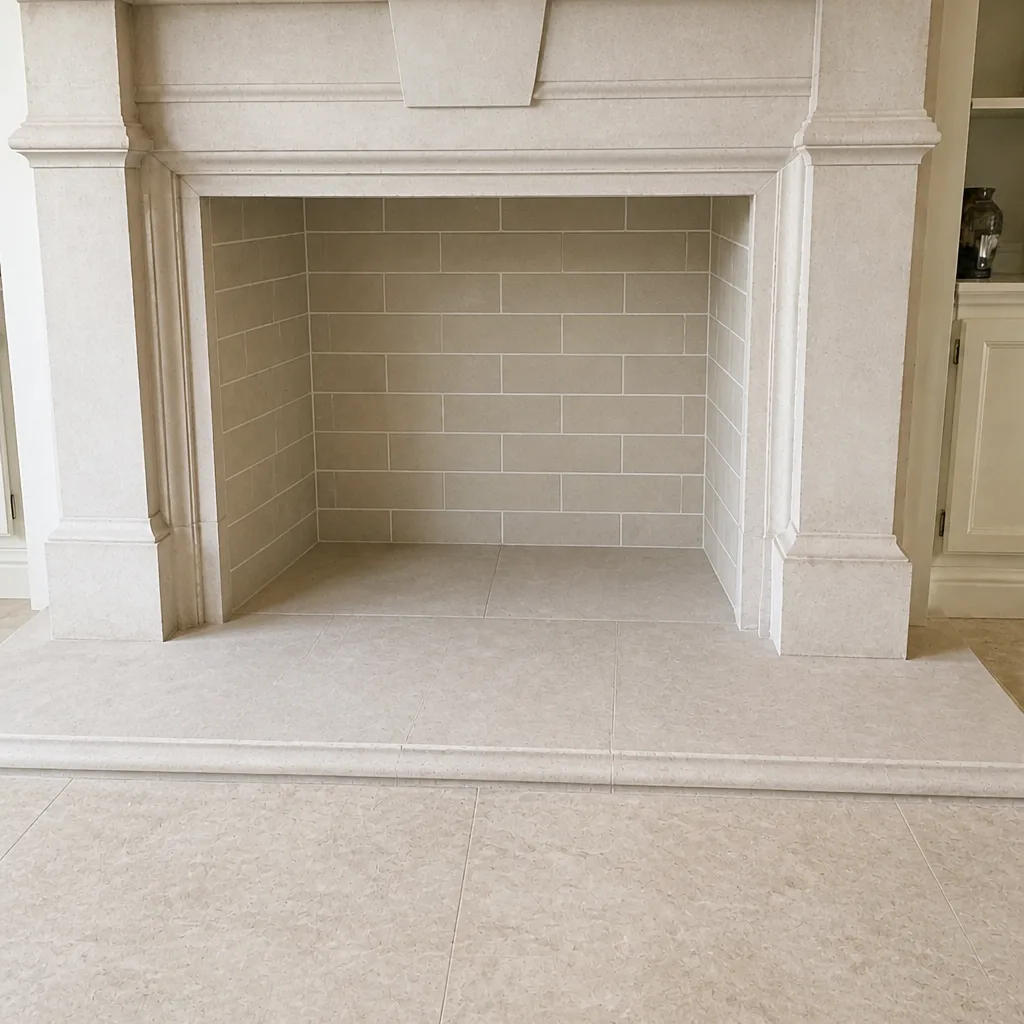
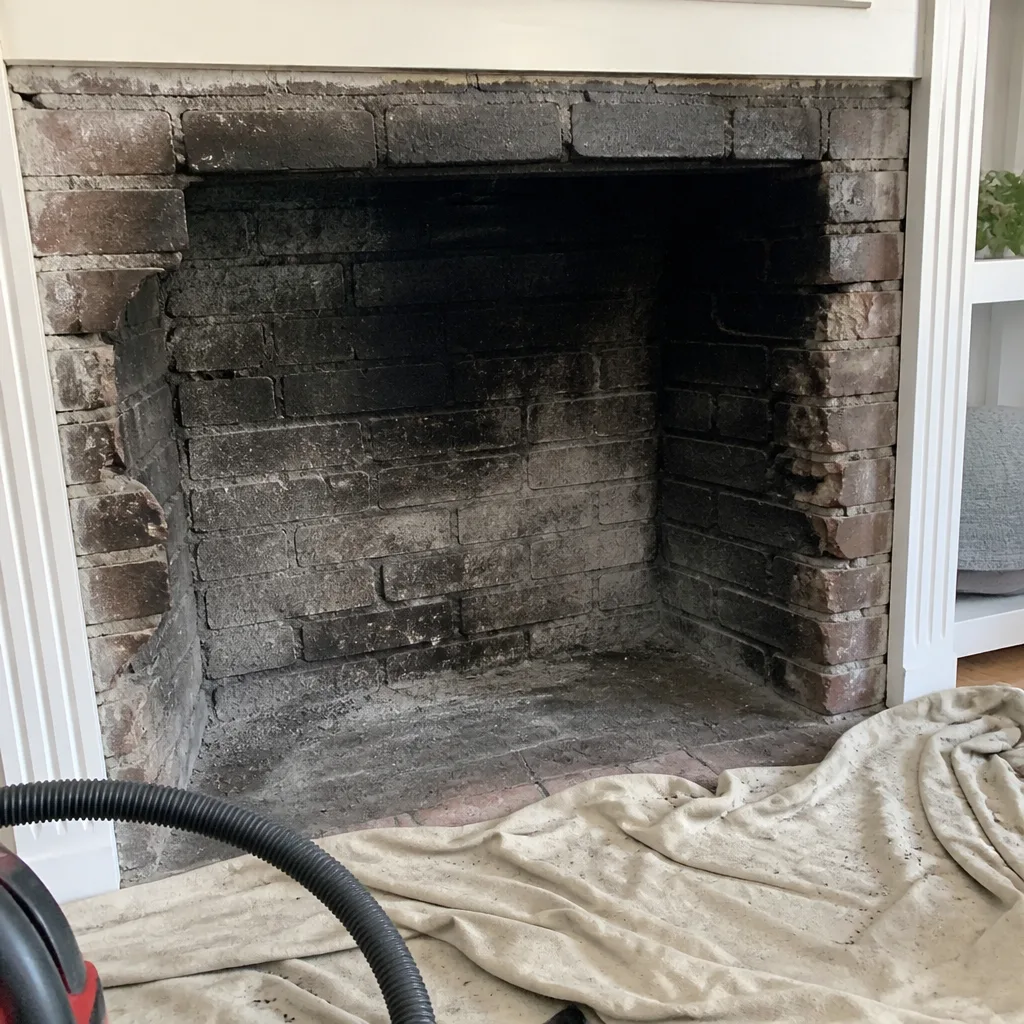
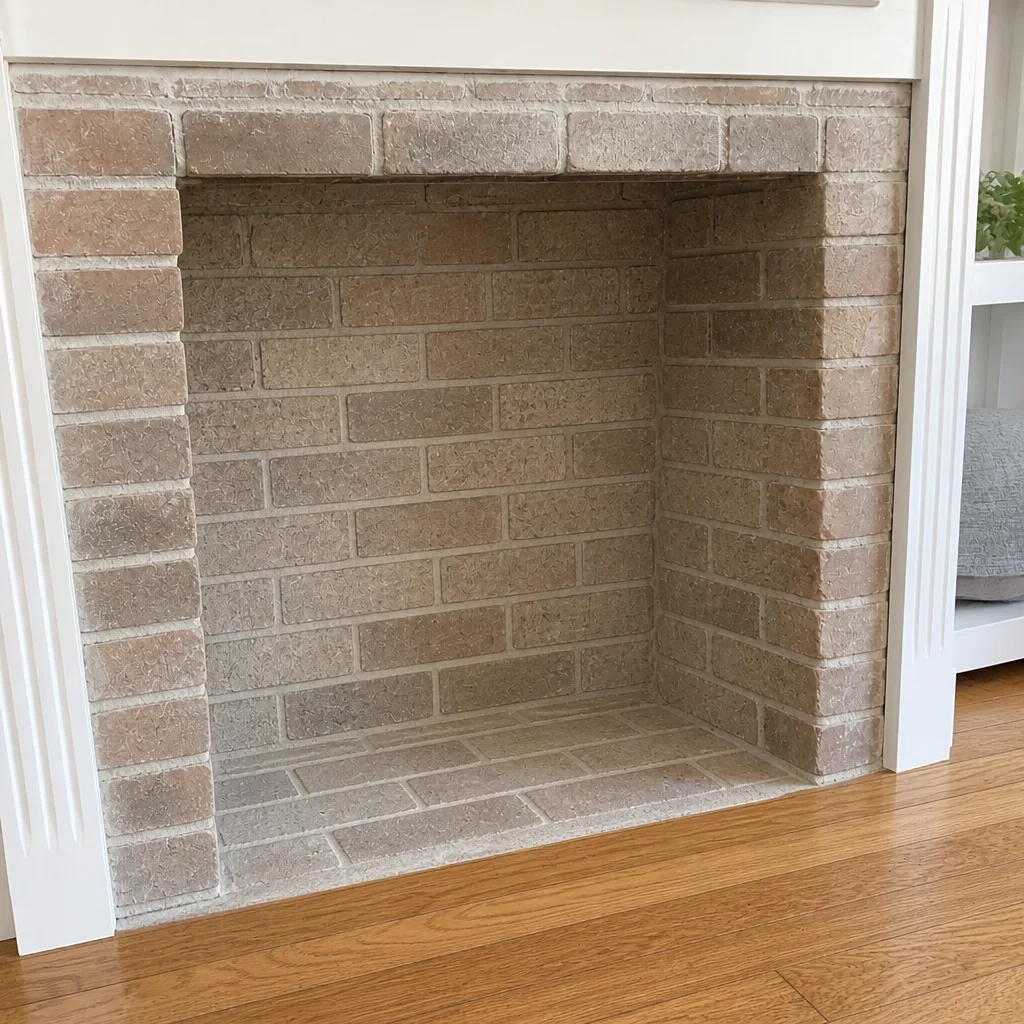
See the difference
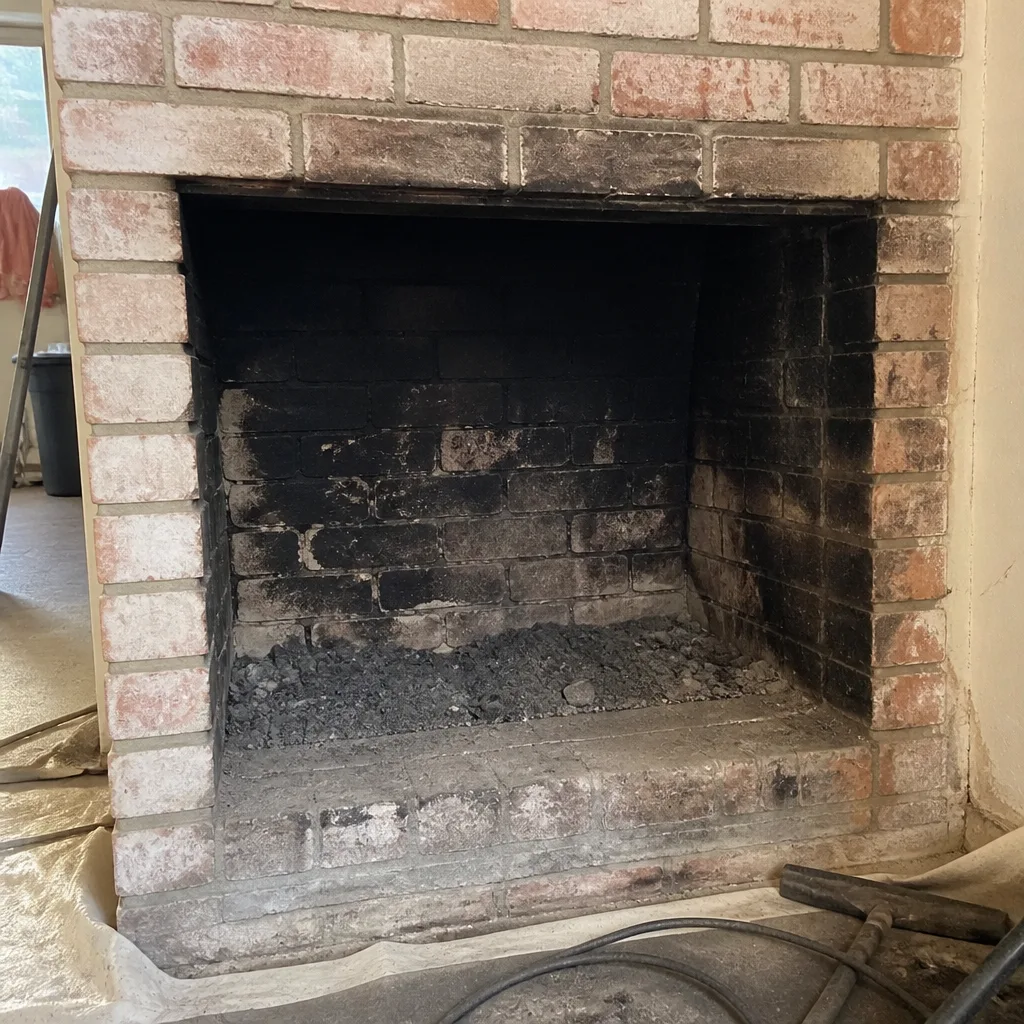 Before
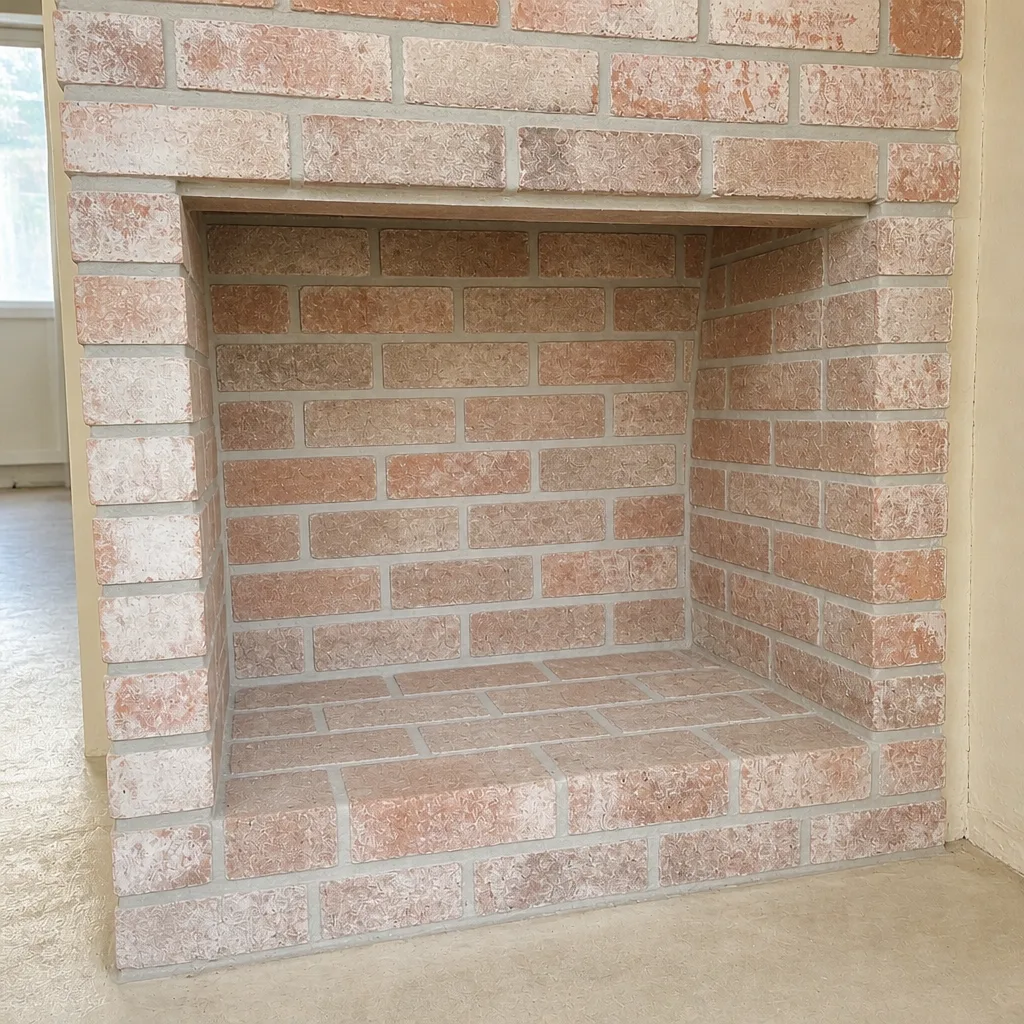 After
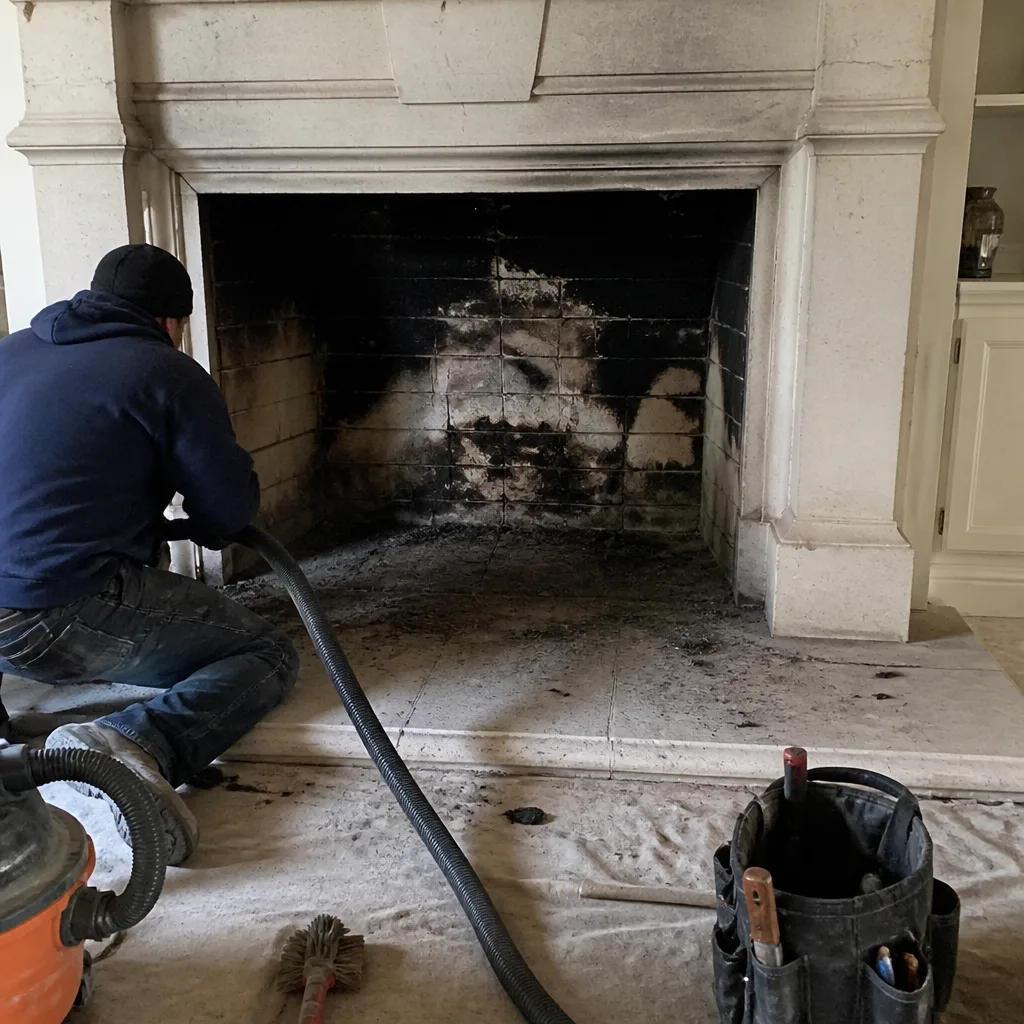 Before
 After
 Before
 After
When to Call a Professional
Call a professional when you smell creosote when the fireplace isn’t lit, when smoke rolls into the room, when there’s a water stain anywhere on or near the chimney, when a gas insert’s flame looks wrong, or when you can hear masonry crumble. Those are diagnostic signals and they don’t belong on a wait list. The annual cleaning and inspection also belong in professional hands, because the parts that matter (the smoke chamber, the flue lining, the firebox joints) aren’t visible from the living room. Those are the parts that determine whether your chimney is a safe system or a slow failure.
Costa Mesa Chimney Sweep Co offers free estimates in Costa Mesa. Call (855) 550-7756. We answer 24/7. Fast dispatch from 7am to 7pm, Sunday through Friday. The local pro that shows up is state-licensed and insured as the state requires, and the flat price for the job is agreed before the appointment.
Frequently Asked Questions
Chimney cleaning in Costa Mesa is priced per job by a written estimate, and the estimate is free. The final price depends on the scope: a wood-burning sweep with inspection is typically less than a gas insert service or a visit that includes camera diagnosis and photo documentation. The written estimate sets the price, and you agree to it before the appointment. Call (855) 550-7756 for an exact quote; estimates are free.
Once a year is the working schedule for an in-service chimney, with sweeping added whenever deposits or debris call for it. Lightly used fireplaces often follow the same annual rhythm, but the local humidity makes creosote stickier sooner, so don’t push past a year even if you lit a handful of fires. Gas inserts should also be inspected annually, because the venting and combustion safety checks matter as much as the cleaning. Call (855) 550-7756 to book the annual visit.
You only need a new liner if the camera finds that the existing one is damaged, and you should see that evidence yourself before agreeing to anything. A specialist runs a camera, shows you the footage, and explains what they found. HeatShield liner restoration can rebuild a flue without a full tear-out, so ask whether restoration applies to your chimney before you accept a replacement recommendation. Call (855) 550-7756 for a diagnostic visit and a free estimate.
Creosote continues to build in stages, and the more concentrated it becomes, the higher the fire risk. Blockages from debris or nesting material can push exhaust back into the home, and water intrusion through a compromised cap or crown works its way into the masonry over time. None of that appears as a warning until the damage is visible or the chimney has already failed inspection. Call (855) 550-7756 for a free estimate; an inspection answers what your chimney actually needs.
A Level 1 is a visual check of the readily accessible parts of the chimney and is the routine annual inspection. A Level 2 adds a video camera scan of the flue and access to concealed areas; it’s required when a home changes hands, an appliance or fuel type changes, or a Level 1 turns up something that needs a closer look. Most Costa Mesa homes need Level 1 in a routine year and Level 2 after a purchase or a gas conversion. Call (855) 550-7756 to book the right inspection.
No. Gas inserts need a different protocol: venting check, burner and log cleaning, pilot and safety switch inspection, glass and gasket assessment, and a firebox check, none of which a wood-burning sweep covers. The reason is carbon monoxide; a clogged vent or failed safety component can back combustion byproducts into the home. A technician with gas experience handles it correctly. Call (855) 550-7756 for a free estimate.
The Bottom Line
Chimney cleaning in Costa Mesa is a full-system job, and the annual inspection is the part that matters most. Light fireplace use doesn’t mean low risk, because the local humidity turns creosote from crumbly into sticky whether you burn a dozen fires or a hundred. A real cleaning covers the flue, the smoke chamber, the smoke shelf, and the firebox joints, and it ends with camera evidence and a photo report you can review. Level 1 fits a routine year; Level 2 fits a purchase, a conversion, or a flagged concern. Gas inserts need their own protocol. And any repair recommendation should be backed by what the technician saw, with a clear answer on whether it can safely wait.
If you’re ready to schedule the annual visit or you just want a diagnostic look at what’s going on inside your chimney, call Costa Mesa Chimney Sweep Co at (855) 550-7756 for a free estimate. We answer 24/7. Fast dispatch from 7am to 7pm, Sunday through Friday. Our technicians have up to 10 years of experience, and we work across a full range of professional-grade brands, including DuraFlex, HeatShield, Gelco, and Olympia Chimney. From inspection to crown, the whole system gets the same attention.
Written by the team at Costa Mesa Chimney Sweep Co.