
Last updated November 25, 2026
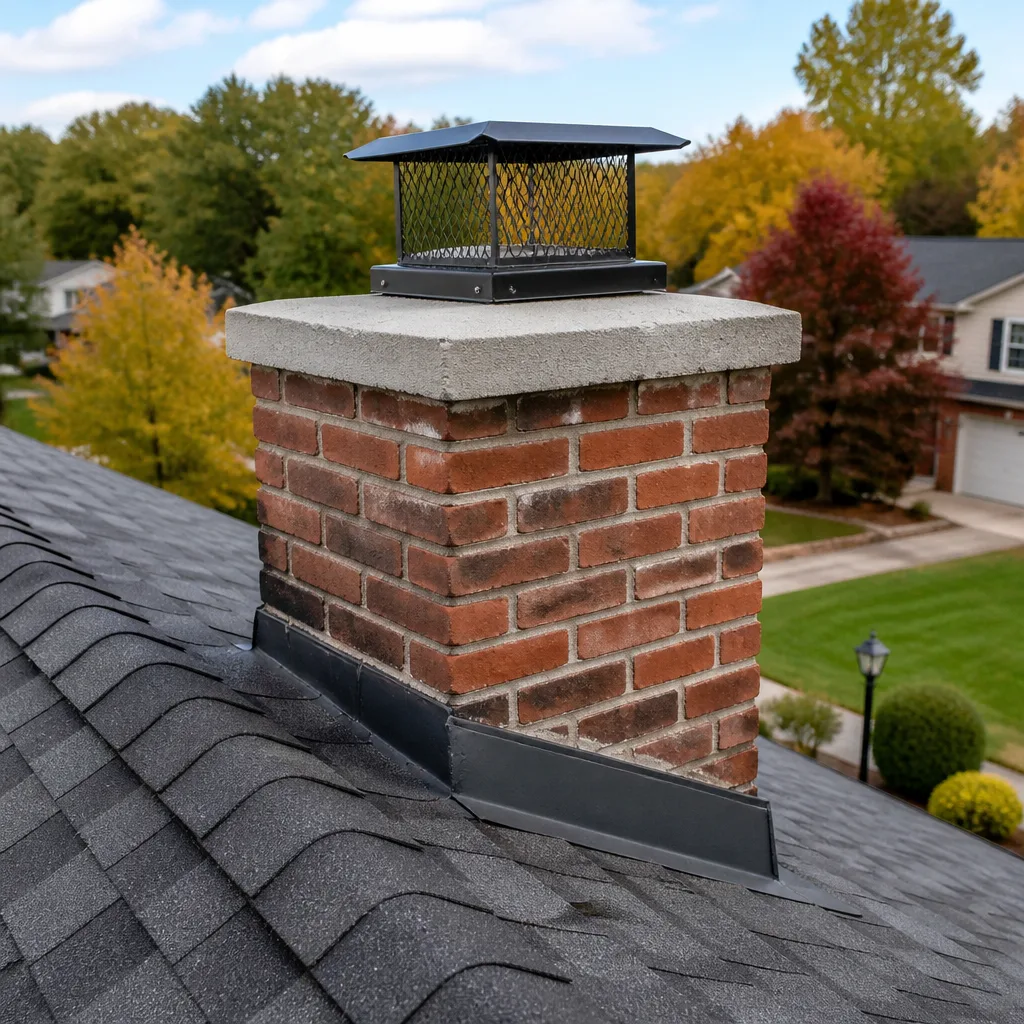 Sweep & inspection
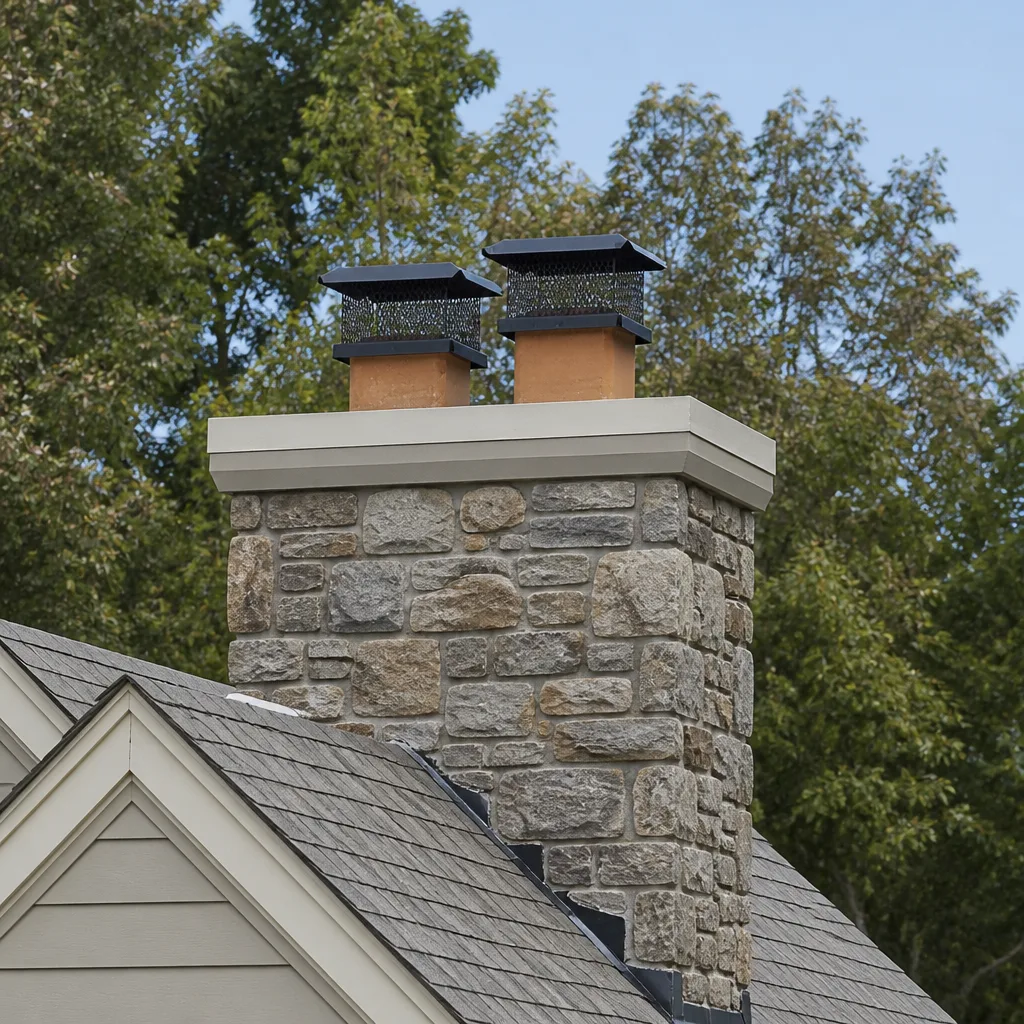 Caps & crowns
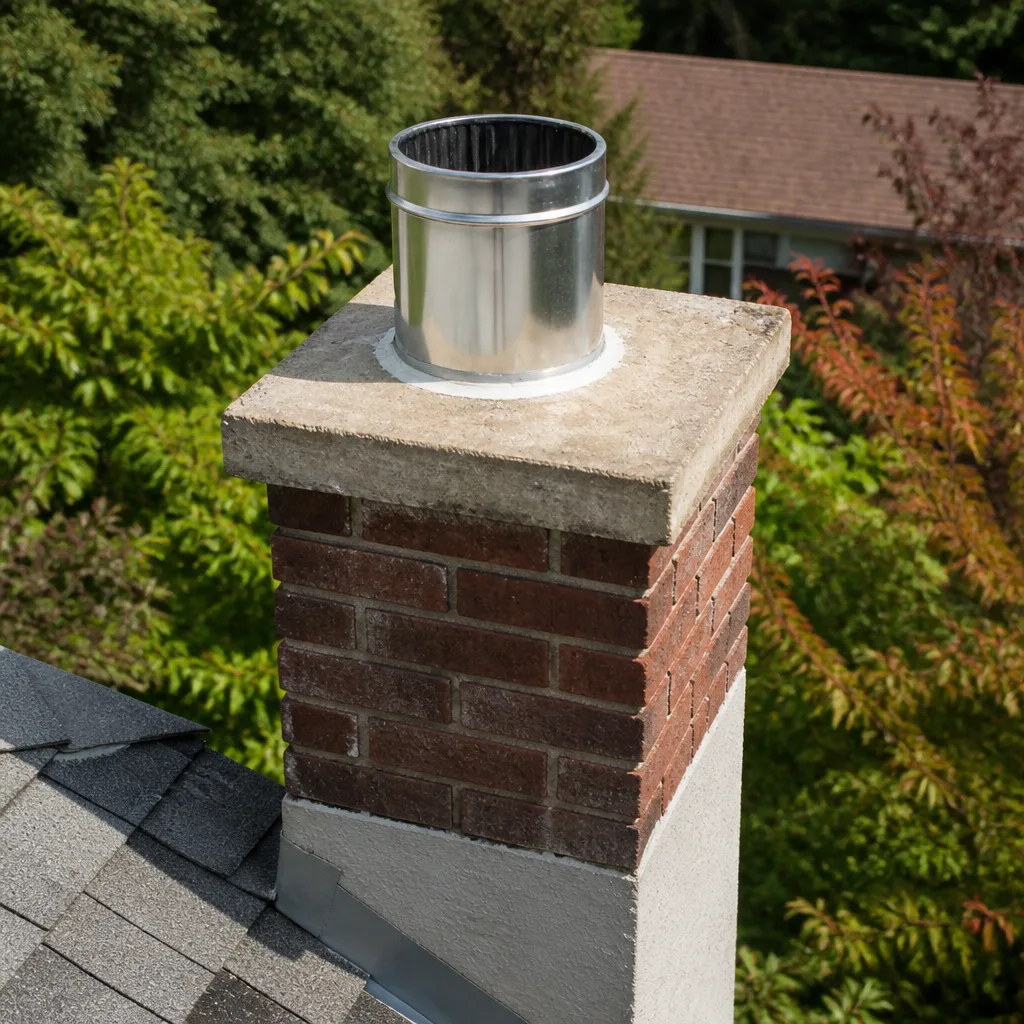 Flue relining
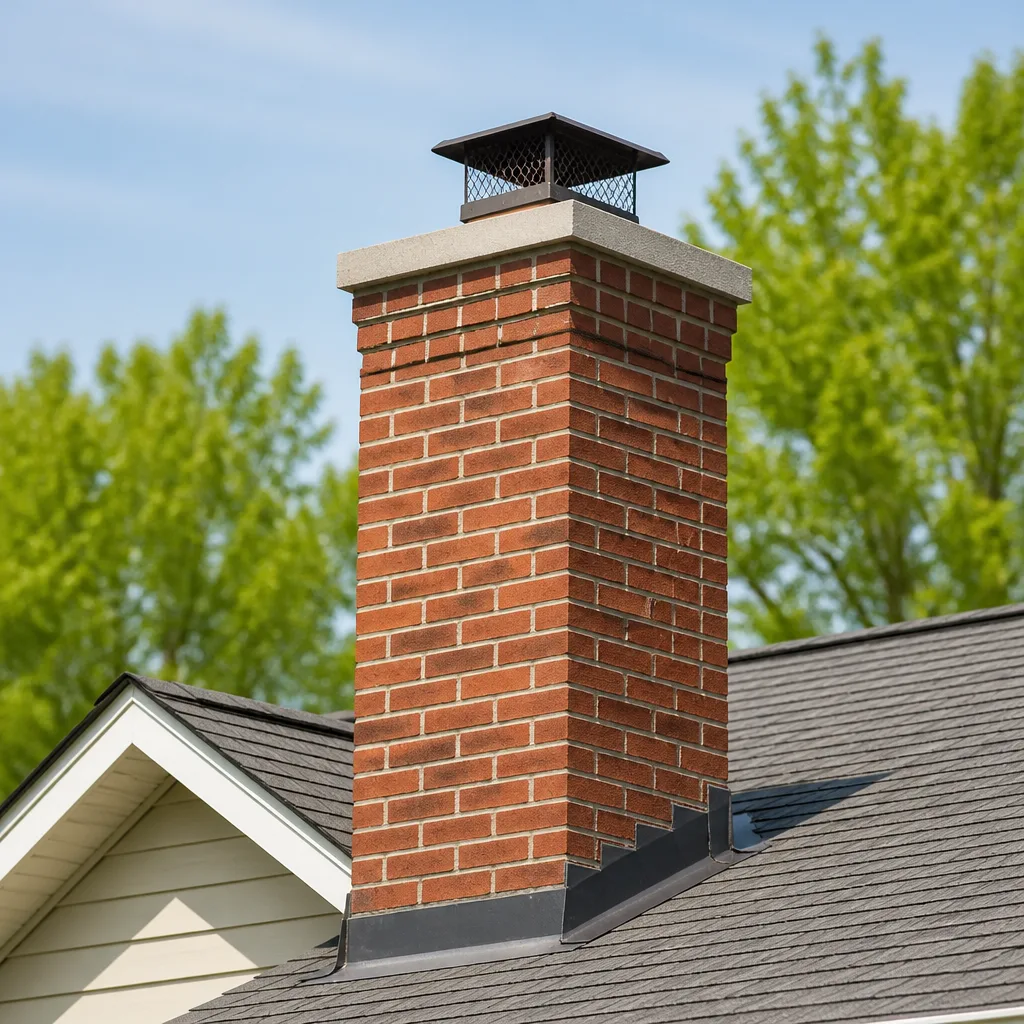 Masonry repair
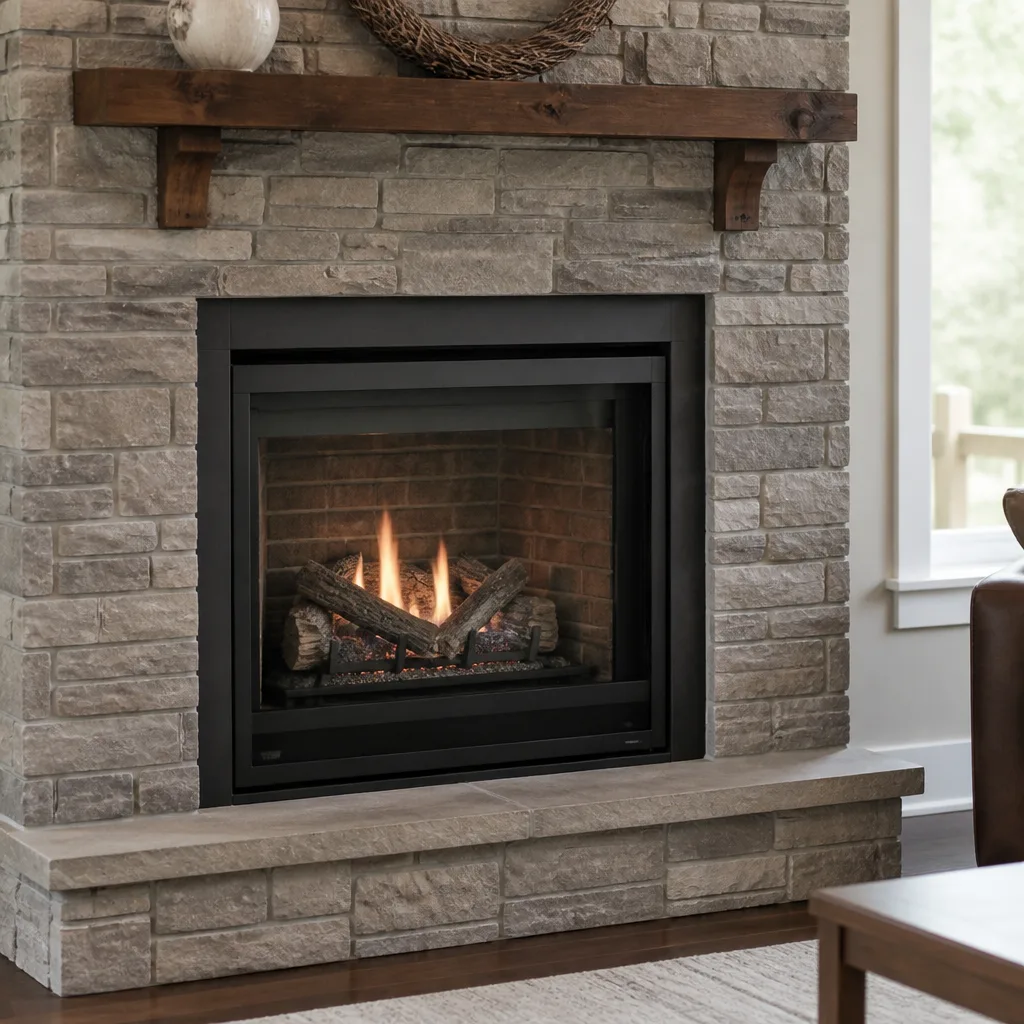 Gas fireplace service
Level 1 sweep and inspection to the NFPA 211 annual standard - flue, crown, cap, and flashing checked and photographed
Chimney sweep logs do not sweep chimneys. They loosen some creosote - which then falls where a brush and vacuum still have to collect it.
Seasonal Chimney Cleaning Care for Costa Mesa: Year-Round Homeowner’s Guide
Most people sweep their chimney once, in autumn, and forget it until next fall. In Costa Mesa that rhythm misses the point. Our weather doesn’t hand you four tidy seasons. It hands you four distinct risk windows: dry Santa Ana wind events in late summer, a marine-layer stretch that pushes moisture against the house through spring, a long dormant summer, and a holiday burn spike that loads more creosote into the flue than any other month. The deadliest time to light a Costa Mesa fireplace is the first cold night of October, when a chimney that sat untouched all summer suddenly takes live fire with no pre-season inspection. This guide walks through each window, what to check, and how the work changes if you rent the place out or just bought it.
Quick Answer
A Costa Mesa chimney should be inspected and swept once a year, timed to your heaviest burn season so the sweep clears last year’s creosote before the next fire. For most households that means the annual service lands in early autumn, ahead of the first Santa Ana winds, with a follow-up check in spring if the chimney showed moisture problems. Homes used as rentals or vacation properties need the same annual sweep plus a verify-before-burn inspection between guests.
Styles & brands we work with
- Sweep & inspection
- Caps & crowns
- Flue relining
- Masonry repair
- Gas fireplace service
Table of Contents
- Why Costa Mesa Chimneys Age Differently
- Pre-Santa Ana Season: August and September Tasks
- Post-Holiday Sweep Timing: Why January Matters
- Spring: Moisture Intrusion and Metal Component Checks
- Summer Dormant-Period Checks
- Adjusting the Schedule for Rentals and New Purchases
- The Year-at-a-Glance Chimney Timeline
- Common Mistakes to Avoid
Why Costa Mesa Chimneys Age Differently
Costa Mesa sits close enough to the coast that the moist marine layer rolls in on many summer mornings, then burns off by afternoon. That daily cycle matters to a chimney. Creosote absorbs moisture. Water in a masonry flue softens mortar joints and slowly works the crown loose at the top of the stack. A two-season chimney in a colder climate gets a hard freeze to lock things up; a Costa Mesa chimney gets a steady, mild, damp push that never stops for long. The result is that water damage, not fire, is often the quiet problem in our local homes.
The second local factor is the Santa Ana wind. When those dry, gusty events arrive in autumn, they drop humidity fast and send airborne debris sideways into any opening on the roof. A cap that’s loose, cracked, or one of the cheap screens that’s rusted through gets wind-driven grit and leaves in the flue. Worse, wind moving across the top of a stack can create backdraft, pushing smoke down into the living space. Homeowners who use their fireplace regularly start to notice this before they’d otherwise think to check.
This is the core of our thinking: your chimney in Costa Mesa is a safety system, and its risks shift with the calendar. A specialist who only shows up in October treats one window. We treat all four, because that’s the only way to stay ahead of both fire risk and water intrusion.
Pre-Santa Ana Season: August and September Tasks
Late summer is the window most homeowners skip. The fireplace isn’t in use yet, so it feels premature to call. But this is when Santa Ana conditions ramp up, and it’s the ideal time to check everything that wind and dry air will stress.
- Inspect the cap and chimney crown. The cap is the first line of defense against wind-driven debris and rain. A cracked crown lets water straight into the masonry below, and September is the right time to fix it before the dry winds and the wet season that follows. Our chimney repair work includes cap and crown installation with name-brand components rated for repeated weather cycles.
- Check for debris buildup. Leaves, twigs and grit collect on top of the smoke shelf during windy months. A blocked flue won’t vent properly, and that’s a carbon monoxide risk the moment you light a fire.
- Confirm the damper opens and closes cleanly. A damper that sticks open in a Santa Ana wind event feeds a backdraft straight into the room.
- Book the annual sweep. Get it on the calendar before October, so the first cold night catches a clean flue, not a loaded one.
We diagnose before we quote, which means the inspection comes first and the recommendation follows the evidence. If the cap is sound and the flue is clear, we tell you so. If the crown has a hairline crack turning into something bigger, you’ll see it on the photo report before anyone recommends repair. That’s the honest starting point.
Post-Holiday Sweep Timing: Why January Matters
The heaviest burn load of the year lands between Thanksgiving and New Year’s. In coastal Southern California homes, households often light the fireplace for the mood as much as the warmth, which means longer, slower, cooler fires. Cool fires are the creosote producers. Smoke leaving a hot fire travels fast and mostly exits; smoke from a slow, smoldering fire lingers on the flue walls and condenses into a sticky, flammable layer. Add smoky fires during holiday visits and you have the single highest creosote accumulation of the year sitting in the flue by January.
That’s why late January is the right time for the post-holiday sweep, not just a pre-season one. A chimney swept in September and used hard through December is due again. Here’s what the January service covers:
- A full sweep of the flue to clear the holiday creosote layer
- A visual inspection of the firebox, damper, and smoke chamber
- A check for soot staining at the top and around the crown, a sign of draft problems
- A review of the liner condition, because repeated hot-cold cycling stresses the joints
If the chimney needs a liner, this is where specialized repair separates a real chimney specialist from a crew that only sweeps. HeatShield liner restoration is a code-compliant repair tier that addresses a damaged flue without tearing out masonry, and it’s the kind of work standard sweep companies don’t offer. Whether that’s right for your chimney depends on the inspection, and the written estimate sets the final price.
Spring: Moisture Intrusion and Metal Component Checks
After the marine-layer season ends, spring is the right time to look for what the damp months left behind. This is the season where the chimney’s condition changes fastest in Costa Mesa, and where careful attention pays off.
Start at the top and work down:
- Check the crown and flashing. A damp spring can find any gap where the stack meets the roofline. Water staining inside the firebox or on the chimney breast is the tell.
- Inspect metal components for oxidation. Damp air and long exposure work on dampers, cap screens and any metal liner parts. Copperfield and DuraFlex components are built for this kind of environment, but even name-brand parts need a check.
- Look for efflorescence. That white, powdery bloom on the outside of the stack is drawn-out moisture, and it’s a sign water is moving through the masonry.
- Schedule any needed repair before summer. Repairs done in spring let you start the dormant season with a system you don’t have to think about.
A word of caution on anything above the roofline: a chimney is high, and inspecting the crown and cap means working at height on a roof surface that can be slick. A trained professional should handle that inspection. The same goes for anything inside the flue, where creosote and structural damage are invisible from the hearth. We’d rather tell you it’s fine than have you find out otherwise by climbing up.
Summer Dormant-Period Checks
Summer is when chimneys sit unused and quietly collect problems. The fireplace goes dark, and the flue becomes a promising home for birds, squirrels and insects. A nest in the flue won’t just block the draft; it’s a fire hazard the moment you light the first fire.
- Pest entry check. A cap with a sound screen keeps wildlife out. A missing or damaged screen is an open invitation.
- Cap integrity check. Wind during the dry months can loosen a cap. A wobbling or displaced cap must be re-seated before it falls or lets rain in.
- Liner condition check. Thermal cycling over the winter leaves cracks that worsen through the dormant months. Catching them now, before the burn cycle restarts, is safer and simpler.
- Odor check. A dormant flue with old creosote and moisture can smell musty in warm weather. That’s a sign the chimney needs cleaning before cold weather.
This is the phase where a pre-season inspection makes the biggest difference. It’s also where the cap and crown specialty pays off. Our cap and crown installation handles the single leading cause of chimney water damage, and getting it done in the quiet summer months means the chimney is weather-tight before the Santa Anas return.
Adjusting the Schedule for Rentals and New Purchases
A chimney care schedule assumes a homeowner who knows the house. Two situations break that assumption: a rental or vacation property, and a home you’ve just bought mid-year.
For a rental or vacation property, the annual sweep still applies, but timing changes. Rental use often spikes at different times than a primary home, and guests don’t check the flue. That means the sweep lands after the heaviest occupancy stretch, not before. A good rhythm:
- Schedule the sweep immediately after the busiest guest season, once the property quiets down.
- Between bookings, verify the cap is secure and the firebox is clear.
- Any time a tenant reports smoke or a smell, treat it as an inspection trigger, not a minor annoyance.
With a newly purchased home, you’re working blind. You don’t know what the previous owner did or when the chimney was last checked, and a home inspection may not cover the flue. A full inspection with a camera is the honest starting point: it tells you what the previous owner left in the system before you make the new house your own.
We can work with professional-grade brands on any needed repair, and each recommendation follows what the camera and evaluation actually show. Nothing is recommended on a hunch. The written estimate covers what the work actually involves.
The Year-at-a-Glance Chimney Timeline
Here’s the schedule we recommend for a typical Costa Mesa home with an active fireplace. Adjust the months slightly if your burn pattern runs lighter or heavier than most.
- August-September: Pre-Santa Ana inspection and cap/crown check. Book the annual sweep before October.
- October (before first fire): Annual sweep and full inspection complete. You start the season clean.
- November-December: Heaviest use. Watch for smoke spills and backdraft on windy nights.
- January: Post-holiday sweep, the year’s biggest creosote month. Liner condition review.
- March-April: Spring moisture check. Metal component inspection. Repair any water intrusion before summer.
- May-July: Dormant-season checks for pests, cap integrity and liner cracks before the next burn cycle.
Our technicians have up to 10 years of experience matching this schedule to how a specific home actually gets used, and the plan matters less than the follow-through. If a seasonal check turns up a problem, the chimney repair gets handled before the season that would stress it.
Common Mistakes to Avoid
- Sweeping only in autumn. Autumn catches a clean flue, but it misses the post-holiday creosote load and the spring moisture risks. In a Costa Mesa home all four windows matter.
- Postponing the cap and crown check. Water damage is the slow, quiet problem here, and it starts with a damaged cap or a cracked crown.
- Treating a rental property like a primary home. Guest occupancy spikes on a different calendar, and the sweep should follow the actual use, not the traditional one.
- Burning green or wet wood to save money. It produces more creosote and more smoke. Dry, seasoned wood keeps the flue cleaner.
- Ignoring a chimney smell in summer. It usually means old creosote and moisture, and it’s a sign the chimney needs work before the burn cycle starts.
- Skipping the inspection because the chimney “looks fine”. The camera finds what the eye can’t, and that’s what protects the home.
- Choosing a generalist over a chimney specialist. A handyman who sweeps on the side won’t have the tools or the repair scope to fix what the inspection finds.
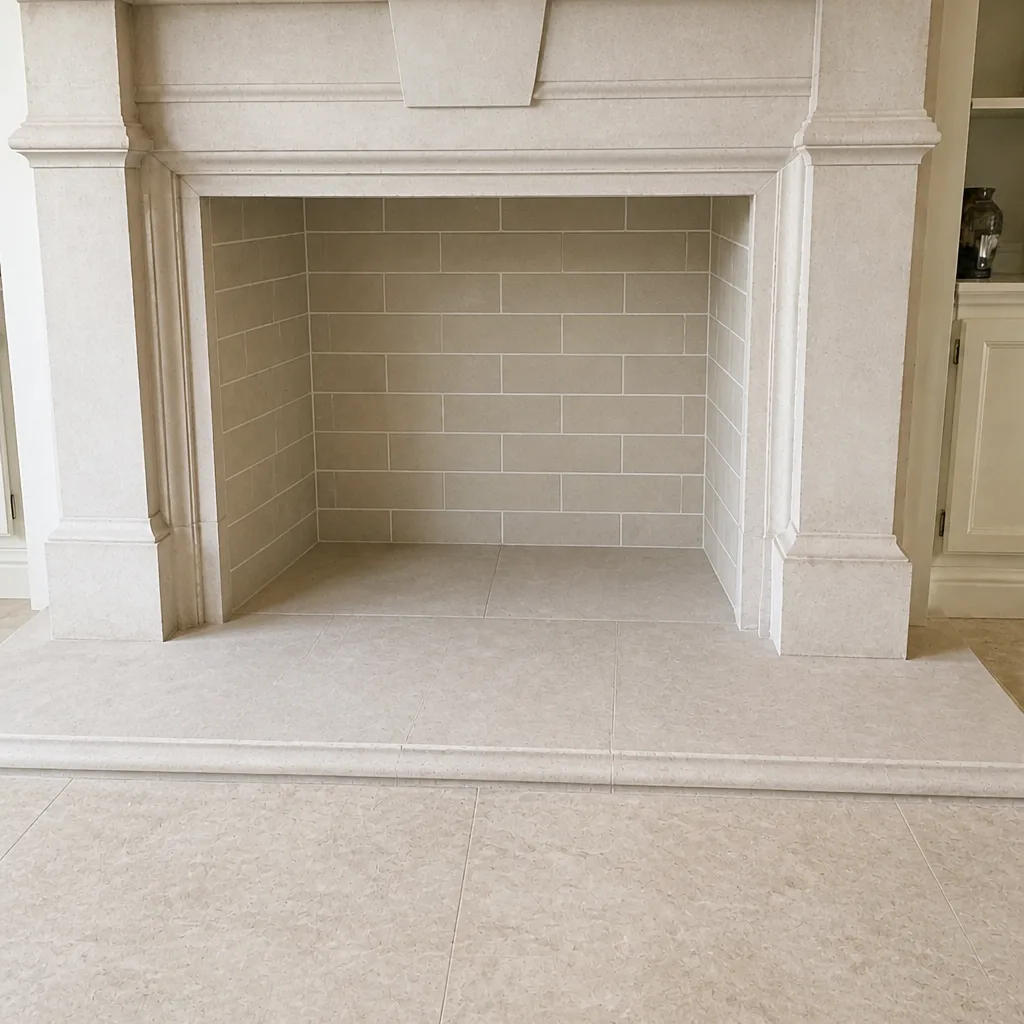
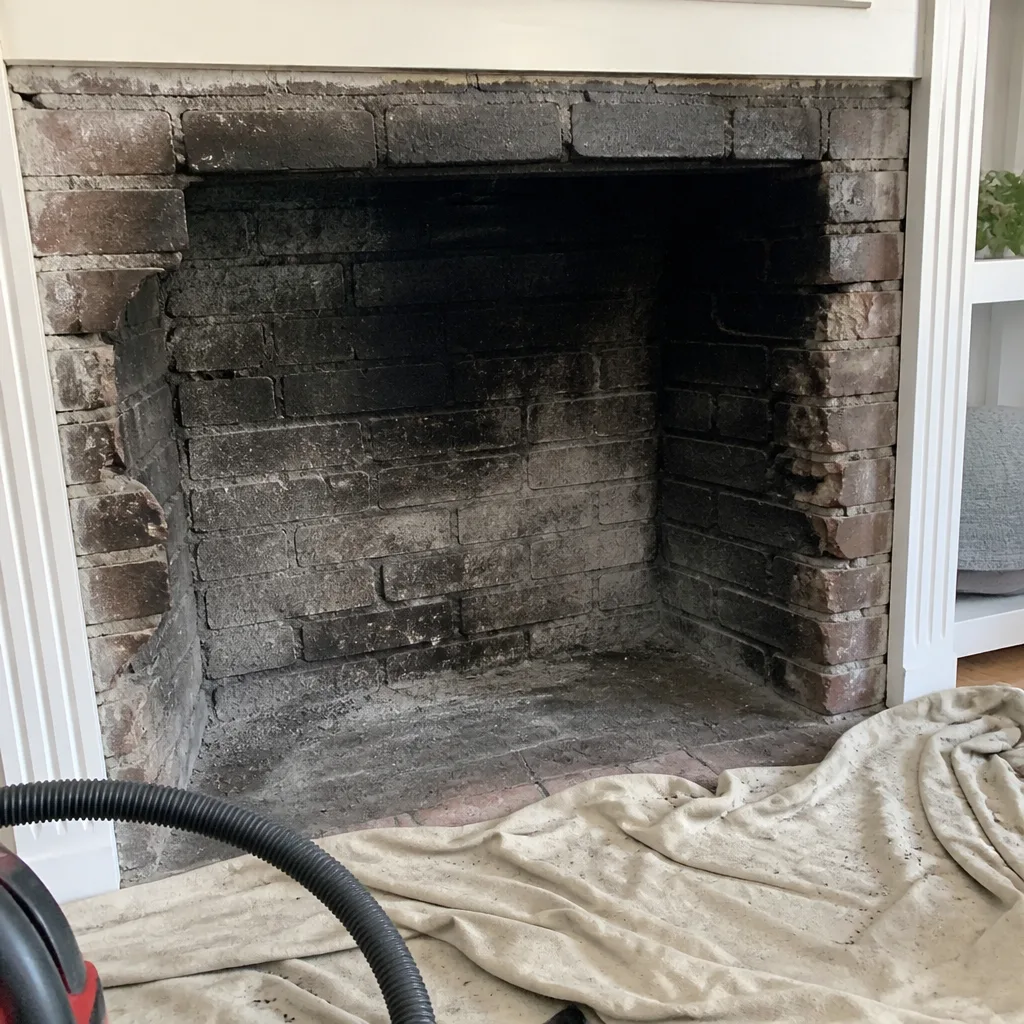
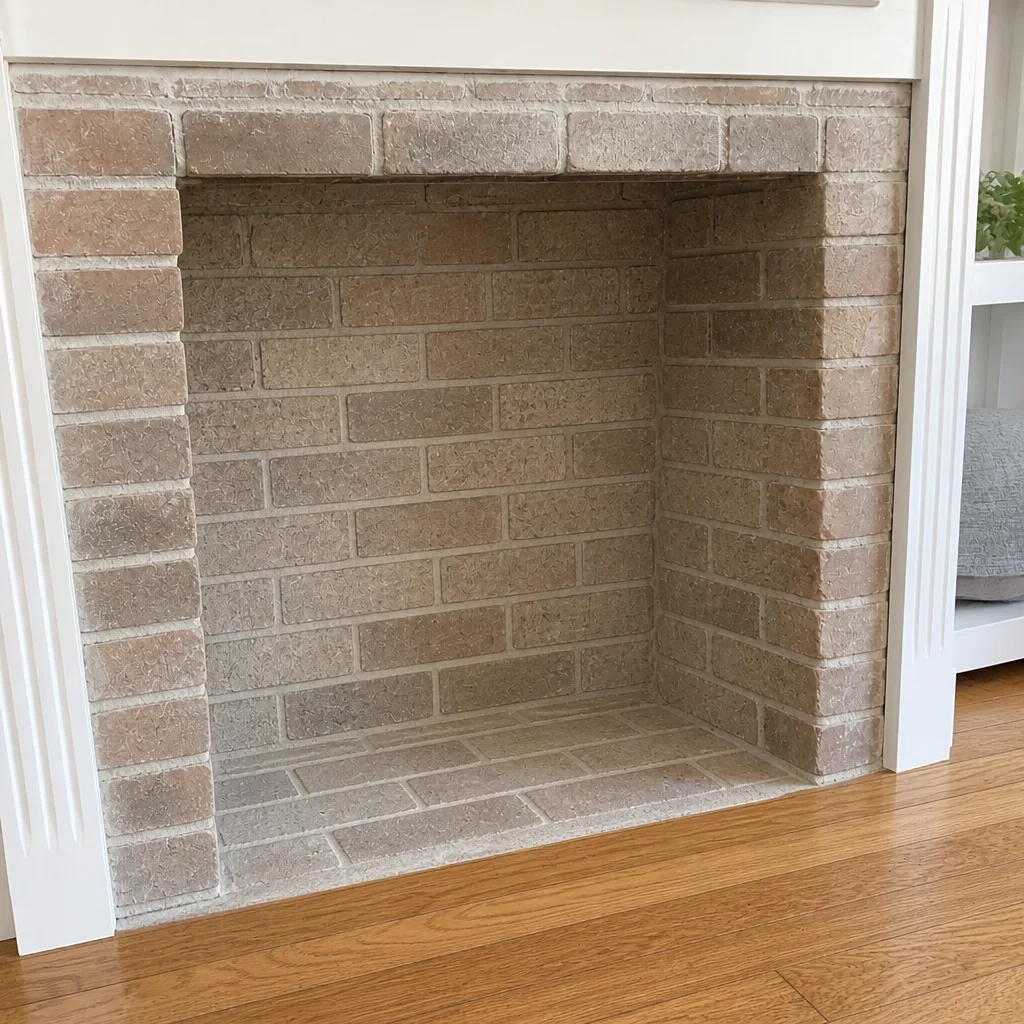
See the difference
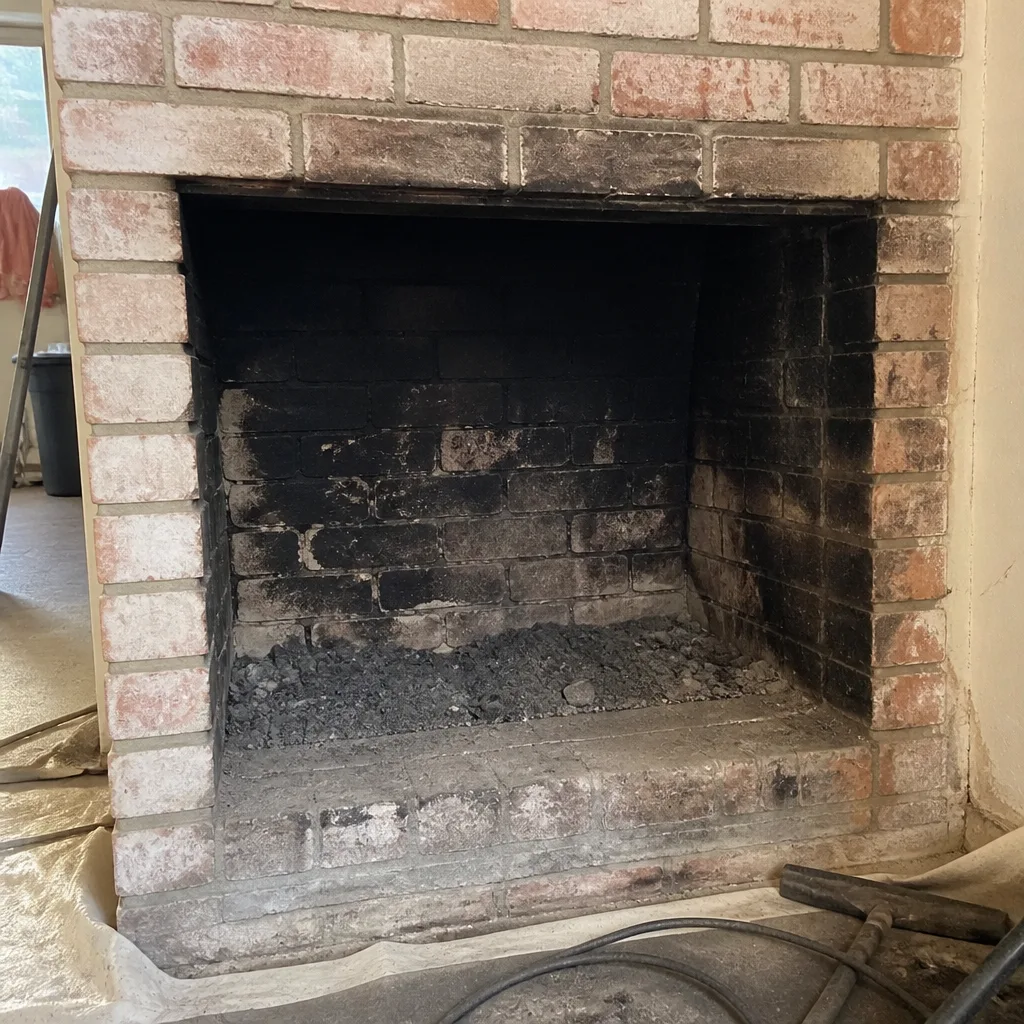 Before
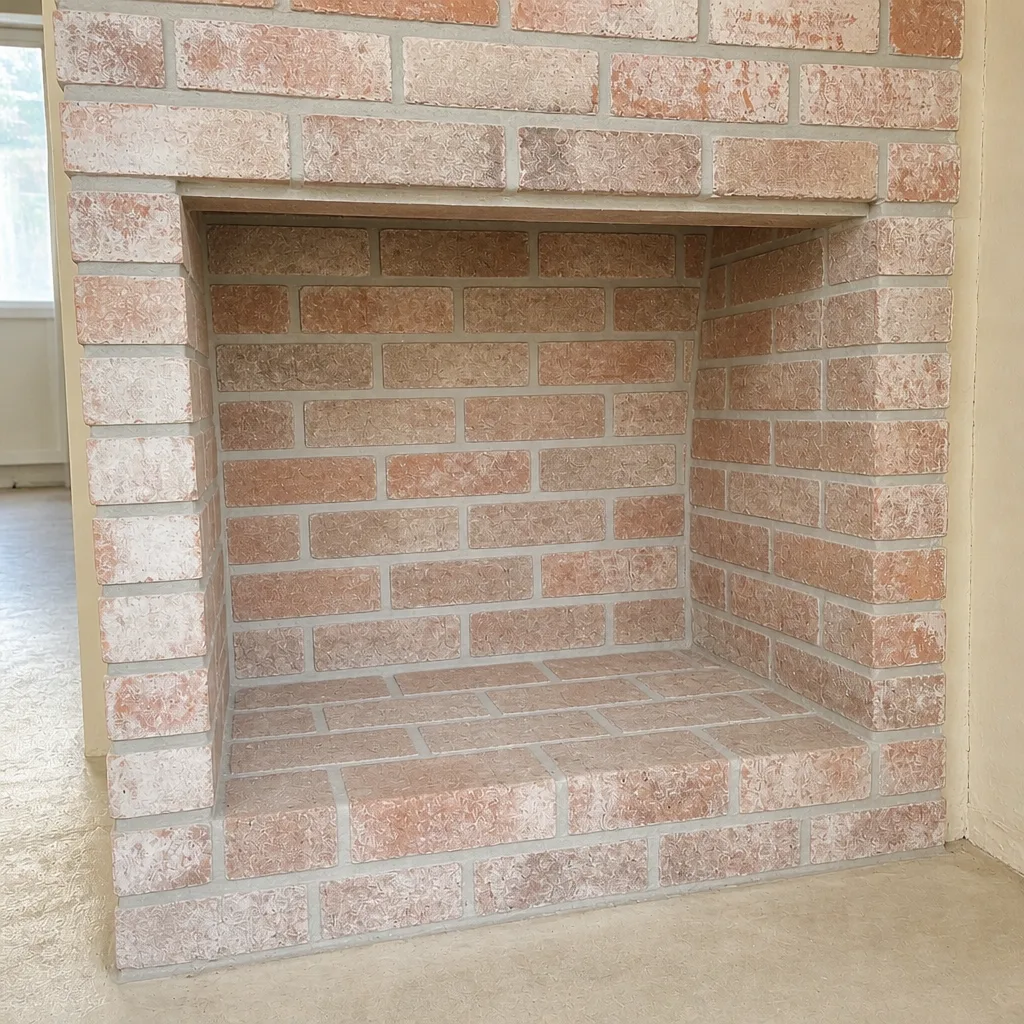 After
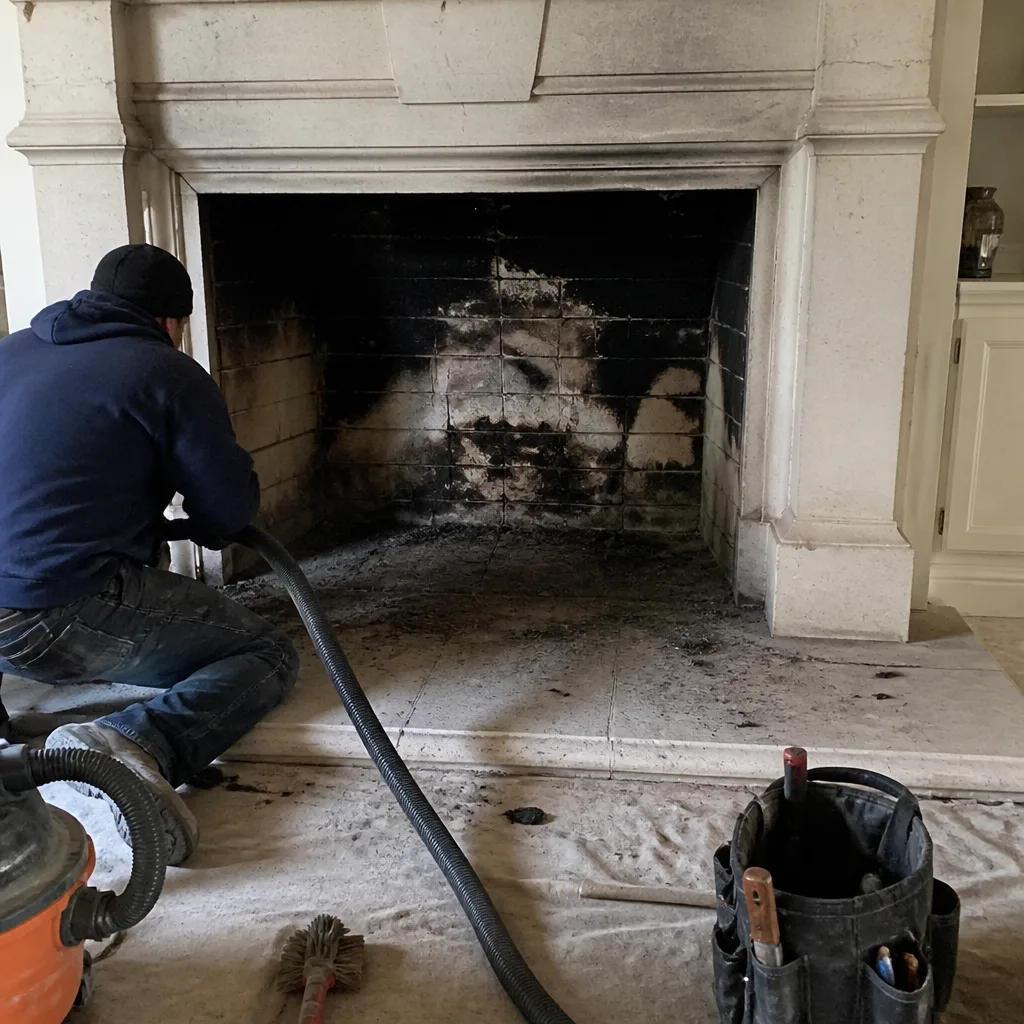 Before
 After
 Before
 After
When to Call a Professional
Some chimney issues can wait for the seasonal schedule. Others need a call right away: smoke that spills into the room when you light a fire, a strong creosote smell, visible debris in the firebox, or a chimney showing signs of water staining, efflorescence or a loose cap. If you’re noticing any of these in a Costa Mesa home, it’s worth having a specialist look before you light the next fire. The same holds for a chimney that’s never had a camera inspection, a rental property between guests, or a newly purchased home with an unknown history.
Costa Mesa Chimney Sweep Co offers free estimates in Costa Mesa. Call (855) 550-7756. We answer 24/7. Fast dispatch from 7am to 7pm, Sunday through Friday. A call outside dispatch hours is booked into the next opening, Sunday through Friday, 7am to 7pm. Our chimney sweep covers the annual service, and the inspection comes before any recommendation. Nothing gets quoted until we’ve seen what’s actually going on.
Frequently Asked Questions
Once a year for most homes. Homes that burn heavily, or that burn through the holidays, may want a second sweep in January to clear the creosote load. The annual inspection tells you if a lighter or heavier schedule fits your chimney. Call (855) 550-7756 for an exact quote – estimates are free.
Creosote builds up on the flue walls, and that layer is flammable. It also crowds the flue and can lead to poor draft, smoke in the room, and higher carbon monoxide risk. Beyond the fire risk, missed sweeps let moisture and pest problems go unnoticed. Call (855) 550-7756 for an exact quote – estimates are free.
Only if the inspection shows the existing liner is cracked, deteriorated or damaged. HeatShield liner restoration can repair some damage without tearing out masonry, and it’s not the right call for every flue. You’ll see the evidence from the camera before any recommendation is made. Call (855) 550-7756 for an exact quote – estimates are free.
No, September gets you ahead of the Santa Ana window and the first cold night of October. It’s the ideal time for the pre-season inspection and cap check. The post-holiday sweep in January then covers the heaviest creosote period.
Cost depends on the flue, its condition and what the inspection turns up, so the written estimate sets the final price. A standard annual sweep and inspection is priced as a single service, and any repair is quoted separately once the camera results are in. Call (855) 550-7756 for an exact quote – estimates are free.
The timing shifts toward your actual occupancy. Schedule the sweep after the busiest guest season, and treat any smoke or smell report from a tenant as an inspection trigger. Call (855) 550-7756 for an exact quote – estimates are free.
The Bottom Line
Costa Mesa doesn’t give you one cold season; it gives you four chimney-risk windows that each need attention. August and September are for the cap, crown and pre-season inspection. October is the annual sweep before the first fire. January catches the holiday creosote. Spring and summer are for moisture, metal and pest checks in the dormant period. Sweeping once in autumn and calling it done misses half the story. A chimney specialist who handles the whole cycle, from fireplace repair to the crown and cap, keeps the system working the way it should all year. If your home is a rental or a recent purchase, the schedule follows your use, not the calendar. The written estimate sets the final price, and nothing gets recommended until the inspection has something to show.
When the first cold night arrives, the best thing your chimney can have behind it is an inspection and sweep already done. For seasonal care in Costa Mesa, Costa Mesa Chimney Sweep Co connects you with local professionals who work on chimneys full-time and nothing else.
Call (855) 550-7756 for a free estimate. We answer 24/7. Fast dispatch from 7am to 7pm, Sunday through Friday.
Written by the team at Costa Mesa Chimney Sweep Co.